In today's competitive food service landscape, reducing waste is not just an environmental responsibility—it's a financial imperative. Restaurants across the globe are discovering that effective food storage is one of the most powerful tools in their waste reduction arsenal. By optimizing how ingredients and prepared dishes are stored, you can dramatically extend shelf life, maintain quality, and minimize spoilage.
This article explores the critical role of food storage in cutting restaurant waste. We'll delve into the connection between storage practices and waste, highlight common pitfalls, and provide actionable strategies to help your commercial kitchen become more sustainable and profitable. From choosing the right containers to implementing smart labeling systems, you'll learn how to make every ingredient count.
Understanding the Impact of Food Waste in Restaurants
Food waste is a staggering problem in the restaurant industry. According to the USDA, restaurants generate millions of tons of waste annually, much of which is preventable. Beyond the ethical and environmental implications, waste directly impacts your bottom line. Every spoiled ingredient represents lost revenue, wasted labor, and unnecessary disposal costs.
The good news is that many waste sources stem from inadequate storage. Improper temperature control, poor container selection, and lack of organization lead to premature spoilage, contamination, and forgotten ingredients. By addressing these storage issues, you can significantly reduce the amount of food that ends up in the trash.
- Monitor inventory regularly to identify patterns in spoilage.
- Implement a first-in, first-out (FIFO) system to use older stock first.
Key Storage Practices to Minimize Waste
Effective food storage begins with the right containers. Airtight, durable containers protect ingredients from moisture, air, and pests, preserving freshness for longer. For example, using Camwear® food storage pans in your prep area can keep ingredients organized and visible, reducing the chance of forgotten items. Similarly, clear lids allow for quick identification, minimizing the need to open containers and expose food to air.
Another critical practice is proper temperature management. Ensure your refrigerators and freezers are set to the correct temperatures and that food is stored promptly after preparation. Using insulated carriers for transport can also maintain safe temperatures, preventing spoilage during catering events.
- Use clear, stackable containers to maximize space and visibility.
- Label all containers with contents and dates to track freshness.
- Store raw meats on lower shelves to prevent cross-contamination.
Leveraging Cambro Products for Waste Reduction
Cambro offers a range of products specifically designed to help commercial kitchens reduce waste. For instance, the Amber High Heat Food Pan with Handle - H-Pan™ is perfect for storing and serving hot foods, while its durable construction ensures longevity. Pair it with matching lids to keep food at safe temperatures and prevent drying out.
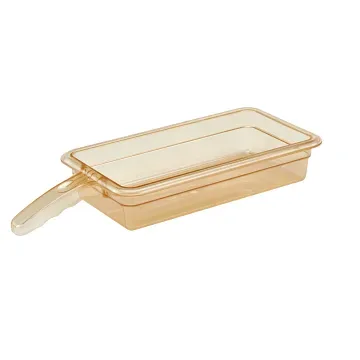
Amber High Heat Food Pan with Handle - H-Pan™
For transport, the Pro Cart Ultra® Electric, Tall Universal is an excellent investment for catering operations. It maintains consistent temperatures during transit, ensuring that food arrives fresh and safe, reducing the likelihood of waste due to temperature abuse.
Additionally, the Clear Flip Lids for Camwear® Food Pans are a simple yet effective tool. These lids allow staff to see contents at a glance, reducing the time containers are left open and helping maintain food quality.
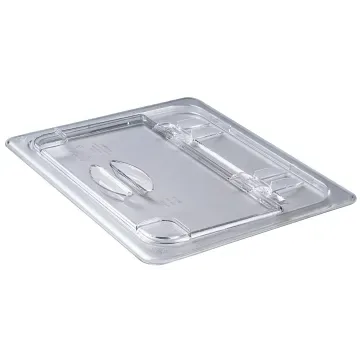
Clear Flip Lids for Camwear® Food Pans
- Invest in high-quality, durable containers that withstand frequent use.
- Use clear lids to improve visibility and reduce unnecessary opening.
- Consider insulated transport solutions for off-site events.
Implementing a Waste-Reduction Strategy in Your Kitchen
Reducing waste requires a holistic approach that combines proper storage with staff training and inventory management. Start by conducting a waste audit to identify where most waste occurs. Then, implement a labeling system that includes dates and contents, and train your team on FIFO principles.
Regularly review your storage setup to ensure it meets the needs of your menu. For example, if you frequently prepare large batches, invest in bulk storage solutions like Camwear® food pans. If you cater events, consider insulated carriers to maintain food quality during transport.
Finally, foster a culture of sustainability by involving your team in waste reduction goals. Celebrate successes and encourage staff to suggest improvements. Over time, these practices will become second nature, leading to significant cost savings and a smaller environmental footprint.
- Conduct regular waste audits to track progress.
- Provide training on proper storage and labeling procedures.
- Set measurable goals for waste reduction and monitor them.
Reducing restaurant waste is a journey that starts with smart food storage. By implementing the practices and products discussed, you can significantly cut waste, save money, and enhance your sustainability efforts. Explore Cambro's range of storage solutions to find the perfect fit for your kitchen and start making a positive impact today.