Aging is a natural process, but how we age is largely influenced by our lifestyle and nutrition. Among the essential minerals that play a critical role in healthy aging, magnesium stands out. Often overlooked, magnesium is involved in over 300 enzymatic reactions in the body, affecting everything from muscle and nerve function to bone health and heart rhythm. As we age, our bodies become less efficient at absorbing magnesium, and dietary intake often declines, making deficiency more common.
In this article, we'll explore the role of magnesium in healthy aging, the signs of deficiency to watch for, and the best ways to supplement for optimal benefits. Whether you're a senior or caring for an aging loved one, understanding magnesium's importance is a key step toward maintaining vitality and independence.
Why Magnesium Matters More as We Age
Magnesium is essential for maintaining strong bones, a healthy heart, and proper nerve function. As we age, bone density naturally decreases, and magnesium works alongside calcium and vitamin D to keep bones resilient. It also helps regulate heart rhythm and blood pressure, reducing the risk of cardiovascular issues that become more prevalent with age.
Additionally, magnesium supports cognitive health by aiding in nerve transmission and protecting against excitotoxicity, which can damage brain cells. Some studies suggest that adequate magnesium levels may help reduce the risk of age-related cognitive decline. Furthermore, magnesium promotes restful sleep, which is often disrupted in older adults, and helps manage stress by regulating the body's stress-response system.
- Supports bone density and reduces fracture risk
- Helps maintain healthy blood pressure and heart rhythm
- Promotes better sleep and stress management
- May protect cognitive function
Signs of Magnesium Deficiency in Older Adults
Magnesium deficiency can be subtle and often goes undiagnosed. Common signs include muscle cramps, fatigue, insomnia, and mood changes. More severe deficiency can lead to numbness, tingling, and abnormal heart rhythms. Older adults are at higher risk due to decreased absorption, certain medications (like diuretics), and a diet that may lack magnesium-rich foods.
If you notice these symptoms, it's important to consult a healthcare provider for a blood test. However, routine blood tests often miss intracellular magnesium deficiency, so paying attention to dietary intake and considering supplementation is wise.
- Muscle cramps and spasms
- Chronic fatigue and weakness
- Sleep disturbances and insomnia
- Anxiety or irritability
Choosing the Right Magnesium Supplement
Not all magnesium supplements are created equal. Different forms have varying absorption rates and benefits. For older adults, it's crucial to choose a form that is gentle on the stomach and well-absorbed. Magnesium bisglycinate is highly bioavailable and less likely to cause digestive upset. Magnesium glycinate is also well-tolerated and often used for its calming effects.
Other forms like magnesium malate may be beneficial for energy production, while magnesium taurate supports heart health. It's also common to combine magnesium with other nutrients that work synergistically, such as calcium, vitamin D, and zinc, to support bone health as we age.
- Look for chelated forms like bisglycinate or glycinate for better absorption
- Consider combination formulas with calcium and vitamin D for bone health
- Start with a lower dose and gradually increase to avoid digestive issues
Top Magnesium Supplements for Healthy Aging
When selecting a magnesium supplement, quality and form matter. Here are some excellent options that cater to the needs of aging adults:
For those looking for a highly absorbable and gentle option, Magnesium Bisglycinate 400mg Capsules is an excellent choice. It provides a therapeutic dose that supports relaxation, sleep, and muscle function without causing laxative effects.
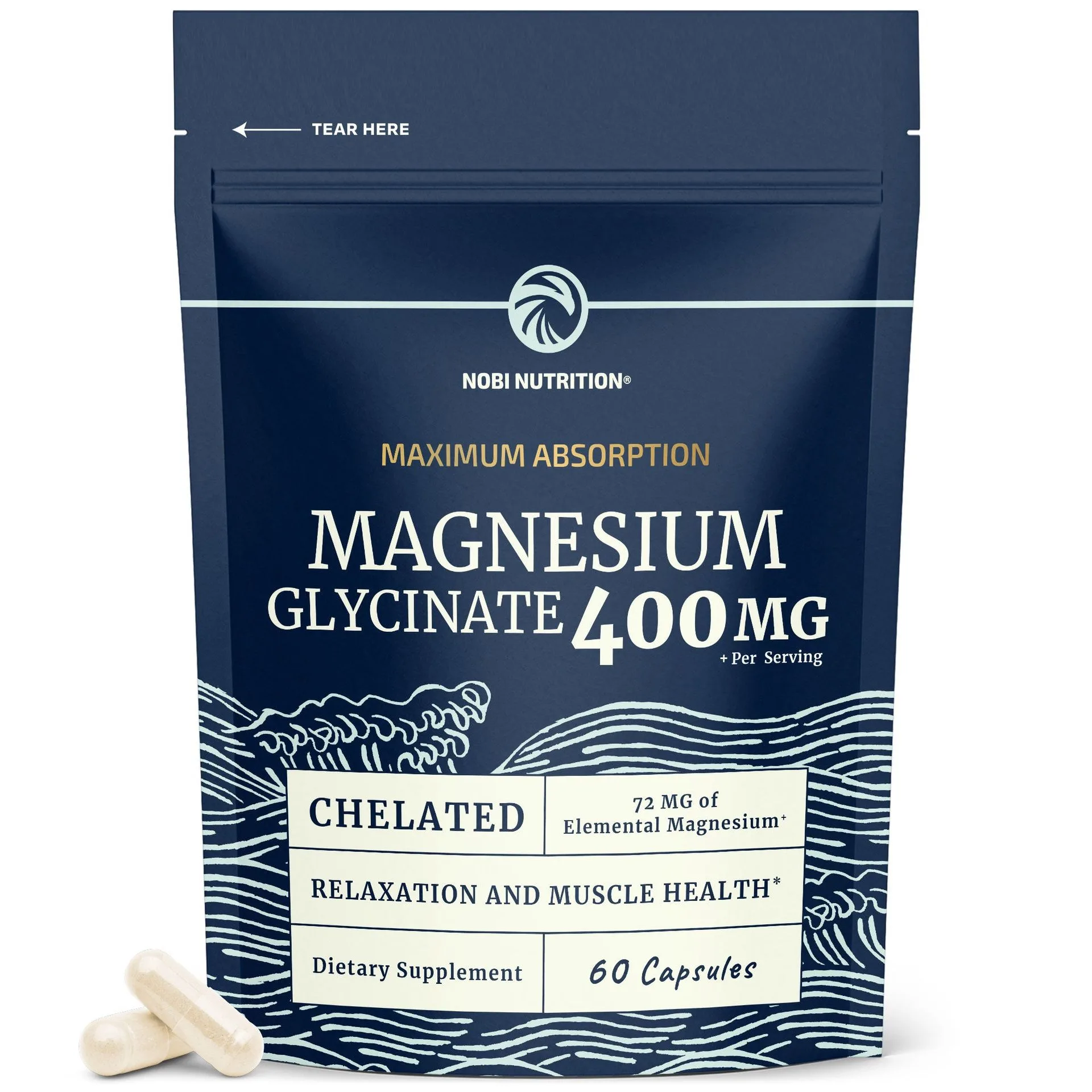
Magnesium Bisglycinate 400mg Capsules
If you prefer a comprehensive bone health formula, Calcium, Magnesium, Vitamin D, and Zinc Tablets combines four essential nutrients in one convenient tablet, making it easier to support bone density and overall health.
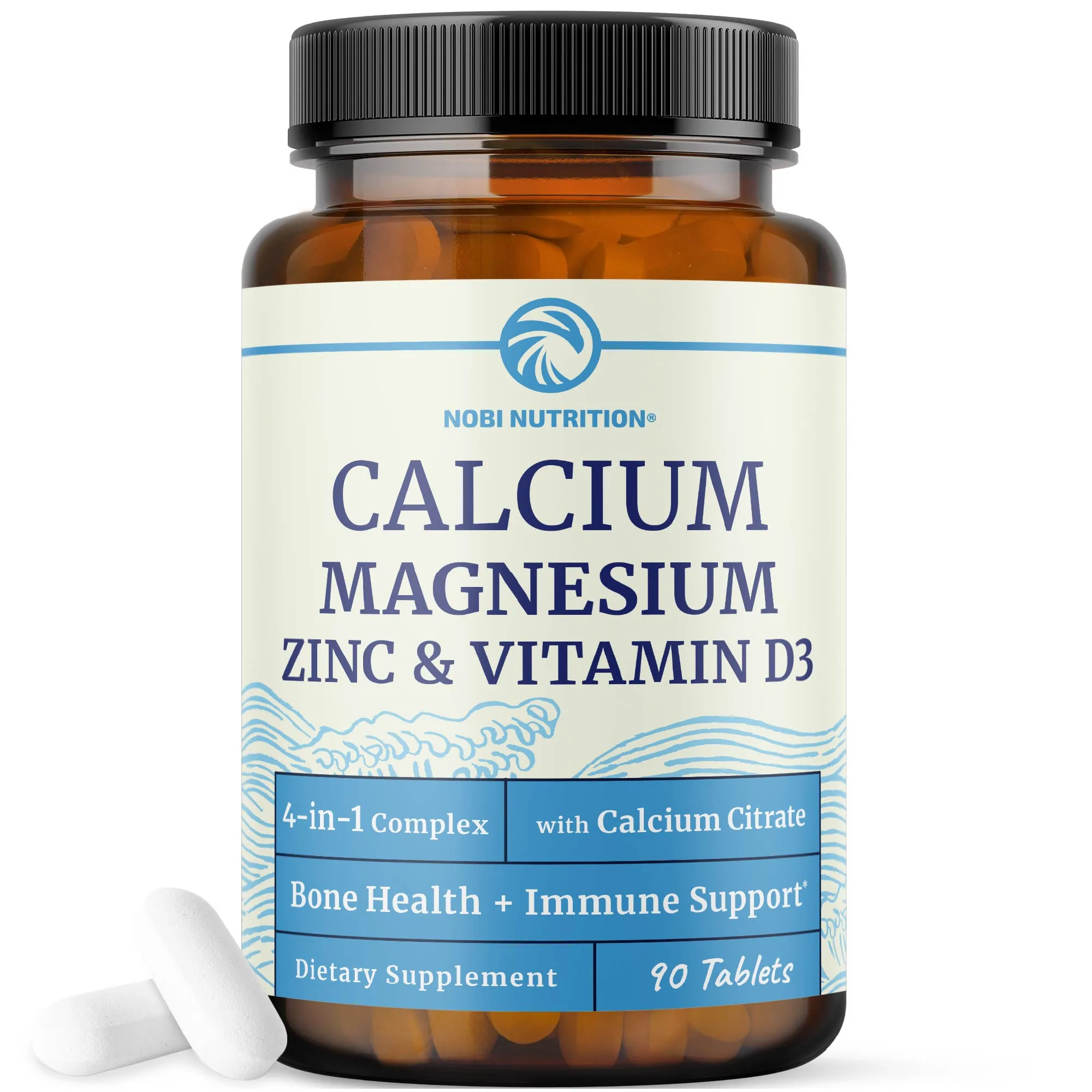
Calcium, Magnesium, Vitamin D, and Zinc Tablets
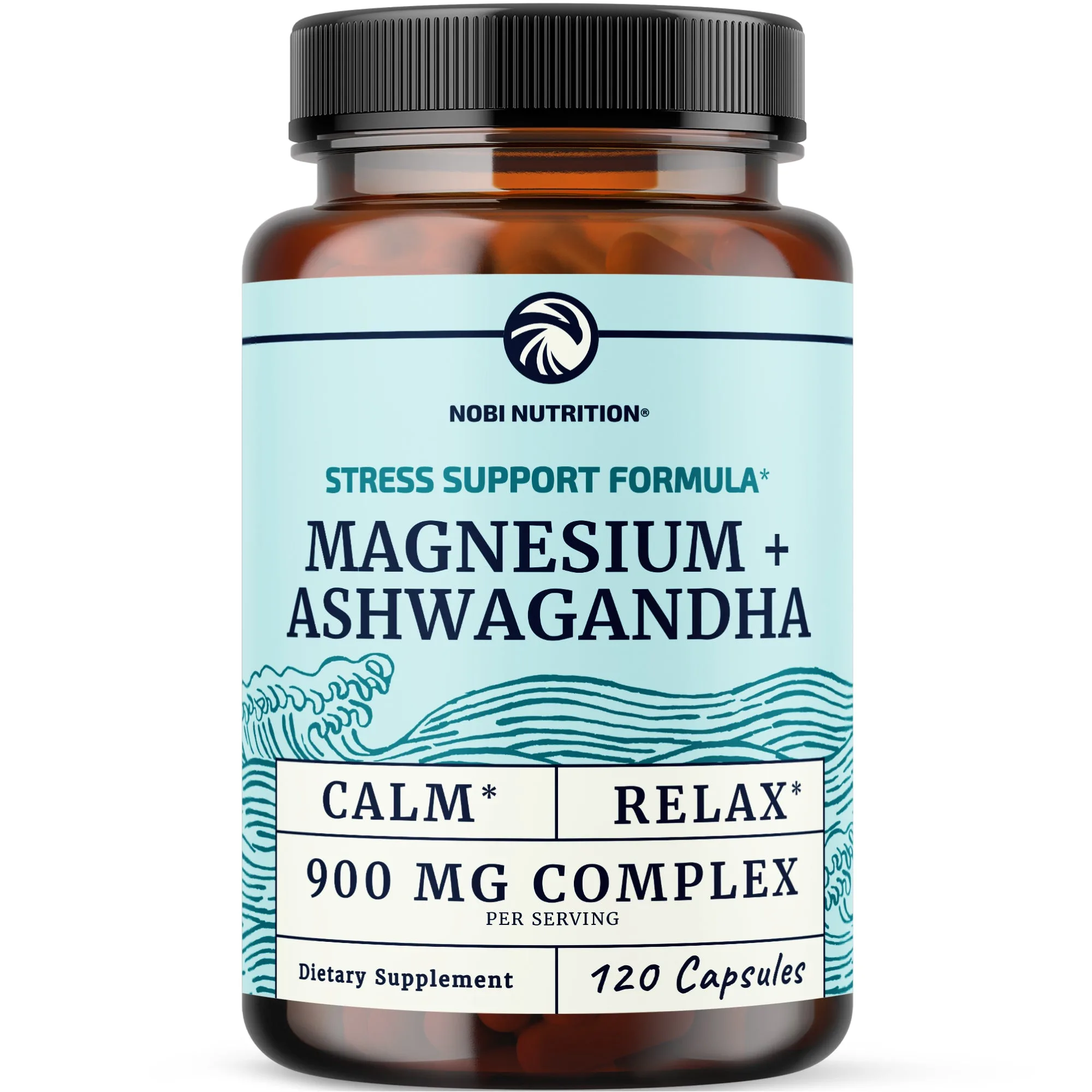
For stress and sleep support, Magnesium + Ashwagandha Capsules pairs magnesium with ashwagandha, an adaptogen known to reduce stress and improve sleep quality, which is particularly beneficial for aging adults.
- Magnesium Bisglycinate 400mg Capsules – high absorption, gentle on stomach
- Calcium, Magnesium, Vitamin D, and Zinc Tablets – bone health combo
- Magnesium + Ashwagandha Capsules – stress relief and sleep support
Lifestyle Tips to Boost Magnesium Levels Naturally
While supplements are effective, incorporating magnesium-rich foods into your diet is also important. Leafy greens, nuts, seeds, whole grains, and legumes are excellent sources. However, soil depletion and food processing can reduce magnesium content, making supplementation a reliable way to ensure adequate intake.
Additionally, reducing alcohol and caffeine intake, managing stress, and getting regular exercise can help improve magnesium utilization and overall health. Remember to stay hydrated, as water also contributes to mineral balance.
- Eat more spinach, almonds, pumpkin seeds, and black beans
- Limit alcohol and caffeine, which can deplete magnesium
- Practice stress-reducing activities like yoga or meditation
Magnesium is a cornerstone of healthy aging, supporting everything from bone strength to heart health and cognitive function. By choosing a high-quality supplement and making mindful lifestyle choices, you can maintain your vitality and enjoy a higher quality of life. Explore our range of premium magnesium supplements to find the perfect fit for your health journey.