Quick answer
A Rolife book nook kit is a good first miniature build if you want a guided project with pre-cut parts and a clear result, not a free-form craft. Buy one kit, add basic tools like a craft knife, tweezers, and glue, and expect a weekend-scale build rather than a one-hour project. If you dislike small parts or long assembly sessions, choose a different kit category.
What a miniature bookshelf insert actually asks of you
A book nook is a shelf insert that sits between books and shows a small scene. The Rolife Magic House DIY Book Nook Kit is a fairy-tale cottage scene with hand-assembled wooden details, warm LED lighting, and miniature accents. That combination tells you the build involves structure, decoration, and wiring, so it is closer to a model kit than a paper craft. You are not inventing the design; you are following steps and fitting parts.
- Pre-cut wooden parts reduce measuring and cutting, but you still sand, fit, and glue.
- LED lighting means you handle small wires and a battery or power source.
- Miniature accents are the part most likely to test your patience and fine motor control.
Book nook difficulty levels and how to read them
Difficulty labels vary by brand and seller, so treat them as relative, not standardized. The reliable signals are part count, whether lighting is included, and how much painting or customizing is required. A kit with lighting and many tiny accents sits above a simple room box. If a listing does not state the number of parts or the estimated build time, that is a real limitation: you cannot compare it precisely to another kit, so judge by the scene's complexity instead.
- Beginner-friendly: fewer parts, no wiring, mostly snap or glue assembly.
- Intermediate: includes lighting or a detailed facade with many small pieces.
- Advanced: heavy wiring, painting, or custom scene work beyond the instructions.
Book nook tools needed before the box arrives
Most kits include the main materials, but not always the tools. Gather these before you start so you are not stopping mid-build: a craft knife or small flush cutters, fine tweezers, craft glue with a precision tip, a small cutting mat, and a soft brush for dust. A headlamp or desk lamp helps because miniature work happens in shadow. Keep a small tray for loose parts; losing one tiny accent is the most common beginner setback.
- Do not substitute hot glue for craft glue on visible seams; it strings and bulks up.
- Test the LED circuit before final assembly, not after the scene is sealed.
- Work on a surface you can leave set up for a few days.
Time, space, and the honest trade-offs
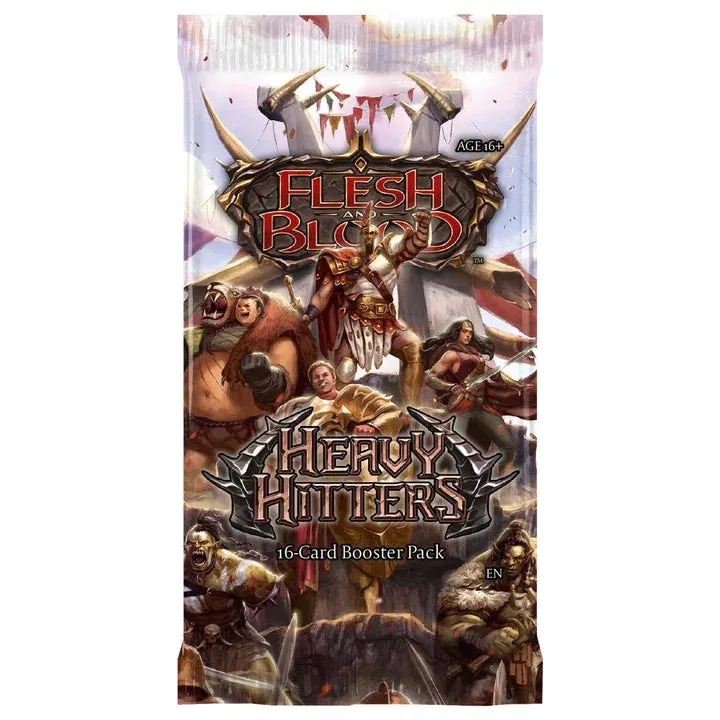
A detailed book nook is a multi-session project. Expect to spread it over several evenings or a weekend, with drying time between steps. The trade-off is that a slower build usually looks better and is less frustrating than rushing glue and wiring. Space matters too: the finished insert needs a shelf gap deep enough to hold it, and you need a workspace where small parts will not be knocked onto the floor. If you want a quick gift, a book nook is not the fastest option; a booster pack or a cookbook is.
- Measure your shelf depth before buying any insert-style kit.
- Plan for drying time; do not schedule the build the night before gifting.
- If you have pets or small children, build in a room you can close off.
Decision rules for choosing your first book nook
- Choose a lit kit only if you will finish it: Lighting adds wiring steps and a test point. If you tend to abandon long projects, start with an unlit scene or a simpler DIY kit. Unfinished lit kits are the most common regret.
- Match the scene to your shelf, not your Pinterest board: Measure the shelf gap and depth first. A miniature bookshelf insert that does not fit becomes a boxed project. Measure twice, buy once.
- Buy tools with the kit, not after: Tweezers, precision glue, and a craft knife are cheap and turn a frustrating build into a smooth one. Budget a small amount for tools alongside the kit.
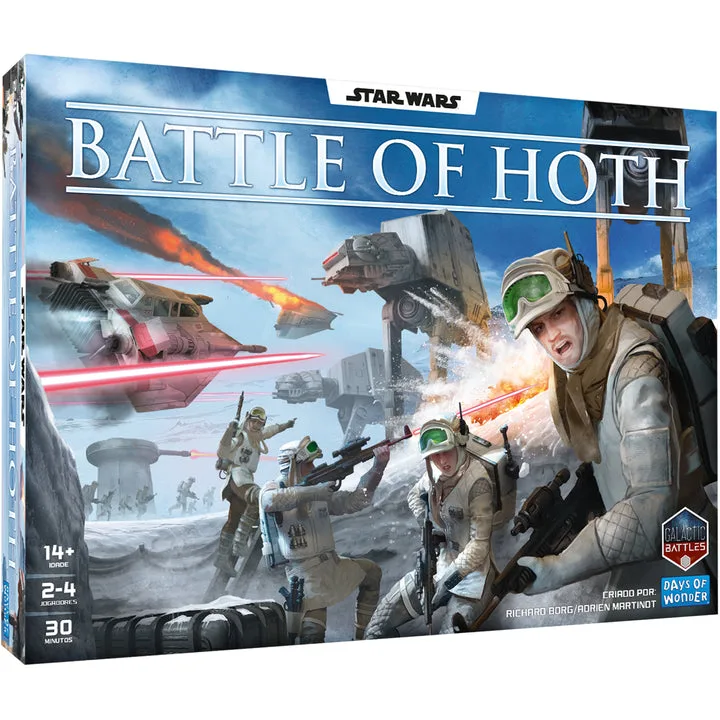
- Pick a different category if you want immediate play: A board game like Star Wars: Battle of Hoth or a booster pack delivers fun on day one; a book nook delivers a display piece after hours of work. Match the product to the evening you actually want.
Product facts that affect your decision
- Rolife Magic House DIY Book Nook Kit | Miniature Bookshelf Insert: Rolife Magic House DIY Book Nook Kit is a miniature bookshelf insert with hand-assembled wooden details, warm LED lighting, and fairy-tale cottage accents. The lighting and tiny accents are the two features that most affect build difficulty, so this is a project for someone comfortable with small parts and a little wiring.
- Star Wars: Battle of Hoth: Star Wars: Battle of Hoth is a fast-paced miniatures strategy game for 2 players where you command either the Imperial Army or the Rebel Forces. If you want a two-player tabletop experience rather than a solo display build, this is the better fit for game night and needs no crafting tools.
Who should buy a Rolife book nook kit
Best for
- Patient beginners who enjoy guided miniature assembly and want a display piece
- Readers who want a themed insert to sit between books on a shelf
- Gift-givers shopping for a crafty teen or adult who likes detailed projects
Not for
- Shoppers who want a finished decoration out of the box
- Anyone with limited shelf depth or no dedicated workspace
- People who prefer instant two-player gameplay over a solo build