Quick answer
For a studio or small apartment, choose a room and linen spray when you want scent on fabrics, bedding, and pillows, and choose an incense-style air freshener when you want a slower, room-filling burn that doesn't require spraying. Many small-space residents keep both: a linen spray for bedding and a low-smoke incense for the bathroom or entryway. The trade-off is speed versus duration, and fabric contact versus open-air diffusion.
How the two formats actually work in a small space
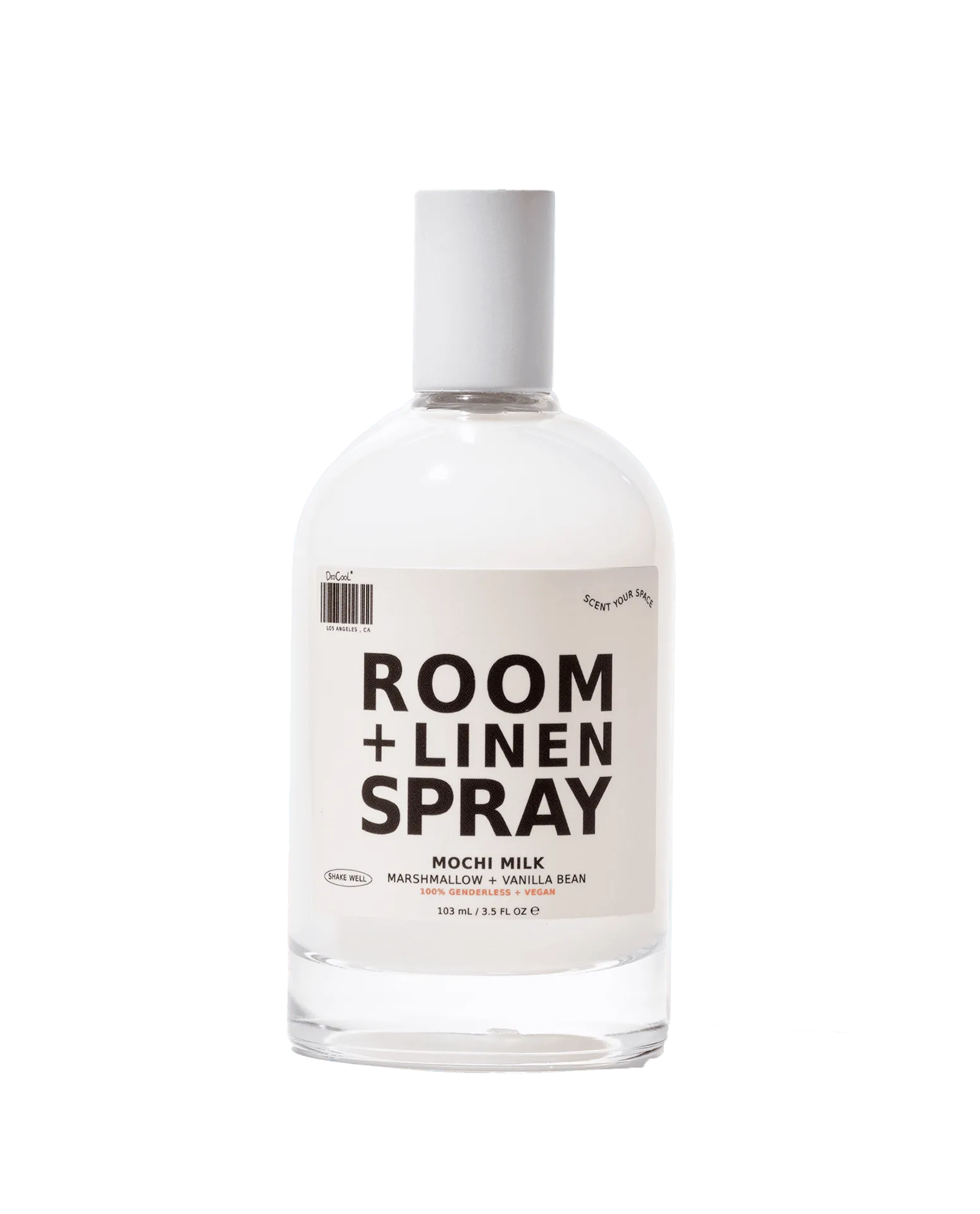
A room and linen spray delivers fragrance in a fine mist you aim at pillows, sheets, or the air. Because it lands on fabric, it can leave a noticeable scent on bedding and upholstery, which is why linen spray for bedding is a common request in small apartments where the bed doubles as a sofa. The trade-off is that the scent is strongest right after spraying and fades as the fabric dries.
An incense-style air freshener works by releasing scent as the stick burns. It doesn't touch fabric, so it won't scent your sheets, but it can keep a steady aroma going in a bathroom, hallway, or entryway without repeated spraying. In a studio, that steady release can be helpful, but it also means the scent is present for the full burn time rather than only when you choose to spray.
Which home fragrance lasts longer?
Duration depends on the format, not just the fragrance. A spray's scent life is tied to how much mist lands on fabric and how quickly that fabric dries, so it fades faster on a bare shelf than on a pillowcase. Incense releases scent for the length of the burn, so it can outlast a single spray session, but it stops when the stick finishes.
For a small apartment, the practical answer is that neither format lasts all day on its own. A spray gives you control and instant impact; incense gives you a longer, hands-off window. If you want continuous background scent, incense is the better fit. If you want to refresh bedding right before sleep, a linen spray is the better fit.
Placement rules for studios and small apartments
In a studio, the bed, desk, and kitchen are often within a few feet of each other, so where you place scent matters more than how much you use. Keep sprays pointed at linens and away from electronics, and let the mist settle before lying down. For incense, place the holder on a stable, heat-safe surface away from curtains and paper, and keep it out of walkways.
Bathrooms are a separate case. An air freshener for bathroom use benefits from incense because it can run while you're getting ready and doesn't require you to spray near the toilet or shower. A small spray kept on the sink is better for quick touch-ups between burns.
Scent layering without overwhelming a small space
Small rooms concentrate fragrance, so layering more than two scents usually reads as muddled rather than rich. Pick one format for bedding and one for the room, and keep them in the same scent family if possible. If you use a laundry-inspired bundle for linens, keep the room scent simple so the two don't compete.
A useful test: after 20 minutes, step out and back in. If the scent hits you at the door, you've used too much for the square footage. Reduce the spray distance or shorten the incense burn rather than switching products.
Trade-offs to weigh before you buy
- Speed vs. duration: A room and linen spray gives instant scent that fades as fabric dries; incense releases scent for the length of the burn but stops when the stick finishes. Choose spray for quick refreshes, incense for a longer background window.
- Fabric contact vs. open air: Spray can scent pillows, sheets, and upholstery directly, while incense only scents the air and never touches bedding. If bedding scent matters, spray is the only one of the two that delivers it.
- Upfront vs. ongoing supplies: Incense requires a holder and sticks, and the holder is sold without sticks included, so the format carries a recurring supply cost that a spray bottle does not. Factor in replacement sticks if you plan to burn regularly.
- Control vs. hands-off: Spray lets you decide exactly when and where scent appears; incense runs on its own once lit, which is convenient but less precise in a small room. Studios with limited ventilation may prefer the spray's on-demand control.
Product facts for this comparison
- DedCool x Brooklinen Sleep Mode Mini Pillow Spray: DedCool x Brooklinen Sleep Mode Mini Pillow Spray is a room and linen spray designed to bring a gentle scent to pillows, sheets, and the bedroom environment. It's the format that actually contacts fabric, so it fits linen spray for bedding and pre-sleep routines in a studio where the bed is central.
- Incense in Mochi Milk: DedCool Incense in Mochi Milk is an air freshener for home use in a standard single unit, part of the DedCool collection known for minimalist and refined fragrances. It gives a slower, hands-off room scent that suits a bathroom or entryway where you don't want to spray near surfaces.
- Incense Holder in 01 "Taunt": DedCool Incense Holder in 01 "Taunt" is designed for use with standard incense sticks, which are not included, and is part of the DedCool home collection. You need a holder to burn incense safely, and this one is built for standard sticks, so budget for sticks separately.
- Laundry Day Set: The Laundry Day Set is a curated bundle centered on the Laundry Day scent, intended for refreshing linens, clothing, and living spaces. If you want one scent across bedding and living space, a bundle keeps the small-apartment scent profile consistent instead of layering mismatched fragrances.
Which should you choose?
Best for
- Studio and small-apartment residents who want scent on bedding and pillows
- Pre-sleep routines where a linen spray for bedding is the priority
- People who want on-demand control over when scent appears
Not for
- Anyone who wants continuous background scent without spraying, who should choose an incense-style air freshener
- Households that need to avoid open flame or smoke, who should skip incense entirely
- Buyers who want one product to cover both bedding and room scent, who may prefer a bundle