Choosing the right headcollar for your horse is more than a style decision—it affects comfort, safety, and everyday handling. Two of the most popular options are rope headcollars and leather headcollars, each with loyal fans and distinct characteristics. In this headcollar comparison, we’ll break down the pros and cons of each type to help you decide which is better for your horse, your handling style, and your budget.
Whether you’re leading a young horse for the first time, turning out a seasoned companion, or preparing for a show, the headcollar you pick matters. Rope headcollars are praised for their durability and pressure-point control, while leather headcollars offer classic elegance and a traditional feel. Let’s explore the key differences so you can make an informed choice.
Understanding Rope Headcollars
Rope headcollars are made from braided polypropylene or nylon rope, typically 8–10 mm thick. They are known for their strength and minimalistic design. The thin rope applies pressure to specific acupressure points on the horse’s head, which can enhance communication and control, especially for groundwork and natural horsemanship. Many trainers prefer them for their responsiveness and the clear signals they send.
However, rope headcollars require correct fitting and handling. If left on during turnout or used harshly, they can cause rubs or pressure sores. They are also less forgiving than leather if a horse pulls back. Despite this, they are extremely durable, easy to clean, and often more affordable. For daily handling and groundwork, a rope headcollar can be a fantastic tool.
- Ideal for groundwork and natural horsemanship
- Apply pressure for clearer communication
- Durable and weather-resistant
- Require careful fitting to avoid rubs
Understanding Leather Headcollars
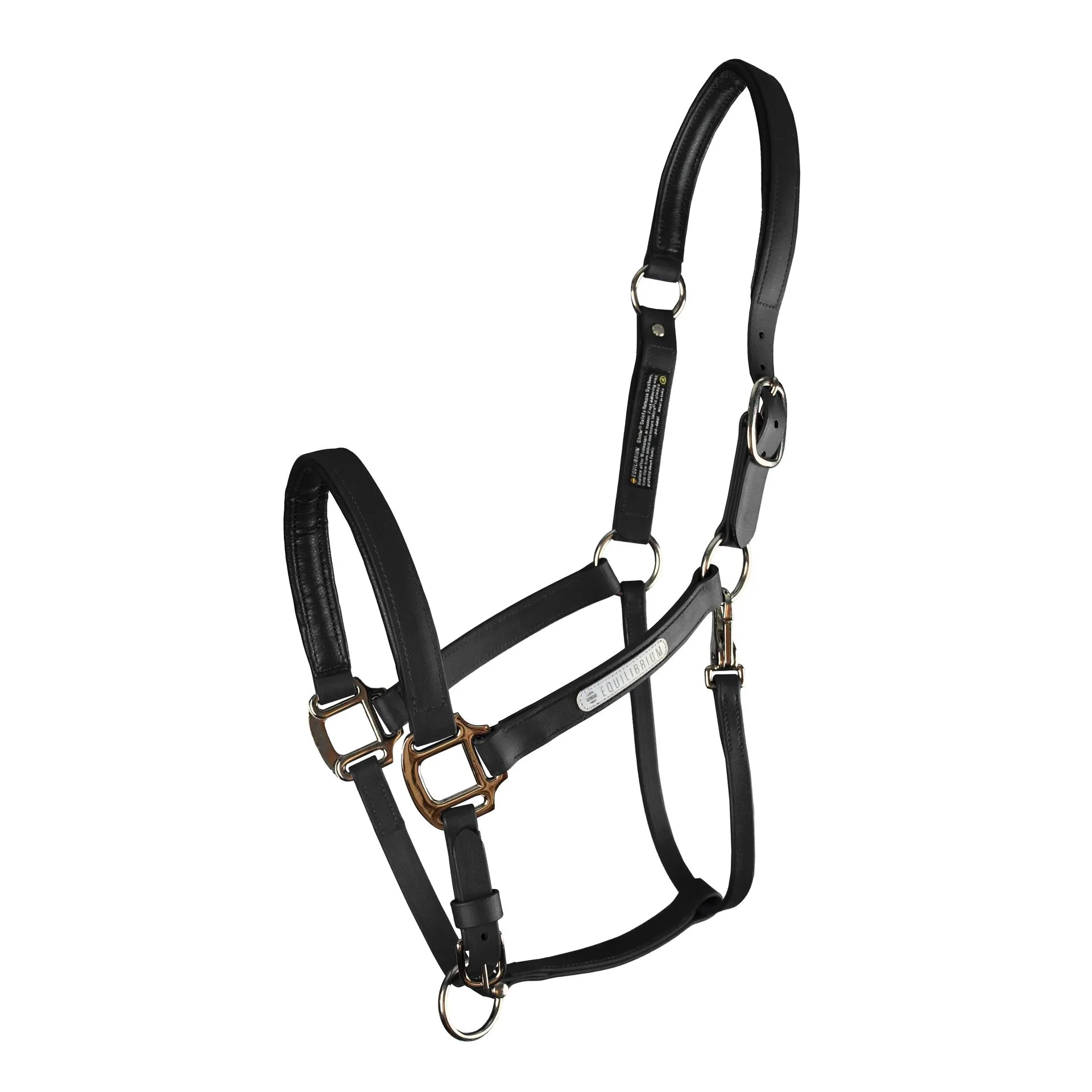
Leather headcollars are the traditional choice, often seen in show rings and everyday stable life. They are made from high-quality leather, which is soft, supple, and molds to the horse’s head over time, offering a comfortable fit. Leather headcollars are gentle on the skin and less likely to cause rubs, making them suitable for horses with sensitive skin or those who wear a headcollar for extended periods.
On the downside, leather requires regular maintenance—cleaning, conditioning, and careful storage—to prevent cracking and drying. It is also more expensive than rope and can be damaged by chewing or constant exposure to moisture. However, many horse owners appreciate the classic look and the feeling of durability that a well-made leather headcollar provides.
- Classic, elegant appearance
- Soft and comfortable for sensitive skin
- Molds to the horse’s head over time
- Requires regular cleaning and conditioning
Key Differences: Durability, Comfort, and Safety
When it comes to durability, rope headcollars win hands down. They are nearly indestructible, resistant to weather, and won’t crack or rot. Leather, while sturdy, needs more care and can weaken over time if not maintained. If your horse lives out or you need a headcollar that can withstand the elements, rope is the better choice.
Comfort is a different story. Leather is generally more comfortable for the horse, as it is softer and less abrasive. Rope, though, can be comfortable if fitted correctly, but it applies more concentrated pressure, which some horses find annoying. For horses with sensitive skin or those that wear a headcollar for long periods, leather is often preferred.
Safety-wise, both types have pros and cons. Rope headcollars are less likely to break, which is good for control, but if a horse gets caught on something, a leather headcollar may break more easily, preventing injury. Many owners choose a leather headcollar for turnout and a rope one for training. Ultimately, the best choice depends on your horse’s temperament and your management practices.
- Rope: more durable, weather-resistant, but can cause rubs if ill-fitting
- Leather: more comfortable, classic, but requires maintenance
- Safety: leather may break under pressure, rope is stronger
Which Should You Choose?
The answer depends on your primary use. If you do a lot of groundwork, natural horsemanship, or need a headcollar for traveling and daily handling, a rope headcollar is an excellent investment. It offers clear communication and long-lasting durability. For everyday stable wear, showing, or for horses with delicate skin, a leather headcollar is a beautiful and comfortable option.
Many horse owners keep both types in their tack room. For example, you might use a rope headcollar for lunging and a leather one for turn out or in the stable. Consider your horse’s personality: a sensitive horse may do better with leather, while a strong horse might need the control of rope. Also, think about your climate—if you live in a rainy area, rope is more practical.
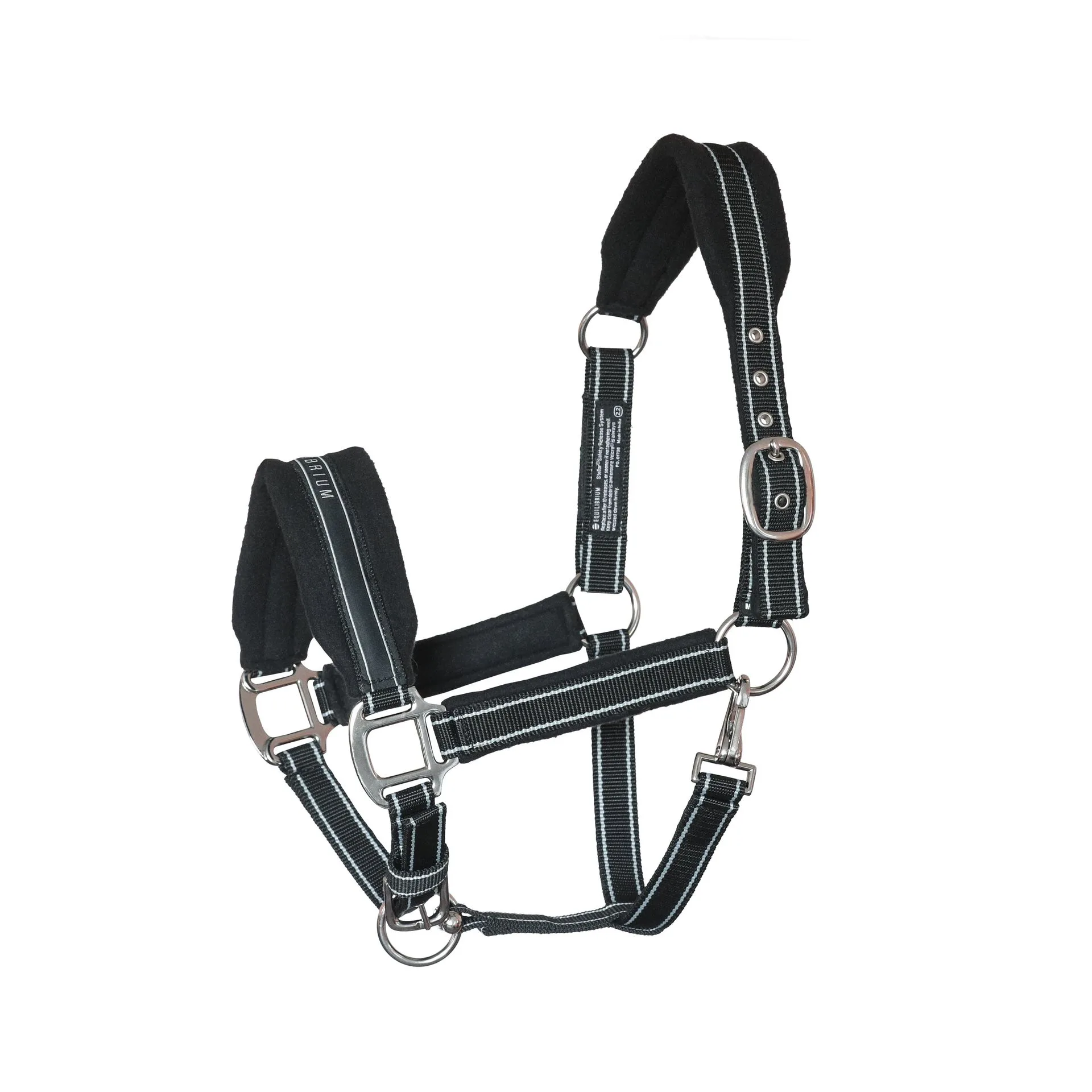
When making your choice, also consider the quality of the product. Look for well-crafted headcollars from reputable brands. Our store offers a range of headcollars and leadropes designed with both comfort and durability in mind. For instance, the Stellar leadrope is a great companion to any headcollar, and our headcollar collection includes options that suit various needs.
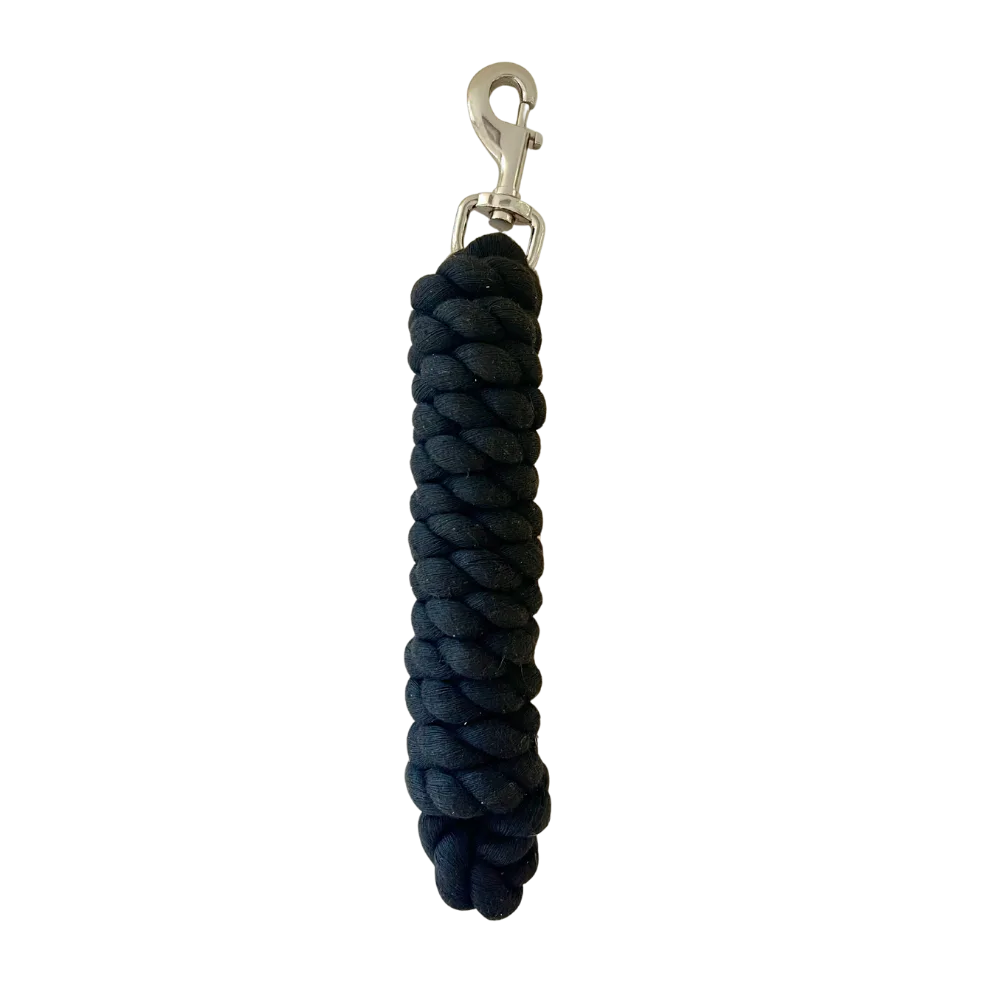
Stellar leadrope
- Assess your horse’s sensitivity and handling needs
- Consider your climate and maintenance routine
- Invest in quality for safety and longevity
In the rope vs leather headcollar debate, there is no one-size-fits-all answer. Both types have their strengths and weaknesses. Rope headcollars offer unmatched durability and control, while leather headcollars provide comfort and classic style. By understanding your horse’s needs and your own handling preferences, you can choose the headcollar that will keep your horse happy and safe. Explore our headcollar collection to find the perfect match for your equine partner.