What Rose Chai Actually Is
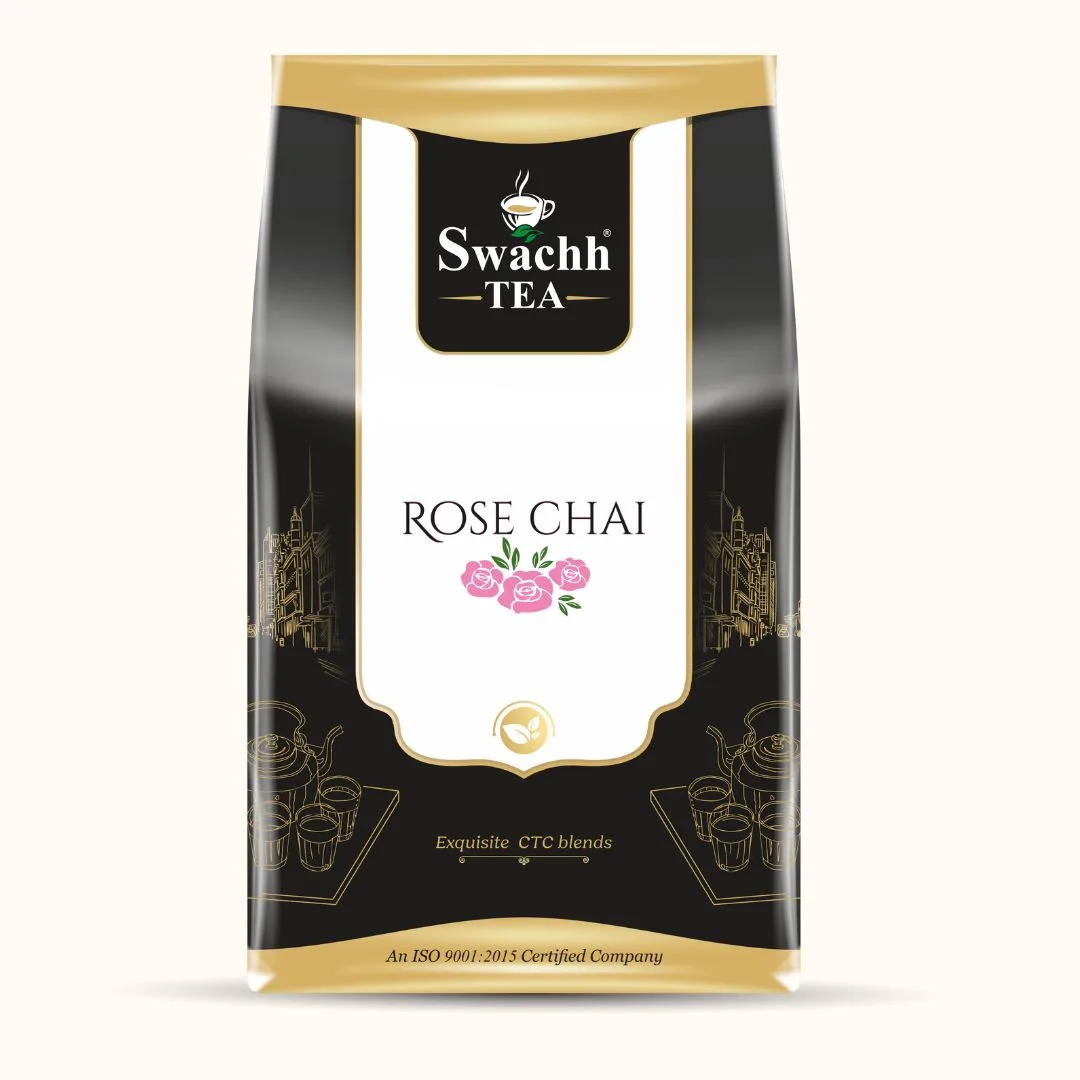
Rose Chai from Swachh Tea is a blend of CTC black tea and rose petals. That combination is the whole story: a bold, brisk tea base carrying a sweet floral note. It is not a rose-flavored syrup or a tisane with no caffeine—the CTC tea is the foundation, and the rose is the accent.
If you are shopping for a floral chai blend for cafes or for a more interesting everyday cup, the key question is whether you want the rose to lead or the tea to lead. This blend is built the other way around from a delicate floral green tea: the CTC base is described as robust, with the rose petals complementing rather than covering it.
What the Product Record Confirms
-
Rose Chai: Rose Chai is made with CTC black tea and rose petals. This tells you the base style and the flavor source before you buy—no guessing whether it is a black tea, green tea, or herbal blend.
Rose Chai
-
Rose Chai: The blend is described as having bold CTC black tea notes with a sweet floral rose essence. This is the flavor profile in the brand's own words, so you can judge whether you want a tea-forward cup or a flower-forward one.
-
Rose Chai: The product is listed as organic and made with ingredients free from harmful chemicals and pesticides. If organic sourcing matters to your buying decision, this is a stated attribute of the blend.
-
Rose Chai: The available pack size is a 250g box. One pack size keeps the decision simple, but it also means you should consider how quickly you will finish 250g before committing.
The Flavor Trade-Off: Tea First, Rose Second
The record describes the CTC black tea as the robust base and the rose petals as a complement. In practice, that means you should expect a recognizable chai—strong, malty, and built for milk—with a floral lift rather than a rose-first experience. If you want a cup where rose dominates, this may read as too tea-forward. If you want a chai that smells like roses but still tastes like chai, that is exactly the balance described.
The same record also lists rose petals as an Ayurvedic ingredient with traditional associations such as calming aroma, digestive support, and antioxidant content. Those are traditional framing, not brewing instructions or medical claims. Treat them as context for why rose is in the blend, not as a promised outcome of drinking it.
How to Brew Rose Chai: What the Record Does and Does Not Say
The product information gives serving ideas but no measured brewing instructions—no water temperature, steep time, or tea-to-milk ratio. That is a real limitation if you want a precise starting point. What it does confirm is the intended methods: steep the loose leaf in hot water with milk and sweetener for a classic chai, brew strong and chill for iced rose tea, or combine brewed chai with steamed milk for a latte.
Because the CTC base is described as bold, the safest approach is to brew a small test cup first and adjust from there. Start with your usual chai habit—whatever tea-to-water ratio you already use for a CTC blend—then taste for two things: whether the rose comes through, and whether the tea turns bitter. If the rose is faint, a slightly stronger brew may help; if the cup is harsh, shorten the steep or add milk. The record does not specify a ratio, so your own taste is the only reliable guide.
For a rose chai milk tea, the latte method in the record is the clearest path: brew the chai, then combine with steamed milk. The record does not give a milk-to-tea proportion, so treat your first attempt as a calibration, not a recipe.
Buying Checklist for a Floral Chai Blend
- Decide whether you want tea-forward or rose-forward: This blend is described as CTC-led with rose as a complement. If you want rose to dominate, look for a blend where rose is the primary ingredient—or plan to add your own rose petals.
- Check the pack size against your drinking rate: The 250g box is the only listed size. If you drink one cup a day, estimate how many weeks that lasts before you buy a second box.
- Confirm your brewing method fits the record: The record supports hot chai with milk, iced tea, and lattes. If you only drink plain steeped tea without milk, the bold CTC base may feel intense—consider whether you want that.
- Treat health framing as tradition, not instruction: The record mentions Ayurvedic associations for rose petals. It does not provide dosage, medical advice, or guaranteed benefits. Buy for flavor and enjoyment first.
What the Record Does Not Tell You
The supplied information does not include a caffeine statement, allergen declaration, shelf-life date, or precise steeping parameters. It also does not confirm whether the blend contains additional spices or flavorings beyond CTC tea and rose petals. If any of those details are decisive for you—especially allergens or caffeine—ask the seller before purchasing rather than assuming.
The record does state that the blend is handcrafted in small batches and made with organic ingredients, and that the brand works with fair-trade partners. Those are sourcing and production claims from the brand, not independent certifications listed in the record. They are worth weighing as brand context, but they are not a substitute for a label check if you have strict requirements.
Who This Rose Chai Suits
This blend is a good fit if you already enjoy CTC chai and want a floral variation that still tastes like tea with milk. It also suits anyone building a café-style menu who wants a recognizable chai base with a point of difference—the rose note is distinct without requiring special equipment. The 250g box is a reasonable size for a household that drinks chai regularly or for a small café testing a new option.
It is a weaker fit if you dislike bold black tea, if you need a caffeine-free cup, or if you want rose to be the dominant flavor. In those cases, a rose green tea or a pure floral tisane would be a more direct match. For everyone else, the decision comes down to whether the tea-first, rose-second balance described in the record is the cup you want.