Quick answer
Pure rosewater is a single-ingredient distillate that hydrates and refreshes skin, while a rosewater toner typically blends rosewater with other beneficial ingredients like glycerin or botanical extracts for targeted skin concerns. Choose pure rosewater for a simple, natural mist, or opt for a toner if you need extra hydration, oil control, or anti-aging benefits. For a luxurious Ayurvedic option, consider the Cooling Body Mist Mogra, which offers similar refreshing properties.
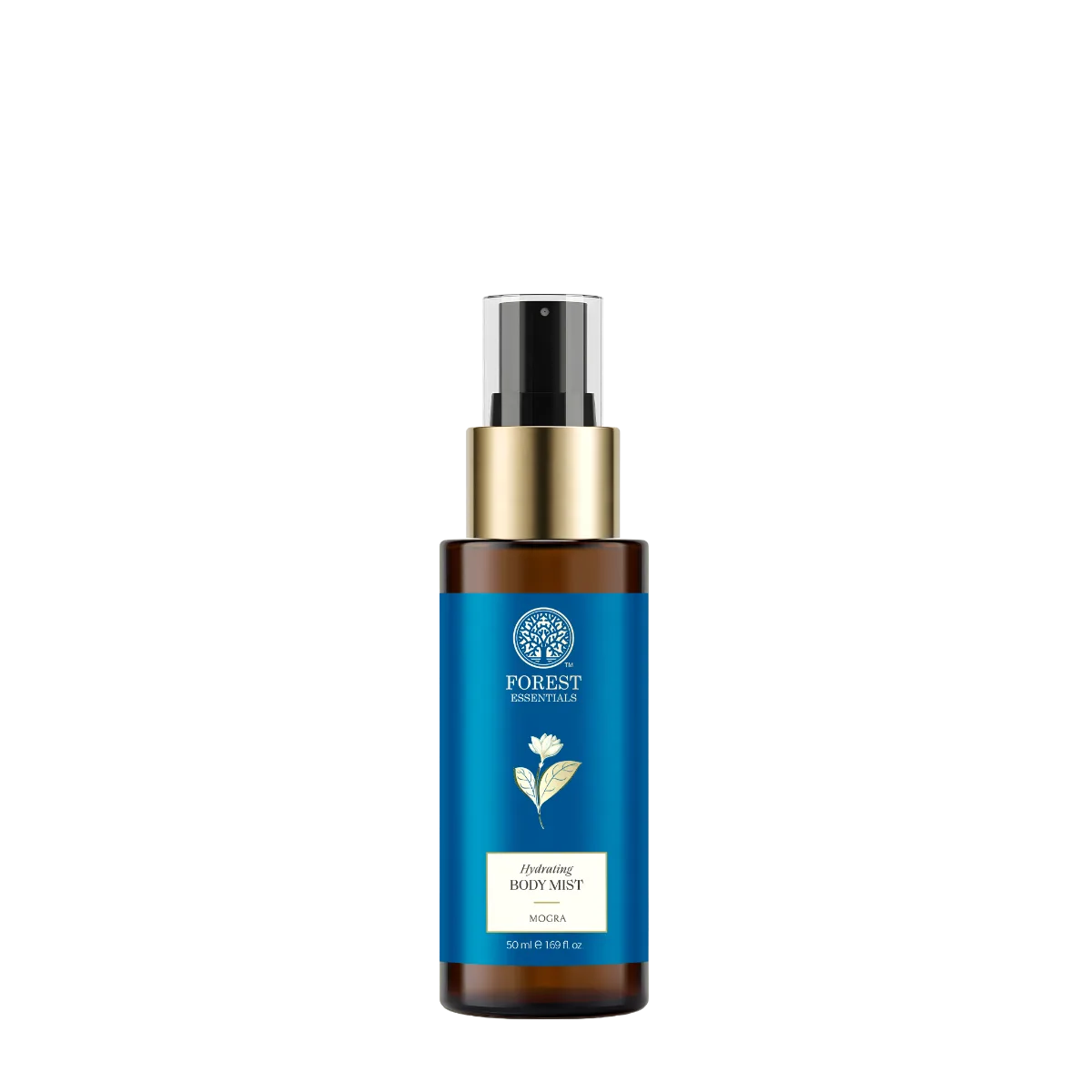
Cooling Body Mist Mogra
Rosewater has been a skincare staple for centuries, cherished for its soothing and hydrating properties. But with the rise of 'pure rosewater' and 'rosewater toners' on the market, it's easy to get confused. Are they the same? What's the real difference, and which one should you add to your routine?
In this comparison, we'll break down the key differences between pure rosewater and rosewater facial toners, explore their benefits, and help you decide which is best for your skin type. Plus, we'll look at how Ayurvedic beauty products like the Cooling Body Mist Mogra fit into the picture.
What Is Pure Rosewater?
Pure rosewater is the aromatic water produced by steam-distilling fresh rose petals. It contains only the natural essence of roses and water, with no added ingredients or preservatives. This makes it a gentle, natural option for all skin types, especially sensitive or irritated skin.
Pure rosewater is incredibly versatile. It can be used as a facial mist, a makeup setting spray, a cooling compress, or even a natural perfume. Its anti-inflammatory properties help soothe redness and puffiness, while its hydrating nature gives an instant boost of moisture.
- Single-ingredient, natural, and gentle
- Ideal for sensitive skin and daily refreshment
- Can be used for multiple purposes beyond toning
What Is a Rosewater Facial Toner?
A rosewater facial toner is a skincare product that typically contains rosewater as a base but also includes additional active ingredients. These can include humectants like glycerin or hyaluronic acid for extra hydration, astringents like witch hazel for oil control, or botanical extracts for anti-aging benefits.
Because of these added ingredients, rosewater toners are formulated to address specific skin concerns. For example, a toner with salicylic acid might help with acne, while one with vitamin C could brighten dull skin. They are designed to be used after cleansing to prep the skin for serums and moisturizers.
- Formulated with additional beneficial ingredients
- Targeted benefits for oily, dry, or aging skin
- Typically used as a traditional toner in a skincare routine
Key Differences at a Glance
The main difference lies in the ingredient list. Pure rosewater is just that—pure. A rosewater toner is a blend. This means pure rosewater is more natural and less likely to cause irritation, but it may not provide the same level of targeted treatment as a toner.
Another difference is usage. Pure rosewater can be used liberally throughout the day as a refreshing mist. A toner is usually applied once or twice daily after cleansing and before moisturizing. Toners also often have a longer shelf life due to preservatives, while pure rosewater should be used within a few months.
- Pure rosewater: one ingredient, versatile, gentle
- Rosewater toner: multi-ingredient, targeted, routine-based
- Consider your skin's needs and how you plan to use the product
Tradeoffs: Pure Rosewater vs. Rosewater Toner
- Natural vs. Enhanced: Pure rosewater is 100% natural and free from additives, making it ideal for sensitive skin. Rosewater toners often contain additional ingredients that can provide extra benefits but may also increase the risk of irritation for some. If you have sensitive skin, start with pure rosewater and patch-test any toner.
- Versatility vs. Targeted Action: Pure rosewater can be used in many ways—as a mist, setting spray, or compress. A toner is designed specifically for post-cleansing to balance and prep the skin. Choose pure rosewater if you want a multi-purpose product; choose a toner if you want a dedicated skincare step.
- Shelf Life and Preservation: Pure rosewater has a shorter shelf life and may need refrigeration. Toners contain preservatives, so they last longer and are more convenient for travel. If you prefer clean beauty and don't mind a shorter lifespan, go with pure rosewater.
Ayurvedic Rose-Based Products to Consider
- Cooling Body Mist Mogra: This body mist is infused with steam distilled Mogra flower water to refresh and hydrate the skin. If you love the idea of pure rosewater but want a floral alternative, this mist offers similar refreshing and hydrating benefits in a convenient spray.
- Ayurvedic Bath and Body Care Products Online: Discover the best Ayurvedic bath and body care products range from Forest Essentials. Shop for natural body massage oils, body lotions, body mists, and more! This range includes a variety of toners and mists, allowing you to find the perfect rosewater-based product for your routine.
Which Should You Choose?
Best for
- Those with sensitive skin who want a simple, natural product
- People looking for a multi-purpose facial mist for refreshment and hydration
Not for
- Individuals with specific skin concerns like acne or hyperpigmentation who need targeted ingredients
- Those who prefer a product with a longer shelf life and more convenience
Ultimately, both pure rosewater and rosewater toners have their place in a skincare routine. If you value simplicity and natural ingredients, pure rosewater is a beautiful choice. If you want to address specific skin issues, a rosewater toner may be more effective. For a luxurious Ayurvedic option that combines the benefits of a mist, explore the Cooling Body Mist Mogra and experience the refreshing power of floral waters.