Quick Answer
A rotating car seat is worth it if you load and unload a child in a tight parking spot, a small backseat, or a low garage every day. The rotation lets you turn the seat toward you, buckle a wriggling child, then click it back into the rear-facing or forward-facing position. If your child is older, your car has generous rear legroom, or your budget is tight, a standard convertible still does the core job for less.
What a Rotating Car Seat Actually Changes
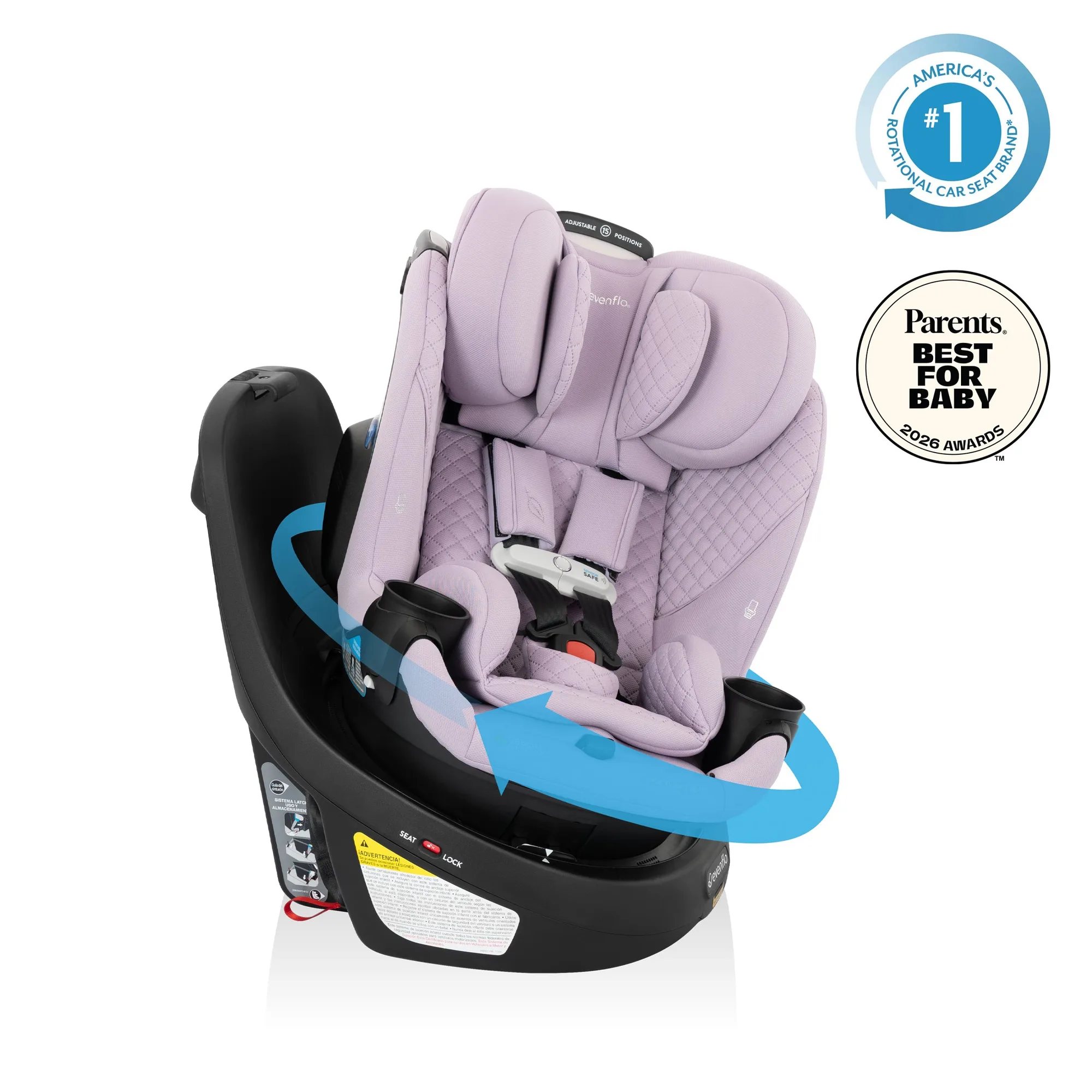
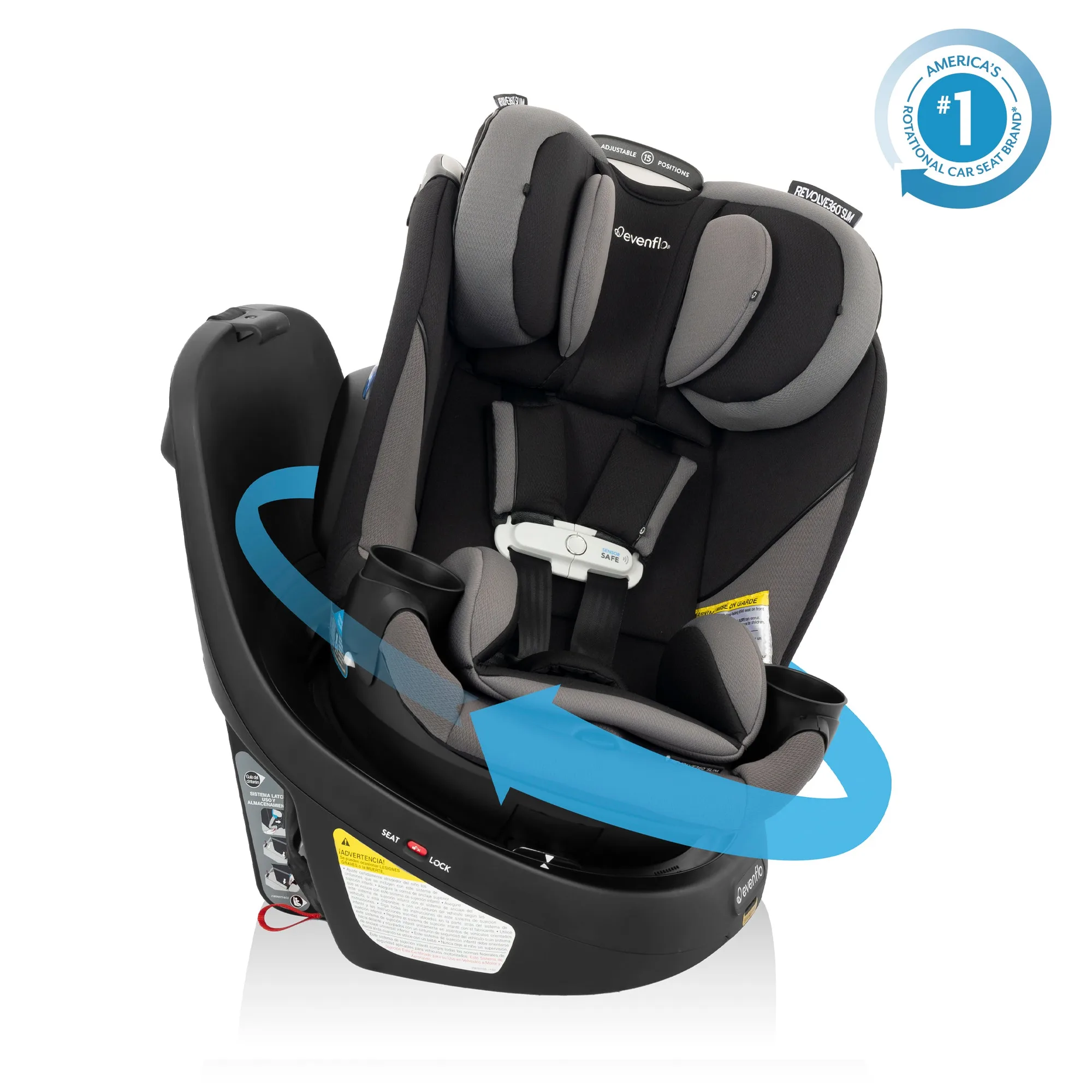
A rotating car seat adds a pivot base so the seat can turn toward the vehicle door. That single motion changes the hardest part of car seat use: reaching over the seat shell to tighten a harness while your child arches away. The rotation does not change crash protection requirements, so you still install it tightly, use the top tether when forward-facing, and follow the height and weight limits in the manual. What it changes is the number of awkward lifts and the amount of twisting you do in a doorway.
- You turn the seat, not your back, when loading.
- You can buckle a child while standing outside the car.
- You still need a tight install and correct harness fit every trip.
Rotating Car Seat vs Standard Convertible
A standard convertible is lighter, usually less expensive, and often narrower at the base because it has no rotating mechanism. A rotating model adds a base and pivot hardware, which can make the seat heavier to move between cars and slightly wider at the footprint. The trade-off is daily convenience versus occasional flexibility. If you switch cars often, a lighter standard convertible may be easier to reinstall correctly. If the seat stays in one vehicle and you load a child twice a day, the rotation earns its keep.
- Choose rotation for daily loading ease in one primary car.
- Choose standard for lighter weight and lower cost.
- Check the seat width and base footprint against your backseat before buying.
Are Rotating Car Seats Safe?
A rotating car seat is safe when it is installed and used exactly as the manual directs. The rotation feature is a loading aid, not a substitute for a tight install. The seat must lock into its rear-facing or forward-facing position before every trip, and you should hear or feel it engage. Rotating seats are also subject to the same federal safety standards as other car seats, so the deciding factor is correct installation and correct use, not the pivot itself. If the seat does not lock, or the base moves more than an inch at the belt path, stop and reinstall or contact the manufacturer.
- Confirm the seat is locked in the travel position before driving.
- Check the install at the belt path, not the rotating shell.
- Recheck the install after anyone else has used the seat.
Rotating Car Seat Installation: What to Expect
Installation follows the same steps as a standard convertible: route the seat belt or lower anchor strap, tighten, and check for movement. The difference is that the rotating base adds a step, because you must confirm the seat rotates freely and still locks into each mode. Read the manual for the rear-facing and forward-facing belt paths, because they can differ. If you use the lower anchors, check your vehicle manual for the allowed anchor position and weight limit. When in doubt, use a seat belt install, which has no lower-anchor weight limit.
- Install the base first, then attach and test the rotating seat.
- Test the rotation with the seat empty before placing your child in it.
- Recheck the install after tightening the harness or changing modes.
Features That Matter More Than the Spin
The rotation is the headline, but the limits and fit decide how long you use the seat. Look at the rear-facing weight and height range first, because rear-facing is the safest position for as long as the seat allows. Then check the forward-facing range and whether the seat converts to a booster if you want one seat to last longer. A slim width helps in a backseat with three across or a small SUV. Finally, check the harness adjuster and headrest, because you will use those every day, while you rotate only at loading.
- Rear-facing limits determine how long your child stays in the safest mode.
- Slim width matters if you carry passengers or a second car seat.
- A no-rethread harness saves time as your child grows.
Decision Rules for Buying a Rotating Car Seat
- Rule 1: Match the seat to your daily loading situation: If you park in a tight garage, a narrow spot, or lift a child into a tall SUV every day, a rotating seat reduces the reach and twist. If you have wide doors and a child who climbs in, the rotation adds cost without changing much. Buy for the loading you do most days, not the occasional trip.
- Rule 2: Check rear-facing limits before the spin: Compare the rear-facing weight and height range with your child's current size and growth curve. A seat that rotates but has a lower rear-facing limit may be outgrown sooner than a standard convertible with a higher one. The rear-facing range is the first number to compare.
- Rule 3: Measure your backseat before you commit: Rotating seats add a base and pivot hardware, so measure the seat width and the space between the seat and the front seats. A slim model such as a 16.9-inch rotating seat leaves more room for passengers or a second car seat. If you need three across, slim width beats extra features.
- Rule 4: Decide how long you want one seat to last: A 2-in-1 rotating seat covers rear-facing and forward-facing. A 4-in-1 convertible adds booster mode and is easier to move between cars. Pick based on whether you value daily rotation or a longer single-seat lifespan. Rotation for daily ease; 4-in-1 for the longest use.
Rotating and Convertible Options to Compare
- Revolve360 Slim 2-in-1 Rotating Car Seat: The Evenflo Revolve360 Slim 2-in-1 Rotational Car Seat is 16.9 inches wide and offers one-hand, 360-degree rotation with rear-facing from 4 lb to 50 lb and forward-facing from 30 lb. The slim width helps in a tight backseat, and the 2-in-1 rotating design covers rear-facing and forward-facing without a separate booster.
- All4Stages Slim 4-in-1 Convertible Car Seat: The Evenflo All4Stages Slim 4-in-1 Convertible Car Seat is designed as one seat from birth to booster and can transfer between family cars or rentals. If you want one seat for the longest possible span and move it between vehicles, a 4-in-1 convertible is the more flexible choice than a rotating 2-in-1.
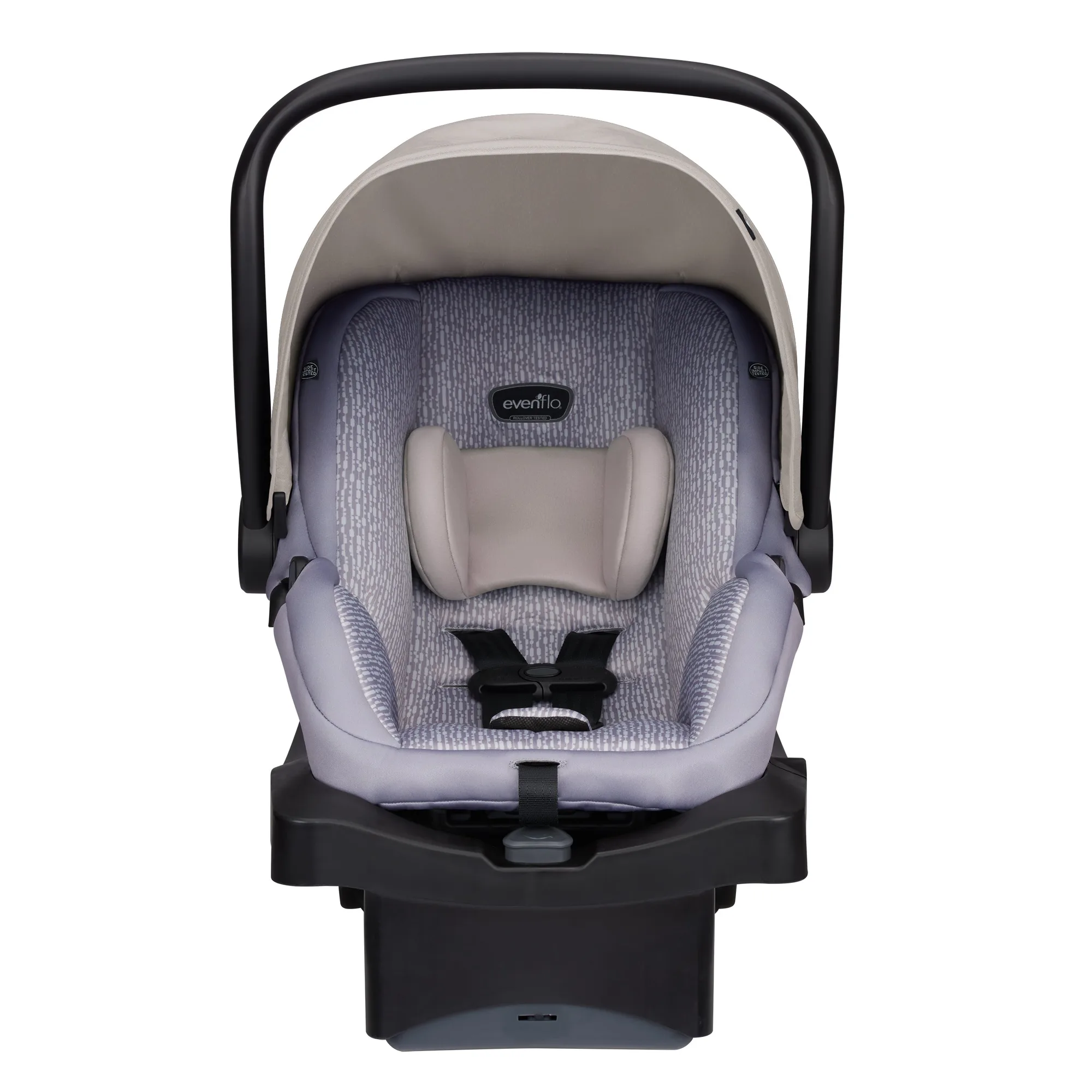
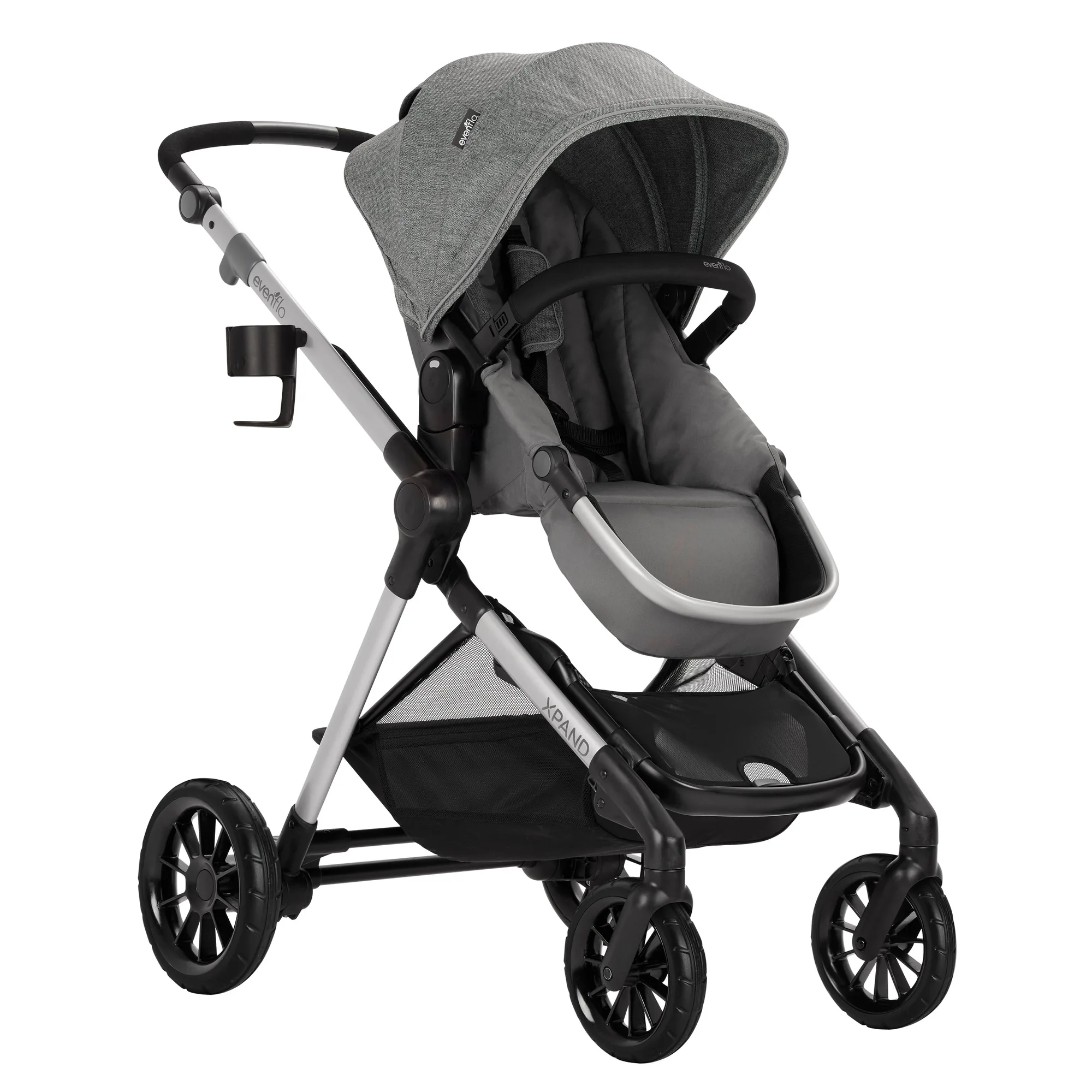
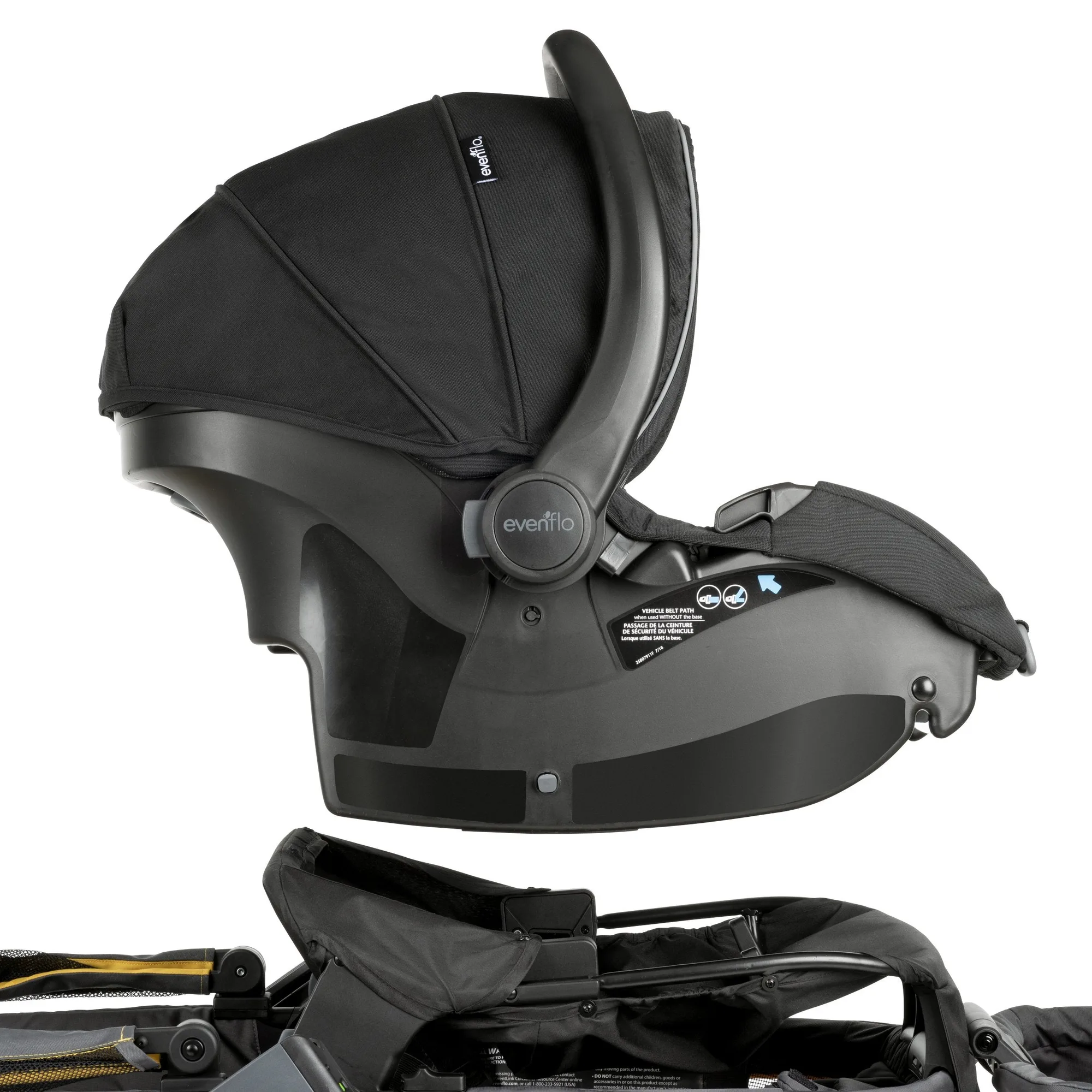
- Shyft DualRide Infant Car Seat and Stroller Combo: The Evenflo Shyft DualRide Infant Car Seat and Stroller Combo converts from infant car seat to stroller in one step, with wheels that retract for stairs. For parents who want rotation-like convenience outside the car too, this combo removes the separate stroller frame from the routine.
Is a Rotating Car Seat Right for You?
Best for
- Parents who load a child in a tight parking spot or small backseat every day
- Families who want one seat that covers rear-facing and forward-facing with easier buckling
- Caregivers with back, shoulder, or wrist strain from reaching over a standard car seat
Not for
- Parents who need the lightest possible seat to move between cars often
- Shoppers on a tight budget who do not mind a standard buckle-in routine
- Families whose child is already near the forward-facing limit of a 2-in-1 rotating seat
Before you buy, sit in your backseat with the door open and imagine your normal loading routine. If the reach is the hard part, a rotating seat solves a real daily problem. If the seat stays put and your child climbs in, put the money toward a convertible with a longer rear-facing range instead.