Quick answer
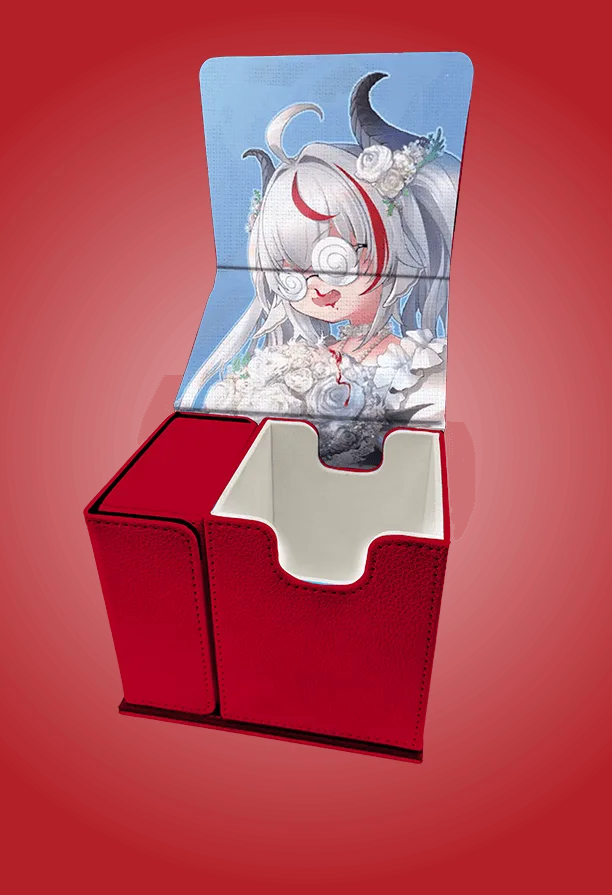
Pack for the session you are actually playing, not for the hobby at large. Bring one core RPG book plus a thin reference, one deck box or card case, one pack of sleeves, and a small dice and token pouch. If you are still deciding what to buy, start with a single RPG book you will run repeatedly, then add storage that matches your card format. A premium deck box such as Oshi Push Phase Alias: Premium Deckbox Remilia Nephys is worth it only if you already carry a deck regularly; otherwise a cheaper sleeve-and-box setup gets you to the table just as well.
Match the book to the campaign, not the shelf
The biggest mistake in RPG book buying is treating the core rulebook as a collectible. A book earns its place in your bag if you will open it at least twice per session. Before buying, ask how often the table actually looks up rules versus improvising. If your group improvises, a setting book with lore, factions, and hooks will get more table time than a second rules volume.
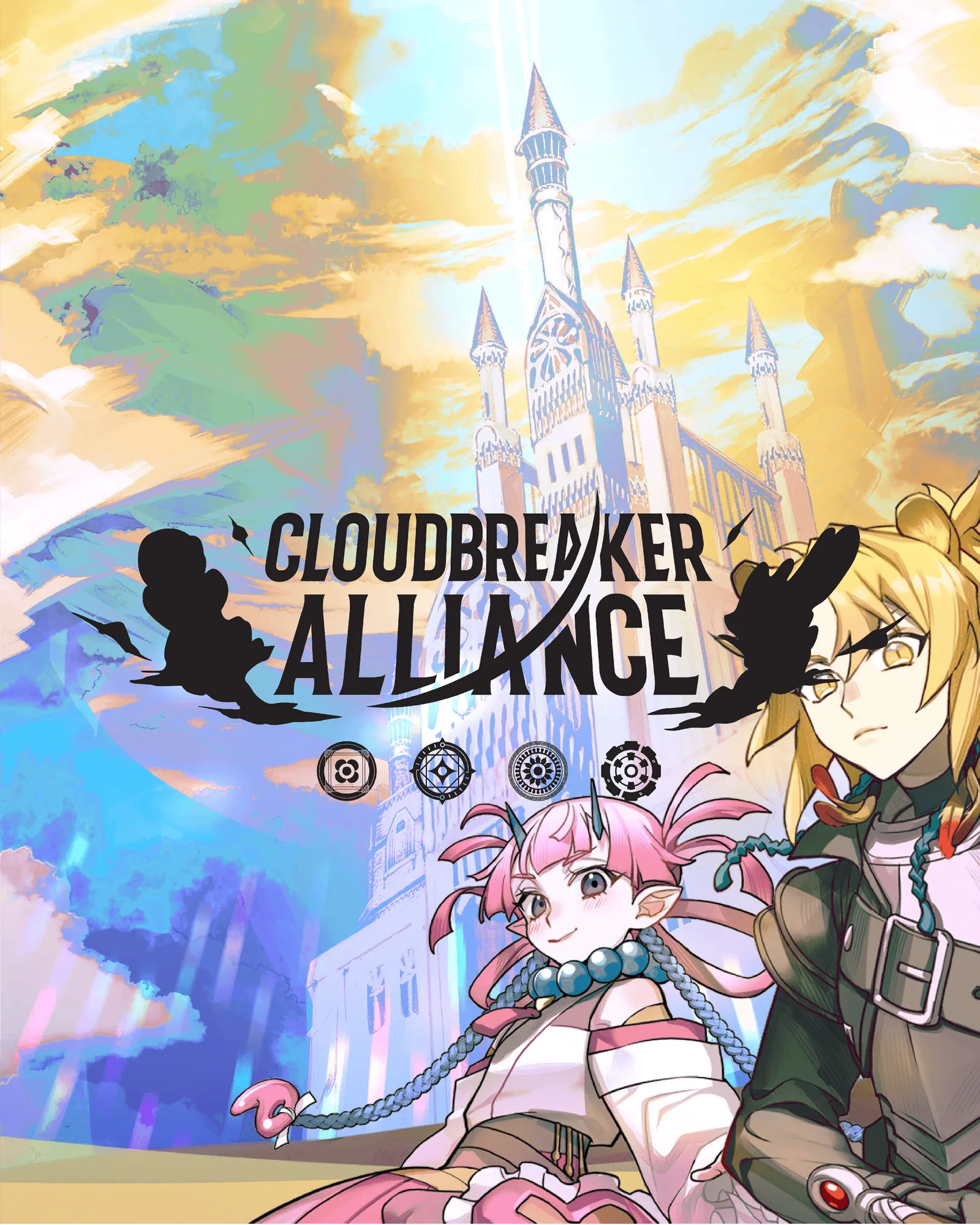
Cloudbreaker Alliance is a useful example of a setting-first purchase: its world is built around a registry of sentient lifeforms, from Orcs and Elves to Onis and Faunalians, with humans as a newly discovered minority. Two thousand years ago, darkened clouds fell from the sky and engulfed the world, and what followed is left for the table to discover. That premise gives a game master factions and mysteries to run without requiring a second rulebook, which is exactly the kind of book that survives a long campaign.
Storage decisions: deck box, sleeves, or both
Card accessories are where game-night kits quietly bloat. The rule is simple: match storage to the format you play most. If you carry a constructed deck to every session, a fitted deck box protects corners and speeds setup. If you mostly draft or swap cards, sleeves matter more than the box because you are handling cards constantly.
Sleeves and boxes also differ in how they travel. A deck box that docks into a larger storage system is convenient at home but adds bulk in a backpack. Sleeves are nearly weightless and protect against shuffling wear, but they do not stop a bent card in a crowded bag. Decide whether your risk is handling damage or transport damage, then buy for that risk first.
The travel kit that survives a real session
A practical tabletop RPG essentials kit fits in one small bag: one core book, one thin reference or setting book, a dice set with at least two d20s, a pencil and a few index cards, and your card storage if the game uses cards. Add a cloth or mat only if the venue has rough tables. Everything else is optional.
Leave duplicates at home. A second copy of the same rulebook helps only if two people run rules lookups simultaneously, which is rare outside large tables. Instead, spend that weight on a notebook or a phone with your notes synced. The kit that gets used is the kit you can repack in under two minutes.
Where language and licensing change the decision
Two factors quietly decide whether an RPG-adjacent product works for your group: language and licensing. A game published only in French is a poor fit for a table that plays in English, no matter how good the design is. Conversely, a licensed board game or card accessory can be the right purchase when your group already loves the source material and wants a shorter, self-contained session.
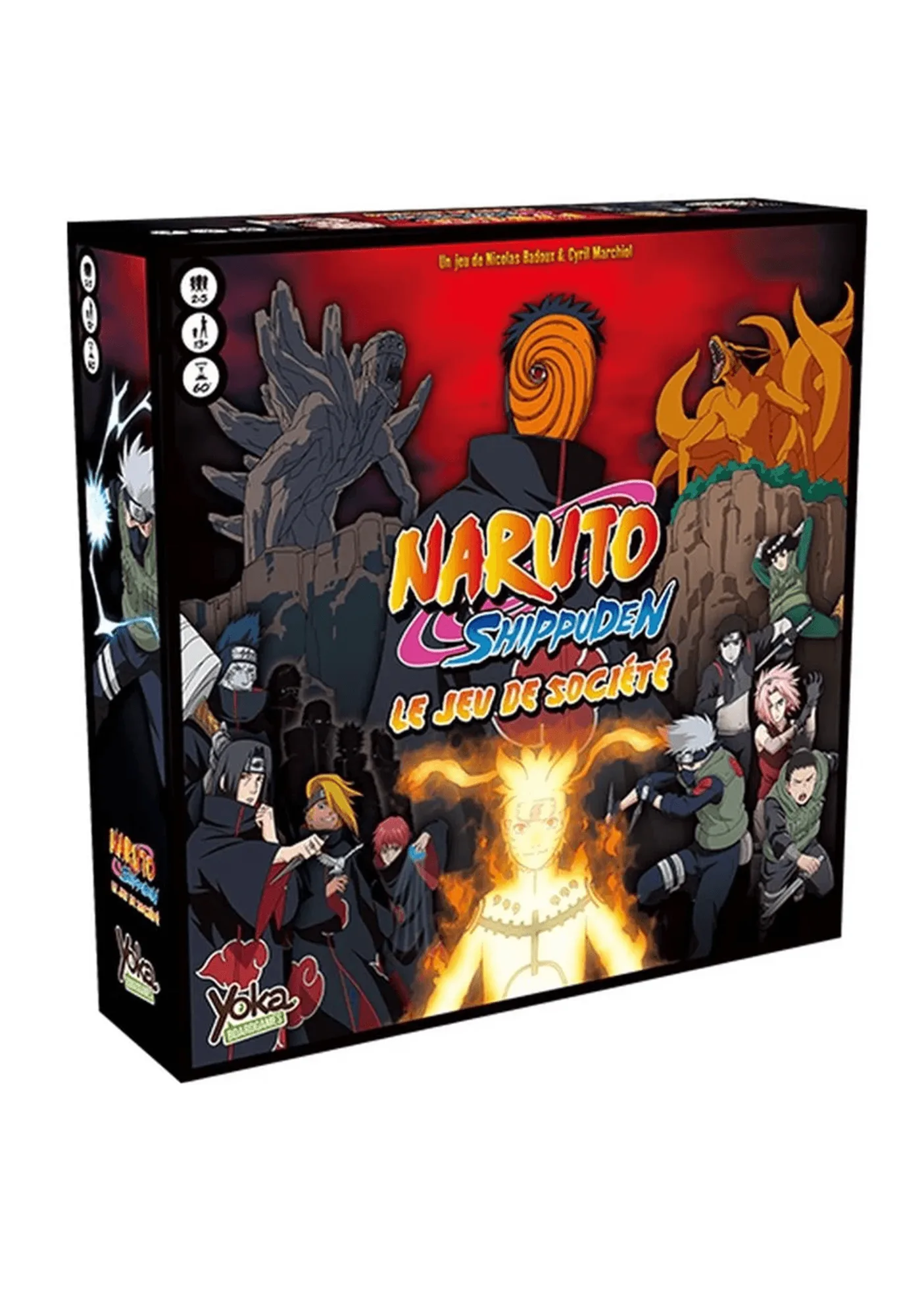
Naruto Shippuden - The Board Game - Edition Française is a concrete case: it is a French edition where players take on heroes like Naruto, Sakura, Kakashi, Rock Lee, Sai, or Shikamaru to face the Akatsuki, who are hunting the Jinchūriki to extract their tailed beasts. If your table reads French, it is a complete game-night option in one box. If not, treat the language as a hard stop and choose an English edition or a different title.
Licensing works the same way for accessories. Officially licensed sleeves and boxes carry art your group recognizes, which matters at a table where people care about their decks. The trade-off is that licensed art runs in limited printings, so if you like a design, buy the sleeves you need for the decks you actually play rather than hoarding sealed packs.
Decision rules for packing and buying
- If you run the game, bring the book you open most: Count how many times you looked up a rule last session. If it was fewer than two, leave the second rulebook at home and bring a setting or adventure book instead. One heavily used book beats three shelf trophies.
- If you carry one deck, skip the modular storage: A docking deck box system pays off when you transport several decks. For a single deck, a simple box plus sleeves protects just as well and weighs less. Buy storage for your real carry count, not your collection size.
- If the table plays in English, treat a French edition as a hard no: Language is not a preference you can work around mid-session. Confirm the edition language before buying any licensed board game or RPG product. Check the edition language field before checkout.
- If you care about deck presentation, buy sleeves once and buy enough: Licensed art runs in limited printings. Buy sleeves for the decks you actually play now rather than assuming a reprint will be available later. One extra pack for your main deck is reasonable; a sealed case is not.
Product facts that affect your setup
- Cloudbreaker Alliance: Cloudbreaker Alliance is a setting where sentient lifeforms from Orcs and Elves to Onis and Faunalians are catalogued by the Cloudbreaker Alliance, with humans as a newly discovered minority; two thousand years ago darkened clouds fell from the sky and engulfed the world. A setting-first book like this gives a game master factions and a central mystery to run without needing a second rules volume, so it earns bag space in long campaigns.
- Oshi Push Phase Alias: Premium Deckbox Remilia Nephys: The Oshi Push Phase Alias: Shuttle Deckbox is designed to dock into the Mothership, an all-in-one storage solution that holds up to 6 Shuttle Deckboxes. If you already carry multiple decks, a docking deck box keeps them organized and protected at home; if you carry one deck, the modular system adds bulk you may not need.
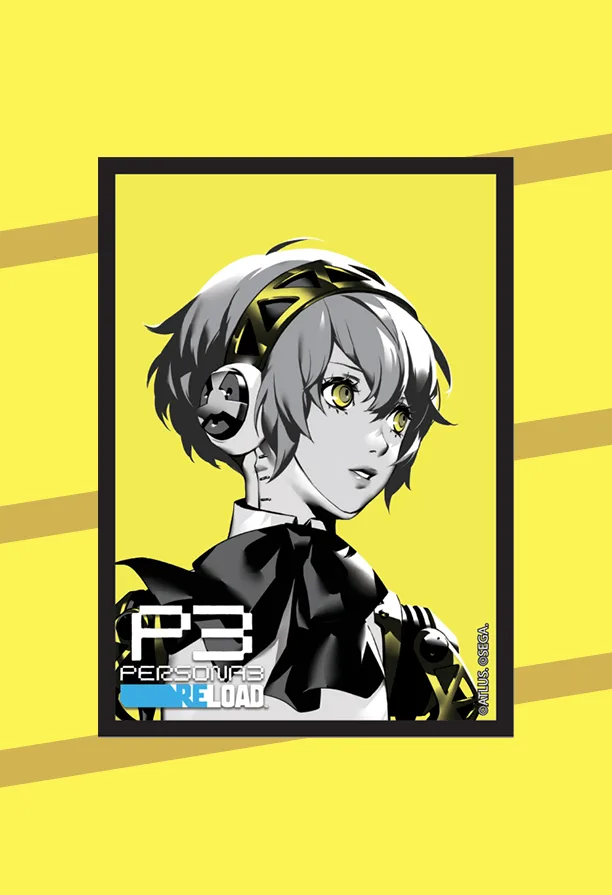
- Officially Licensed Persona 3 Reload Standard Card Sleeves - Aigis: Officially Licensed Persona 3 Reload Standard Card Sleeves - Aigis are standard-sized, with a matte finish and foil details, made for smooth shuffling and reliable durability. Standard-size matte sleeves are the safe default for most card games, and the licensed art makes them a reasonable pick if your table cares about deck presentation.
- Naruto Shippuden - The Board Game - Edition Française: Naruto Shippuden - The Board Game - Edition Française is a French edition in which players take on heroes like Naruto, Sakura, Kakashi, Rock Lee, Sai, or Shikamaru to face the Akatsuki, who are capturing the Jinchūriki to extract their tailed beasts. A self-contained licensed board game can replace a full RPG session for a casual night, but only if everyone at the table reads French.
Who this setup fits
Best for
- Game masters who run a recurring campaign and need one reliable book plus light card storage
- Players who carry a single constructed deck and want sleeves that shuffle smoothly
- Groups that want a self-contained licensed game for a casual night
Not for
- Collectors who buy books to display rather than to run at the table
- Tables that play exclusively in English and cannot use a French-language edition
- Players who want a single all-in-one storage solution for a large collection rather than a travel kit