Quick Answer
Choose nylon for the hardest, most determined chewers because it resists breakdown longer and can be filled with treats. Choose rubber for dogs that need mental stimulation, fresh breath help, or a gentler flex, especially if they lose interest in hard toys quickly. Many owners rotate both: a nylon toy for marathon chewing and a rubber toy for interactive play.
Your dog's chewing style should decide the material, not the other way around. A dog that destroys toys in minutes needs a different chew than one that nibbles politely or gets bored after ten minutes. Rubber and nylon sit at opposite ends of the durability and engagement spectrum, and picking the wrong one wastes money or creates frustration.
This comparison uses supplied catalog facts from two real options: the Peanut Durable and Tough Nylon Chew Toy and the New! Penguin Durable Rubber Chew Toy & Treat Dispenser. We will also look at the NEW! Tough Rubber Treat Holder & Chew Toy to show where rubber shines for treat-based enrichment. The goal is a clear trade-off, not a winner-takes-all verdict.
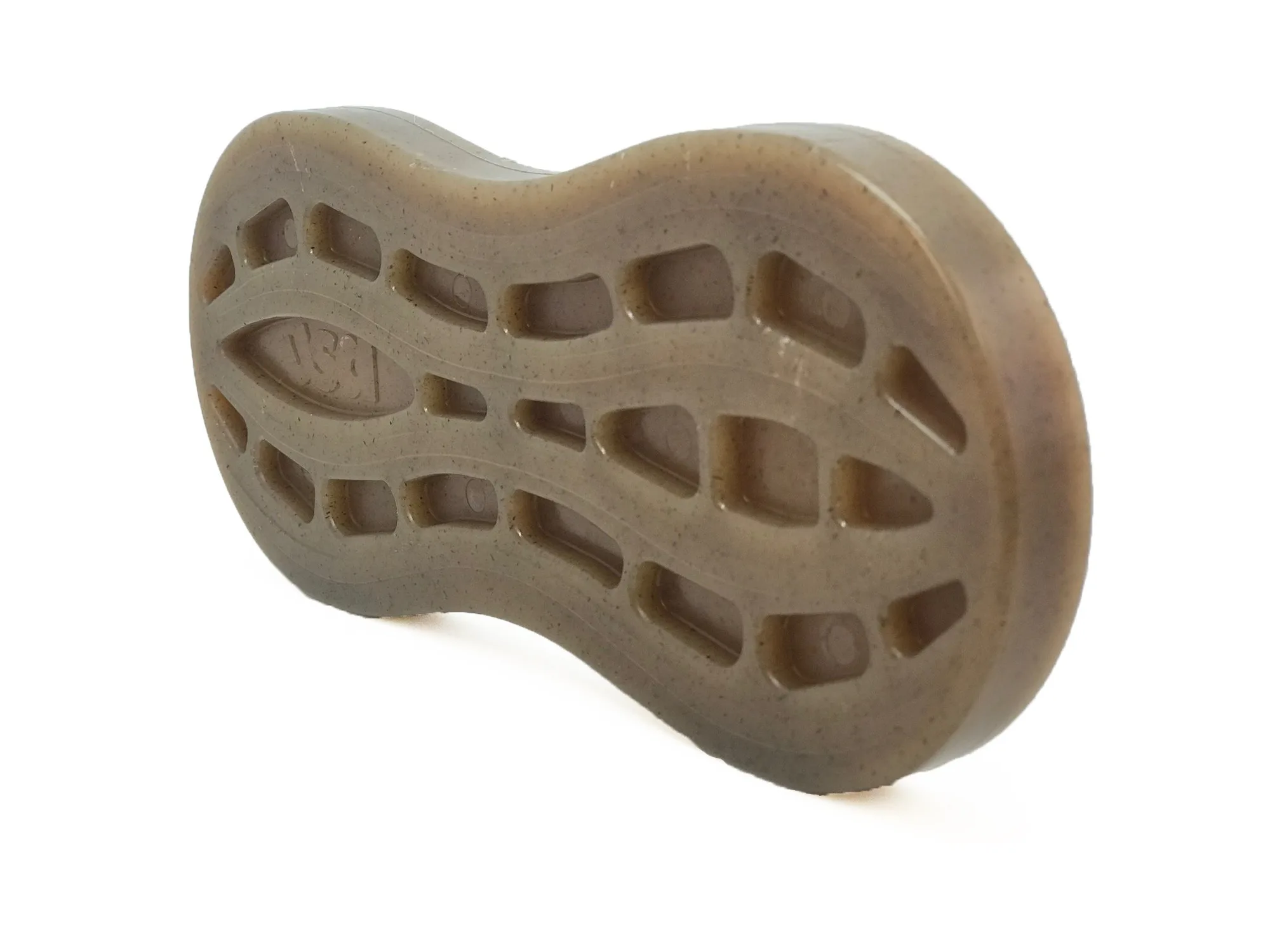
Peanut Durable and Tough Nylon Chew Toy
How Rubber and Nylon Behave Under Pressure
Nylon is a hard, dense material that resists puncturing and tearing. The Peanut Durable and Tough Nylon Chew Toy is described as veterinarian-approved and suitable for dogs that need more stimulation or unbreakable toys. That hardness is the point: a determined chewer can gnaw for a long time without the toy collapsing. The trade-off is that nylon does not flex, so it offers less give against teeth and gums than rubber.
Rubber is softer and often hollow, which lets it compress and rebound. The New! Penguin Durable Rubber Chew Toy & Treat Dispenser is built to withstand the abuse of most chewers and is also veterinarian-approved. Because rubber flexes, it can be more comfortable for dogs that chew in long sessions, but a truly destructive chewer may eventually bite through a rubber toy faster than a solid nylon one.
- If your dog creates sharp edges on toys quickly, start with nylon and inspect it weekly.
- If your dog loses interest in hard toys, rubber with a treat inside often holds attention longer.
Treat Dispensing and Mental Stimulation
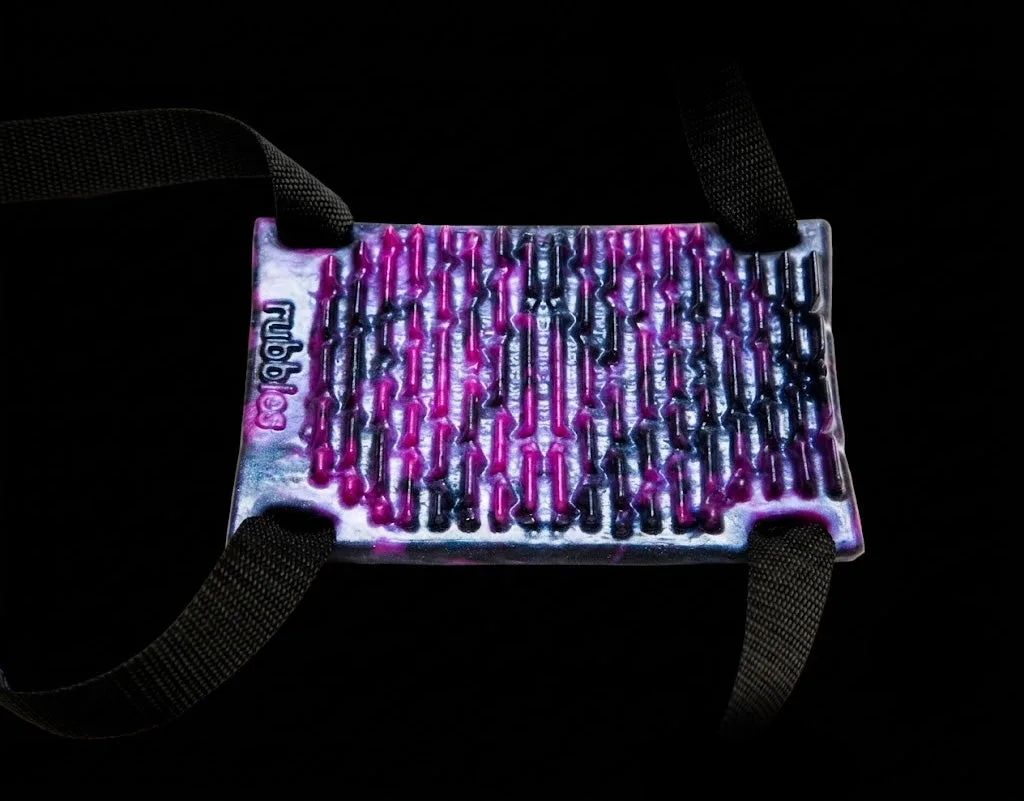
Rubber toys are natural treat dispensers because they can be hollowed or shaped with cavities. The Penguin toy is a treat dispenser that helps keep your dog entertained and reduces problem chewing, boredom, and separation anxiety. The NEW! Tough Rubber Treat Holder & Chew Toy goes further: it is a combination treat dispenser and chew toy that provides entertainment, boosts mental stimulation, and promotes oral health. For dogs that need a job while you are away, rubber has the edge.
Nylon toys can also hold treats. The Peanut toy lets you fill it with a sweet treat like peanut butter, so it is not purely a chew object. The difference is capacity and texture: rubber cavities tend to be larger and more flexible, while nylon fill points are usually smaller and firmer. If your dog gives up on puzzles easily, a rubber dispenser is more forgiving.
- Freeze a stuffed rubber toy for a longer challenge, but check with your vet if your dog has sensitive teeth.
- Use peanut butter or a similar soft treat only if it fits your dog's diet.
Durability and Chewing Style
Durability is not one number. It depends on how your dog chews, how long they chew, and whether they target seams or edges. Nylon tends to hold its shape against aggressive gnawing, which is why the Peanut toy is positioned for naturally aggressive chewers. Rubber tends to survive better against moderate chewers and dogs that like to mouth, carry, and bounce toys.
The honest trade-off: a nylon toy may last longer but offers less flexibility and treat capacity, while a rubber toy may offer more engagement but can be punctured by a dedicated destroyer. Neither material is indestructible, and no supplied fact claims otherwise. Supervise new toys and remove any toy once pieces come loose.
- Rotate toys every few days so your dog does not overwork one material.
- Replace any chew toy with cracks, missing chunks, or sharp edges immediately.
Cleanliness, Breath, and Everyday Use
The Penguin rubber toy is noted for cleaning teeth and freshening breath, which makes rubber a practical pick for dogs with mild dental odor between vet visits. Rubber's flex and texture can help massage gums during chewing. Nylon is easy to rinse but does not offer the same breath-freshening claim in the supplied facts.
For dogs with sensitive skin or allergies, neither material addresses coat health directly. If your dog drools heavily or has skin folds, a separate gentle shampoo like All-Natural Sensitive Skin Shampoo can help keep the face and neck clean after chew sessions. That is a supporting product, not a reason to choose one chew material over the other.
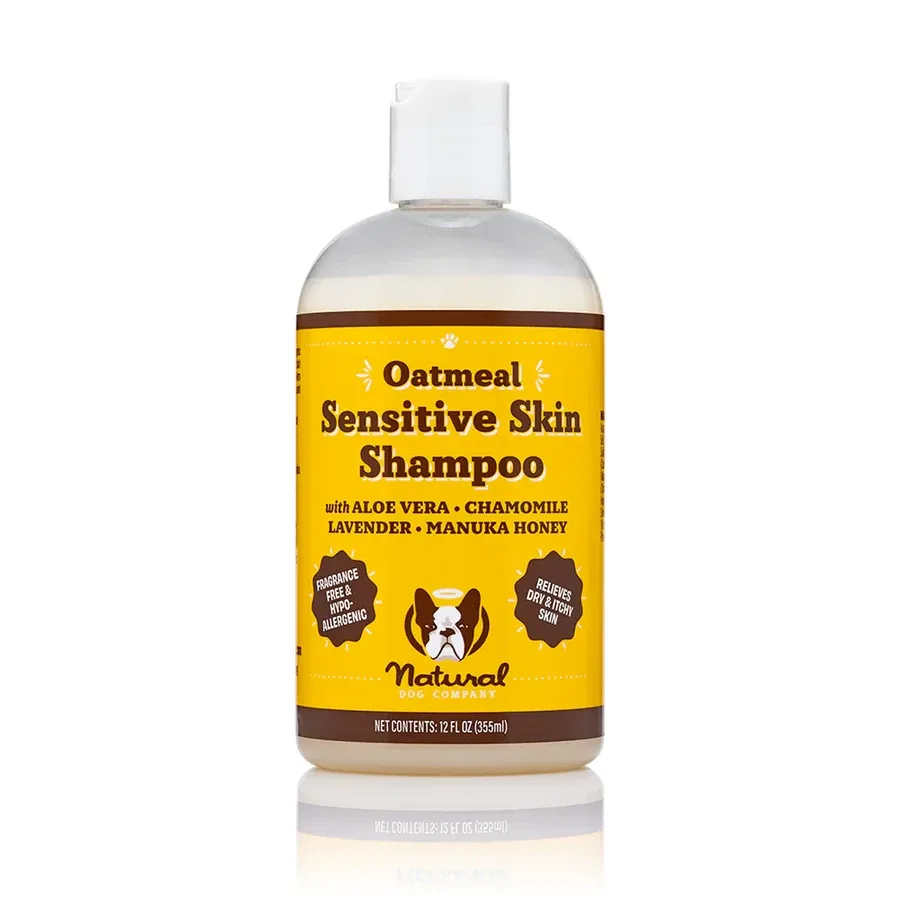
All-Natural Sensitive Skin Shampoo
- Wash rubber treat dispensers with warm water and a pet-safe soap after stuffing.
- Check nylon toys for rough spots that could scrape gums.
Trade-Offs at a Glance
- Nylon: longer resistance, less flex: Nylon like the Peanut toy is built for dogs that need more stimulation or unbreakable toys, but it does not compress the way rubber does. Best if your dog chews hard for long stretches and ignores softer toys.
- Rubber: more engagement, more give: Rubber toys such as the Penguin and the Tough Rubber Treat Holder dispense treats and reduce boredom, but a dedicated destroyer may puncture them faster. Best if your dog needs a job, gets bored easily, or benefits from breath-freshening chew time.
- Treat capacity changes the decision: Both materials can hold treats, but rubber cavities are generally more forgiving for stuffing and freezing. If stuffing is the main event, start with rubber; if chewing is the main event, start with nylon.
Product Facts That Matter
- Peanut Durable and Tough Nylon Chew Toy: This strong chew toy in the shape of a peanut is veterinarian-approved and can be filled with a sweet treat, like peanut butter. It gives aggressive chewers a long-lasting nylon option while still offering some treat-fill engagement.
- New! Penguin Durable Rubber Chew Toy & Treat Dispenser: This penguin toy is designed and built to withstand the abuse of most chewers and helps reduce problem chewing, boredom, and separation anxiety. Rubber with a treat dispenser is a strong fit for dogs that need distraction and mental work, not just resistance.
- NEW! Tough Rubber Treat Holder & Chew Toy: As a combination of a treat dispenser and chew toy, this rubber treat holder provides entertainment, boosts mental stimulation, and promotes oral health. It shows the rubber advantage clearly: one toy can occupy, challenge, and help clean teeth at the same time.
Which Material Fits Your Dog?
Best for
- Dogs that destroy plush and soft toys in minutes and need a hard nylon chew like the Peanut Durable and Tough Nylon Chew Toy.
- Dogs that need mental stimulation, treat dispensing, or breath-freshening help from a rubber toy like the New! Penguin Durable Rubber Chew Toy & Treat Dispenser.
- Owners who want to rotate two materials: nylon for marathon chewing and rubber for interactive enrichment.
Not for
- Dogs with known tooth fractures or jaw sensitivity, unless your veterinarian approves the material and size.
- Owners looking for a toy that never needs supervision or replacement; no chew toy is indestructible.
- Dogs that only want plush or squeaky toys and refuse hard or rubber surfaces.
Match the material to the chewing style you actually see, not the one you hope for. Nylon wins on resistance for hard chewers, rubber wins on engagement and treat-based enrichment, and many dogs do best with both in rotation. Inspect toys often and replace them at the first sign of damage.