Quick answer
No, you do not need a rug pad under a washable rug for it to function. But add one if you want extra grip on smooth floors, more cushion underfoot, or better airflow between the rug and the floor. Skip it only when the rug already stays put and you prefer the lowest possible profile.
What a pad actually changes
A rug pad is not part of the washable rug itself. It sits between the rug backing and your floor, so it changes three things: friction, cushion, and how air moves under the rug. On a smooth surface like hardwood or tile, a pad adds grip that the rug backing alone may not provide. On carpet, the carpet pile already supplies friction, so a pad matters less. Cushion is the second difference: a thin pad softens the feel underfoot without making the rug bouncy. Airflow is the third, and it is the one people forget. A pad lifts the rug slightly, which helps moisture escape instead of sitting trapped against the floor.
Match the pad to your floor, not the rug pattern
The floor decides more than the design does. Hardwood and tile are the surfaces where a pad earns its place, because both are smooth enough for a lightweight rug to slide. If you have luxury vinyl plank, treat it like hardwood: smooth and prone to shifting. If you have wall-to-wall carpet, test the rug first. Many washable rugs grip carpet well on their own, and adding a pad can make the rug sit unevenly on the pile.
- Smooth floors: choose a pad with a grippy bottom surface.
- Carpet: test without a pad before buying one.
- Heated floors: a thin pad lets heat pass through more easily than a thick one.
Thickness: thin wins for flatwoven rugs
Flatwoven rugs are, by definition, low-profile. A thick pad underneath can make the edges curl or create a visible ridge where the rug ends. For a flatwoven rug, a thin pad, roughly an eighth of an inch or less, keeps the look clean while still adding grip. Save thicker pads for plush or shag rugs, where cushion is the point. If you are unsure, place the rug on the floor without a pad first. Walk on it, push it with your foot, and see whether it moves. That test tells you more than any thickness chart.
Fit: measure the rug, then size the pad
A pad should be slightly smaller than the rug, not the same size. If the pad extends past the rug edge, it shows and it catches on feet and vacuum cleaners. A good rule is to keep the pad about one to two inches inside the rug border on every side. Measure your rug's exact dimensions before ordering, because washable rugs come in standard sizes and a pad that is even two inches too large will peek out. If you cannot find a pad in the exact size, choose the next size down rather than up.
When to skip the pad entirely
Skip the pad if your rug already stays put on carpet, if you want the absolute lowest profile, or if you wash the rug frequently and do not want a second item to manage. A washable rug is designed to be washed on its own, and a pad adds one more step: you have to remove it, store it, and put it back. If that friction means you will wash the rug less often, no pad may be the more practical choice.
Decision rules: pad or no pad
- Smooth floor + lightweight rug: If the rug slides when you push it with your foot on hardwood, tile, or vinyl, add a thin non-slip pad. Grip is the deciding factor.
- Carpet + rug already stays put: Test the rug on the carpet for a day. If it does not move, skip the pad. No pad needed.
- Flatwoven rug + thick pad: Choose a pad under an eighth of an inch. Thicker pads can make flatwoven edges curl. Thin pad only.
- Pad size: Order a pad one to two inches smaller than the rug on each side so it never peeks out. Measure first.
Washable rugs that work with or without a pad
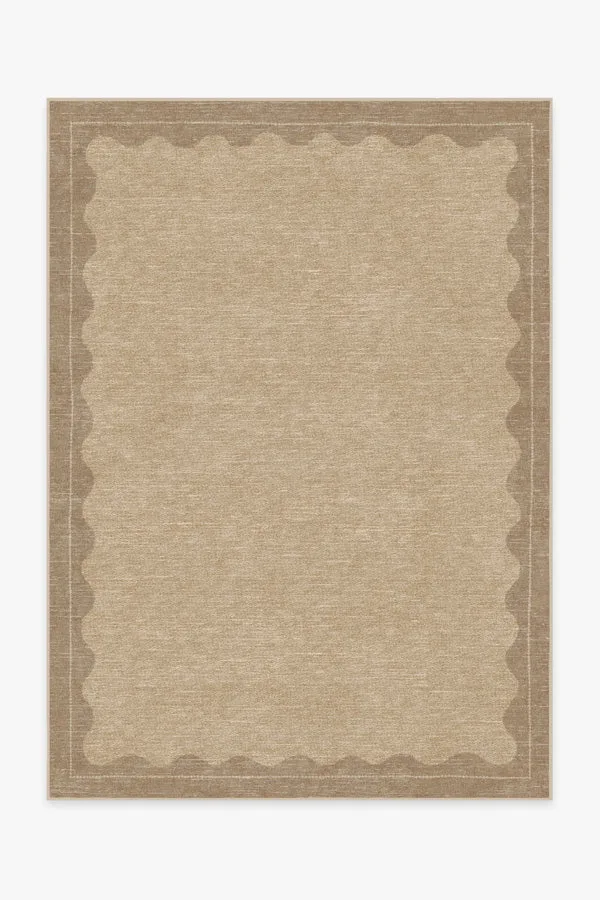
- Orla Tan Flatwoven Rug: Water-resistant, stain-resistant, and machine-washable. You can wash this rug without removing a pad, so a pad is optional rather than required for cleaning.
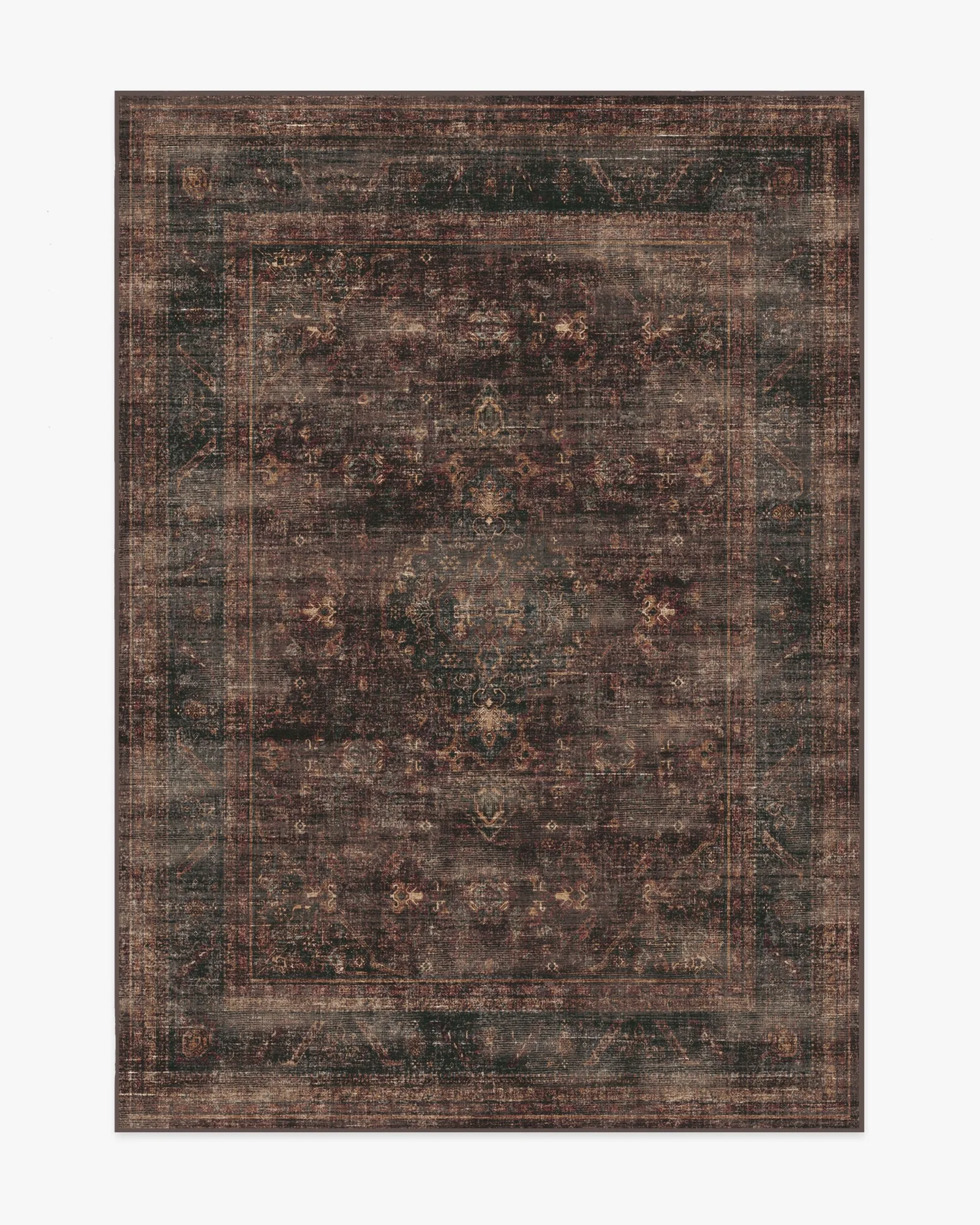
- Rowan Bordeaux Flatwoven Rug: Water-resistant, stain-resistant, and machine-washable. The same care applies here: the rug handles spills and washing on its own, so a pad is about grip and cushion, not protection.
Who should use a rug pad
Best for
- Homes with smooth hardwood, tile, or vinyl floors where the rug slides
- Rooms with heavy foot traffic where extra grip prevents bunching
- Anyone who wants a little more cushion underfoot without a thick rug
Not for
- Rugs on carpet that already stay in place
- People who want the lowest possible profile and wash the rug frequently
- Anyone who does not want to manage a second item during washing