Quick answer
For most families, start with one or two durable, hand-painted Safari Ltd dinosaur figures sized for your child's grip and play style. If your child is a toddler, choose chunky figures with rounded edges; for ages 5 and up, add a larger figure or a themed set to support storytelling and facts. Skip the giant sets until you know your child will keep playing with them.
Safari Ltd dinosaur toys are a staple in many playrooms because they blend realistic detail with open-ended play. But with dozens of species, sizes, and price points, picking the right figure can feel harder than it should. This guide gives you clear decision rules so you can choose a toy dinosaur figure that actually gets played with.
We'll look at age fit, material and durability, play patterns, and how to tell whether a figure is more of a collectible or a daily plaything. You'll also see how a few specific products from the Safari Ltd catalog fit into those decisions, so you can match a figure to your child instead of guessing.
Match the figure to your child's age and grip
The single biggest factor in whether a dinosaur figure gets played with is whether your child can hold and move it comfortably. For toddlers and preschoolers, look for figures that are chunky enough to grip without slipping, with no small detachable parts. Safari Ltd's smaller dinosaur toys, like the Woolly Rhino Toy, are solid and easy to handle, but they still work best for ages 3 and up because of their size.
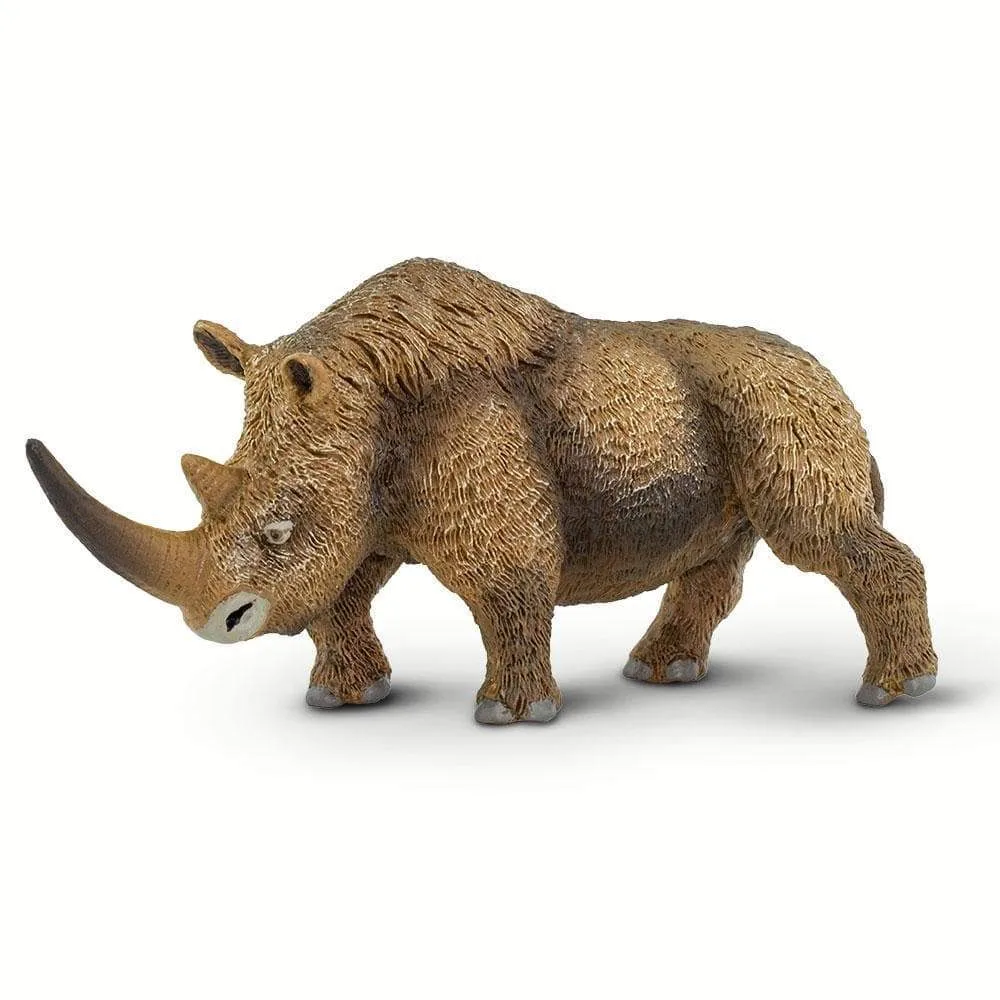
Woolly Rhino Toy
For older kids, hand size matters less than play intent. A 7-year-old who builds dioramas may want several smaller figures, while a 5-year-old who stages epic battles may prefer one or two larger, sturdier dinosaurs. If you're unsure, buy one figure first and watch how your child plays with it before adding more.
- Toddlers: choose rounded, solid figures with no small parts.
- Preschoolers: look for figures that stand on their own and fit in a small hand.
- Early elementary: add a mix of sizes to support storytelling and comparison.
Decide between play durability and collectible detail
Safari Ltd figures generally fall into two broad categories: play-focused and collectible-focused. Play-focused figures are built to survive drops, sandbox adventures, and being carried in a pocket. Collectible-focused figures often have finer paint details and more delicate features, which makes them better for display or gentle play. The Woolly Rhino Toy sits in the play-focused camp: it's a solid, hand-painted figure that can handle regular play.
If your child is rough on toys, prioritize durability over hyper-realistic detail. If your child is a careful collector who lines figures up on a shelf, you can lean toward more detailed pieces. There's no wrong choice, but matching the figure to your child's play style prevents the disappointment of a broken favorite.
- Rough play: choose solid, one-piece figures.
- Gentle play or display: finer detail is worth the trade-off.
- Mixed play: buy one durable figure and one detailed figure to compare.
Use educational value as a tiebreaker, not the main goal
Many parents search for dinosaur educational toys, and Safari Ltd figures do carry real learning potential. The Woolly Rhino Toy, for example, represents a prehistoric animal that lived during the Pleistocene Era, from around 3.5 million years ago to just over ten thousand years ago. That kind of fact gives you a natural starting point for conversations about Ice Age climates and extinction.
But don't let education be the only filter. A figure that your child loves to hold will generate more questions and stories than a figure that sits on a shelf because it's 'educational.' Use facts as a bonus, not a requirement. If a figure sparks curiosity, it's doing its job.
- Pair a figure with a simple fact to extend play.
- Let your child choose the species sometimes; ownership drives engagement.
- Rotate figures to keep the collection feeling new.
Consider scale and storage before you buy a set
Large dinosaur sets can be tempting, but they often create storage and cleanup problems. Before buying a multi-figure set, measure your available shelf or bin space and think about how your child will transport the figures. A handful of well-chosen figures often gets more play than a crowded bin.
If you do buy a set, look for a mix of sizes so your child can create scenes with depth. A single large figure paired with several smaller ones gives more play options than five figures of the same size. And if storage is tight, start with two or three figures and expand only when you see consistent play.
- Measure your storage space before committing to a large set.
- Mix sizes to support varied play scenarios.
- Start small; add figures as play patterns emerge.
Decision rules for buying Safari Ltd dinosaur toys
- Age under 3: Choose only figures labeled for ages 3 and up, and avoid any with small parts. For toddlers, prioritize chunky, solid figures that can't be swallowed. If the figure isn't rated for your child's age, skip it.
- Child plays rough: Pick one-piece, solid figures over finely detailed collectibles. The Woolly Rhino Toy is a good example of a durable, hand-painted figure that handles active play. Durability first; detail second.
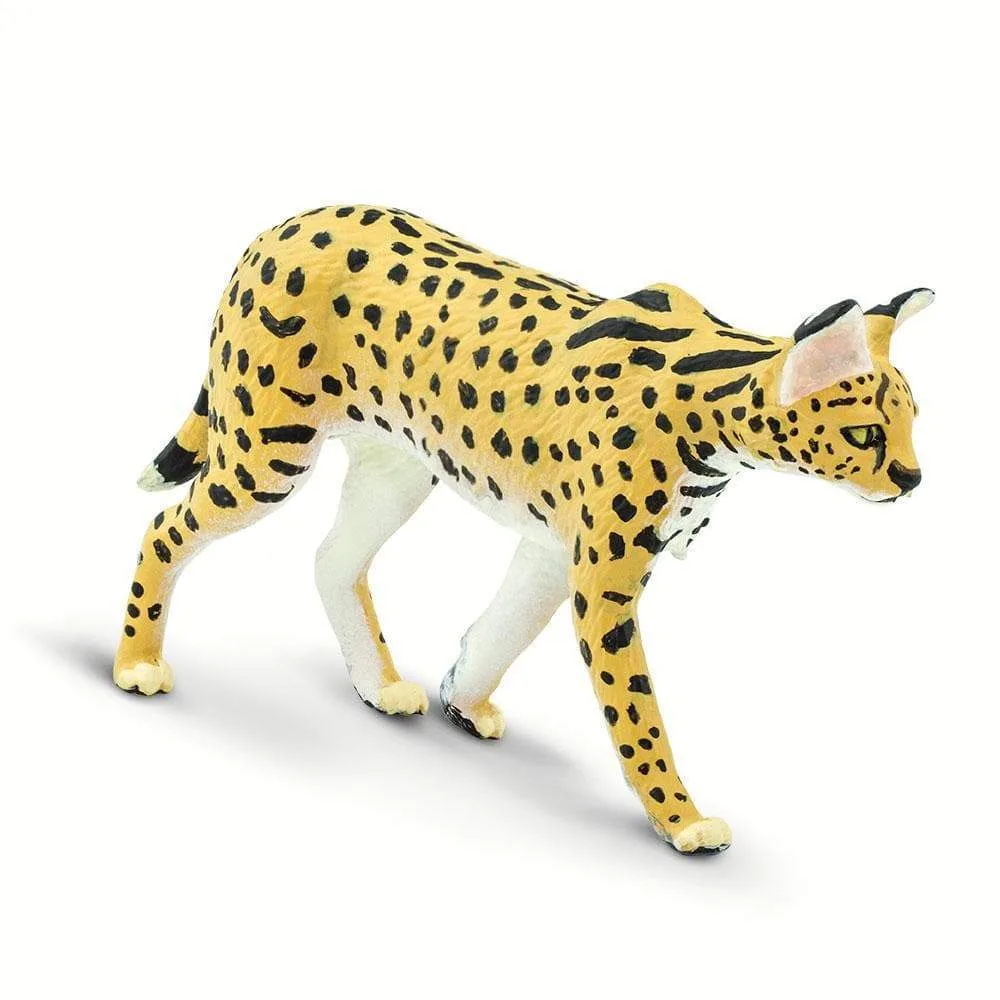
- Child is a fact-finder: Choose figures with clear real-world or prehistoric context, like the Woolly Rhino Toy or Serval Toy, and pair them with a simple fact card or book. Educational value works best when the figure is already a favorite.
- Storage is limited: Start with two or three figures of different sizes instead of a large set. Add more only after you see which ones get regular play. A small, rotating collection beats a crowded bin.
Product facts to guide your choice
- Woolly Rhino Toy: The Woolly Rhinoceros was a prehistoric beast resembling today's rhinos, covered in thick fur to protect it from the freezing climate of its Ice Age environment. It lived during the Pleistocene Era, from around 3.5 million years ago to just over ten thousand years ago. This figure gives you a concrete way to talk about Ice Age adaptations and extinction, making it a strong pick for a child who likes facts alongside play.
- Serval Toy: Though medium-sized among cats, the Serval has disproportionately long legs and a small head with large ears. It uses its sensitive ears to find prey, then pounces using its strong legs to launch over six feet into the air. If your child is drawn to animal movement and hunting behavior, this figure offers a clear example of how body shape connects to survival, which can extend play into biology conversations.
Who these figures are for
Best for
- Parents of children ages 3 and up who want durable, realistic dinosaur and animal figures.
- Families looking for open-ended toys that support storytelling and early science learning.
- Collectors who appreciate hand-painted details and a growing range of species.
Not for
- Children under 3, due to small parts and choking hazards.
- Kids who prefer electronic sounds, lights, or app-connected toys.
- Buyers looking for a single large playset with buildings and vehicles.
Choosing the right Safari Ltd dinosaur toy comes down to your child's age, grip, and play style. Start with one or two durable figures, watch how they're used, and expand from there. A focused collection that gets played with beats a big set that sits on the shelf.