Quick Answer
Fit the Safeguard Valjas ECO snugly but not tight, check the chest strap placement, and use the quick-release buckles for easy on and off.
Why Fit Matters for Escape-Prone Dogs
The Safeguard Valjas ECO is designed for dogs that can slip out of regular harnesses, so a correct fit is not just about comfort—it's about safety. A loose harness defeats the purpose, while an overly tight one can chafe or restrict movement.
The harness suits everyday walks and training sessions, especially for rescue dogs or young dogs still learning leash manners. Its design includes a secure fit that helps prevent escapes, but only when adjusted properly.
Material and Adjustability Trade-offs
The ECO version uses sustainable materials, which may feel slightly stiffer initially but soften with use. The adjustment points allow you to customize the fit, but you need to re-check them periodically as the harness settles.
Because it's a safety-focused harness, the extra straps and buckles take a bit more time to adjust than a simple Y-harness. That trade-off is worth it for dogs that are clever at backing out.
Step-by-Step Fitting Guide
- Loosen all straps: Before putting the harness on, loosen all adjustment straps to their widest setting. This makes it easier to put on and prevents forcing the dog's head through a tight opening. Common mistake: trying to put on a tight harness—always start loose.
- Position the chest piece: Place the chest piece so it sits across the dog's sternum, not too high on the throat or too low on the belly. The center of the chest strap should be about two finger widths behind the dog's front legs. Checkpoint: the chest piece should not rub the armpits or restrict leg movement.
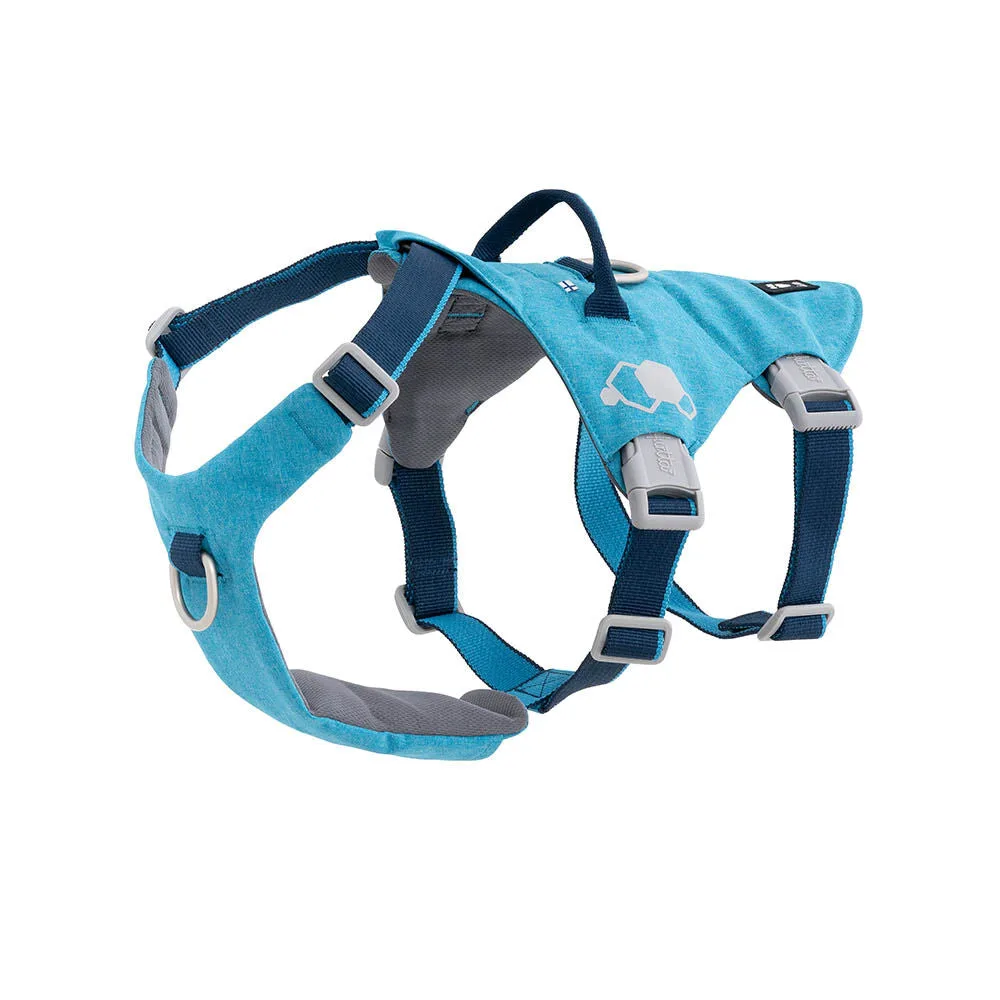
- Secure the buckles: Fasten all buckles, ensuring they click securely. The Safeguard Valjas ECO uses quick-release buckles that should be fully engaged—you should hear a distinct click. Common mistake: partially clipped buckles can release during movement.
- Tighten the straps evenly: Tighten the straps gradually, alternating between the chest and belly straps to keep the harness centered. The harness should be snug enough that you can slide two fingers under the straps but not more. Checkpoint: after tightening, the harness should not shift more than an inch when you pull on the leash.
- Test for escape prevention: With the leash attached, gently pull backward to simulate an escape attempt. The harness should stay in place without slipping over the head or twisting. If the harness slips, re-tighten the neck and chest straps; if it still slips, consider a different size.
Product Facts
-
Safeguard valjas ECO: The Safeguard Valjas ECO is a new harness model designed to keep your dog securely in the harness, suitable for everyday use and activities, especially for rescue dogs and clever individuals that can slip out of regular harnesses. This harness addresses a common safety issue, giving you peace of mind during walks with escape-prone dogs.
Safeguard valjas ECO