When you and your dog hit the water, the right gear makes all the difference. Whether you're strolling along the ocean shore or hiking around a mountain lake, your dog's leash is your lifeline. But not all waterproof leashes are created equal—especially when it comes to saltwater versus freshwater environments.
Saltwater is notoriously harsh on gear, causing corrosion and wear that can shorten the lifespan of your equipment. Freshwater, while gentler, still demands materials that dry quickly and resist mildew. In this comparison, we'll break down what to look for in a waterproof leash for both settings, and highlight some top picks from Wilderdog that excel in each.
Why Waterproof Leashes Matter for Water Adventures
Dogs love water, and whether you're at the beach or a lake, a standard leash can quickly become waterlogged, heavy, and uncomfortable for both you and your pup. Waterproof leashes are designed to shed water, dry quickly, and resist the damaging effects of moisture and salt. This not only keeps your walks comfortable but also extends the life of your gear.
When choosing a waterproof leash, consider the environment. Saltwater is corrosive and can degrade metals and certain plastics over time. Freshwater, on the other hand, may not corrode as aggressively, but can still encourage mold and mildew if materials don't dry properly. Understanding these differences helps you pick a leash that will perform and last.
Key Differences: Saltwater vs Freshwater Leashes
The primary difference between leashes suited for saltwater versus freshwater lies in the materials and hardware. Saltwater-resistant leashes typically use marine-grade stainless steel or coated hardware to prevent rust and corrosion. They also often feature quick-dry, synthetic webbing that doesn't absorb saltwater and becomes stiff or abrasive.
Freshwater leashes, while still benefiting from quick-dry materials, can sometimes get away with less corrosion-resistant hardware. However, choosing a leash that is built to handle both environments is a smart investment, especially if you travel between coast and mountains.
- Look for leashes with corrosion-resistant hardware like stainless steel or coated clips.
- Opt for quick-dry materials like nylon or polyester webbing that don't absorb water.
- Consider a leash with a comfortable handle that stays grippy when wet.
Top Waterproof Leashes from Wilderdog
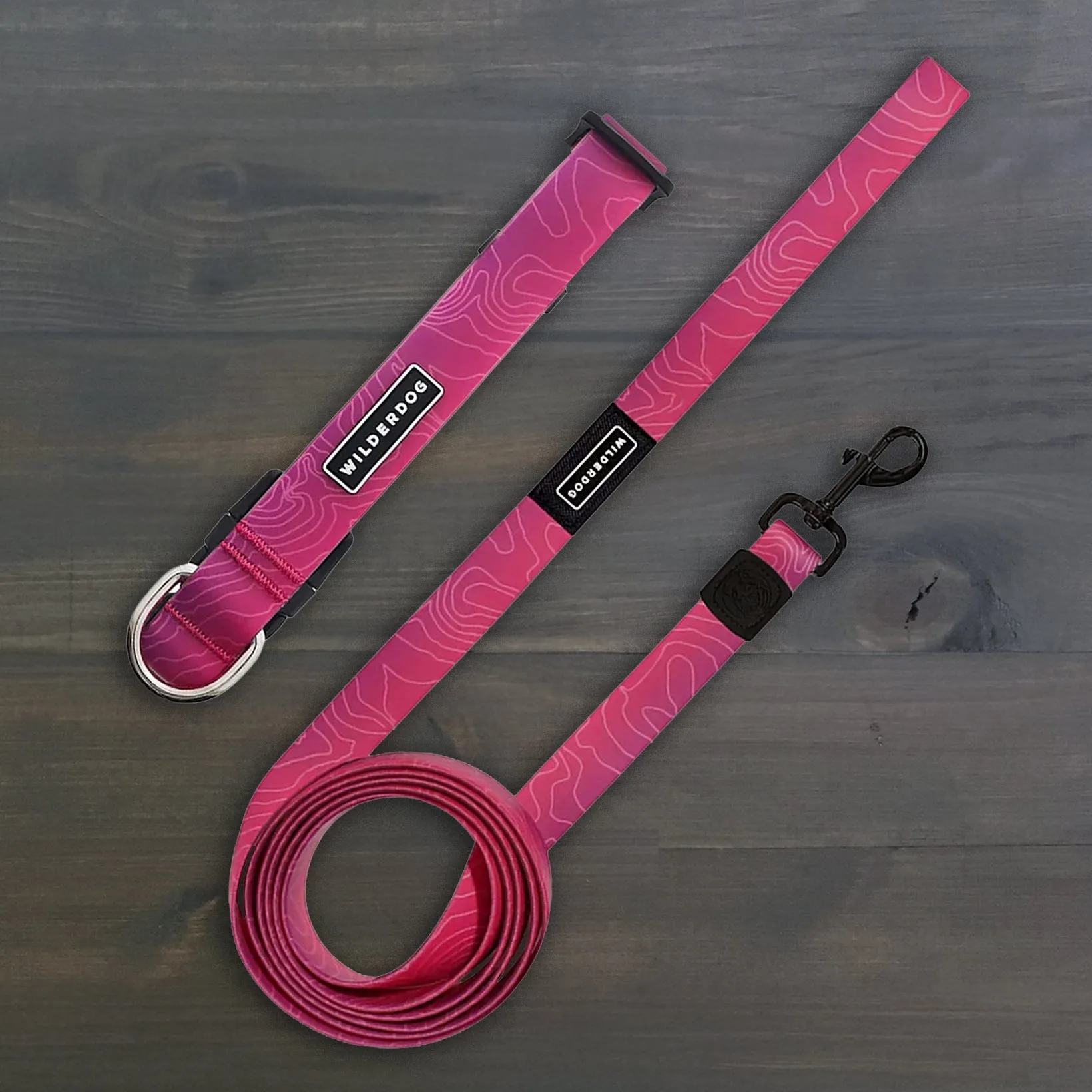
Wilderdog offers a range of leashes that are perfect for water adventures. The Daybreak Ultralight Leash is a fantastic choice for both saltwater and freshwater use. Its lightweight, quick-dry design and corrosion-resistant hardware make it a reliable companion for beach days or lake hikes.
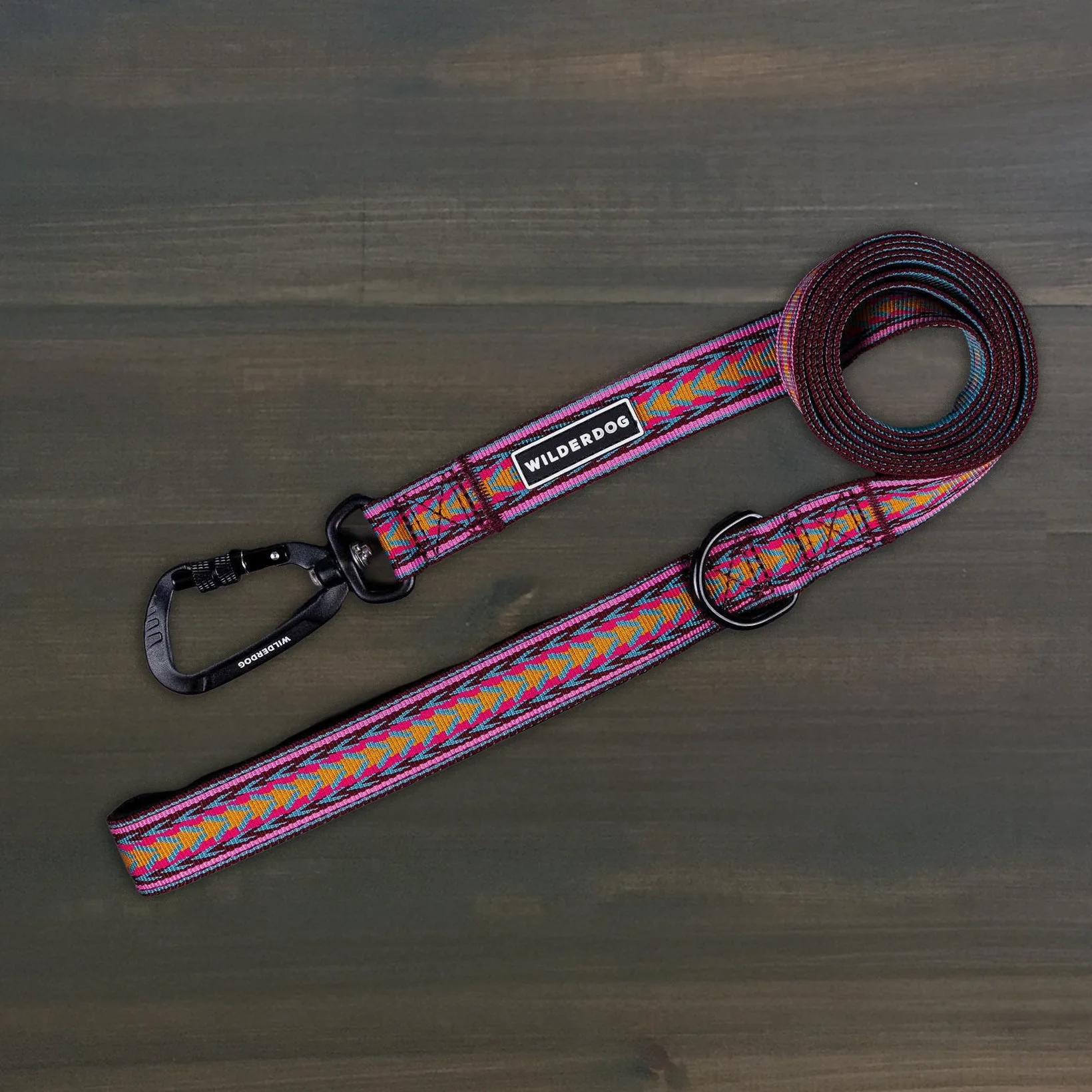
Daybreak Ultralight Leash
For those who prefer a pop of color, the Fireweed Ultralight Leash offers the same durability and water-resistant features in a vibrant hue. Both leashes are designed to withstand the elements while keeping your dog secure and comfortable.
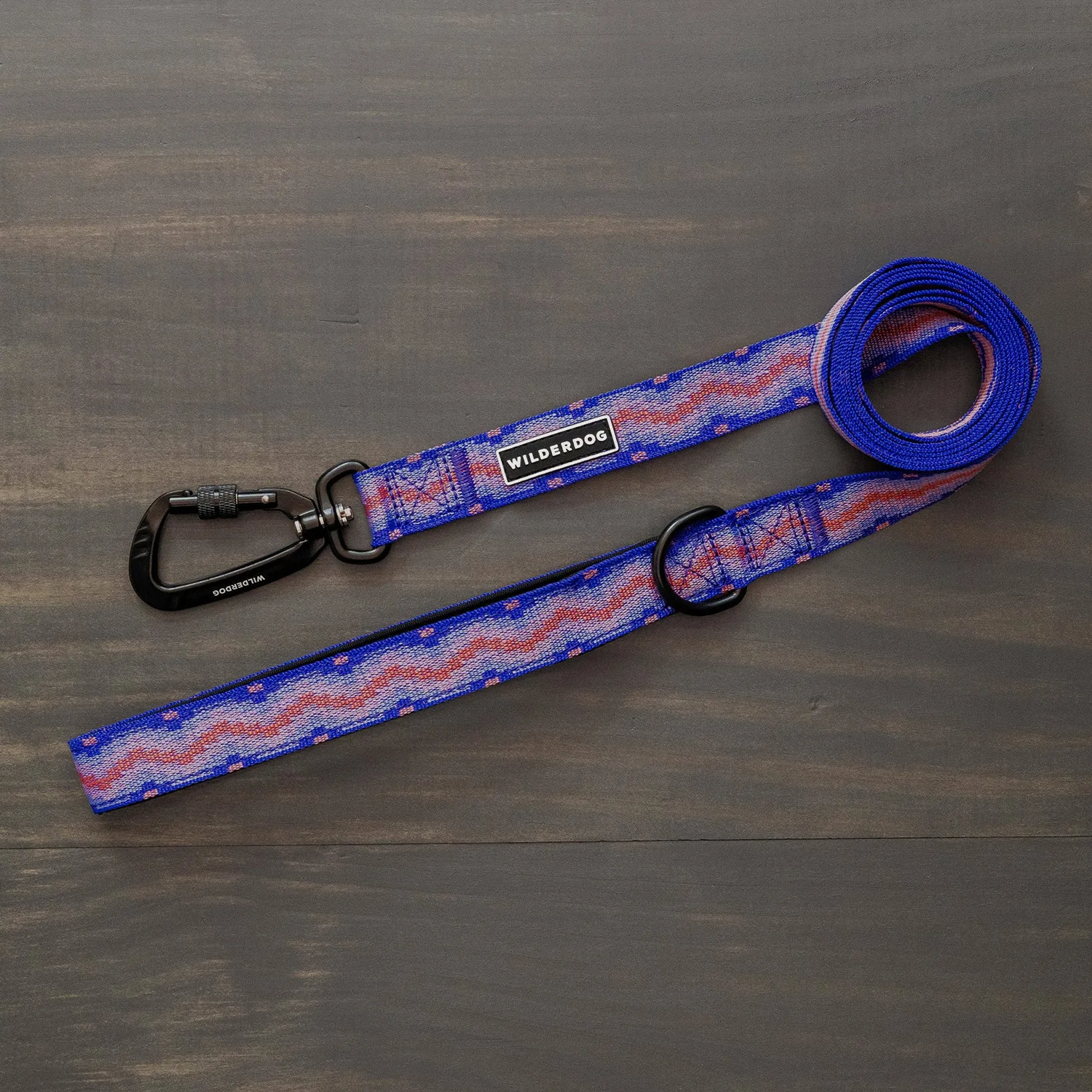
Fireweed Ultralight Leash
- Daybreak Ultralight Leash: Ideal for beach walks, dries quickly, and resists saltwater corrosion.
- Fireweed Ultralight Leash: Great for freshwater adventures, with a comfortable grip even when wet.
How to Care for Your Waterproof Leash
No matter which leash you choose, proper care will extend its life. After a saltwater trip, rinse your leash with fresh water to remove salt residue. For freshwater, simply shake off excess water and let it air dry. Avoid storing a wet leash in a closed bag, as this can promote mildew.
Regularly inspect the hardware for any signs of rust or wear, especially if you frequently visit the beach. With minimal maintenance, a quality waterproof leash can last for years.
Choosing the right waterproof leash depends on your primary environment, but investing in a versatile, quick-dry option like the Daybreak Ultralight Leash ensures you're prepared for any adventure. Explore Wilderdog's collection to find the perfect match for your water-loving pup.