Quick answer
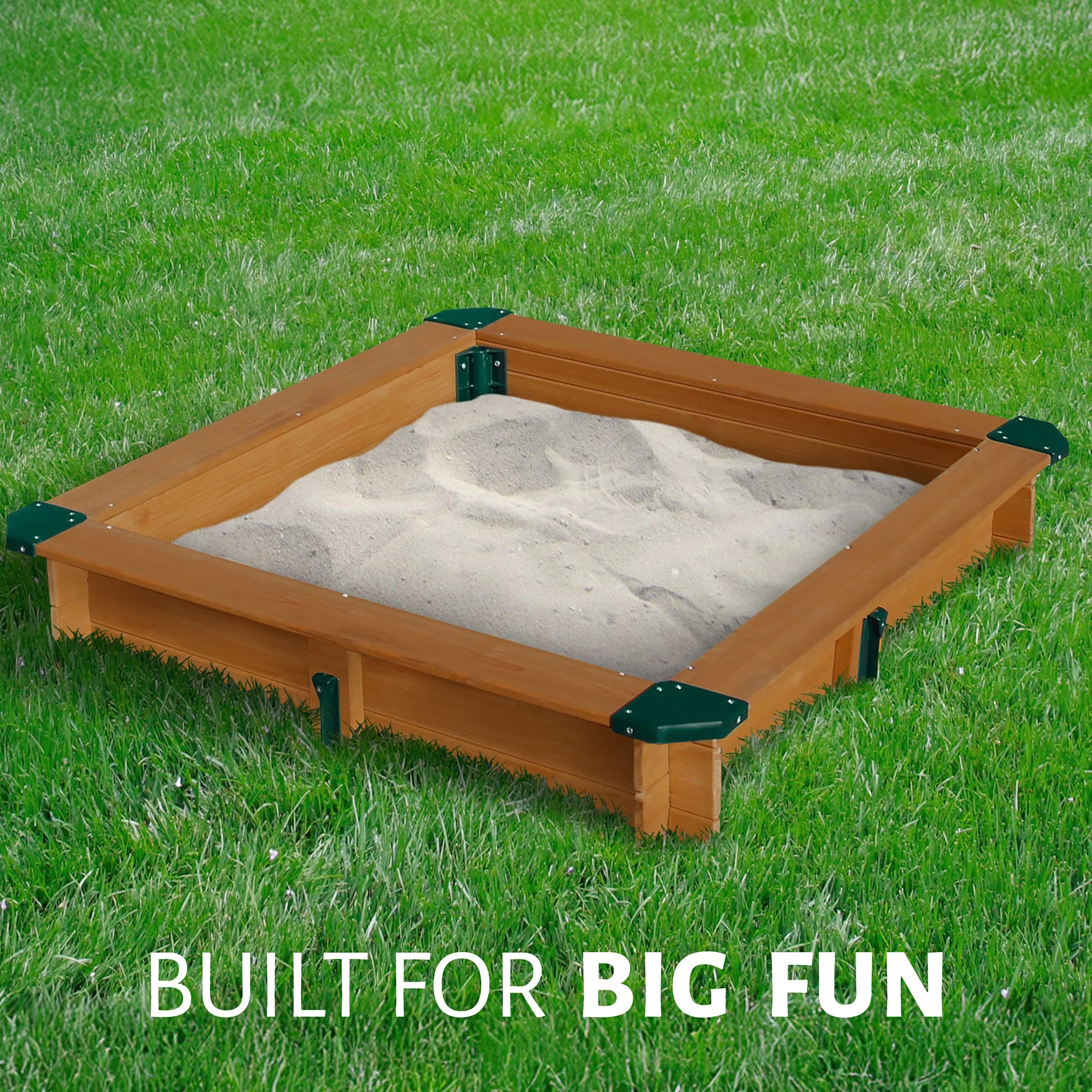
Measure your sandbox opening at the top edge before you shop, then choose a cover that overlaps that opening by at least an inch on every side. An interlocking sandbox cover is the simplest option for most backyard sandboxes because the pieces fit together without straps or custom framing. If your sandbox has an irregular shape or a built-in bench, measure the largest clear rectangle and size to that instead.
interlocking sandbox
Why sandbox cover sizing is the whole decision
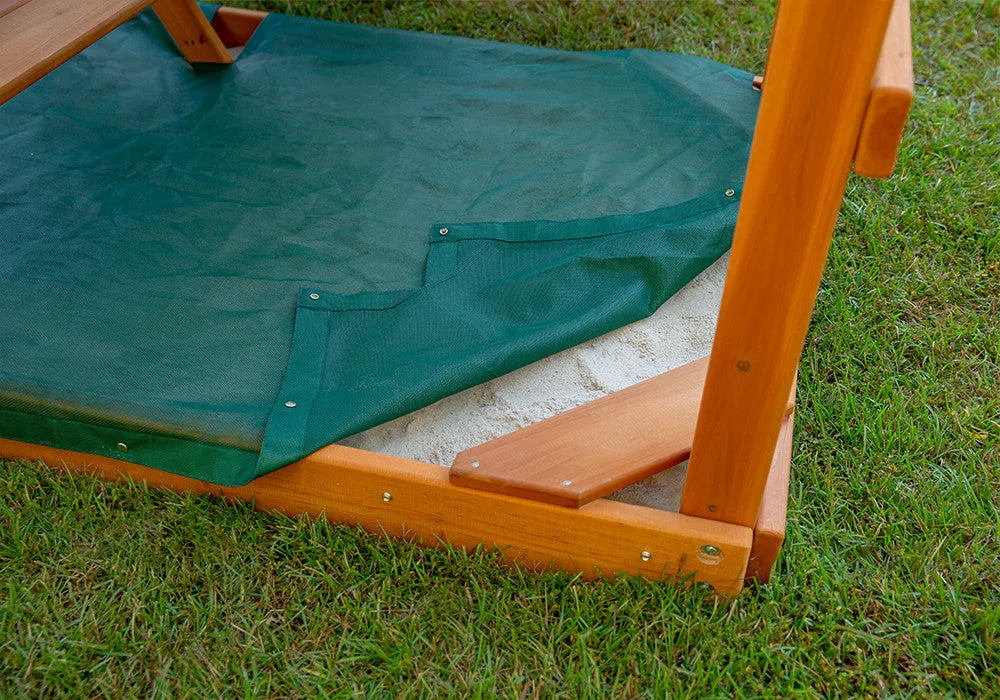
sandbox cover
A sandbox cover only works if it stays put and covers the full opening. Covers that are too small let rain, leaves, and animals in at the edges. Covers that are too large sit loose, collect water in the middle, and can blow off in wind. The fix is to measure the sandbox opening at its widest point, then add overlap. For a square or rectangular sandbox, measure length and width at the top rim, not at the base. For a round sandbox, measure the diameter across the center. If your sandbox has a corner seat or a raised edge, measure the clear opening the cover has to span.
Interlocking covers solve the fit problem differently than a single rigid lid. Each piece connects to the next, so you can cover a rectangle in sections and lift only the part you need. That matters when a child wants to dig in one corner while the rest stays covered. The trade-off is that interlocking pieces need a flat, level rim to sit on. If your sandbox edge is uneven or has a lip that sticks up, a single cover or a custom frame may fit better.
What to check before buying any sandbox lid cover
Start with the sandbox material and edge. Wooden sandboxes often have a flat top rail that supports an interlocking cover well. Plastic sandboxes sometimes have a rolled or angled rim, which can make rigid covers slide. In that case, look for a cover with a lip or a tie-down, or plan to add a simple wooden frame around the opening.
Next, think about how often the sandbox is used. A cover that takes two hands and thirty seconds to remove will stay off. Interlocking pieces are usually light enough for one adult to lift, and you can stack them beside the sandbox while kids play. If the sandbox is used daily, choose the lightest cover that still overlaps the opening.
Finally, check drainage. A cover that traps water on top will pool and sag. Interlocking covers with slight gaps or a raised center shed water better than a flat solid panel. If you live in a rainy area, tilt is more important than thickness.
Interlocking cover vs single lid: practical trade-offs
An interlocking sandbox cover is a good fit when the sandbox is rectangular, the rim is flat, and you want to uncover only part of the sand at a time. The pieces store flat, and replacing one damaged section is cheaper than replacing a whole lid. The downside is more seams, so fine sand or small debris can work into the joints over time. Rinsing the pieces and letting them dry before stacking keeps the fit clean.
A single rigid lid is faster to remove and has fewer seams, but it is heavier and harder to store. A fabric cover is lightest and cheapest, but it can flap in wind and may not keep out animals as well. For most families, interlocking pieces hit the best balance of coverage, storage, and cost.
Adding play value while the sandbox is covered
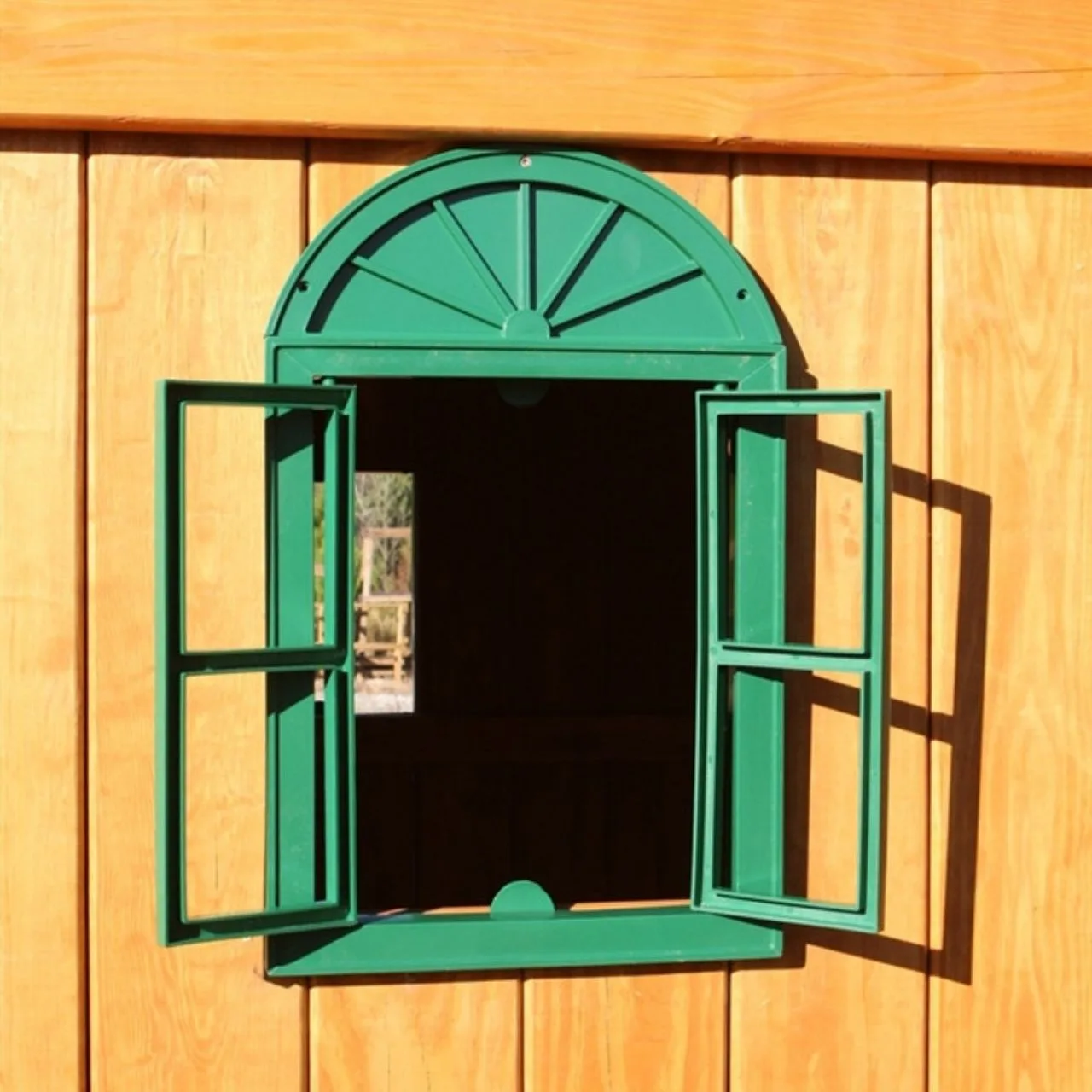
A covered sandbox is still part of the play area, so small accessories can keep the space useful. A dinner bell mounted on a swing set or playhouse gives kids a reason to ring in the start of playtime, and it stays out of the sand. A playhouse window kit adds light and breeze to an enclosed playhouse, which matters on warm days when the sandbox is too hot to use. These are not sandbox covers, but they are backyard sandbox accessories that extend how long kids stay outside.
If your sandbox sits under a playhouse or next to a swing set, keep the cover storage spot close by. A hook on the playhouse wall or a spot under the deck keeps interlocking pieces off the ground and out of the way.
Decision rules for choosing a sandbox cover
- Measure the opening, not the sandbox base: Measure the top rim at its widest point. Add at least one inch of overlap on every side so the cover does not fall in or leave gaps. If your measurement is between two sizes, choose the larger cover and add a simple frame if it sits loose.
- Match the cover to the rim shape: Flat wooden rims work well with interlocking covers. Rolled or angled plastic rims need a cover with a lip or a tie-down, or a custom wooden frame. If the rim is uneven, fix the rim before buying a rigid cover.
- Choose interlocking for partial access: Interlocking pieces let you uncover one section while the rest stays protected. They store flat and replace in sections. Choose interlocking if kids dig in one area at a time and you want lighter lifting.
- Choose a single lid for speed: A single rigid lid removes in one motion but is heavier and harder to store. A fabric cover is lightest but can flap in wind. Choose a single lid if the sandbox is used daily and storage space is not a problem.
- Plan for drainage: A slight tilt or a raised center sheds water. Flat covers pool water and sag over time. If your area gets heavy rain, prioritize a cover that sheds water over one that is extra thick.
Products that fit this decision
- Interlocking Sandbox Cover: The Interlocking Sandbox Cover is designed to help keep your kids' sandbox free of dirt and leaves, with interlocking pieces that fit together to cover the sandbox when it is not in use. This is the core cover style for rectangular sandboxes with a flat rim, and the interlocking design lets you uncover one section at a time.
- Dinner Bell: The Dinner Bell comes with a unique galvanized bell and a universal horse-shoe mount, and it can easily be mounted on any residential swing set. A bell adds a play cue near the sandbox area without taking up sand space, and the universal mount fits most residential swing sets.
- Playhouse Window Kit: The Playhouse Window Kit in green opens with a functioning window and working shutters, lets in more light and breeze, and comes with a decorative frame including a sunburst. If the sandbox sits under an enclosed playhouse, this kit improves airflow and light so the play space stays comfortable while the sandbox is covered.
Who this cover style is for
Best for
- Rectangular or square sandboxes with a flat, level top rim
- Families who want to uncover only part of the sand at a time
- Backyards where the sandbox sits under a playhouse or near a swing set
Not for
- Round sandboxes with no flat rim, where a fitted round cover works better
- Sandboxes with a raised lip or built-in bench that blocks a rigid cover
- Families who want a one-piece cover they can remove in a single motion