Quick answer
Wash your satin bonnet by hand in cold water with a gentle detergent, then air dry it flat away from direct heat. Store it in a breathable pouch or hang it loosely so the satin stays smooth and the elastic band keeps its stretch.
Why satin needs different handling than cotton
Satin is a weave, not a fiber, and its smooth surface is what reduces friction on your hair. That same smoothness makes it prone to snags from zippers, hooks, and rough washing machines. High heat can also break down the delicate fibers and weaken the elastic band over time. Treat your bonnet like a delicate item, and it will keep doing its job: protecting your strands from frizz and breakage while you sleep.
How often should you wash a satin bonnet?
If you wear your bonnet nightly and use leave-in products, wash it every 7 to 10 days. If you have a dry scalp or use minimal product, every two weeks is usually enough. Waiting too long lets oils, sweat, and product residue build up, which can transfer back to your hair and cause dullness or breakouts along your hairline.
What you'll need
Gather a gentle liquid detergent (free of bleach and enzymes), a clean sink or basin, a soft towel, and a drying rack or clothesline. Avoid fabric softener and dryer sheets—they leave a coating that makes satin less effective at reducing friction.
Step-by-step satin bonnet care
- Pretreat stains and buildup: Dampen the spot with cold water and add a drop of gentle detergent. Gently rub the fabric against itself. Do not scrub with a brush or nail, which can snag the satin weave. Checkpoint: the stain should lift without any rubbing that distorts the fabric.
- Hand wash in cold water: Fill a basin with cold water and a small amount of gentle detergent. Submerge the bonnet and gently squeeze the suds through the fabric for about a minute. Never wring or twist. Mistake to avoid: using hot water, which can shrink the band and dull the satin.
- Rinse thoroughly: Drain the soapy water and refill with clean cold water. Press the bonnet gently against the bottom of the basin to release soap. Repeat until no suds remain. Checkpoint: leftover detergent leaves a stiff, filmy feel that attracts lint.
- Remove excess water without wringing: Lay the bonnet flat on a clean, dry towel. Roll the towel up with the bonnet inside and press down to absorb water. Do not twist the towel. Mistake to avoid: wringing, which stretches the elastic and creates creases in the satin.
- Air dry flat or hang loosely: Reshape the bonnet and lay it flat on a drying rack, or hang it from the band on a plastic hanger. Keep it out of direct sunlight and away from radiators or hair dryers. Checkpoint: the bonnet should be completely dry before you wear it or store it.
- Store to protect the satin: Once dry, store the bonnet in a breathable cotton pouch or a dedicated drawer compartment. If hanging, use a padded hanger or a hook that won't leave a crease in the band. Mistake to avoid: storing it in a plastic bag, which traps moisture and can cause mildew.
Products that pair with this care routine
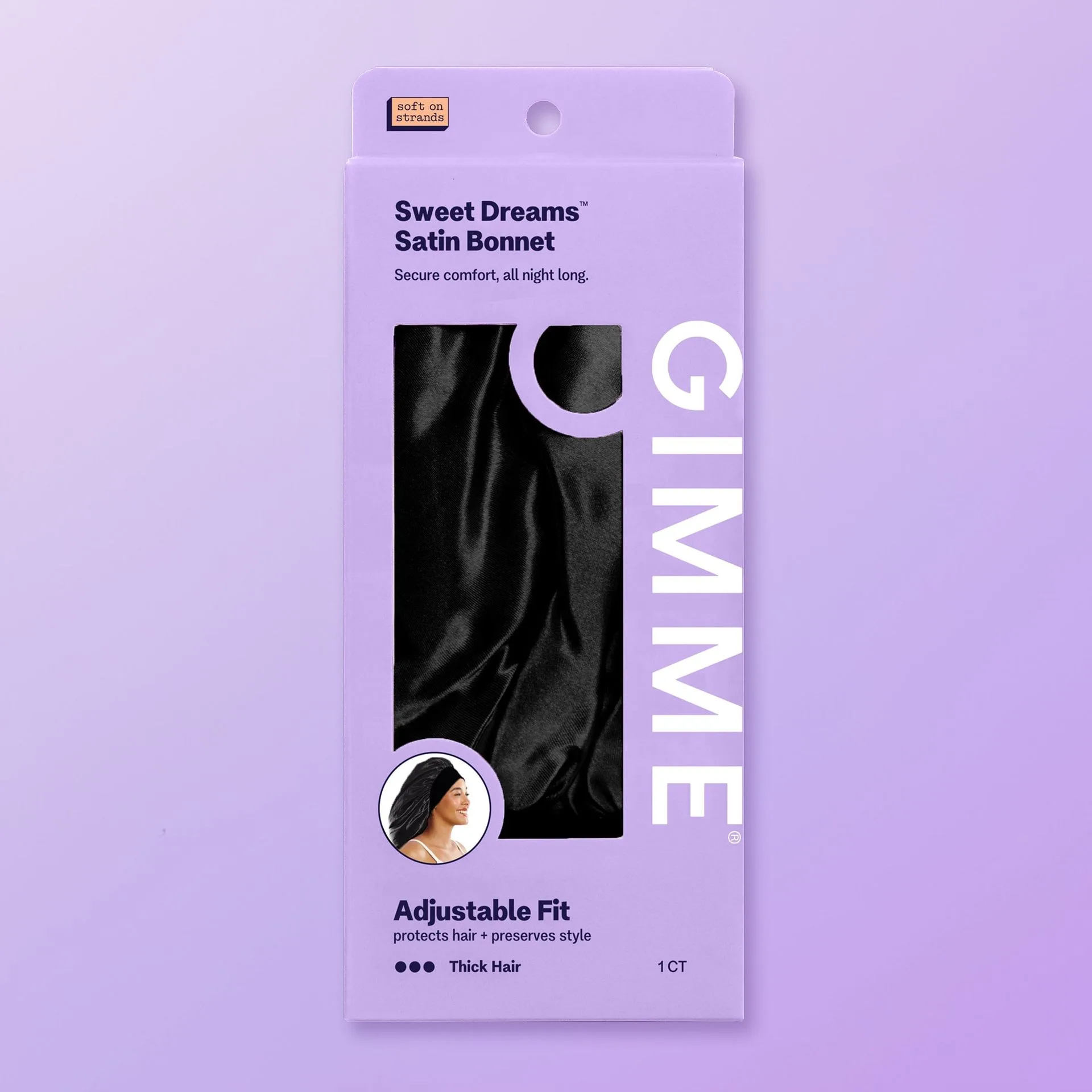
- Sweet Dreams Satin Sleep Bonnet For Longer Hair: Sweet Dreams Satin Sleep Bonnet For Longer Hair is made from ultra-soft satin with a secure yet gentle stretch band, designed to hold thick, voluminous, and textured hair. The stretch band is the part most affected by heat and harsh detergents, so hand washing and air drying help it keep its shape and stay comfortably in place.
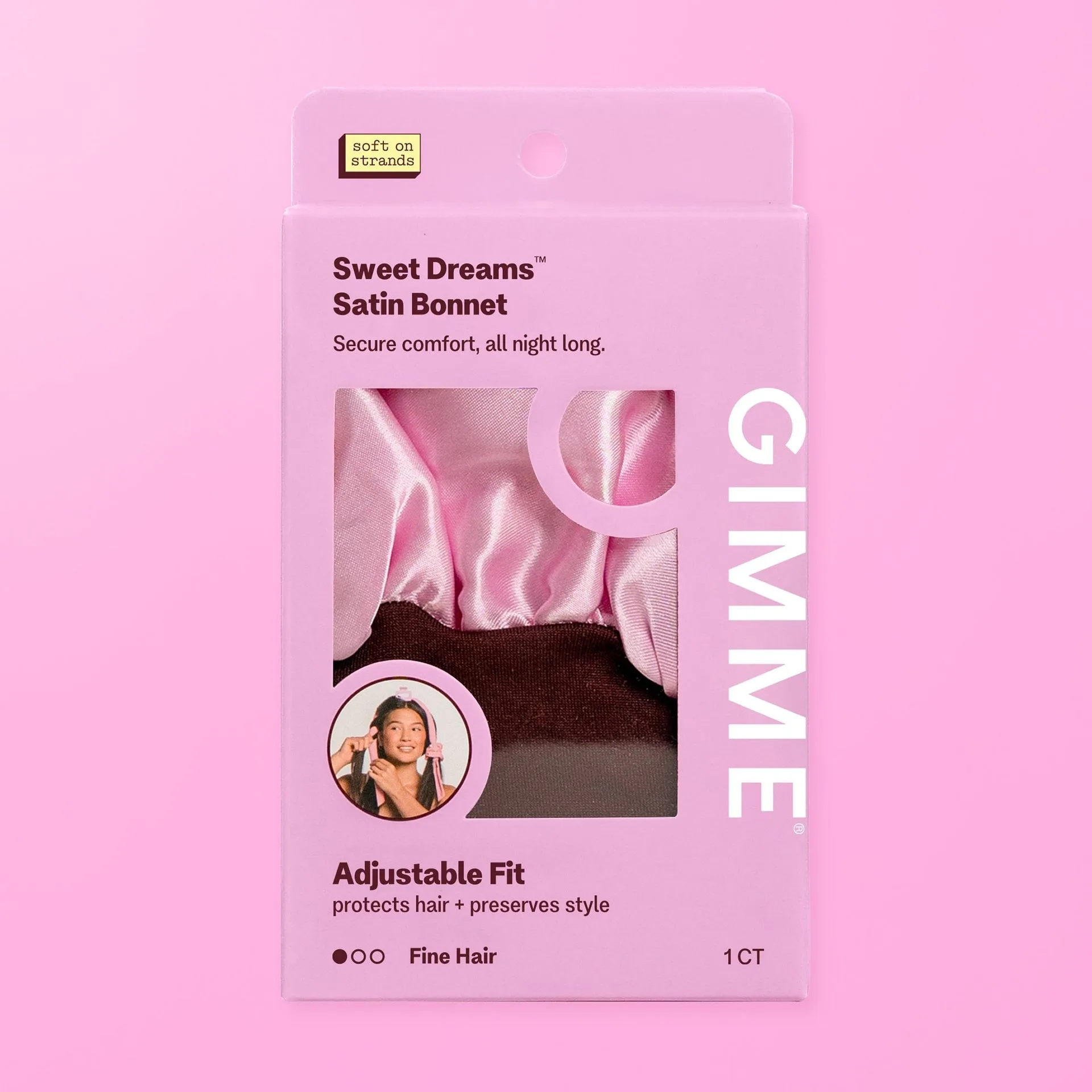
Sweet Dreams Satin Sleep Bonnet
- Sweet Dreams Satin Sleep Bonnet For Shorter Hair - Pink: Sweet Dreams Satin Sleep Bonnet For Shorter Hair - Pink is lightweight and designed to protect delicate, fine strands from friction, frizz, and breakage. Fine hair shows residue quickly, so rinsing this bonnet thoroughly after washing keeps it lightweight and gentle.