Quick answer
For most people, a 20L Savotta pack handles daily carry and short day hikes, while 30–40L covers full-day hikes with layers and food. Choose 60L or more for multi-day trips or winter gear. Fit matters more than litres: match the torso length and hip belt to your body, then pick the smallest volume that holds your kit.
Backpack volume is one of the easiest specs to misread. A 30L pack from one brand can feel smaller than a 25L from another because of shape, pocket design, and how the suspension eats into the main compartment. This Savotta backpack size guide cuts through that by tying litres to real loads, then showing how to choose backpack litres based on your trip length and gear bulk.
Savotta's range runs from streamlined daypacks like the Niukka 20L to larger combat and field packs. Rather than memorising a backpack size chart, use the decision rules below to match volume to use, then confirm the pack fits your torso and carries the weight comfortably.
Start with trip length, not the number on the tag
The fastest way to narrow litres is to count days and seasons. A summer day hike with a water bottle, shell, and snacks usually fits in 15–25L. Add a stove, extra layers, and a first-aid kit for a full day out, and you are in the 25–35L range. Overnight trips with a sleeping bag and tent push you toward 40–60L, while multi-day or winter trips often need 60L+.
Be honest about bulk, not just weight. A synthetic sleeping bag and a bulky puffy jacket can fill a 40L pack even if the total weight is light. If you routinely carry awkward items, size up rather than fighting a tight pack every morning.
- Write down your five bulkiest items before choosing a volume.
- If you are between sizes, pick the larger pack only if you will actually fill it; otherwise the load shifts.
How to choose backpack litres for your body and load
Litres describe volume, not fit. A 30L pack with a short torso will carry poorly on a tall frame, and a 60L pack with an oversized hip belt will rub. Measure your torso length (C7 vertebra to the top of your hip bones) and compare it to the pack's stated fit range. Hip belts should transfer weight to your hips, not your shoulders.
Also consider how the volume is distributed. Clamshell openings, like the one on the Niukka 20L, make it easy to see and reach everything, but they can limit overstuffing. Top-loading packs with compression straps handle irregular loads better. Match the access style to how you pack.
- Load your pack, then adjust the hip belt first, shoulder straps second, load lifters last.
- If the hip belt cannot sit on your iliac crest, the pack is the wrong size regardless of litres.
Savotta 20L vs 30L: what actually changes
The jump from 20L to 30L is not just extra space; it usually adds structure and weight. A 20L pack like the Niukka 20L is designed for daily carry and light hikes, with three zippered compartments and external attachment points. It stays close to your back and does not encourage overpacking. A 30L pack typically adds a framesheet or stays, a more substantial hip belt, and room for a full day's layers and food.
If your current 20L pack is bursting at the seams on day hikes, moving to 30L solves the volume problem but may feel bulky for commuting. If your 30L pack feels empty and floppy on short trips, a 20L pack will carry better. Choose the smaller volume that still fits your realistic maximum load.
- Use a 20L pack if you rarely carry more than a shell, water, and snacks.
- Step up to 30L when you need to carry insulation, a stove, or group gear.
When to size up to 40L, 60L, or more
A 40L pack is the sweet spot for overnight trips with lightweight gear or for full-day hikes in cold weather. It gives you room for a sleeping bag, pad, and small tent if you strap the tent outside. Beyond 40L, you are usually carrying for multiple nights or hauling specialized equipment. A 60L pack handles multi-day trips and winter gear, but it will feel oversized for a day hike.
Do not buy a 60L pack for a 30L trip and expect compression straps to fix it. Excess volume creates a floppy load that shifts and tires you out. Instead, match the pack to your typical trip and use a smaller daypack for shorter outings.
- For overnight trips, start at 40L and adjust based on your sleeping bag's packed size.
- For multi-day trips, 60L+ is common, but check the pack's weight limit and suspension.
Accessories that change usable volume
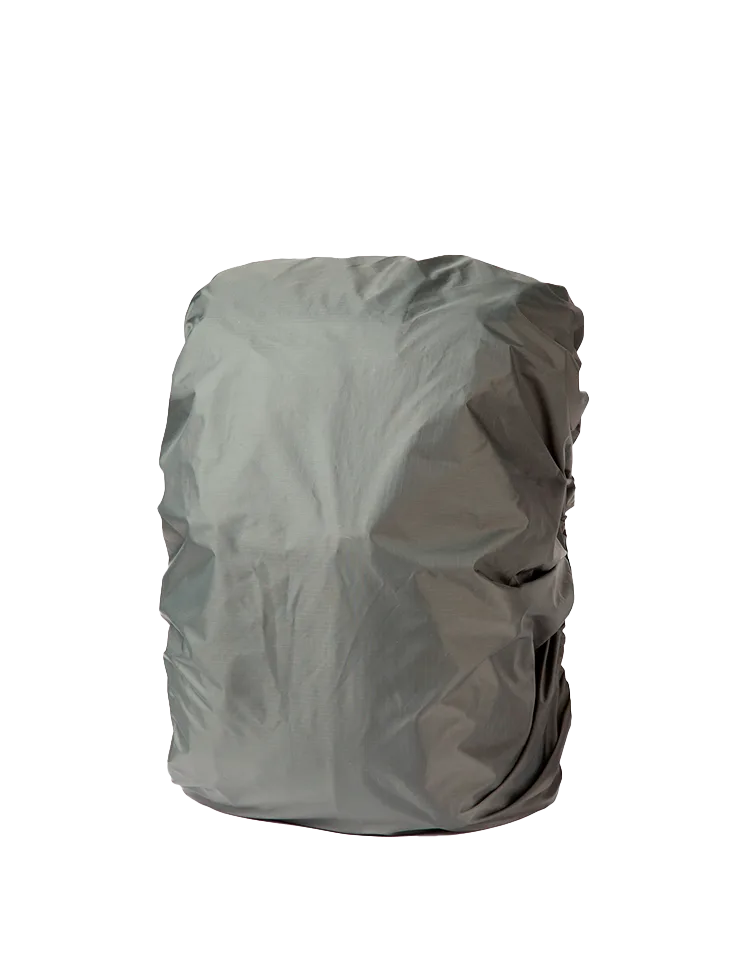
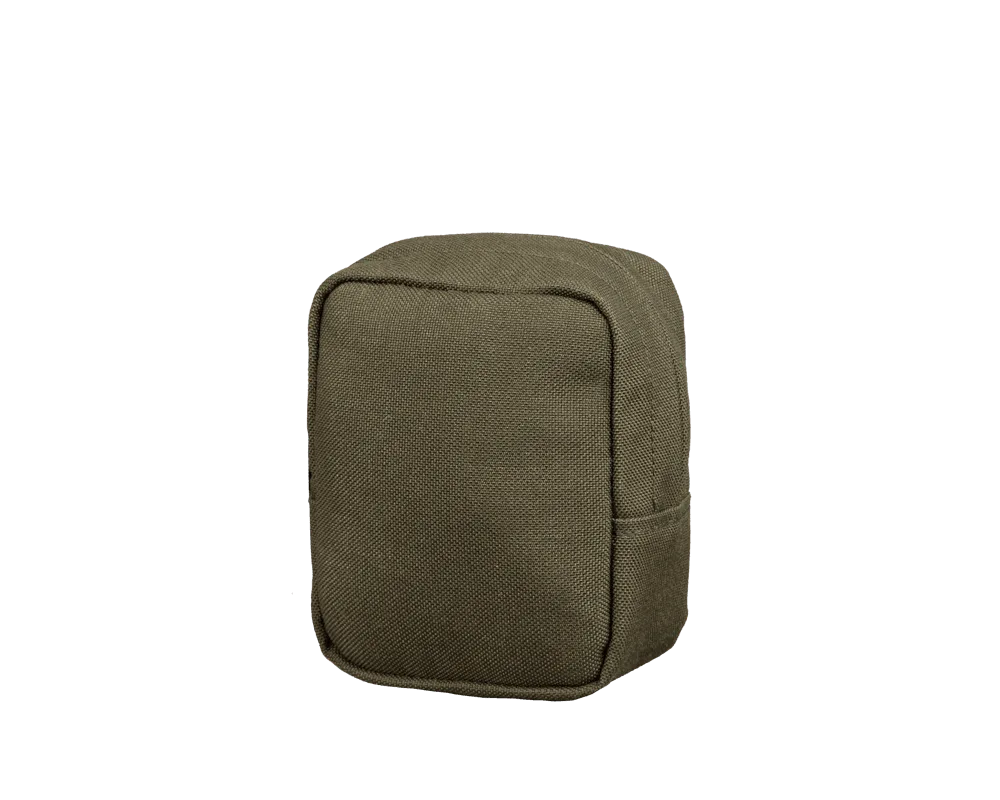
Pouches and covers can effectively increase your carrying capacity without buying a bigger pack. A zipped GP pouch 2x2 attaches via PALS or a belt, giving you quick access to small items so they do not eat main-compartment space. A backpack cover, like the Backpack cover, 30L IRR, keeps rain and snow out, which matters because wet gear takes up more room and adds weight.
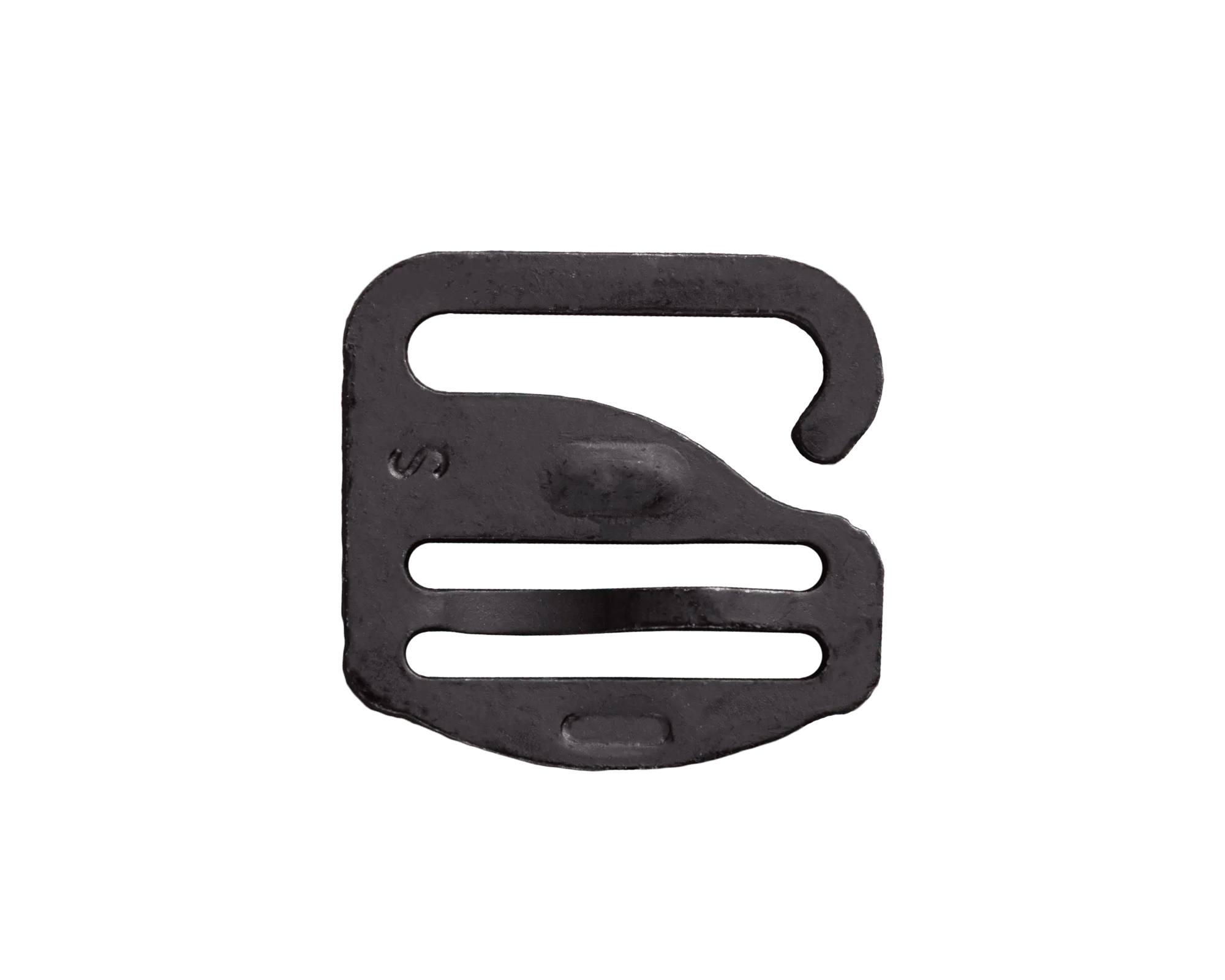
Small hardware also matters. A Savotta G-hook or a 2M WB SR PALS-mount buckle lets you add or reposition pouches, so you can adapt a 20L pack for a specific trip instead of buying a second pack. Treat these as volume multipliers for organization, not as a substitute for the right base size.
- Use pouches for items you need often; keep heavy items in the main compartment.
- A cover protects volume by preventing soaked gear from swelling.
Decision rules for choosing your Savotta backpack volume
- Day hikes and daily carry: Choose 15–25L if you carry a shell, water, snacks, and a small first-aid kit. The Niukka 20L fits this use with its clamshell access and three zippered compartments. If your gear fits with room to spare, stop here; a larger pack will feel sloppy.
- Full-day hikes and winter day trips: Choose 25–40L when you add insulation, a stove, or group gear. Look for a pack with a real hip belt and some frame support. If you are consistently filling a 20L to the brim, move up to 30L or 40L.
- Overnight and multi-day trips: Choose 40–60L for one or two nights with lightweight gear; 60L+ for multi-day or winter trips. Match the pack's suspension to the load weight. Do not buy a 60L pack for day hikes; use a smaller pack and add pouches for organization.
- Fit check before you buy: Measure your torso length and confirm the pack's hip belt sits on your iliac crest. Adjust the hip belt first, then shoulder straps, then load lifters. If the hip belt cannot sit correctly, the pack is the wrong size regardless of litres.
Savotta products that help you dial in volume
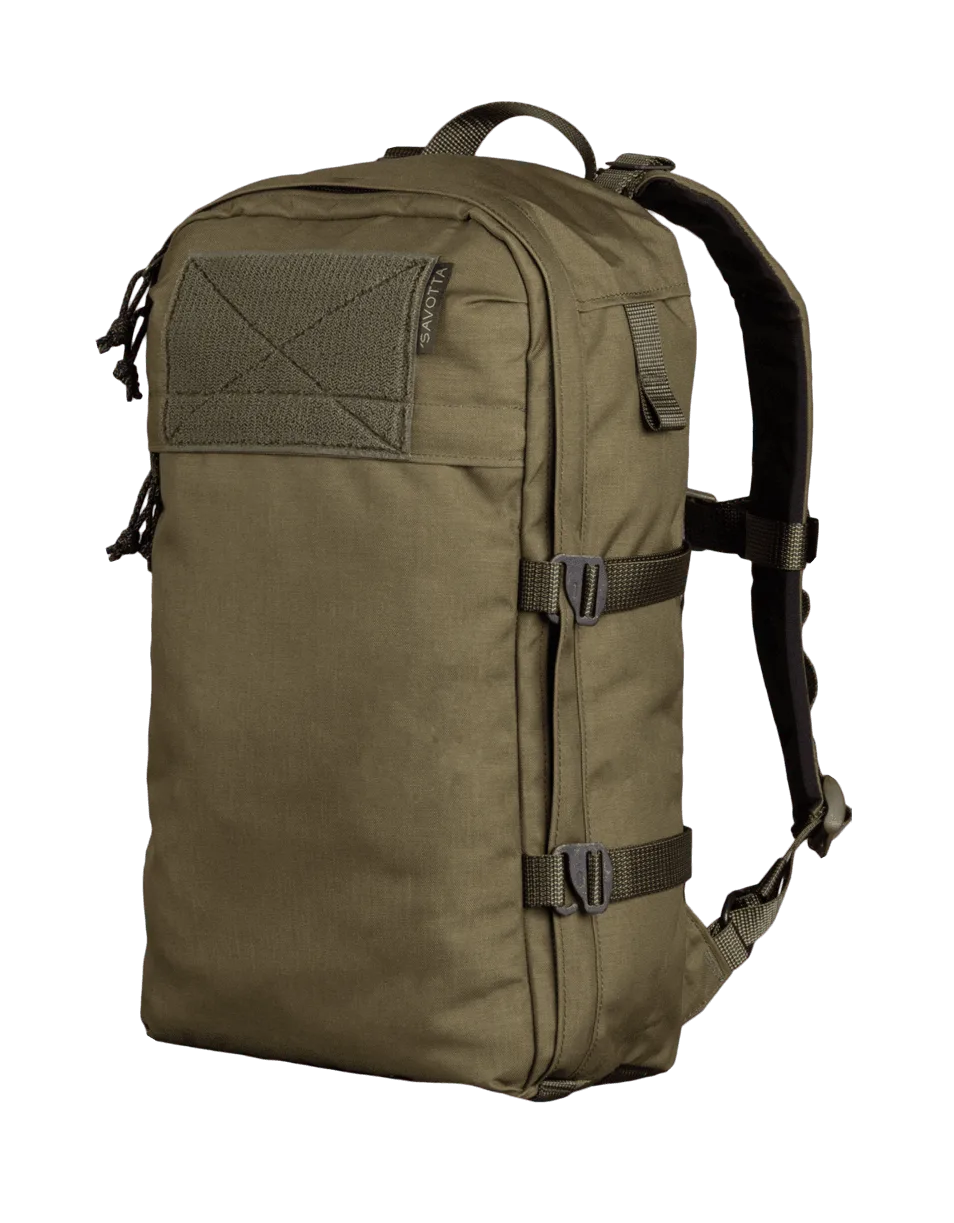
- Niukka 20L backpack: Streamlined, nearly minimalistic daypack with clamshell zipper, 20 litre capacity, three smaller zippered compartments, and external attachment points. A good baseline for daily carry and short hikes; the clamshell opening makes it easy to see and reach your gear without unpacking everything.
- Backpack cover, 30L IRR: Lightweight, waterproof backpack cover for small packs, made from near-infrared adapted materials, with seamless construction and adjustable elastic retention cord. Keeps your pack and contents dry in rain and snow, which prevents gear from gaining water weight and taking up extra space.
- Zipped GP pouch 2x2: Small zipper closure general purpose utility pouch with internal elastic loops and tie-down point, PALS and belt compatible. Adds organized external storage so small items do not consume main-compartment litres, effectively extending your usable capacity.
Who should choose which volume
Best for
- Commuters and day hikers who carry a minimal load and want a streamlined pack like the Niukka 20L.
- Hikers doing full-day trips in variable weather who need room for layers, food, and a stove.
- Backpackers doing overnight or multi-day trips who need 40L+ and a supportive hip belt.
Not for
- Hikers who regularly carry heavy, bulky winter gear and should choose 60L+ instead of a 20–30L pack.
- Travelers who need a one-bag solution for weeks of clothing; they should look at larger duffle or travel packs.
- Anyone who has not measured their torso length; fit cannot be guessed from litres alone.
Pick the smallest volume that comfortably holds your typical load, then confirm the hip belt and torso fit before buying. Use pouches and covers to adapt that pack for different trips rather than buying multiple sizes. If you are still unsure, start with a 20L for day use and a 40L for overnights, and adjust from there.