Quick answer
Yes, you can often use one oil for both, but only if it is light enough for scalp skin and safe near your face. A beard oil with gentle carrier oils and skin-safe dilution can double as a scalp oil, while a heavy scalp treatment may leave a beard greasy. Check the ingredient list first, then patch test.
What actually differs between scalp and hair oil and beard oil
The biggest differences are viscosity, scent strength, and how close the product sits to your eyes, nose, and mouth. Scalp oils are often richer because they are massaged into skin and washed out later. Beard oils tend to be lighter and are meant to stay on facial hair, so they are usually formulated with faster-absorbing carriers.
The overlap is real: both use carrier oils such as jojoba, marula, or baobab, and both may include essential oils. If a beard oil lists skin-friendly carriers and a conservative essential oil blend, it can work as a scalp oil for many people. If a scalp oil is thick, heavily fragranced, or designed for overnight masking, keep it off your beard unless you like a coated feel.
Can I use hair oil on my beard?
You can, but the result depends on the oil's weight and how much you apply. A lightweight natural beard oil or a scalp oil built on jojoba and similar carriers will absorb without leaving a heavy film. A dense oil or one with a strong essential oil load can make beard hair look stringy and may irritate the skin under your chin.
Start with two to three drops warmed between your palms, work it from the beard's mid-length to the ends, then press any leftover into the skin underneath. If your beard feels greasy by midday, switch to a lighter product or use less. If the skin under your beard feels tight or flaky, you may need a separate fragrance-free moisturizer rather than more oil.
Is beard oil good for a dry, flaky scalp?
A gentle beard oil can temporarily soften flakes and reduce tightness on a dry scalp, because the carrier oils help slow moisture loss. That makes it a reasonable travel or emergency option when your usual scalp oil is not available. However, beard oil is not automatically a treatment for seborrheic dermatitis, dandruff caused by a yeast overgrowth, or medically diagnosed scalp conditions.
If your flakes are greasy, yellow, or accompanied by redness and itching that does not improve, see a dermatologist rather than layering more oil. For ordinary dryness, apply a small amount to a clean scalp, massage gently, and wash it out the next morning if your roots look flat. A fragrance-free conditioner bar can help you cleanse without stripping the scalp further.
What about castor oil for beard growth?
Castor oil is a heavy, sticky carrier that some people use on beards, but it is not a proven growth ingredient on its own. Genetics, hormones, and time determine beard density far more than any single oil. Castor oil can make existing beard hair look thicker because it coats the strand, but that is a cosmetic effect, not new growth.
If you want to try it, blend a small amount with a lighter oil such as jojoba rather than applying it straight. Use it sparingly on the beard and avoid it on a flaky scalp unless you plan to wash it out, since its thickness can trap debris. Stop if you notice breakouts or irritation.
How to choose one oil that works for both
Look for short ingredient lists with carriers you recognize, a light texture, and a mild or fragrance-free scent profile. If you have sensitive skin, patch test behind your ear for 24 hours before using the oil on your scalp or beard. Scent is a practical signal: a strongly fragranced product may be fine for beard ends but too much for a large scalp application.
Consider how you will use it. If you plan to massage oil into your scalp and leave it overnight, a heavier formula is fine. If you want one bottle for daily beard grooming and quick scalp touch-ups, choose the lighter option. A conditioner bar can handle detangling and softness so your oil does not have to do everything.
Quick answers to common beard and scalp oil questions
Can I use the same oil on my beard and scalp?
Yes, if it is lightweight, low-scent, and you adjust the amount for each area. Use less on the beard to avoid greasiness and more on the scalp only if you plan to wash it out. One bottle can work for both when the formula is gentle and light.
Will beard oil fix a dry, flaky scalp?
It can soften dryness and reduce tightness, but it is not a treatment for dandruff or seborrheic dermatitis. Persistent or greasy flakes need a dermatologist's advice. Use it for comfort, not as a medical fix.
Does castor oil grow a beard?
No single oil has been proven to grow beard hair. Castor oil can make hair look thicker by coating it, but growth depends on genetics and hormones. Treat castor oil as a styling and softening option, not a growth guarantee.
What is the best oil for beard and hair if I want one product?
Choose a lightweight natural beard oil with jojoba or similar carriers and a mild essential oil blend, then patch test. If your scalp is sensitive, a fragrance-free option is safer. Match the oil to your skin's tolerance first, then to your hair goals.
How often should I apply oil to my beard and scalp?
For beards, once daily or every other day is usually enough. For scalps, use it as a pre-wash treatment one to two times a week unless your dermatologist says otherwise. Start less often and increase only if your skin and hair respond well.
Product facts that matter for this choice
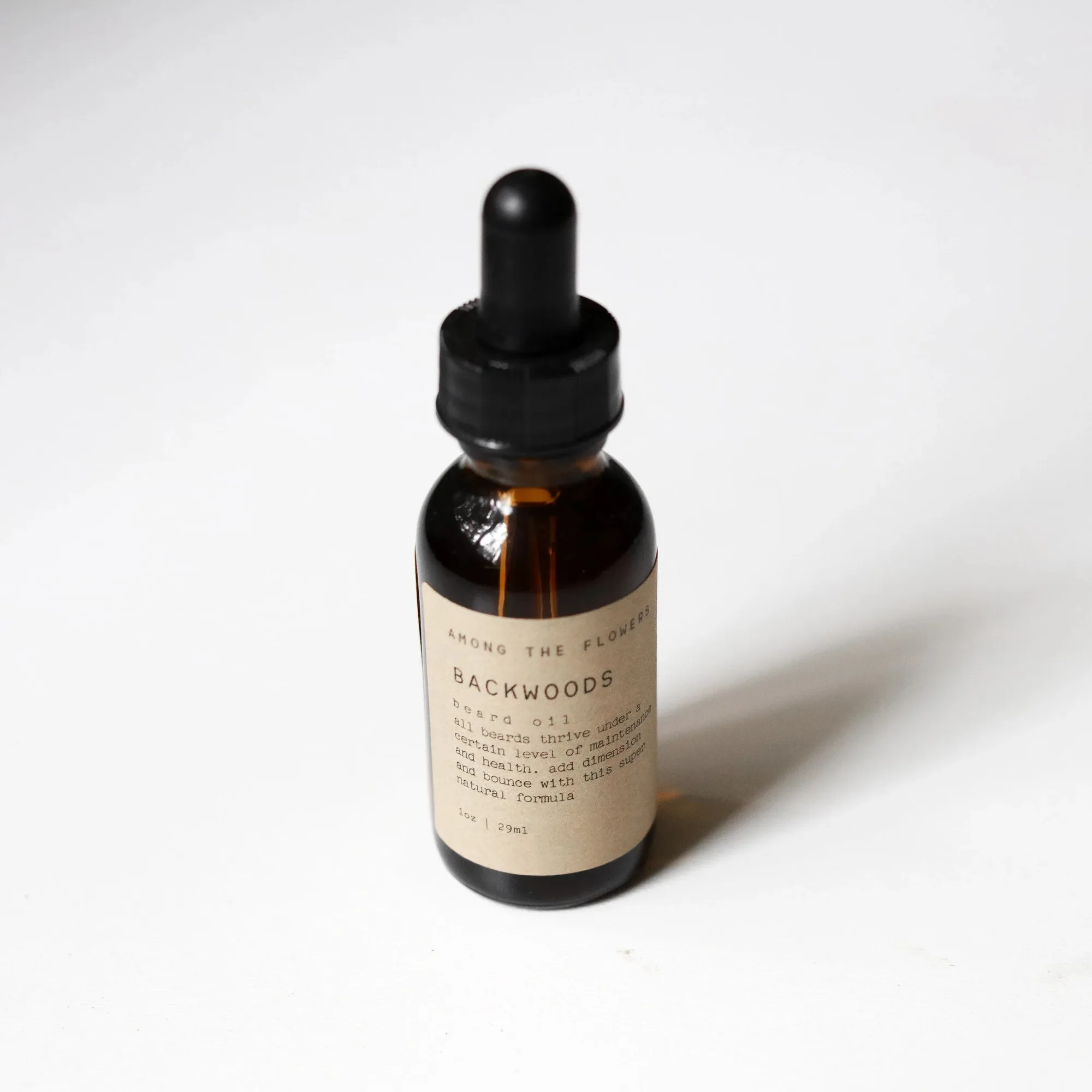
- Beard Oil: Beard Oil is 1 fl oz in a glass bottle with a dropper, made with marula oil, baobab oil, jojoba, evening primrose oil, and essential oils of cedarwood, clove, helichrysum, palo santo, and frankincense. The dropper gives you control over drop-by-drop application, and the carrier oil blend is light enough that it can double as a scalp oil for many people. The essential oil blend is the main caution: patch test if your scalp or facial skin is reactive.
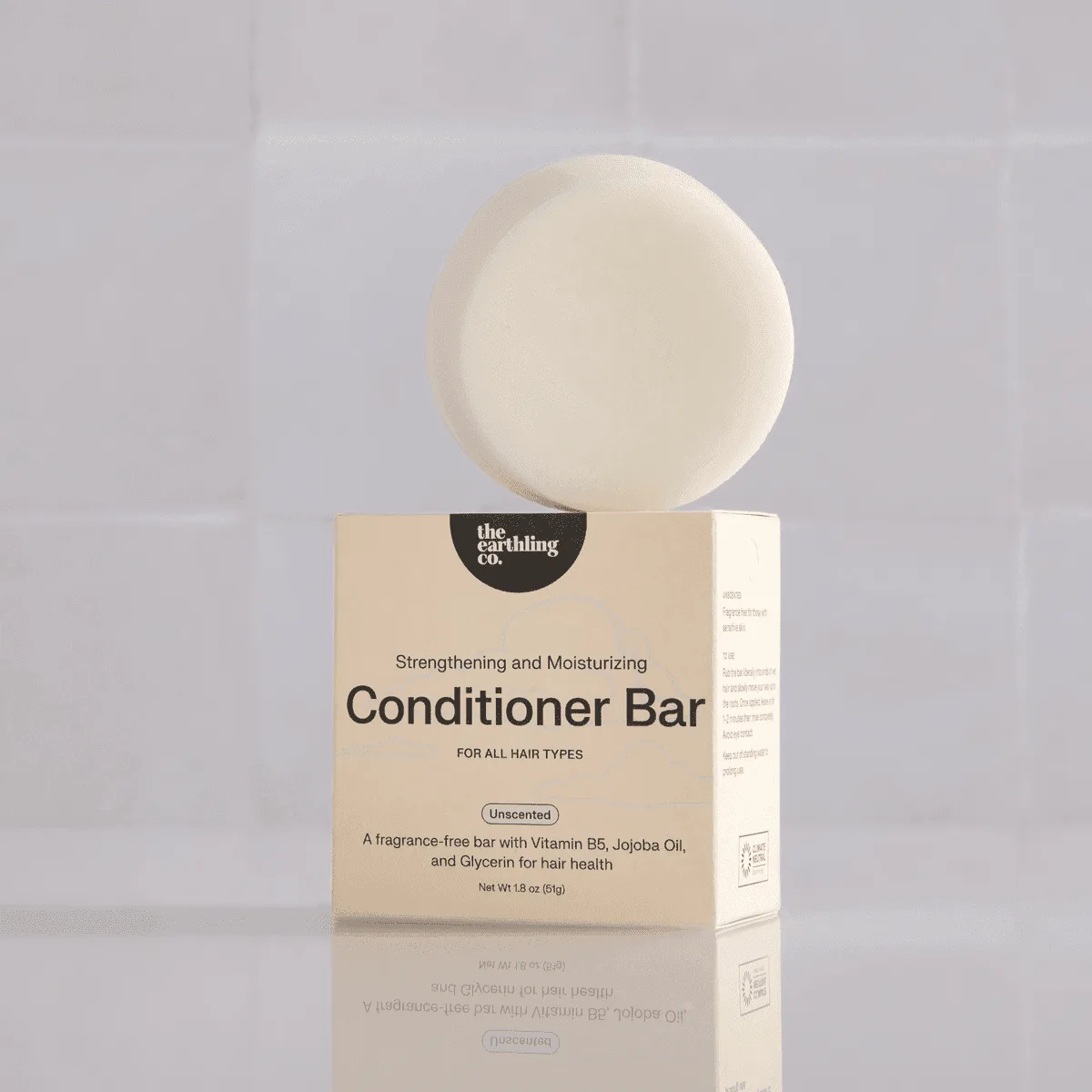
- Conditioner Bar for Sensitive Skin: Conditioner Bar for Sensitive Skin is fragrance-free and described as detangling and hydrating while staying gentle on skin and scalp. If you use one oil for both beard and scalp, a fragrance-free conditioner bar lets you cleanse and detangle without adding more scent or stripping the scalp, which is useful when your oil already contains essential oils.