Quick Answer
Choose a scarf by matching material to your climate, picking a size that fits your styling habits, and verifying care requirements before you buy.
Material Matters: Warmth vs. Weight
Scarf materials range from lightweight cotton to heavy wool. Cotton and linen are breathable and work for mild days or indoor use, while wool and cashmere trap heat for cold weather. Synthetic blends often add durability and easier care but may not breathe as well.
The trade-off is between warmth and weight. A thick wool scarf insulates but can feel bulky, while a thin silk or cotton scarf layers easily but offers less warmth. Consider your typical environment and how much you mind carrying an extra layer.
Seasonal Selection: When to Wear What
For winter, prioritize insulating materials like wool or fleece. For spring and fall, a medium-weight scarf in cotton or a light knit works well. In summer, a sheer or lightweight scarf can provide sun protection or style without overheating.
If you live in a region with unpredictable weather, a versatile mid-weight scarf can bridge multiple seasons. Check the material and thickness to see if it matches your local climate.
Size and Style: Fit Your Look
Scarf length and width affect how you can wear it. Longer scarves allow multiple wraps or a draping style, while shorter ones are simpler and less bulky. Width influences how much coverage you get around the neck.
Consider your wardrobe and styling preferences. If you like to switch between a loose drape and a snug wrap, a longer scarf offers more options. If you prefer minimal bulk, a shorter, thinner scarf might be better.
Decision Rules for Choosing a Scarf
- Match material to climate: If you need warmth, choose wool or fleece. If you need breathability, choose cotton or linen. For changeable weather, pick a mid-weight blend. Check the material label before buying to confirm it suits your typical weather.
- Pick size for your styling: Longer scarves (70 inches or more) allow multiple wraps and draping. Shorter scarves are easier to manage and less bulky. Choose based on how you plan to wear it. Measure a scarf you already own to compare length and width.
- Consider care requirements: Some materials require hand washing or dry cleaning. If you prefer low-maintenance, choose a machine-washable fabric or a blend that is easier to care for. Read the care tag before purchase to avoid surprises.
Product Spotlight
-
Scarf: This Scarf from Quest Nutrition is a versatile accessory designed to complement your everyday style, with a simple and classic design suitable for casual or formal wear. Its lightweight fabric and classic look make it easy to incorporate into existing outfits, giving you a flexible accessory for various occasions.
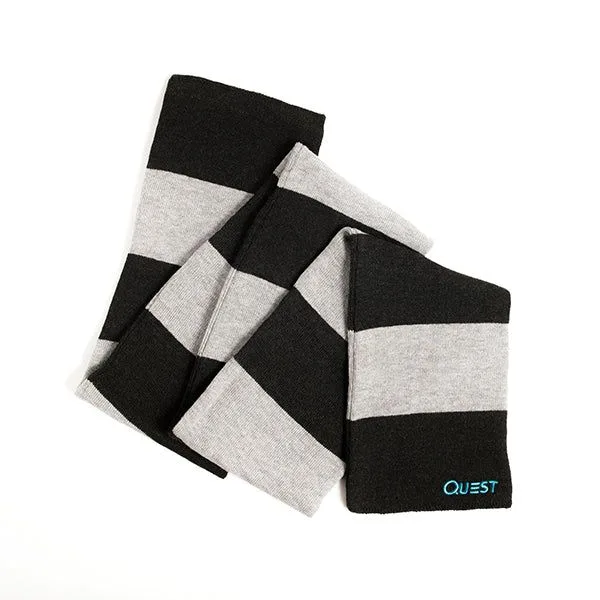
Scarf
Who This Scarf Is For
Best for
- People who want a simple, lightweight accessory for casual or formal wear
- Those looking for a versatile scarf to layer across multiple outfits
Not for
- Extreme cold weather where heavy insulation is required
- Users who need specific material properties like waterproofing or ultra-warmth