Quick answer
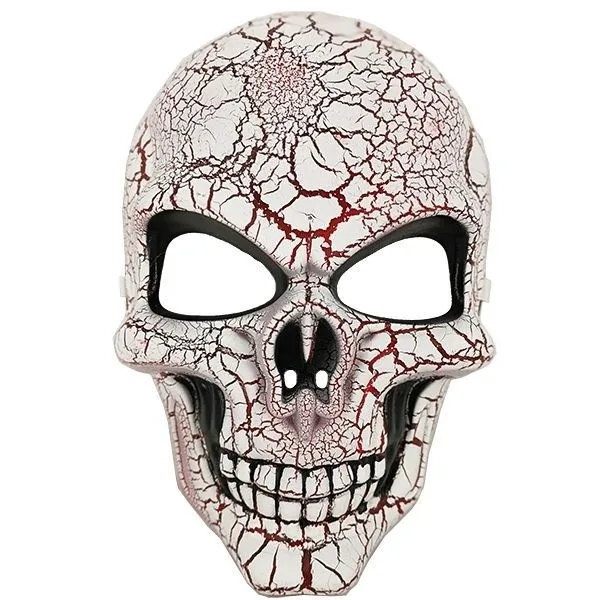
Pick the scare you want to deliver, then match it to the room you will be in. Choose a skeleton mask for graphic, high-contrast horror in photos and close-up scares. Choose a zombie mask for slow, unsettling dread in haunted-house walkthroughs. Choose a clown mask when you need a loud, unmistakable reaction from a crowd. If you are torn, buy the plainest sculpt and let your costume and lighting do the rest.
Match the mask to the scare, not the photo
The biggest mistake buyers make is choosing the mask that looks scariest on a product page. A mask that photographs well in a studio light often reads as flat and confusing in a dim hallway. Ask what you want people to do when they see you: flinch, freeze, or laugh nervously. Skeleton faces win flinch reactions because the bone-white shapes read instantly at a distance. Zombie faces win freeze reactions because the decayed detail rewards a slow approach. Clown faces win nervous laughter, which is exactly what you want at a party where guests need permission to scream.
Read the sculpt before you read the price
A cheap mask with a strong, simple sculpt beats an expensive mask with muddy detail every time. Look for clear eye sockets, a defined mouth line, and a nose bridge that will not collapse against your face. If the product page does not list a material or size, treat that as a decision limitation, not a detail you can assume. In that case, buy the mask with the most readable features, because readable features survive bad lighting and cheap cameras. You can always add fake blood, powder or a wig later; you cannot add structure to a soft, shapeless face.
Visibility and breathing decide how long you wear it
You will keep a mask on for hours only if you can see and breathe. Before you commit, plan your sightlines: if the eye openings sit high or narrow, you will tilt your head down all night and lose your neck. If the mouth is fully closed, your breath will fog the inside and heat your face. For haunted-house work, choose the mask with the largest usable eye openings and pair it with a dark hood so the openings read as black voids. For photo booths and parties, you can trade some visibility for a more dramatic silhouette because you are not walking through dark rooms.
Build the costume around the mask
The mask is the anchor; everything else should support it. Skeleton masks need contrast, so pair them with black clothing and avoid busy patterns that compete with the bone shapes. Zombie masks need texture, so torn fabric, dirt smudges and uneven layering sell the story better than a clean costume. Clown masks need colour discipline: pick one accent colour and repeat it in a wig, collar or tie, or the look becomes a jumble. If you are buying for a group, choose one mask family and vary the details so you look like a themed set rather than four unrelated costumes.
Set a budget per scare, not per mask
Cheap masks are fine when the scare is quick and the lighting is controlled. Spend more when the mask has to survive a full night of walking, sweating and repeated close-ups. A low-cost skeleton or zombie face works well as a second mask for a friend or as a backup if your main mask becomes uncomfortable. A higher-priced clown or detailed zombie sculpt makes more sense when the mask is the centrepiece of a haunted-house room or a contest entry. Decide your maximum before you browse, then treat any mask above that line as a costume upgrade, not a mask purchase.
Decision rules: choose your horror mask in three checks
- Rule 1: Match the scare to the distance: If people will see you from across a room or in photos, choose a skeleton or clown mask with bold, readable shapes. If they will meet you up close in a dark corridor, choose a zombie mask with decayed detail and vacant eyes. Checkpoint: can you recognise the mask from three metres away in dim light?
- Rule 2: Test sightlines before you commit: Compare the eye openings and mouth opening on each candidate. Larger, lower eye openings and an open mouth give you better visibility and airflow, which decides whether you last one hour or four. Checkpoint: if you cannot see your own feet while wearing it, it is a photo mask, not a walkaround mask.
- Rule 3: Let the price follow the role: Buy a low-cost mask when it is a backup, a group filler or a short photo prop. Pay more when the mask is the main event in a haunted-house room or a costume contest. Verdict: spend on the mask people will remember, save on the ones standing behind it.
Product facts that change the decision
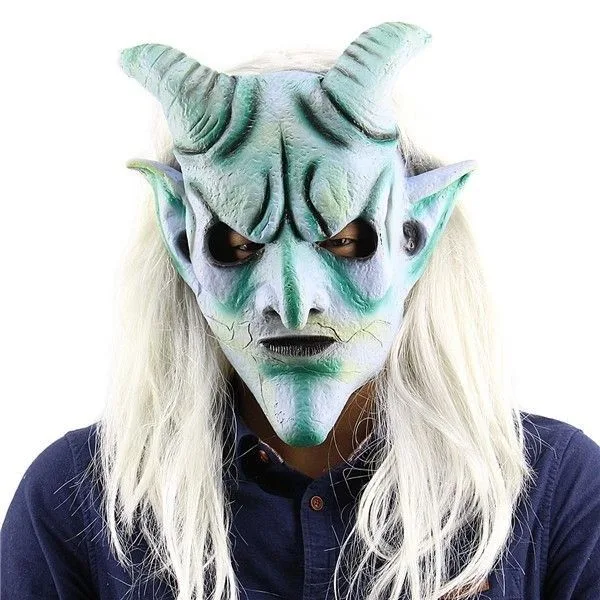
- Halloween Evil Demon Skeleton Face Mask: Halloween Evil Demon Skeleton Face Mask is listed at USD 3.24 against a comparison price of USD 4.99. At this price it works as a low-risk skeleton option for a group costume or a backup mask, so you can spend more on the costume around it.
- Halloween Evil Killer Clown Mask: Halloween Evil Killer Clown Mask is described with colour, blood, huge teeth and spine-chilling eyes, and is listed at USD 9.29 against a comparison price of USD 14.99. The blood and oversized teeth make this a loud, close-range party scare rather than a subtle haunted-house walkthrough mask, and the higher price suits a centrepiece clown look.
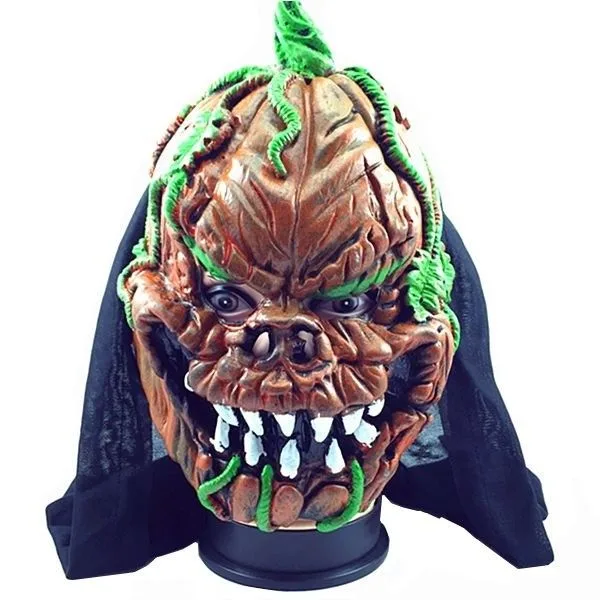
- Halloween Rotting Ghostly Zombie Face Mask: Halloween Rotting Ghostly Zombie Face Mask is described with vacant grey eyes and an open mouth, and is listed at USD 7.70 against a comparison price of USD 11.00. The vacant eyes and open mouth are built for slow, unsettling approaches in dark rooms, so this suits haunted-house work more than fast photo-booth posing.
Who each mask type is for
Best for
- Haunted-house actors who need a mask that stays readable in low light and allows quick movement
- Party hosts and costume-contest entrants who want a loud, immediate reaction from a crowd
- Group costumes where several people need matching horror looks at different budgets
Not for
- Buyers who need verified sizing or material details, because those specifications are not supplied for these masks
- Anyone planning a full night of walking who cannot test the eye openings and airflow first
- Children or anyone who needs unrestricted vision and breathing