Coffee brewing is both an art and a science. While many enthusiasts focus on bean origin or roast level, the most critical factor in determining your cup's flavor is extraction—the process by which water dissolves soluble compounds from coffee grounds. And the single most important variable controlling extraction is brew time.
Whether you use a pour-over, French press, or espresso machine, understanding how brew time influences the chemical balance of your coffee can transform your brewing routine. Get it right, and you unlock sweetness, acidity, and complexity. Get it wrong, and you're left with bitterness or sourness. In this article, we'll break down the science of coffee extraction and explain why brew time matters more than you think.
What Is Coffee Extraction?
Coffee extraction is the process of dissolving soluble solids from roasted coffee beans into water. These solids include acids, sugars, lipids, and bitter compounds, each dissolving at different rates. The goal of brewing is to extract the desirable flavors—fruity acids, caramelized sugars—while leaving behind the harsh, astringent ones.
Extraction yield, measured as a percentage of the coffee's mass that ends up in the cup, ideally falls between 18% and 22%. Below 18%, the coffee is under-extracted, tasting sour or grassy. Above 22%, it becomes over-extracted, bitter, and hollow. Brew time is the primary lever for hitting this sweet spot.
The Chemistry of Brew Time
Different compounds extract at different speeds. Acids, responsible for brightness and fruitiness, dissolve quickly—within the first 30 seconds of contact. Sugars and carbohydrates, which provide body and sweetness, take longer, usually 1 to 3 minutes. Bitter compounds like chlorogenic acid lactones and melanoidins extract last, often after 4 minutes or more.
This means that brew time directly dictates the flavor profile. A short brew (under 2 minutes) will highlight acidity but lack sweetness and body. A long brew (over 5 minutes) can pull in too many bitter notes, masking the coffee's origin character. For balanced results, most manual methods aim for 3–4 minutes of contact time, though grind size and water temperature also play roles.
- Acids extract first (0–30 seconds): bright, tangy notes.
- Sugars and body develop next (30 seconds–3 minutes): sweetness and mouthfeel.
- Bitter compounds appear last (3+ minutes): avoid over-extraction.
How Brew Time Interacts with Grind Size
Grind size controls the surface area exposed to water, which directly affects extraction speed. A finer grind increases surface area, accelerating extraction; a coarser grind slows it down. This is why brew time must be adjusted based on your grind setting.
For example, with a fine grind suitable for espresso (25–30 seconds), the extraction is rapid and concentrated. With a coarse grind for French press (4 minutes), the longer contact time compensates for the reduced surface area. If you use a medium grind for a pour-over, aim for a total brew time of 2:30 to 3:30 minutes. Always taste and adjust: if your coffee is sour, try a finer grind or longer brew; if bitter, go coarser or shorter.
Practical Tips for Perfecting Brew Time
To master brew time, start by following a reliable recipe for your brewing method. For pour-over, use a ratio of 15–17 grams of water per gram of coffee and aim for a total brew time of 2:30–3:30 minutes. For immersion methods like French press, steep for 4 minutes before plunging. For Aeropress, a 1–2 minute steep is typical, but experimenting with longer steeps (up to 4 minutes) can yield surprising sweetness.
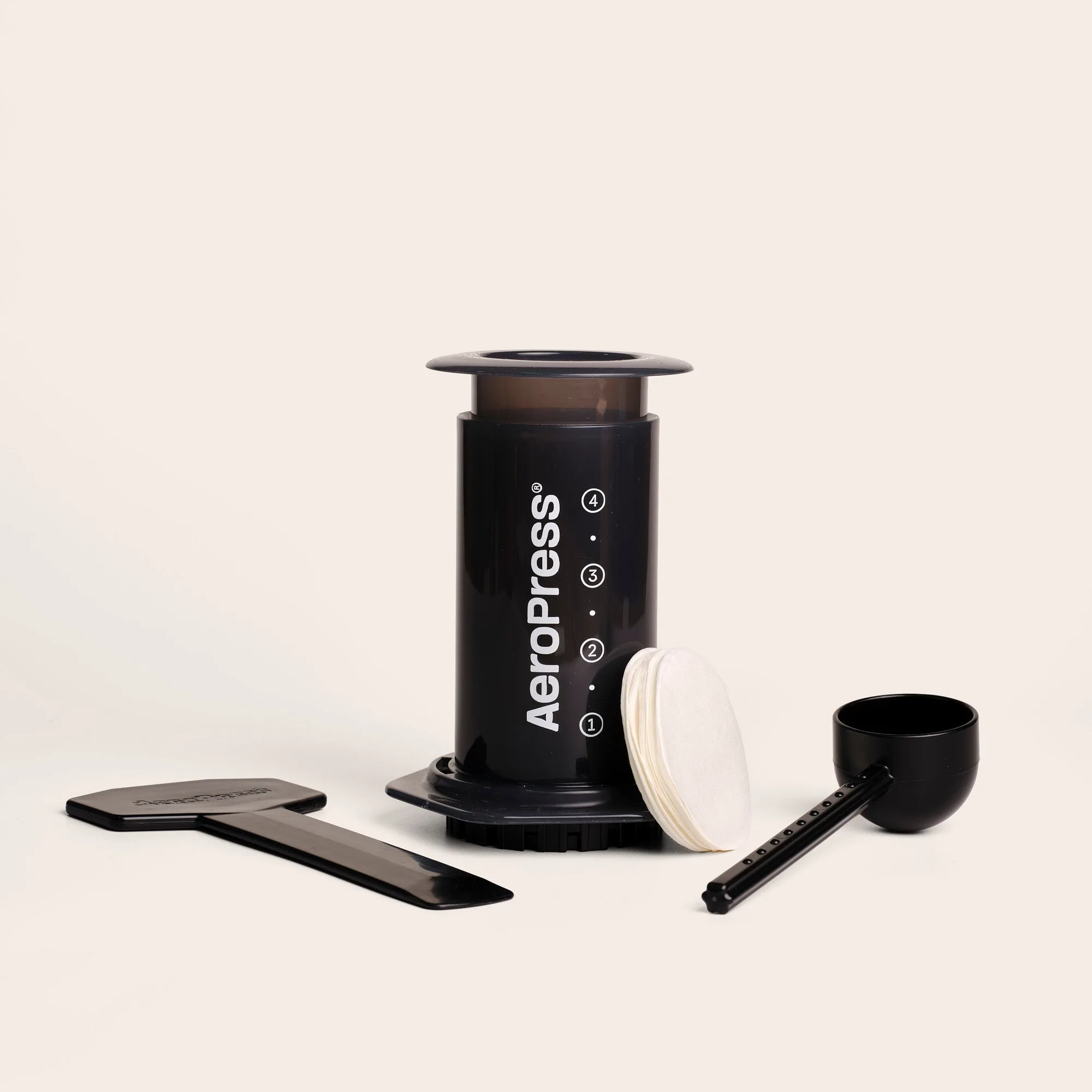
Aeropress
Invest in a timer and a scale—consistency is key. Keep a brewing log to track time, grind size, and taste notes. Over time, you'll learn to dial in the perfect extraction for any bean. And don't forget that freshness matters: freshly roasted coffee extracts more evenly, so store your beans in an airtight container like the Volcano Coffee Set, which includes a stylish tin to preserve flavor.
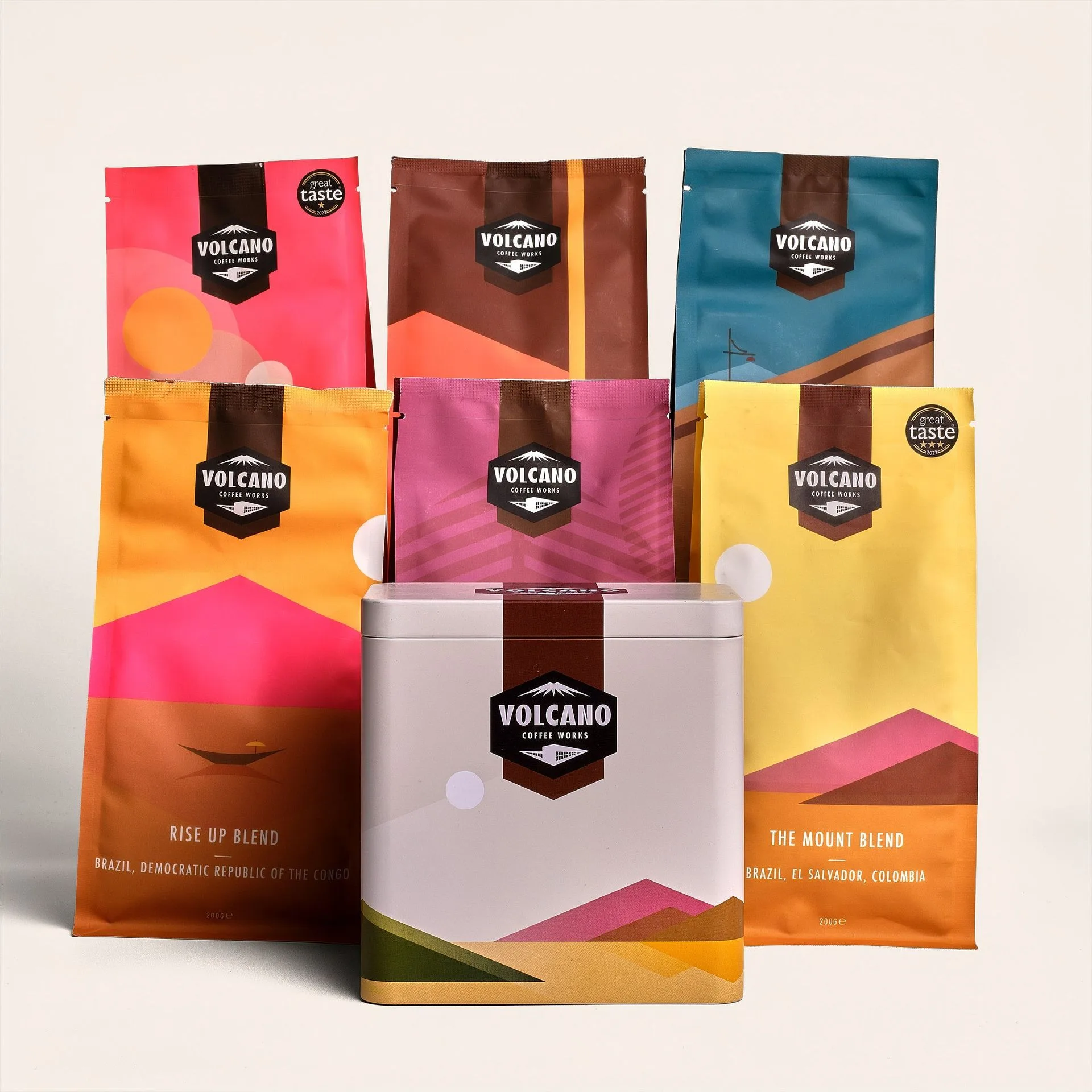
Volcano Coffee Set
- Use a timer for every brew—don't rely on guesswork.
- Adjust brew time in 15-second increments and taste the difference.
- Keep beans fresh with proper storage to ensure consistent extraction.
Common Brew Time Mistakes and How to Fix Them
One common mistake is rushing the brew. A quick pour-over under 2 minutes often yields a sour, under-extracted cup. Slow down your pour, use a gooseneck kettle for control, and aim for a steady stream. Another error is over-steeping immersion brews, especially with fine grinds, which can produce a muddy, bitter result.
If your coffee tastes flat or watery, you might be under-extracting due to too coarse a grind or too short a brew time. If it's harsh and dry, you're likely over-extracting. Adjust one variable at a time—preferably brew time first—until you find the balance. For those who want a convenient, consistent option, consider a subscription like the Mount Blend Coffee Pods Subscription, which delivers pre-dosed, freshly roasted pods that eliminate guesswork.
Mastering brew time is the single most impactful skill you can develop as a home barista. By understanding the chemistry of extraction and paying attention to the clock, you can unlock the full potential of any coffee. Ready to put this science into practice? Explore our selection of freshly roasted beans and brewing gear to start your journey toward the perfect cup.