Every coffee lover knows that a great cup starts with quality beans and fresh water. But the real magic happens during extraction—the process where water dissolves soluble compounds from ground coffee to create the liquid we drink. Understanding the science of coffee extraction can transform your morning brew from hit-or-miss to consistently delicious.
Whether you are a home barista or a curious beginner, grasping the basics of extraction—and how to avoid over extraction and under extraction—will help you unlock deeper flavors, better balance, and more enjoyment from every batch. In this guide, we will break down the key variables, common pitfalls, and practical tips to master the art and science of coffee extraction.
What Is Coffee Extraction?
Coffee extraction is the process by which water pulls soluble compounds—such as acids, sugars, lipids, and bitter compounds—from ground coffee beans. The goal is to achieve a balanced extraction where the pleasant flavors (fruity, sweet, floral) are highlighted without drawing out too many harsh, bitter notes. The extraction yield, typically measured as a percentage of the coffee mass dissolved, ideally falls between 18% and 22% for most brewing methods.
When extraction is too low, you get under extraction—a sour, weak, or salty taste because the desirable compounds haven't been fully dissolved. When extraction is too high, over extraction occurs, resulting in a bitter, astringent, or hollow flavor. The key variables that influence extraction include grind size, water temperature, brew time, and the ratio of coffee to water. By adjusting these, you can dial in your brew to hit the sweet spot.
- Aim for an extraction yield of 18–22% for balanced flavor.
- Under extracted coffee tastes sour, salty, or thin.
- Over extracted coffee tastes bitter, dry, or ashy.
The Role of Grind Size in Extraction
Grind size is arguably the most critical variable in controlling extraction. Finer grinds expose more surface area to water, speeding up extraction, while coarser grinds slow it down. If your coffee tastes sour or weak (under extraction), try a finer grind to increase extraction. If it tastes bitter or harsh (over extraction), go coarser to reduce extraction. Consistency matters too—a uniform grind ensures even extraction across all particles.
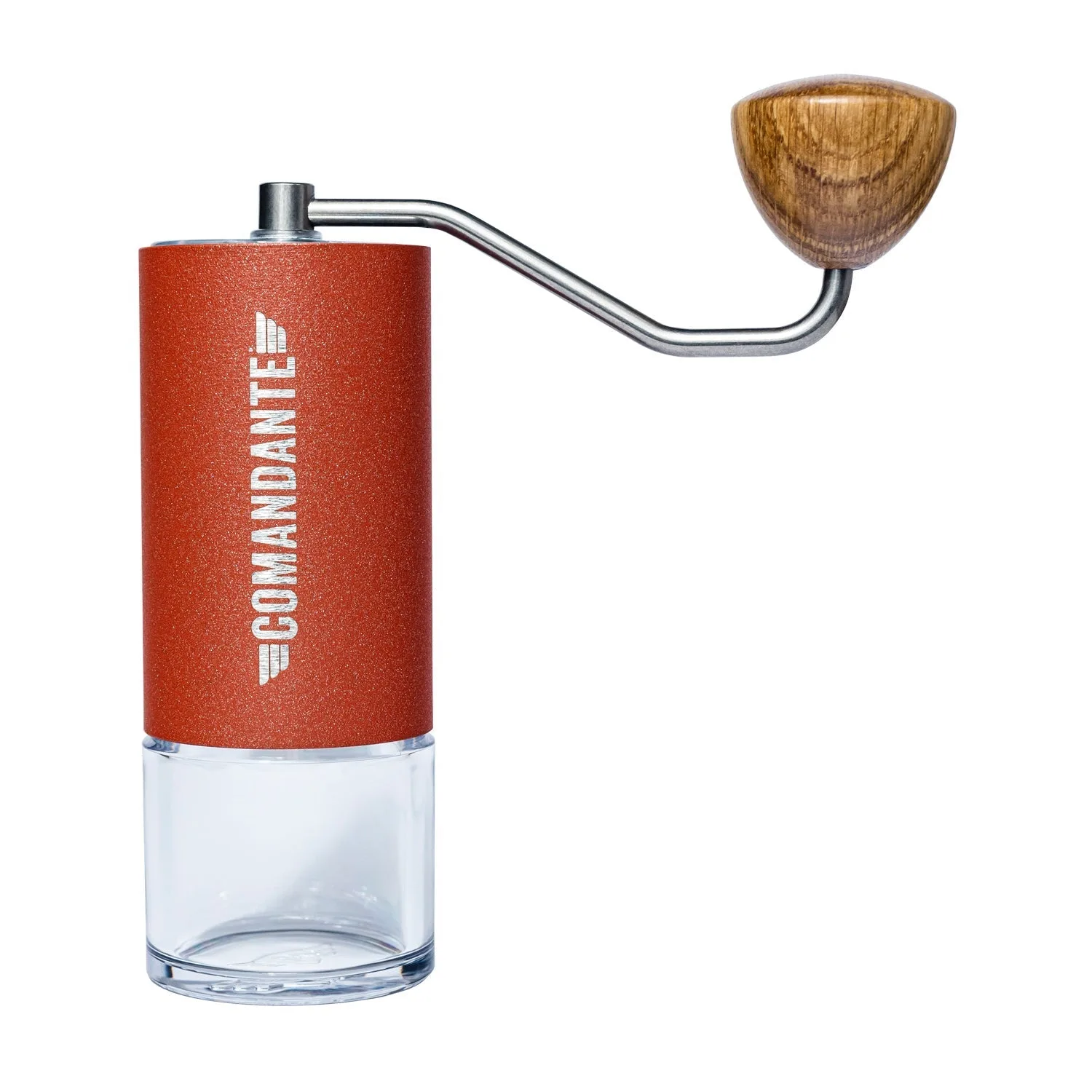
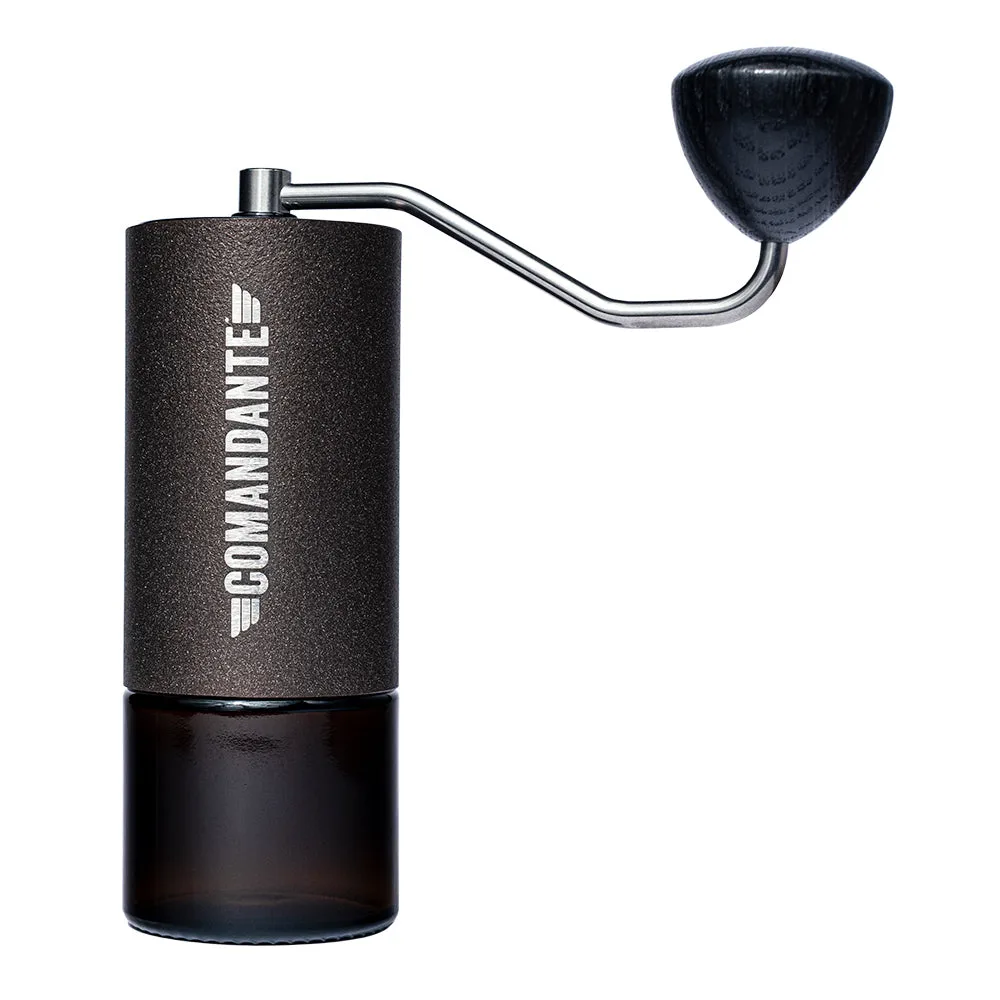
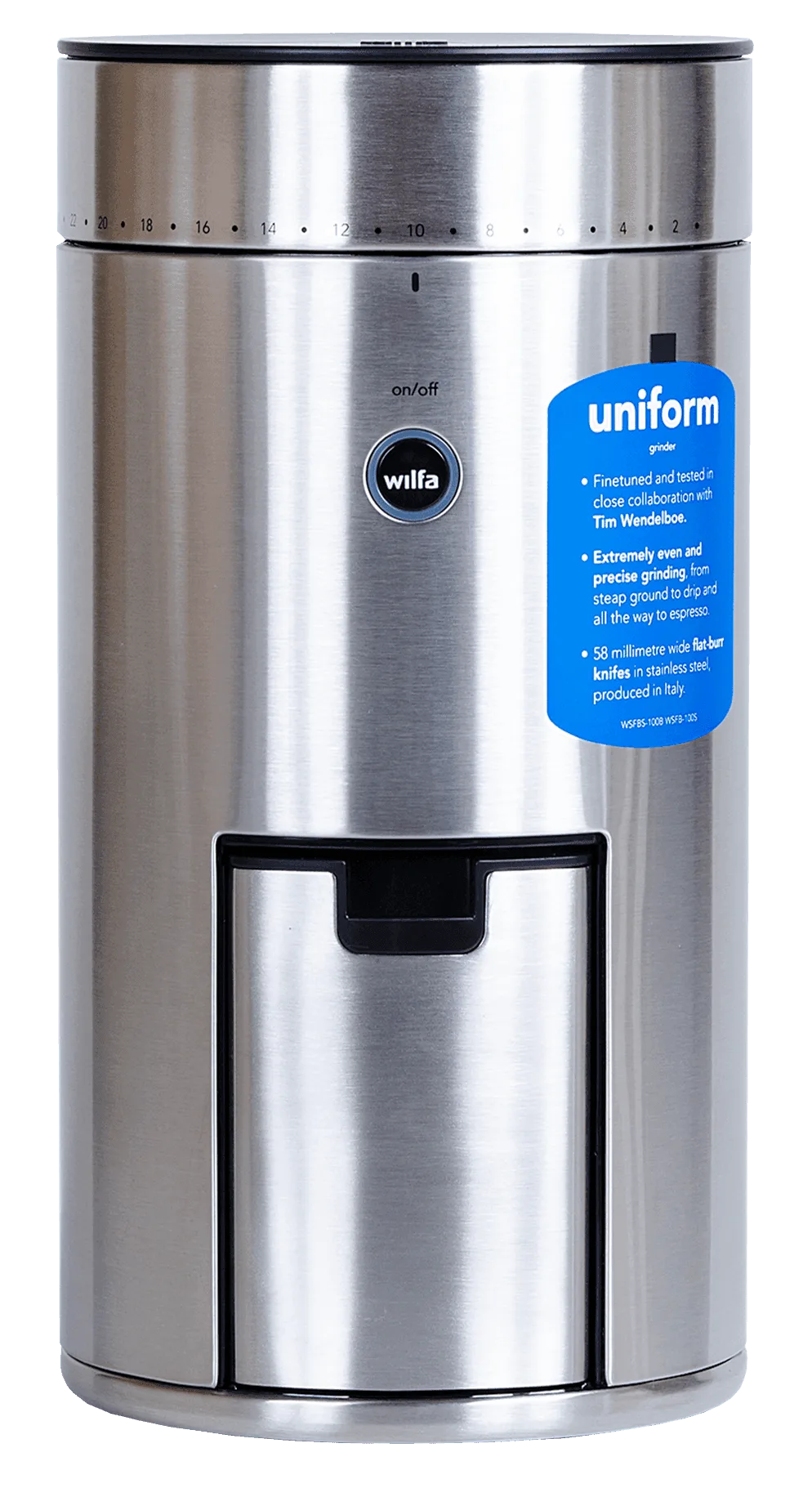
Investing in a quality burr grinder can make a world of difference. For example, the https://beansyai.shop/products/comandante-c40-nitro-blade-coffee-grinder-mk4-133625https://beansyai.shop/products/comandante-c40-nitro-blade-coffee-grinder-mk4-133626https://beansyai.shop/products/comandante-c40-nitro-blade-coffee-grinder-mk4-133627https://beansyai.shop/products/comandante-c40-nitro-blade-coffee-grinder-mk4-133628Comandante C40 Nitro Blade Coffee Grinder MK4 is a favorite among enthusiasts for its consistent particle size and durability. Similarly, the Wilfa Uniform Grinder offers reliable performance for both filter and espresso brewing. A good grinder gives you the control needed to fine-tune extraction and avoid the extremes of over extraction and under extraction.
- Use a burr grinder for consistent particle size.
- Finer grind = faster extraction (use for under extraction).
- Coarser grind = slower extraction (use for over extraction).
Water Temperature and Brew Time: Finding the Balance
Water temperature directly affects the rate of extraction. Hotter water extracts more quickly, but if it's too hot (above 96°C), you risk over extraction and bitterness. Cooler water (below 90°C) can lead to under extraction and sourness. The sweet spot for most brewing methods is between 90°C and 96°C. Brew time also matters—longer contact time increases extraction, while shorter time reduces it.
For pour-over methods like V60 or Chemex, aim for a brew time of 2.5 to 4 minutes. For espresso, the ideal shot time is 25 to 30 seconds. If your brew is running too fast and tastes sour, try a finer grind or hotter water. If it's too slow and bitter, go coarser or cooler. These adjustments help you avoid the common pitfalls of over extraction and under extraction, ensuring a balanced cup every time.
- Optimal water temperature: 90–96°C.
- Adjust brew time based on method (e.g., 25–30 sec for espresso, 2.5–4 min for pour-over).
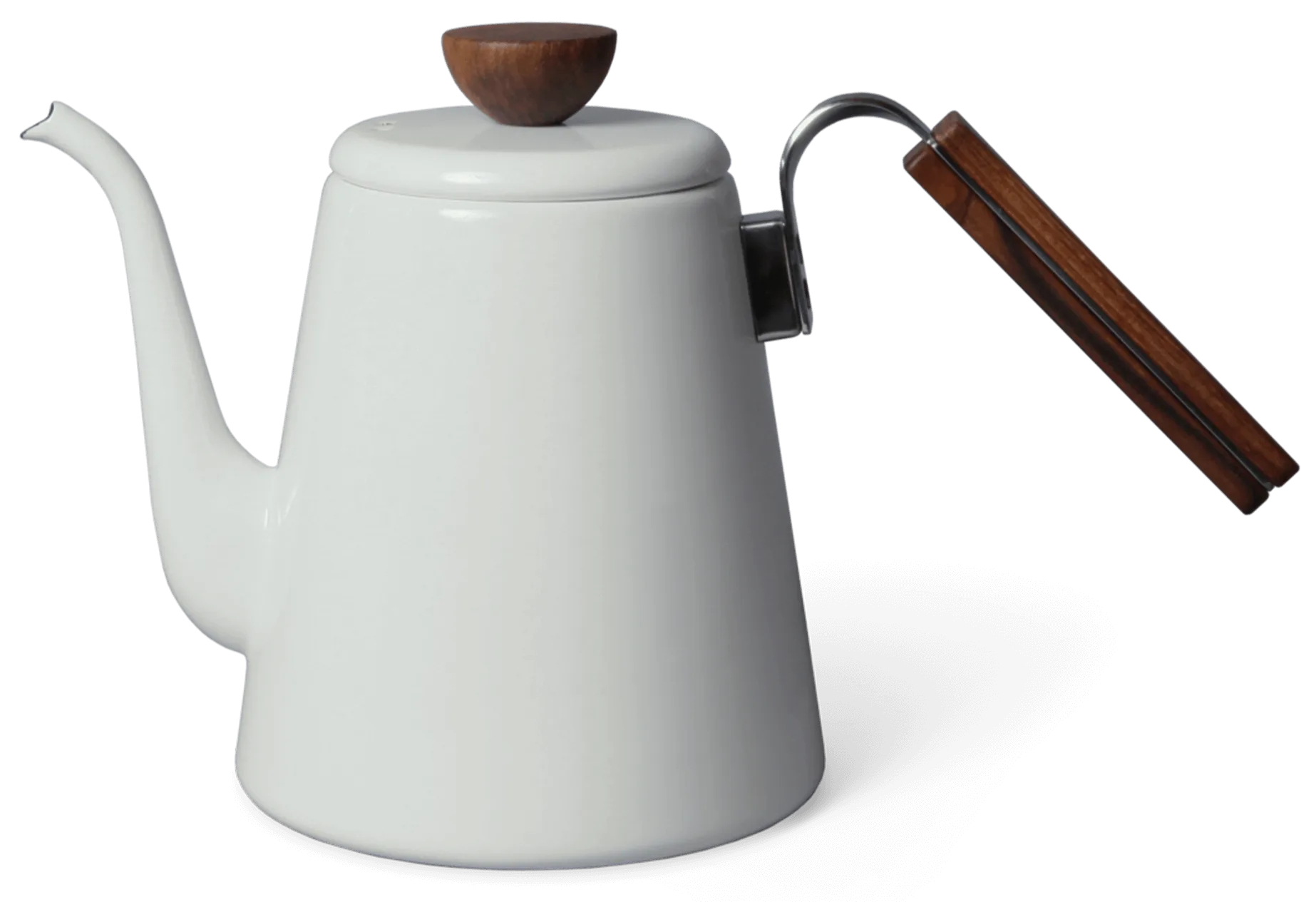
- Use a thermometer or temperature-controlled kettle for precision.
Coffee-to-Water Ratio: The Foundation of Consistency
The ratio of coffee to water determines the strength and extraction potential of your brew. A common starting point is 60 grams of coffee per liter of water (a 1:16.7 ratio) for filter coffee, and a 1:2 ratio for espresso. If you find your coffee consistently under extracted, try using more coffee or less water to increase concentration. Conversely, if it's over extracted, dilute with more water or use less coffee.
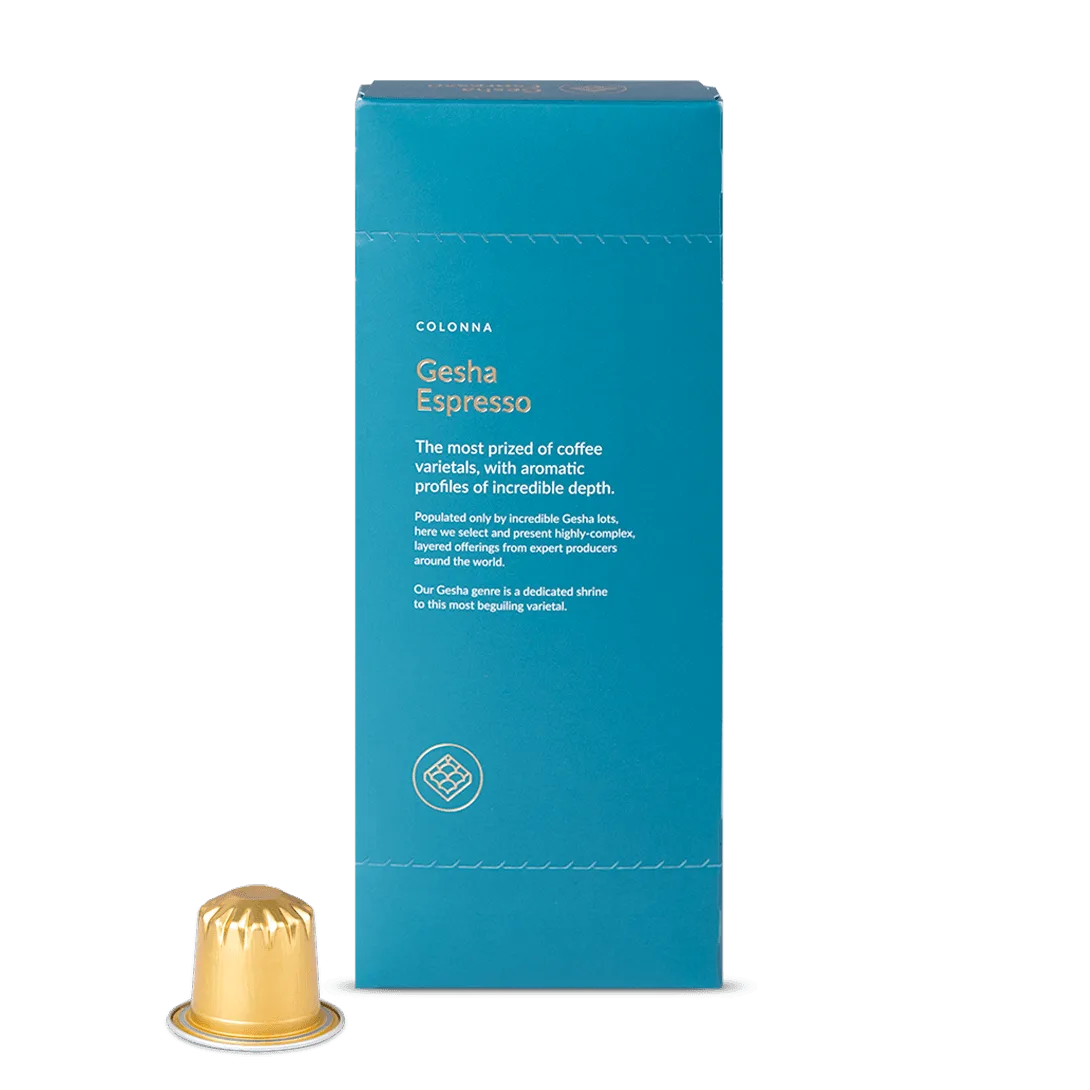
Experimenting with ratios is a great way to refine your palate. For example, a 1:15 ratio (more coffee) can produce a richer, more extracted cup, while a 1:18 ratio (less coffee) may yield a lighter, cleaner flavor. Keep a log of your recipes to track what works best for each bean. And when you find a favorite, consider trying a single-origin like the 005C - Nuguo Honey Gesha, which shines with a precise extraction that highlights its delicate floral and honey notes.
- Standard filter ratio: 60g coffee per 1L water (1:16.7).
- Standard espresso ratio: 1:2 (e.g., 18g coffee → 36g liquid).
- Adjust ratio to correct under extraction (more coffee) or over extraction (less coffee).
Common Signs of Over Extraction and Under Extraction
Recognizing the symptoms of over extraction and under extraction is the first step to fixing them. Under extracted coffee often tastes sour, salty, or grassy, with a thin body and no sweetness. Over extracted coffee tastes bitter, dry, or ashy, with a hollow finish. A perfectly extracted cup will be sweet, balanced, and complex, with a pleasant acidity and a smooth mouthfeel.
If you're unsure, try a simple cupping session with your beans. Compare the flavor of a fast brew versus a slow brew. You can also use a refractometer to measure total dissolved solids (TDS) and calculate extraction yield—but for most home brewers, taste is the best guide. Keep refining your technique, and don't be afraid to experiment with different beans, like the Foundation Beans, to see how their unique characteristics respond to extraction variables.
- Under extraction: sour, salty, weak, grassy.
- Over extraction: bitter, dry, astringent, hollow.
- Perfect extraction: sweet, balanced, complex, smooth.
Mastering the science of coffee extraction is a rewarding journey that turns every cup into a deliberate, delicious experience. By understanding how grind size, water temperature, brew time, and ratio affect extraction, you can consistently avoid over extraction and under extraction. Ready to put your knowledge into practice? Explore our selection of specialty beans and tools to elevate your brewing game—starting with the 005C - Nuguo Honey Gesha, a perfect bean for dialing in your extraction skills.