Collagen has become a buzzword in the wellness industry, but what does the science actually say? From skin elasticity to joint health, collagen supplements are touted for a wide range of benefits. However, not all claims are backed by rigorous research. In this article, we'll dive into the science behind collagen, examining clinical trials and studies to separate fact from fiction.
We'll explore how collagen works in the body, what the evidence supports, and how you can choose the right collagen supplement based on scientific findings. Whether you're new to collagen or looking to deepen your understanding, this guide will provide a research-backed overview of collagen's potential benefits.
What Is Collagen and How Does It Work?
Collagen is the most abundant protein in the human body, making up about 30% of total protein content. It provides structural support to skin, bones, muscles, tendons, and ligaments. Think of it as the 'glue' that holds the body together. There are at least 28 types of collagen, but types I, II, and III are the most common in supplements.
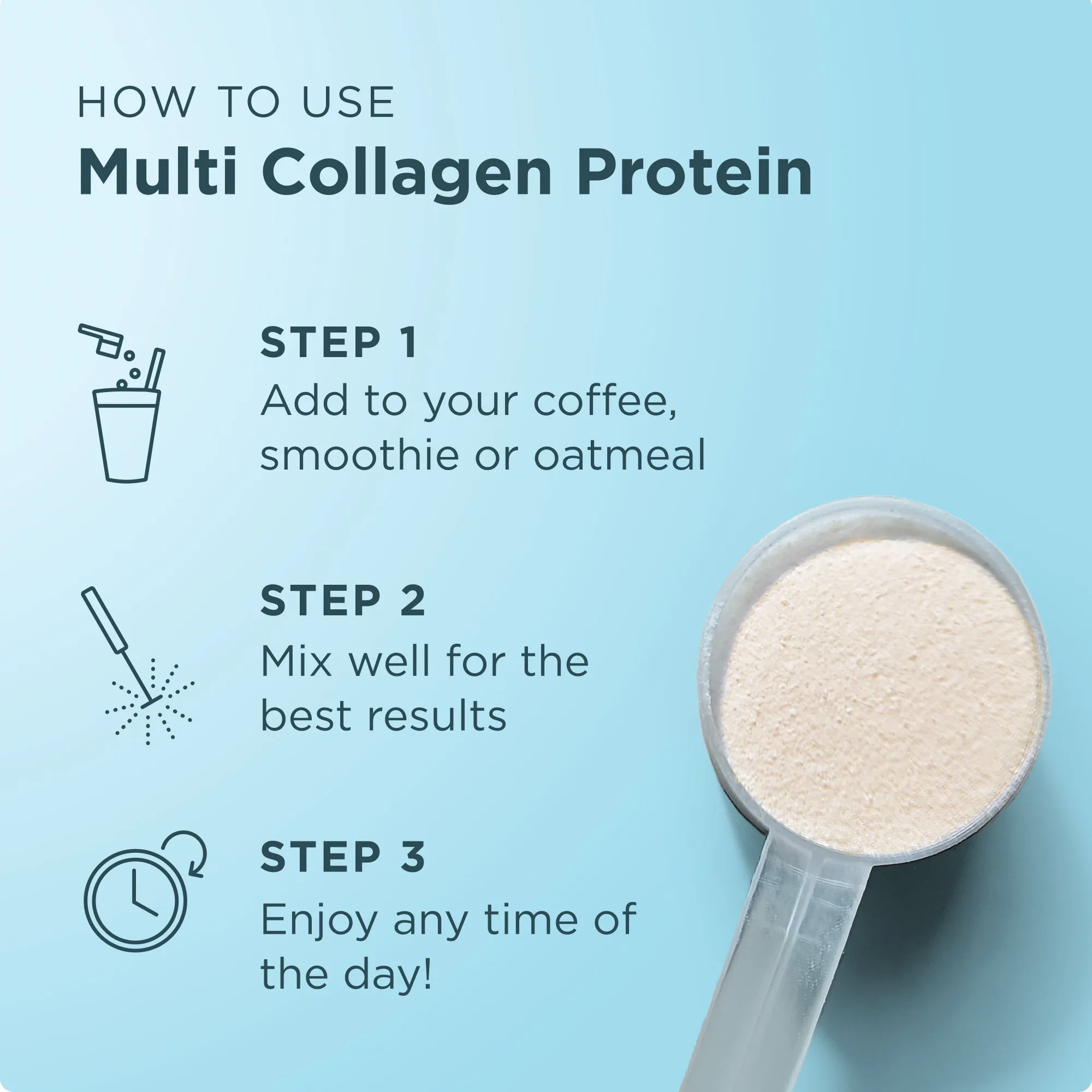
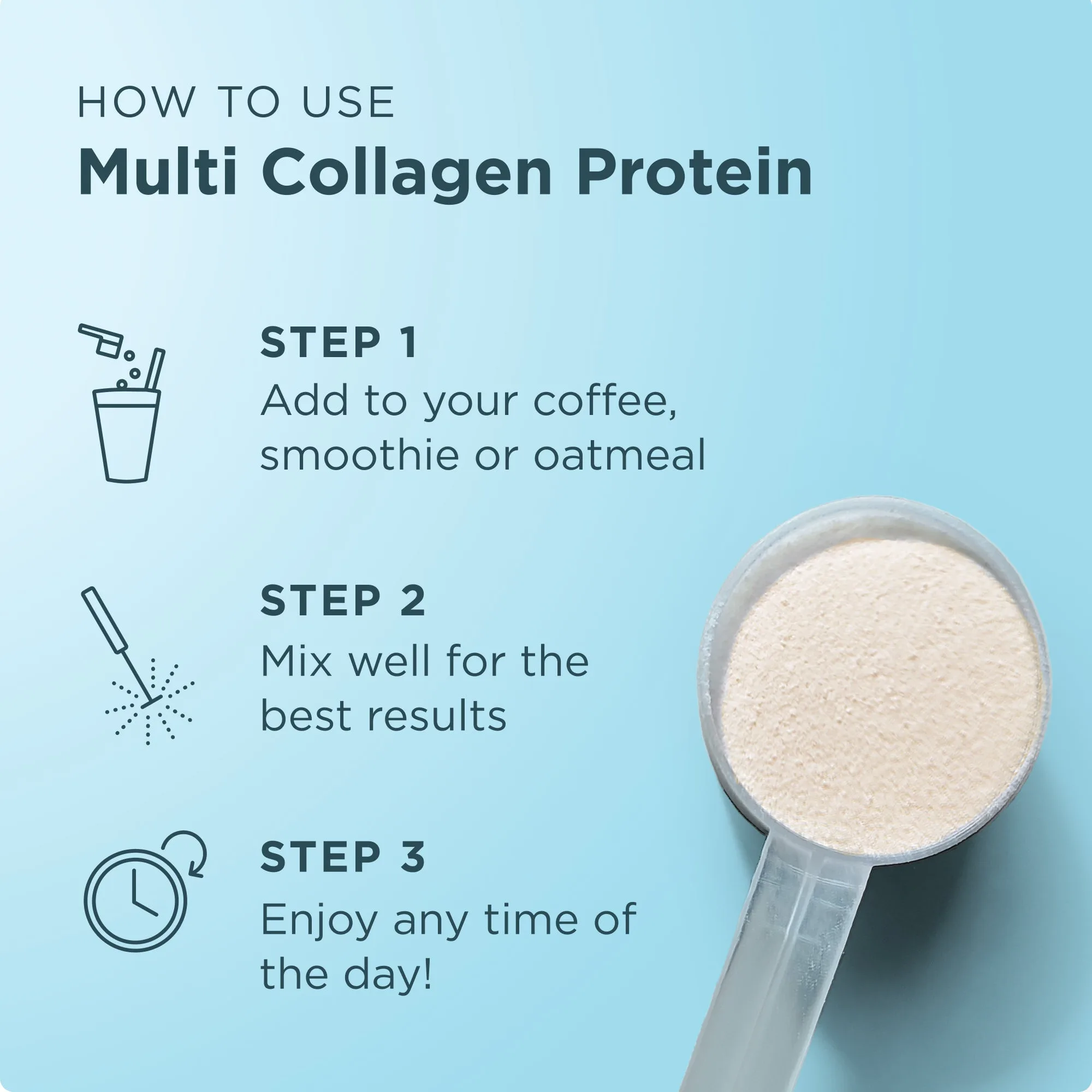
When you consume collagen, it's broken down into amino acids and peptides during digestion. These peptides can stimulate the body's own collagen production through a process called the 'fibroblast response.' Research suggests that specific collagen peptides, like those found in https://ancientnutritionve.com/products/multi-collagen-protein-445448https://ancientnutritionve.com/products/multi-collagen-protein-multi-collagen-protein-vanilla-445456https://ancientnutritionve.com/products/multi-collagen-protein-multi-collagen-protein-chocolate-445457https://ancientnutritionve.com/products/multi-collagen-protein-multi-collagen-protein-powder-pure-100-servings-445459Multi Collagen Protein, may be more effective at triggering this response than whole collagen sources.
- Collagen types I, II, and III are the most prevalent in supplements.
- Collagen peptides are absorbed and can stimulate new collagen synthesis.
- Vitamin C is often recommended to enhance collagen absorption.
Clinical Trials on Collagen for Skin Health
Several clinical trials have investigated collagen's effects on skin aging. A 2019 meta-analysis of 11 studies found that oral collagen supplements significantly improved skin hydration and elasticity compared to placebo. Another 2020 randomized controlled trial reported that women who took collagen peptides for 12 weeks saw a reduction in wrinkle depth and an increase in skin density.
The mechanism appears to be related to collagen peptides' ability to stimulate fibroblasts and increase the production of collagen and elastin in the dermis. While results are promising, experts note that most studies are short-term and funded by supplement manufacturers, so more independent research is needed.
- Meta-analyses show collagen can improve skin hydration and elasticity.
- Collagen peptides may reduce wrinkle depth after 12 weeks of use.
- Look for supplements with clinically studied doses, like 2.5-10 grams per day.
Collagen Research on Joint and Bone Health
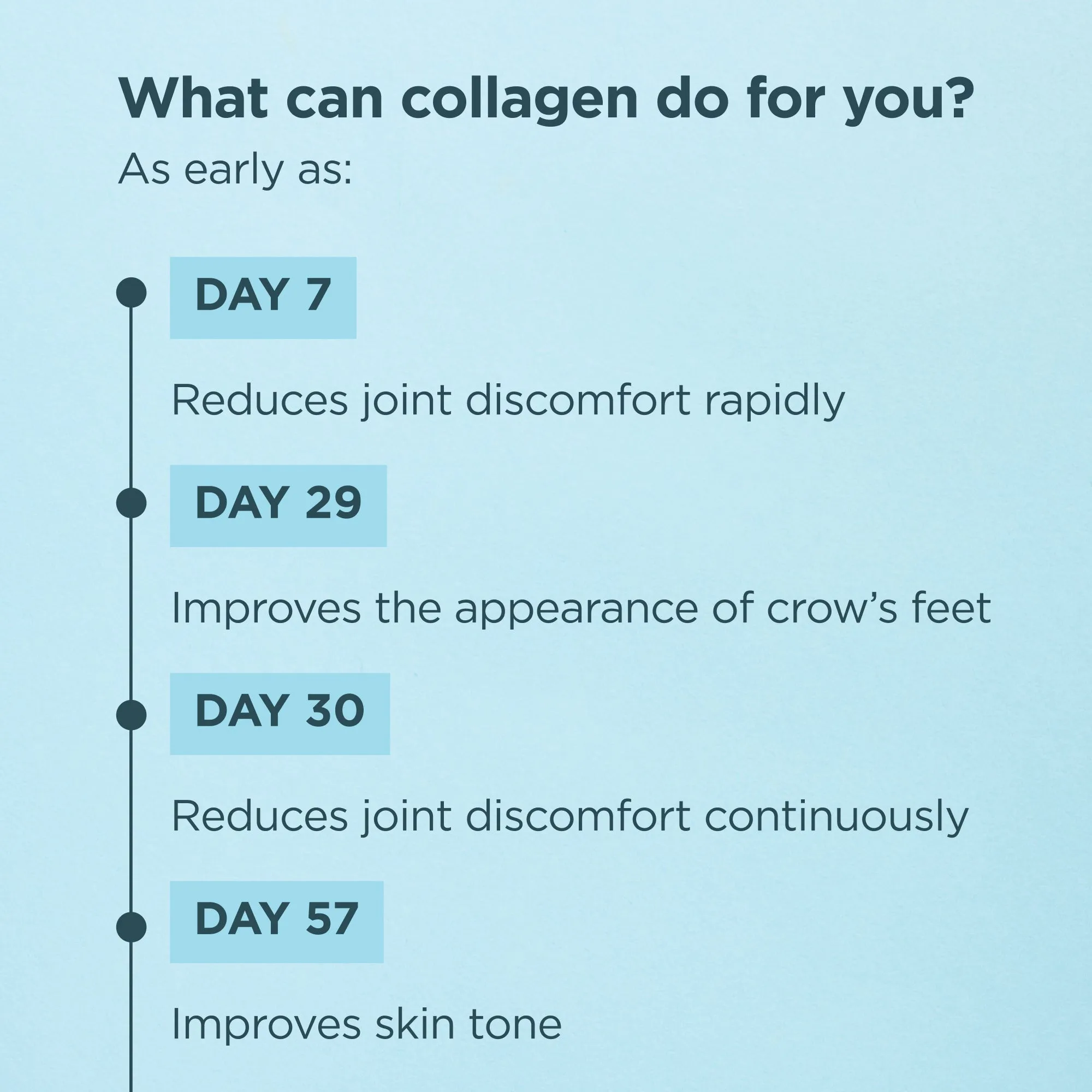
Collagen is a major component of cartilage, the tissue that cushions joints. Several studies have explored whether collagen supplements can reduce joint pain and improve function. A 2017 study in athletes found that collagen peptide supplementation reduced joint pain during activity. Another 2018 trial reported that collagen tripeptide improved knee joint comfort in individuals with mild osteoarthritis.
For bone health, collagen may support bone density by providing the framework for mineral deposition. A 2018 study in postmenopausal women found that combining collagen peptides with calcium and vitamin D improved bone mineral density more than calcium and vitamin D alone. While these findings are encouraging, researchers emphasize that collagen is not a cure for osteoporosis and should be part of a comprehensive approach.
- Collagen may reduce joint pain, especially in athletes.
- Collagen combined with calcium and vitamin D can support bone density.
- Consistency is key: benefits typically appear after 3-6 months of daily use.
Collagen for Muscle Mass and Recovery
Collagen contains high amounts of glycine and proline, amino acids that play a role in muscle tissue repair. A 2015 study in elderly men found that collagen peptide supplementation combined with resistance training increased muscle mass and strength more than a placebo. Another study in 2019 suggested that collagen may aid in muscle recovery after exercise.
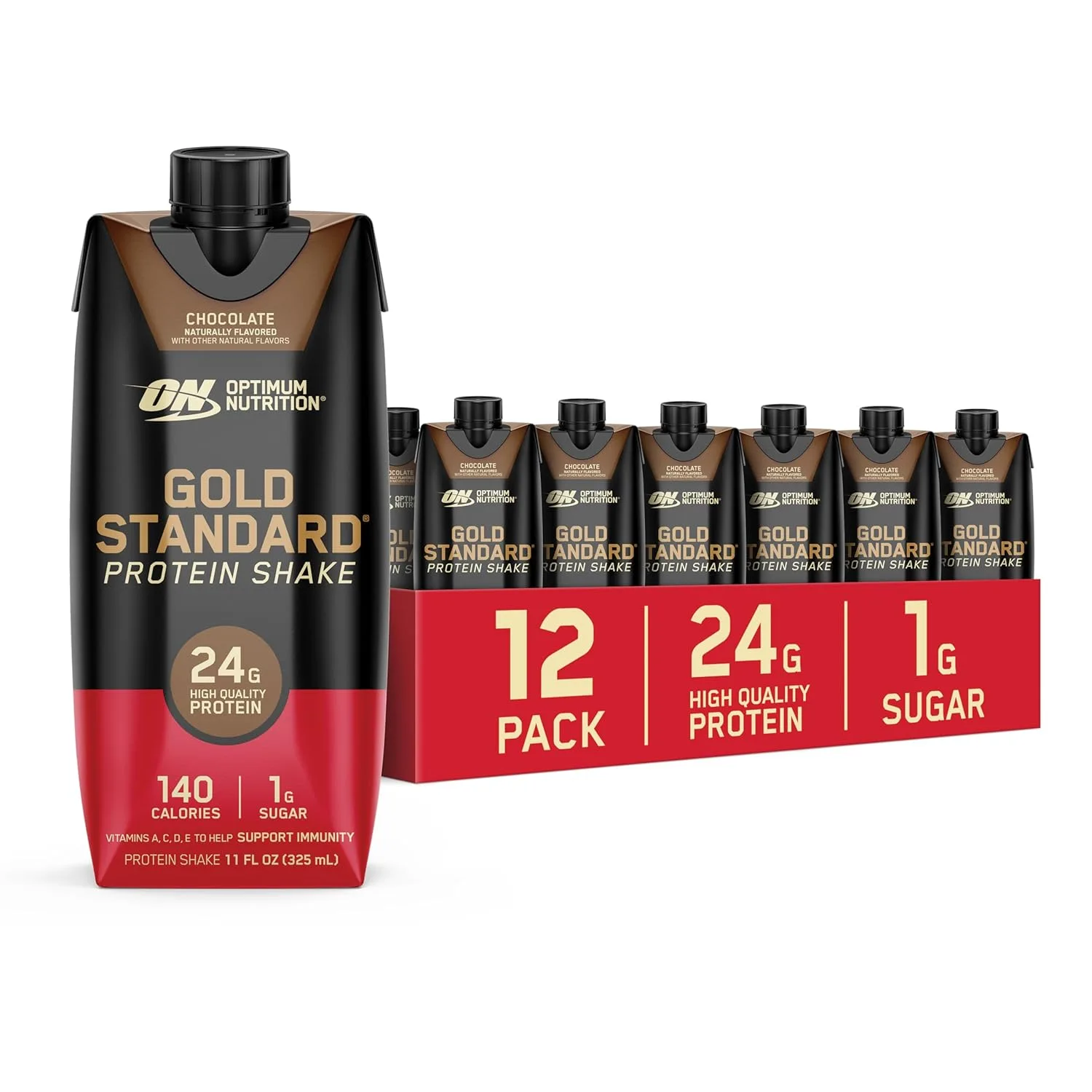
While research is still emerging, collagen's unique amino acid profile may complement a fitness routine. For athletes and active individuals, adding collagen to a post-workout shake could support recovery. However, collagen is not a complete protein, so it should be paired with a high-quality protein source like Whey Protein or Plant Protein+ to ensure you get all essential amino acids.
- Collagen may enhance muscle mass when combined with resistance training.
- Collagen is not a complete protein; pair it with whey or plant protein.
- Consider adding collagen to your post-workout routine for recovery support.
How to Choose a Collagen Supplement Based on Science
With so many collagen products on the market, it's important to choose one that aligns with the research. Look for products that specify the type of collagen and the dose used in clinical studies. Hydrolyzed collagen peptides are generally more easily absorbed. Also, consider the source: bovine, marine, and chicken collagen each have different collagen types and benefits.
For a comprehensive approach, a multi-collagen supplement like Multi Collagen Protein provides types I, II, and III from multiple sources, covering skin, joints, and muscles. If you prefer a convenient option, Multi Collagen Protein 5-Pack Sticks offer the same benefits in a travel-friendly format. Always check the label for third-party testing and quality certifications.
- Choose hydrolyzed collagen peptides for better absorption.
- Multi-collagen blends provide a broader range of benefits.
- Look for products with clinically studied doses (2.5-10g).
The Future of Collagen Research
Collagen research is rapidly evolving. Scientists are exploring new applications, such as collagen for gut health and cardiovascular function. Some studies suggest collagen peptides may support the integrity of the gut lining, though more research is needed. Additionally, researchers are investigating the role of collagen in hair and nail growth.
As the body of evidence grows, collagen's reputation as a versatile supplement is likely to strengthen. However, it's important to approach new claims with a critical eye and rely on peer-reviewed studies. For now, the existing research supports collagen's benefits for skin, joints, and muscle recovery, making it a valuable addition to many wellness routines.
- Emerging research is exploring collagen's role in gut health.
- Collagen may support hair and nail growth, but more studies are needed.
- Stay updated on new clinical trials to make informed decisions.
In summary, the science behind collagen shows promising benefits for skin, joints, and muscle recovery, backed by a growing number of clinical trials. While more research is needed, choosing a high-quality collagen supplement like Multi Collagen Protein can be a science-based step toward supporting your overall health. As always, consult with a healthcare professional before starting any new supplement regimen.