Quick answer
Scones are slightly sweet, dense, and crumbly, often served with jam and cream alongside tea. American biscuits are savory, flaky, and buttery, typically served with gravy or as a breakfast sandwich. If you want a sweet accompaniment to coffee or tea, choose scones; if you want a savory, layered bread for meals, choose biscuits.
Scones and biscuits share a similar look—round, golden, and baked until just set—but they are different baked goods with distinct textures, flavors, and traditions. Understanding the difference between scones and biscuits helps you choose the right recipe or bakery item for your table.
Whether you are planning a brunch, afternoon tea, or a hearty breakfast, knowing how each one is made and served ensures you get the experience you expect. This comparison covers texture, ingredients, and serving styles so you can decide which to bake or buy.
Texture and ingredients: scone texture vs biscuit texture
Scones have a dense, slightly crumbly texture. They are made with cold butter or cream, which creates a tender crumb, and often include eggs and a small amount of sugar. The dough is lightly kneaded, resulting in a firm yet breakable consistency. British scones are typically round with a slight rise, while American scones can be triangular or wedge-shaped and may include add-ins like berries or chocolate.
Biscuits, by contrast, are flaky and layered. They rely on cold butter or shortening cut into flour, plus buttermilk or milk. The dough is folded and rolled to create distinct layers that puff in the oven. The result is a soft, pull-apart texture with a crisp exterior. Biscuits are almost always savory, with little to no sugar.
- Scones: dense, crumbly, slightly sweet, often enriched with eggs.
- Biscuits: flaky, layered, savory, typically made with buttermilk.
Serving traditions: British scones vs American biscuits
British scones are a cornerstone of afternoon tea. They are served split and topped with clotted cream and jam—a combination known as a cream tea. They can also be enjoyed plain or with butter. Their mild sweetness makes them a natural fit for coffee or tea breaks.
American biscuits are a savory staple, especially in the South. They are served with sausage gravy, as a side for fried chicken, or as the base for a breakfast sandwich with eggs, cheese, and bacon. Their neutral flavor and flaky texture make them versatile for both meals and snacks.
- Scones: pair with jam, cream, or lemon curd for tea time.
- Biscuits: pair with gravy, butter, or as a sandwich base.
Making them at home: scone recipe vs biscuit recipe
A scone recipe typically includes flour, sugar, baking powder, salt, cold butter, eggs, and cream or milk. The dough is mixed until just combined, then shaped and baked. Overworking the dough leads to tough scones, so a light hand is key. Some recipes call for an egg wash for a shiny finish.
A biscuit recipe uses flour, baking powder, salt, cold butter or shortening, and buttermilk or milk. The key technique is cutting the fat into the flour until pea-sized, then adding liquid and folding the dough a few times to create layers. Biscuits benefit from a hot oven and minimal handling to stay flaky.
- Scones: use cold butter and cream; handle gently to avoid toughness.
- Biscuits: keep ingredients cold; fold dough for layers; bake hot.
When to choose each: practical considerations
If you are hosting a tea party or want a sweet treat to go with coffee, scones are the better choice. They feel more dessert-like and can be customized with dried fruit, nuts, or chocolate. They also keep well for a day or two, making them convenient for make-ahead brunches.
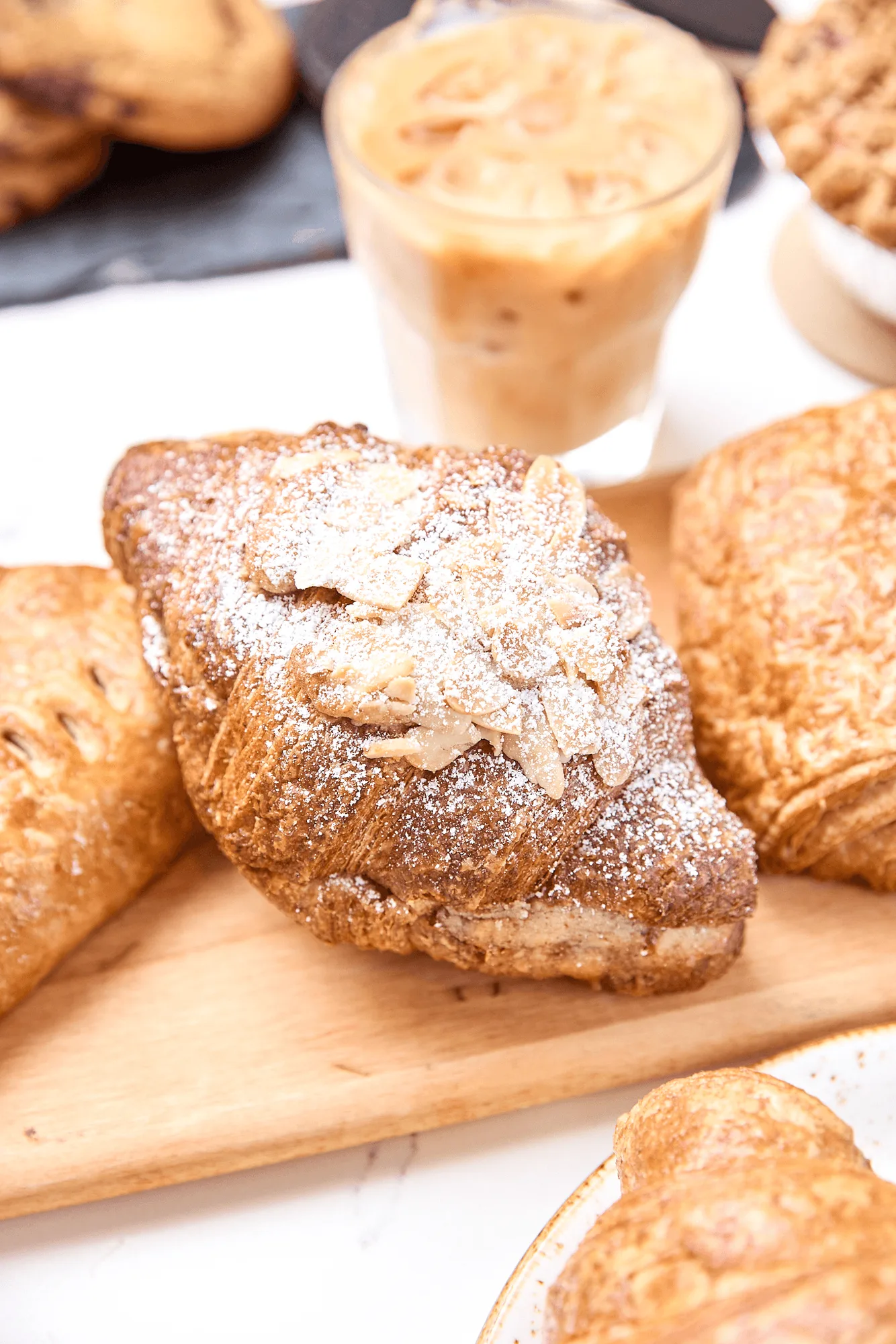
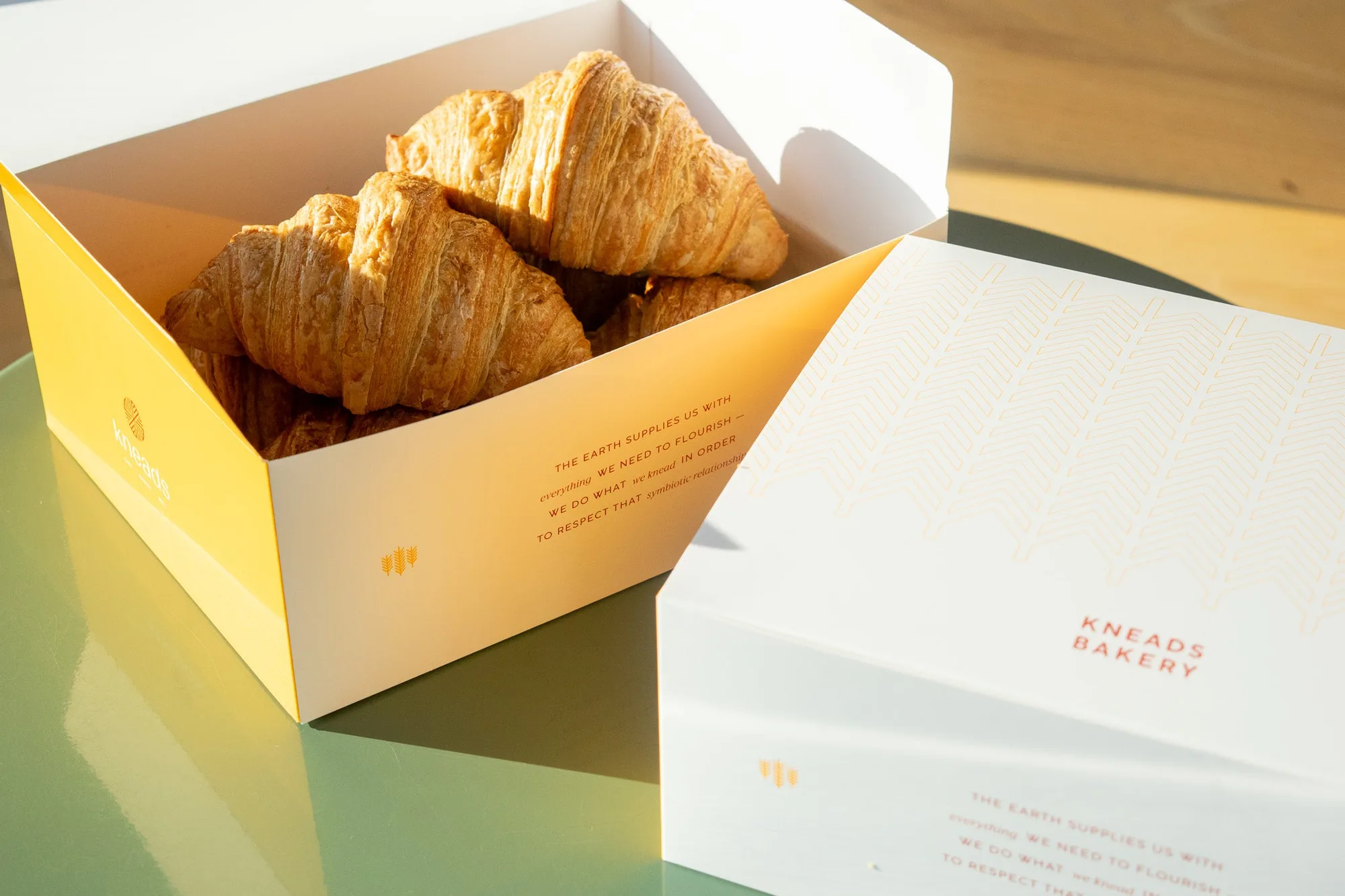
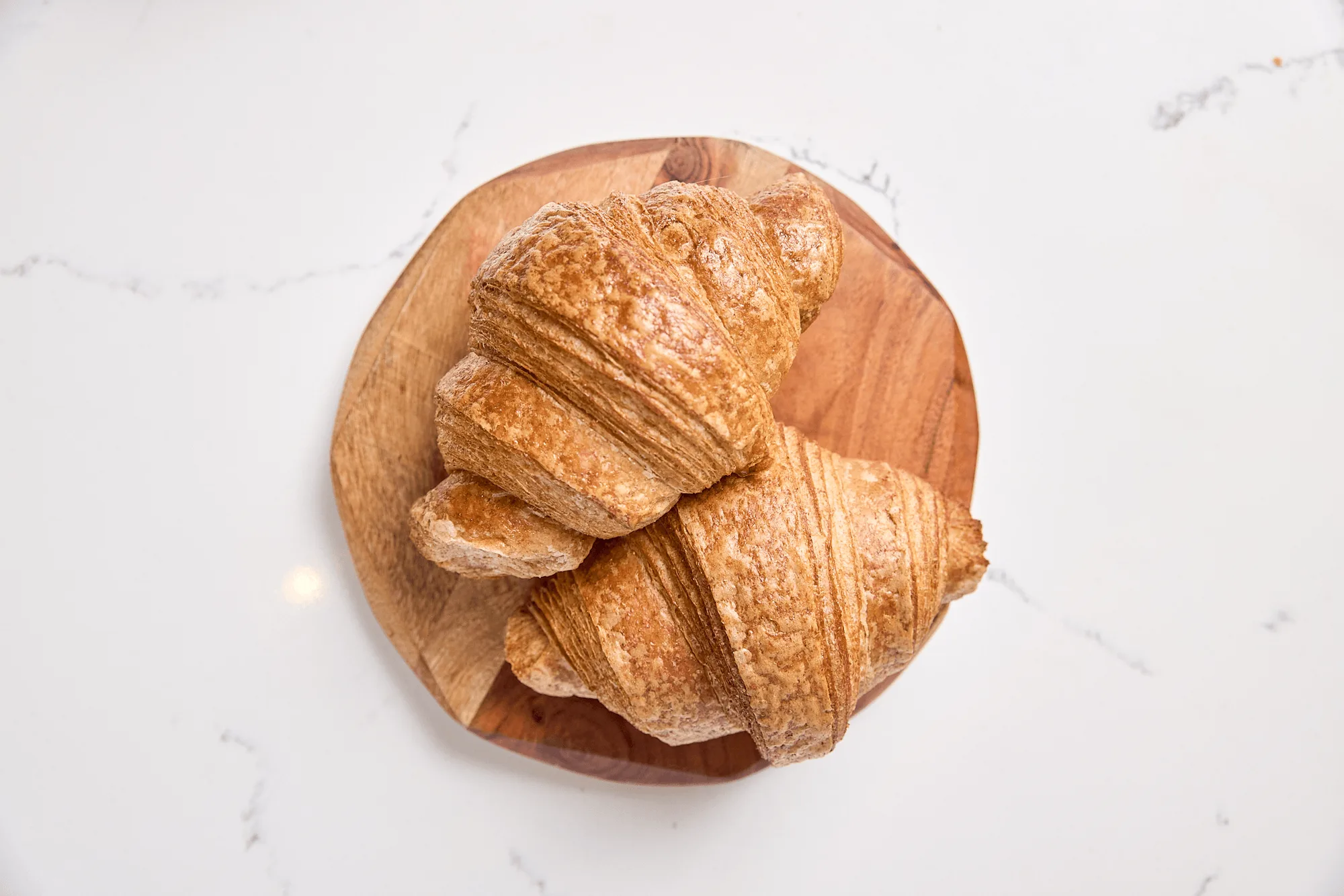
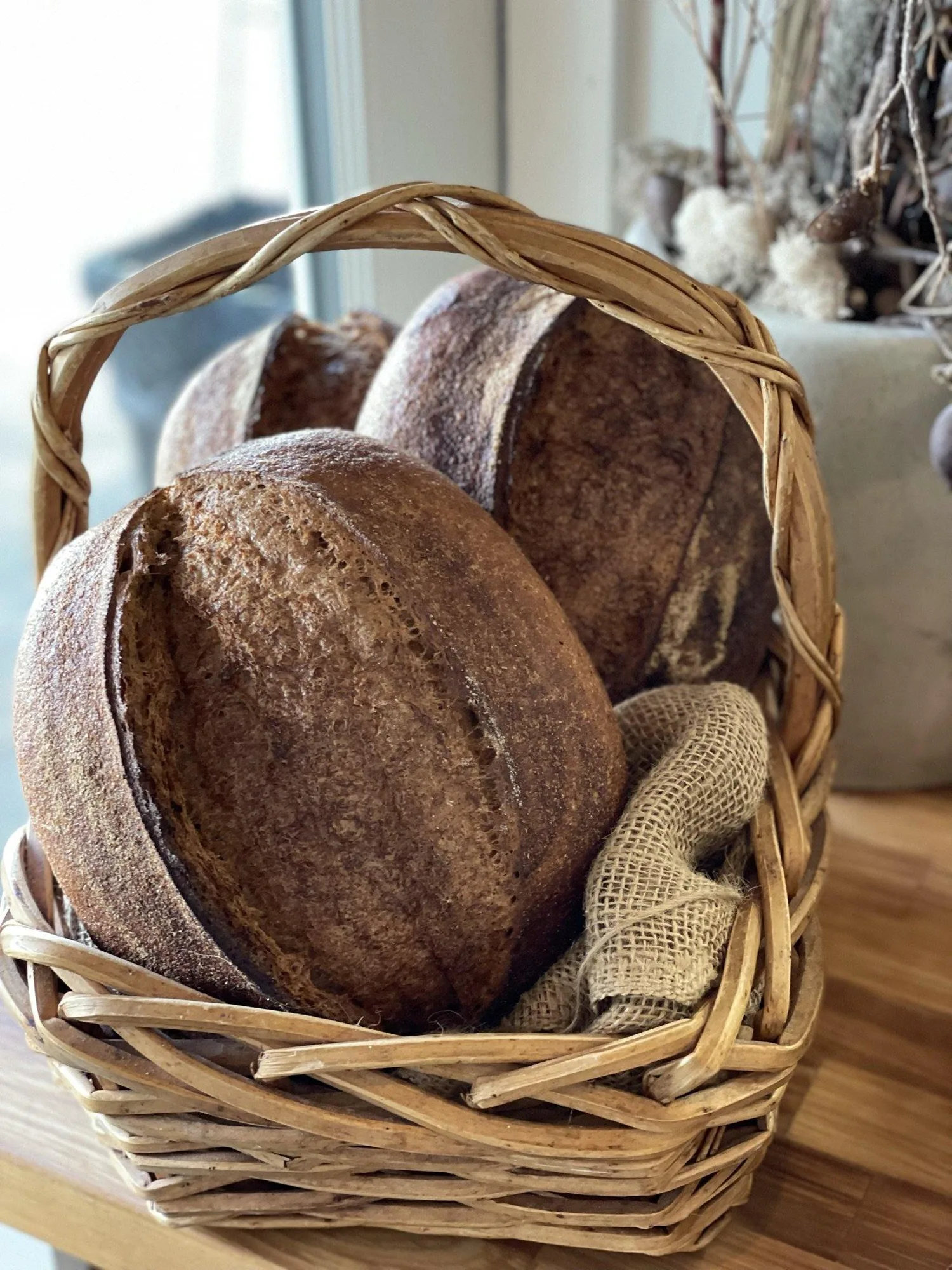
If you are serving a savory breakfast or need a bread to accompany a meal, biscuits are more appropriate. They are best fresh from the oven but can be reheated. Their neutral flavor means they won't clash with savory toppings. For a bakery option, consider the croissant-box-eb64e10b63ae1a0983f915ab-1645712">Assorted Almond Croissant Box from Kneads for a sweet pastry alternative, or the Whole Wheat Sourdough for a hearty bread.
- Choose scones for sweet, tea-time occasions.
- Choose biscuits for savory meals and breakfast sandwiches.
Trade-offs: scones vs biscuits at a glance
- Flavor profile: Scones are slightly sweet and rich; biscuits are savory and buttery. Pick scones for sweet cravings, biscuits for savory meals.
- Texture: Scones are dense and crumbly; biscuits are flaky and layered. If you prefer a tender crumb, go scone; for pull-apart layers, go biscuit.
- Serving style: Scones suit tea or coffee with jam and cream; biscuits suit gravy, eggs, or sandwiches. Match the baked good to the meal to avoid a mismatch.
Bakery picks that fit the scone-and-biscuit table
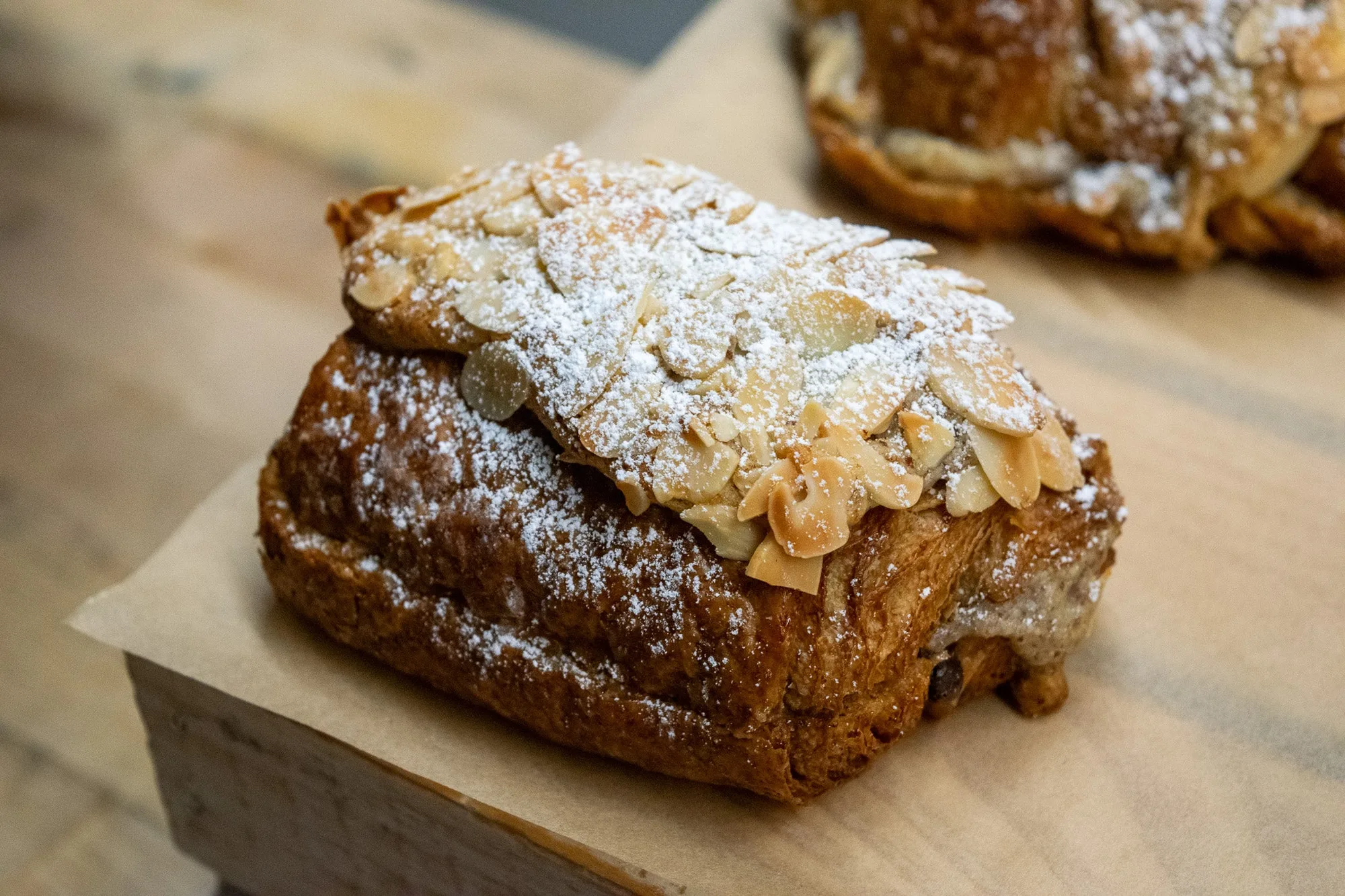
- Assorted Almond Croissant Box: Includes six almond croissants and six chocolate almond croissants, an assortment of two almond croissant styles in a single box. If you want a sweet, flaky pastry for brunch without baking, this box offers variety and convenience for groups.
- Whole Wheat Sourdough: Made with 100% whole wheat and a high-hydration dough, crafted with hard red spring wheat. A hearty, savory bread that pairs well with butter or as a base for open-faced sandwiches, similar to how biscuits accompany meals.
Which one should you choose?
Best for
- Afternoon tea or coffee breaks with sweet toppings
- Brunch hosts who want a make-ahead, slightly sweet baked good
Not for
- Savory breakfast sandwiches or gravy-based dishes
- Those who prefer a flaky, layered texture over a crumbly one
Scones and biscuits each bring something different to the table. Choose scones for a sweet, crumbly treat with tea, and biscuits for a savory, flaky bread to anchor a meal. Whichever you pick, fresh baking or a trusted bakery item like those from Kneads can make the occasion memorable.