Quick answer
Buy by tube diameter first, then ring height, then MOA. For a 30mm-tube scope on a Picatinny rail, a 30mm mount with the correct ring height and 20 MOA of cant is a strong all-around choice for long-range use; for a flat-shooting .223/5.56 AR15 at closer distances, a 0 MOA mount is usually simpler. Check your rail type, tube size, and eye relief before ordering.
Match the mount to your rail and tube before anything else
A scope mount only works if three dimensions line up: the rail interface, the tube diameter, and the ring height. Picatinny and Weaver rails look similar but have different slot specs, so confirm which one your rifle uses. Tube diameter is the second hard limit: 1 inch and 30mm are the common sizes, and a 30mm tube will not fit a 1-inch ring no matter how you tighten it.
- Rail: confirm Picatinny vs Weaver before buying rings or a one-piece mount.
- Tube: measure or check the scope spec; 30mm is common on long-range optics.
- Ring height: must clear the objective bell and place your eye behind the eyepiece comfortably.
Ring height and eye relief: the fit problems buyers hit most
Ring height is not about looks. Too low and the objective bell contacts the barrel or handguard; too high and you lose a consistent cheek weld. A quick check is to mount the scope loosely, shoulder the rifle with your eyes closed, then open them. If you have to move your head to find the reticle, the height or position is wrong. Eye relief matters just as much on AR-style rifles, where the stock and charging handle limit how far back the scope can sit.
- Low rings suit small objectives; larger objective bells need medium or high rings.
- Cantilever mounts push the scope forward so the eyepiece clears the charging handle on AR15s.
- Standard rings are fine on bolt guns and rifles without a long top rail.
20 MOA explained, and when you do not need it
MOA in a mount is built-in elevation. A 20 MOA mount tilts the scope so the reticle sits lower in its travel, giving you more usable elevation clicks for long-range shooting. That helps when you are dialing past the mechanical center of a typical scope. It does not make you more accurate at 100 yards, and it can make close-range zeroing harder on a scope with limited travel. If most of your shooting is inside 300 yards, a 0 MOA mount is the simpler, more forgiving choice.
- Choose 0 MOA for close-to-mid range and general use.
- Choose 20 MOA when you regularly dial elevation at long distance.
- Match MOA to your scope's total elevation travel, not to marketing claims.
One-piece vs rings, and how much material you actually need
One-piece mounts are stiffer, easier to align, and often include the cant you want. Separate rings are lighter and cheaper but demand careful lapping and alignment. For high-recoil rifles, look for a shockproof design with enough clamping bolts; more bolts spread the load and reduce the chance of shift. Aluminum is common because it is light, and 6061-T6 is a widely used grade that balances strength and weight. Steel is heavier but can be preferred on heavy-recoil builds.
- One-piece: better alignment and stiffness, usually heavier and pricier.
- Rings: lighter and cheaper, but alignment and torque matter more.
- High recoil: prioritize bolt count, clamping surface, and a shockproof design.
Budget, torque, and the install step people skip
A mount is a precision interface, so treat installation as part of the purchase. Use a torque wrench and follow the manufacturer's inch-pound specs for both the ring caps and the rail clamp; over-tightening crushes tubes and strips threads. If your mount includes cushioning tape inside the rings, keep it, because it helps grip the tube without marring it. Finally, confirm your chosen mount clears the handguard and any front sight or gas block before you tighten everything down.
- Torque ring caps and rail clamps to the maker's spec, not 'tight enough'.
- Keep included ring tape; it protects the tube finish and adds grip.
- Check clearance at the objective and the eyepiece before final tightening.
Decision rules for your build
- Rule 1: Tube diameter is non-negotiable: Measure the scope tube or read the spec. A 30mm tube needs a 30mm mount; 1-inch rings will not work. If the tube size is wrong, nothing else matters.
- Rule 2: Let distance choose your MOA: Use 0 MOA for general and close-to-mid range. Use 20 MOA when you regularly dial elevation at long distance and your scope has enough travel. 20 MOA is a tool for reach, not an upgrade for every rifle.
- Rule 3: Height follows your stock and objective: Fit the mount with your actual stock and handguard installed. On an AR15, a fixed A2 stock or a slim free-float handguard changes the height and eye relief you need. Test eye relief with eyes closed before final torque.
- Rule 4: Recoil sets the build quality: High-recoil rifles benefit from more clamping bolts, a shockproof design, and a rigid one-piece body. Light plinkers can save weight and money with rings. Spend on the interface, not on cosmetics.
Products that fit these decisions
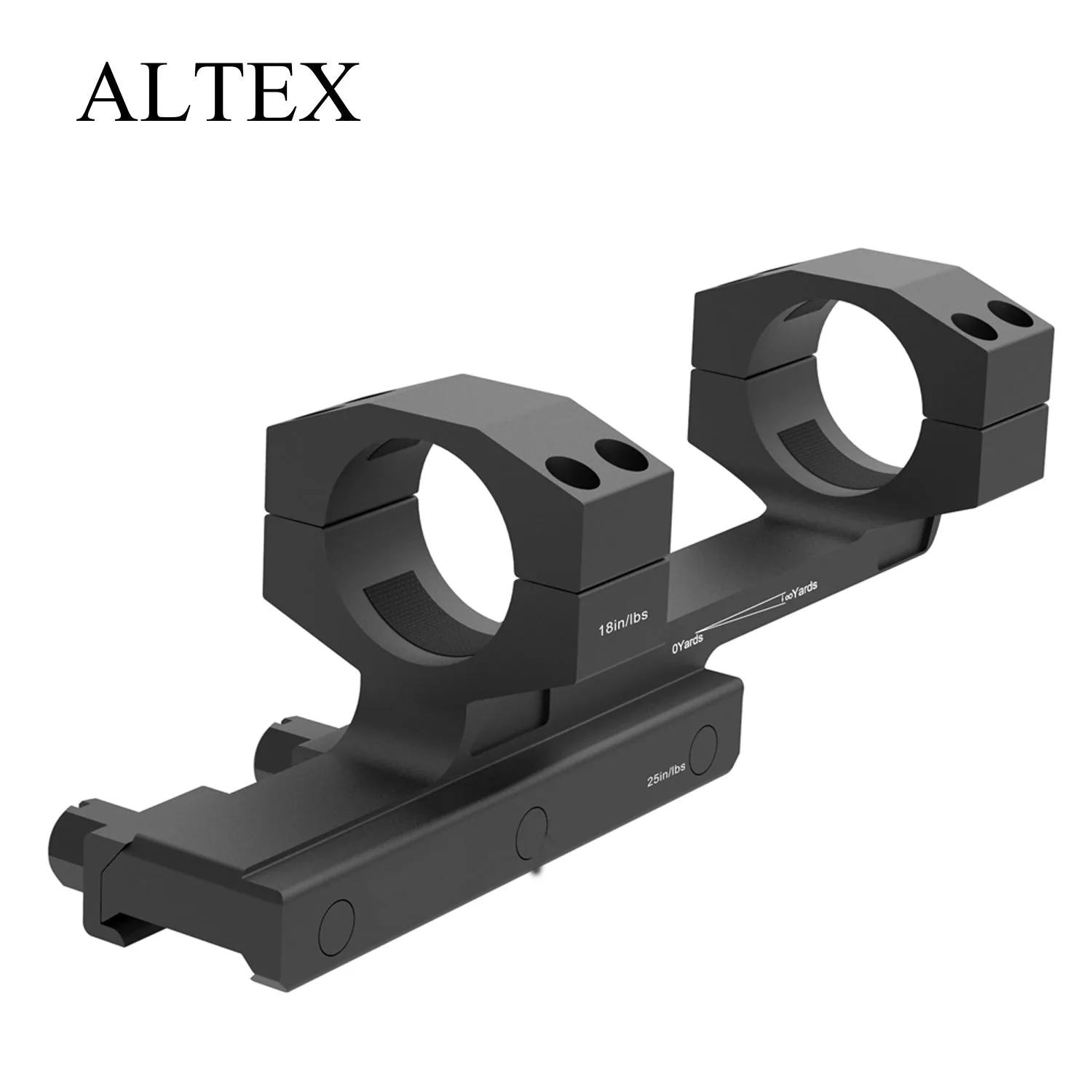
- ALTEX 30mm 20 MOA Scope Mount for Picatinny Rail: ALTEX 30mm 20 MOA Scope Mount for Picatinny Rail: heavy duty medium profile, shockproof 8-bolt screw design for 30mm tubes, 20 MOA for extra elevation, fits 20mm standard Picatinny rail, 6061-T6 aluminum alloy, built-in tape inside the rings. A concrete match for a 30mm-tube scope on a Picatinny rail when you want long-range elevation and a high-recoil-rated clamp.
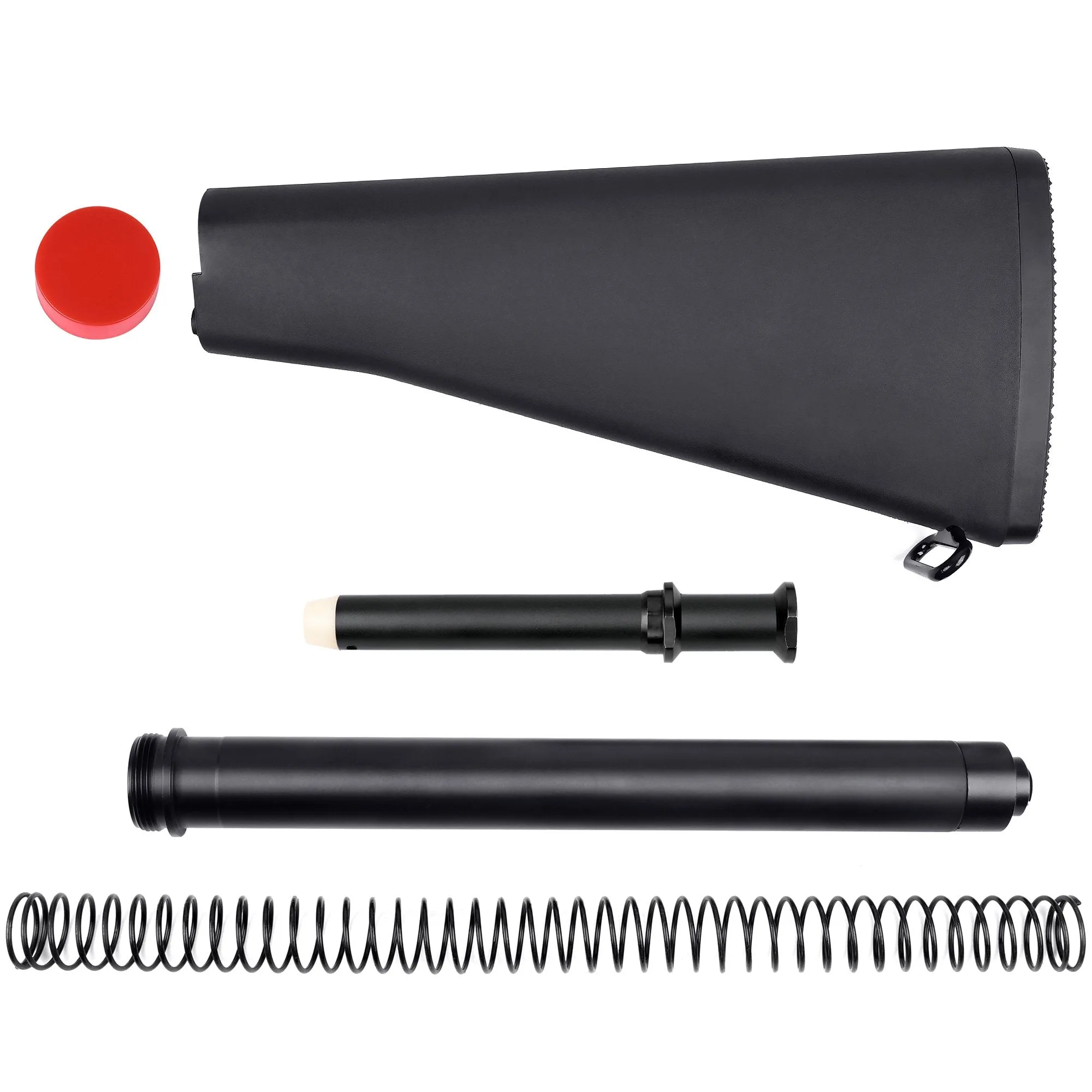
- A2 223 Stock Assembly Kit AR15 .223/5.56 Buttstock Kit Black - ST003: A2 223 Stock Assembly Kit AR15 .223/5.56 Buttstock Kit Black - ST003: includes receiver extension tube, recoil buffer, buffer spring, A2 spacer, assembly screw, and A2 stock; buttplate has diamond texture and a trapdoor storage compartment; for .223 rifles. If you are setting up an AR15 for scope use, a fixed A2 stock changes your cheek weld and eye relief, so mount height and position should be chosen with the stock in place.
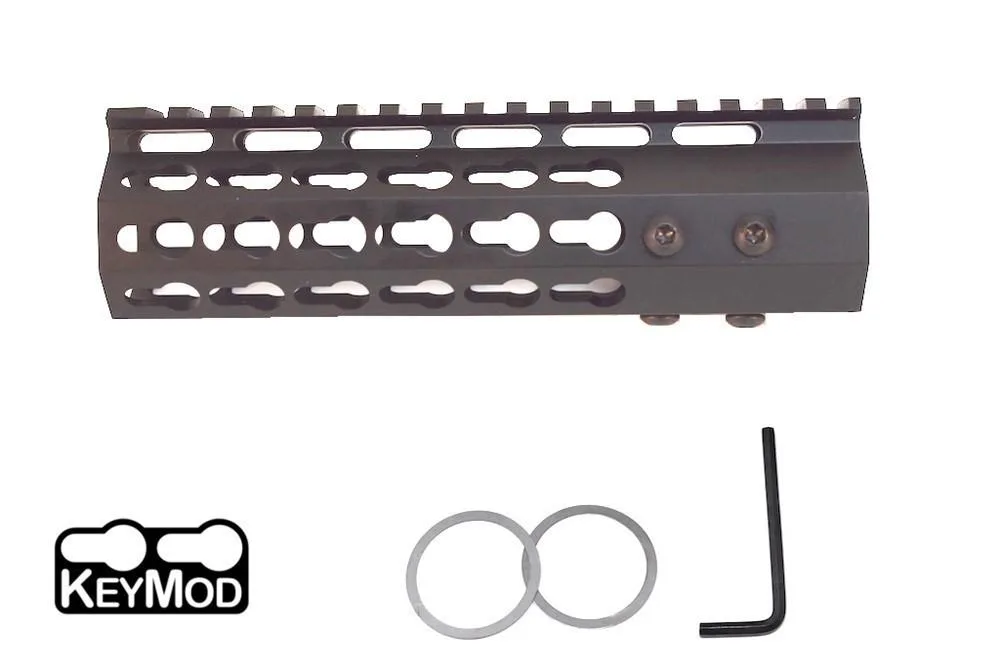
- AR15 7" Slim Keymod Handguard Rail One Piece Free Float with 6 Screws: AR15 7" Slim Keymod Handguard Rail One Piece Free Float with 6 Screws: 7-inch ultra-light slim Keymod handguard, one-piece free float for AR15 .223/5.56, includes steel barrel nut, 6061-T6 aluminum, Allen key and crush washers included. A slim free-float handguard affects how low a scope can sit and where the objective bell can clear, so check handguard height and top rail before choosing ring height.
Who this buying approach fits
Best for
- Shooters mounting a 30mm-tube scope on a Picatinny rail for long-range use
- AR15 owners who need a cantilever or one-piece mount for eye relief and charging handle clearance
- Buyers who want a clear rule set for ring height, MOA, and tube size before ordering
Not for
- Rifles with a Weaver rail or a non-standard mount interface
- Scopes with 1-inch tubes or uncommon diameters
- Shooters who only need a simple 0 MOA setup and do not dial elevation