Quick answer
For crisp, professional folds in card making, a scoreboard is the best tool for folding cards because it creates a precise crease line before folding. A bone folder is ideal for reinforcing folds and burnishing edges, especially on thicker cardstock. A guillotine is essential for straight, accurate cuts. If you can only buy one, start with a scoreboard; add a bone folder next, and a guillotine when you need to trim multiple sheets.
If you are new to card making, the array of folding and cutting tools can be confusing. Scoreboards, bone folders, and guillotines each serve a different purpose, and understanding their strengths will save you time and frustration. This comparison breaks down what each tool does, when to use it, and which one deserves a spot on your craft table.
We will look at how these tools handle scoring, folding, and cutting, and share practical tips for getting clean results. By the end, you will know exactly which tool to reach for, whether you are making a single card or batch-producing invitations.
What a Scoreboard Does and When to Use It
A scoreboard is a specialized tool for creating crease lines in paper and cardstock. It typically features a ruled base with grooves and a scoring tool that presses a indentation into the paper. This indentation becomes the hinge for a perfect fold. Scoreboards are especially useful for card bases, gatefold cards, and any project where a crisp, centered fold is critical. Without scoring, thick cardstock often cracks or folds unevenly.
When choosing a scoreboard, look for clear measurement markings and a scoring tool that fits comfortably in your hand. Many scoreboards also include envelopes and box-making templates. If you mainly make A2 or 5x7 cards, a scoreboard with those markings will speed up your process. For occasional crafters, a basic scoreboard is sufficient; frequent card makers may want a larger board with more grooves.
- Always score on the side of the card that will be the inside of the fold, so the crease does not show on the front.
- Use light pressure at first; you can always go over the score line again if needed.
What a Bone Folder Does and When to Use It
A bone folder is a simple hand tool, traditionally made from bone but now often from plastic or Teflon. Its main job is to burnish folds, meaning it presses the folded edge to make it sharp and flat. Bone folders are also handy for smoothing glued areas, creating creases in small spaces, and scoring lightweight paper in a pinch. However, a bone folder alone cannot create a measured score line; it simply reinforces a fold you have already started.
Bone folder uses extend beyond card making: they are great for origami, bookbinding, and any papercraft that requires a clean edge. When selecting one, consider the material and size. Teflon bone folders resist adhesive and are less likely to leave shiny marks on dark cardstock. A pointed tip helps with detailed work, while a wider edge is better for long folds.
- Use a bone folder to go over every fold, even if you used a scoreboard, for a professional finish.
- Keep a bone folder dedicated to light-colored cardstock to avoid transferring ink or adhesive residue.
What a Guillotine Does and When to Use It
A guillotine is a paper trimmer with a long blade that cuts straight lines. It is the go-to tool for cutting cardstock to size, trimming photos, and slicing multiple sheets at once. Unlike scissors, a guillotine provides a straight, accurate cut every time, which is essential for layered cards and precise matting. Many guillotines also have a scoring blade or a ruler guide for added versatility.
When shopping for a guillotine, check the maximum cut length and whether it can handle the thickness of your cardstock. A guillotine with a clear grid and a clamp to hold paper steady will give you the best results. For heavy-duty cutting, look for a guillotine with a sturdy base and a sharp blade that can be replaced. Remember that guillotines are for cutting, not for folding; they will not create a crease.
- Always cut on a flat, stable surface and keep your fingers clear of the blade.
- Replace the blade when it starts to tear rather than slice cleanly.
Key Differences: Scoreboard vs. Bone Folder vs. Guillotine
The core difference is function: a scoreboard creates a fold line, a bone folder perfects a fold, and a guillotine cuts paper to size. They are complementary rather than interchangeable. For example, you might use a guillotine to cut a card base, a scoreboard to score the center, and a bone folder to burnish the fold. Skipping any of these steps can result in cards that look handmade in the wrong way.
Another difference is the learning curve. A guillotine is straightforward but requires caution due to the blade. A scoreboard needs a bit of practice to align the paper correctly. A bone folder is the simplest to use but offers the least structural help. Consider your budget and space: a guillotine and scoreboard are larger tools, while a bone folder is small and portable.
- If you are short on space, a scoreboard with a built-in cutting track can replace a separate guillotine for light use.
- A bone folder is the most affordable entry point, but it cannot replace the other two for precision work.
Which Tool Should You Buy First?
If you are just starting out, buy a scoreboard first. It will immediately improve the quality of your card folds, which is often the most visible flaw in beginner cards. Next, add a bone folder; it is inexpensive and makes a noticeable difference in fold sharpness. Finally, invest in a guillotine when you find yourself needing to cut multiple pieces accurately or trim large sheets.
For crafters who mainly make simple cards with pre-cut bases, a bone folder might be enough. But if you plan to design your own layouts, a scoreboard and guillotine will become indispensable. Think about the projects you want to make and let that guide your purchase order.
- Check if your scoreboard includes a scoring tool; some do not, and you will need to buy one separately.
- A guillotine with a scoring blade can serve double duty, but dedicated tools usually perform better.
Trade-offs at a glance
- Scoreboard: Creates perfect fold lines but does not cut paper. Requires a separate cutting tool. Essential for card bases and precise folds.
- Bone Folder: Perfects folds and is very affordable, but cannot score or cut on its own. A must-have for a professional finish.
- Guillotine: Cuts straight lines accurately but takes up space and needs blade care. Best for trimming and sizing cardstock.
Product facts
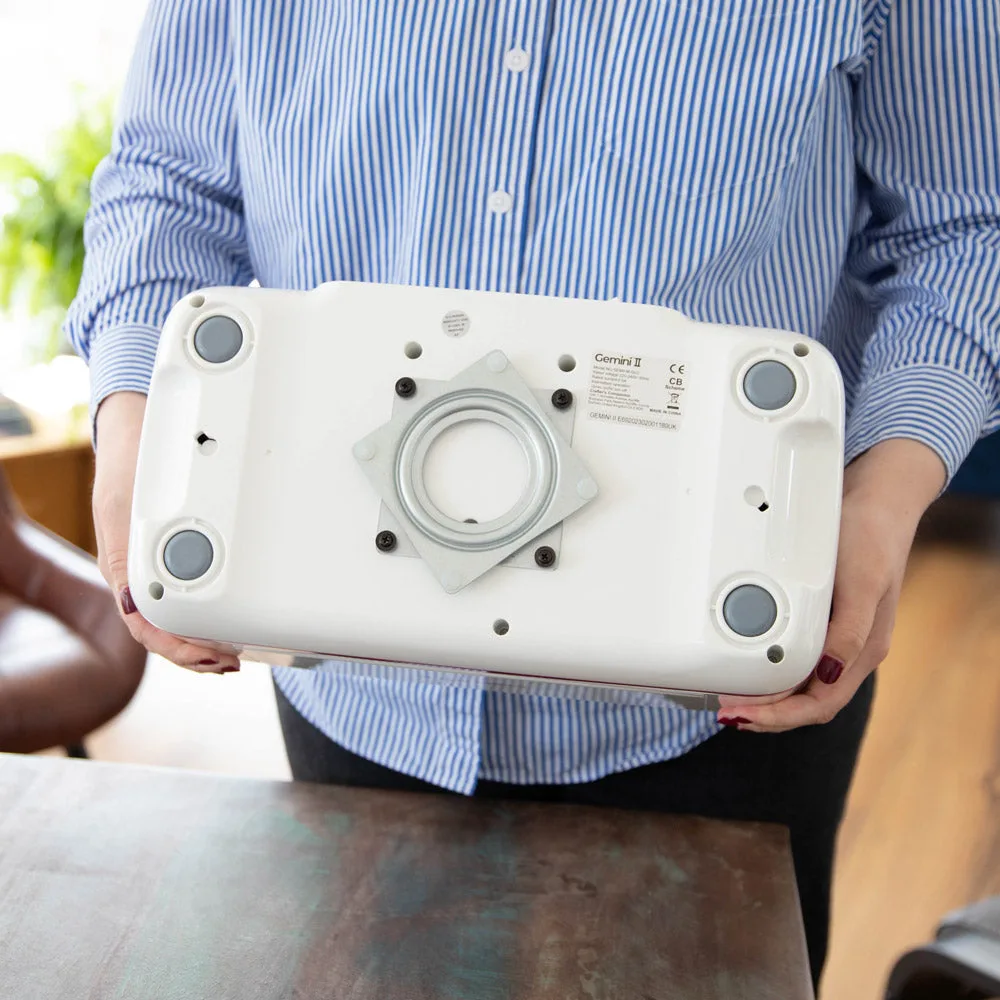
- Gemini II Accessories - 360° Turn Table: The Gemini II Accessories - 360° Turn Table creates a stable base for your Gemini II Die Cutting Machine, whilst offering a full rotation of your device, allowing you to craft from any angle. If you use a die cutting machine alongside folding and cutting tools, this turn table lets you rotate the machine easily, improving access and workflow.
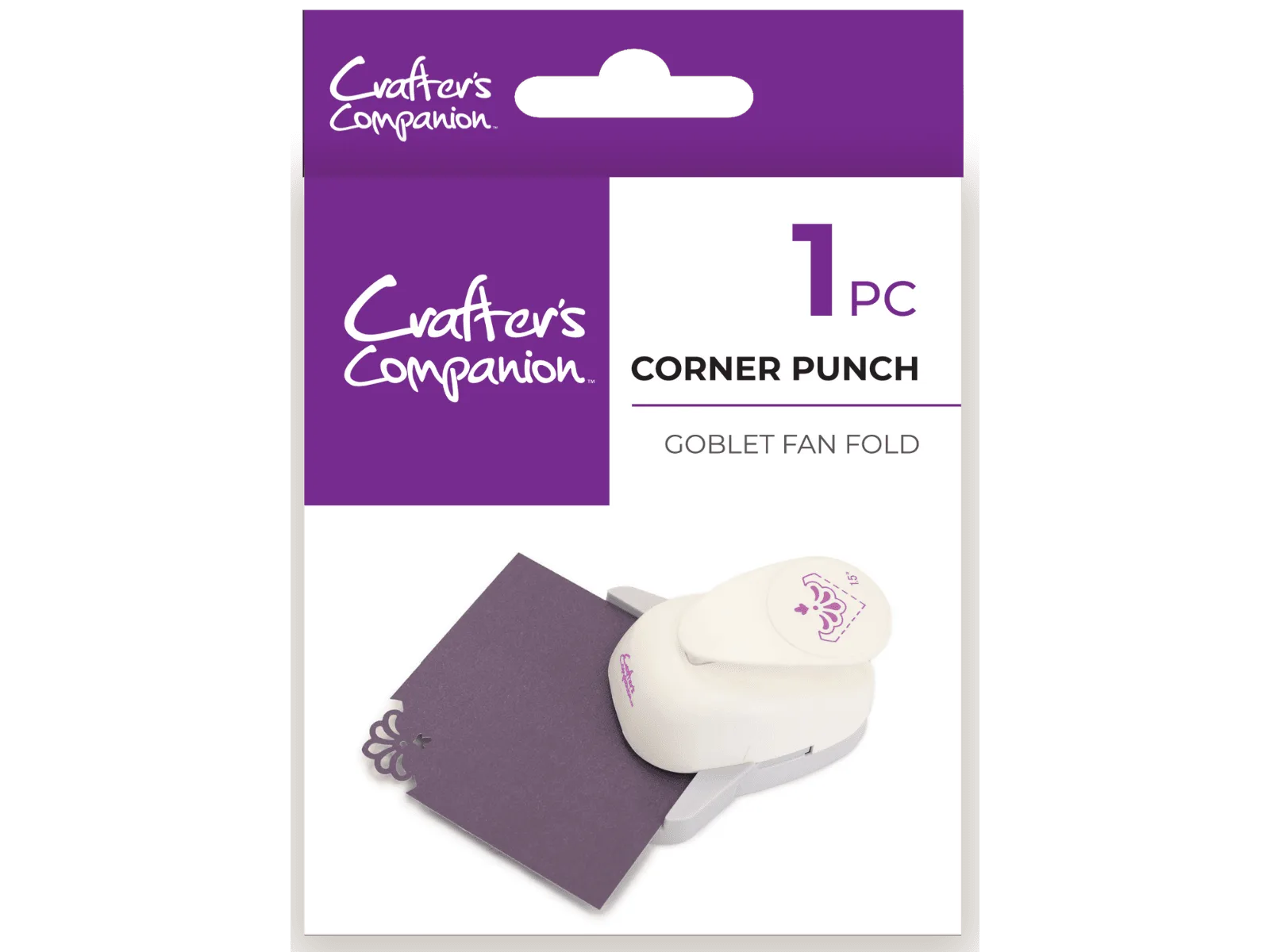
- Crafters Companion – Corner Punch – Goblet Fan Fold: Add decorative corners to all of your papercraft projects with speed and precision using innovative Corner Punch tools from Crafter’s Companion. Simply slide in your paper or card and press the lever to reveal detailed cut-out designs in an instant! A corner punch is a quick way to add a decorative finish to cards and invitations after you have cut and folded them, complementing the clean edges from a guillotine and scoreboard.
Which tool is right for you?
Best for
- Card makers who want crisp, professional folds
- Crafters who cut their own card bases and layers
- Anyone who makes multiples of the same project
Not for
- Crafters who only use pre-scored card blanks and never trim
- Those with very limited storage space
- People who prefer to score and fold by hand without tools
Choosing between a scoreboard, bone folder, and guillotine comes down to the tasks you do most. Start with the tool that solves your biggest frustration, and add the others as your skills grow. With the right combination, you will get cleaner folds and straighter cuts in every project.