Quick answer
If you want a collectible with texture, hand-numbering, and a fixed edition size, buy a screen print. If you want an affordable, easy-to-replace image for a dorm, office, or rental, a digital poster is the practical choice. Check the edition size and printing method before you buy, because those two facts decide long-term value and how the poster looks in person.
How screen printing and digital printing actually differ
Screen printing pushes ink through a mesh screen one color at a time, so a six-color poster passes through six separate screens. That process builds thick ink layers you can see and feel, and it usually limits how many prints an artist can pull before the screens degrade. Digital printing reproduces a file in one pass, which keeps costs low and allows unlimited reprints. Neither method is automatically better, but they age differently: screen prints tend to hold saturated flat color, while digital prints can show banding or fade faster under direct sun.
Read the edition details before the artwork
Edition size is the single most useful number on a poster listing. A hand-numbered edition of 120 or 325 tells you the run is closed and finite. A digital poster with no edition number can be reprinted at any time, which is fine for decoration but weak for collecting. Also check whether the listing says hand numbered, because that phrase confirms the artist or printer counted each sheet individually rather than running an open press.
Paper and ink choices that change how a poster looks
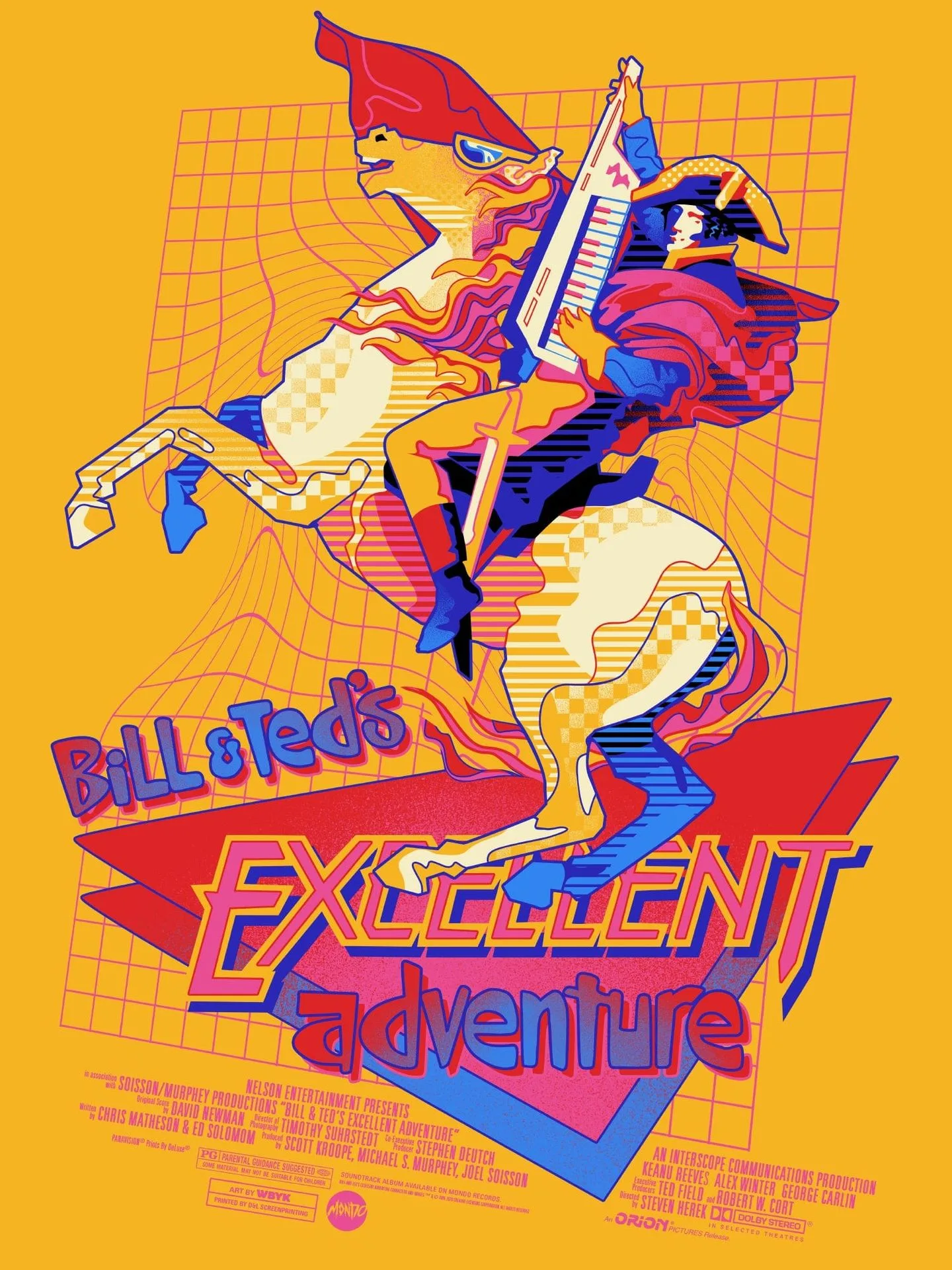
Screen prints are often pulled on colored or textured stock, and the paper color becomes part of the image rather than a blank background. A lemon drop yellow sheet, for example, shifts every ink laid over it. Digital posters usually print on coated white paper or photo stock, which gives predictable color but less surface character. If you plan to frame without a mat, a heavier screenprint stock holds its edge better and shows fewer waves than thin digital paper.
Sizing, framing, and where each type belongs
Large-format screen prints in the 24 by 36 inch range need a frame with real depth because thick ink and heavy paper can buckle in a shallow frame. Standard digital posters in 18 by 24 or 24 by 36 inches fit inexpensive ready-made frames, which keeps total cost down. Whichever you choose, measure the printed area, not just the paper, and leave at least two inches of mat or frame border so the image does not feel cramped.
Decision rules for choosing between screen print and digital
- Rule 1: Buy the edition, not the image: If the listing shows a hand-numbered edition size, treat it as a collectible and budget for archival framing. If it shows no edition size, treat it as decor and spend accordingly. A numbered edition of 120 or 325 is a closed run; an unnumbered print is not.
- Rule 2: Match printing method to light exposure: Screen prints with heavy ink layers handle indirect light better than thin digital output, but no paper survives direct sun. Hang both types away from windows or use UV-filtering glazing. Light damage is permanent, so placement matters more than print method.
- Rule 3: Let paper color decide the frame: A colored screenprint stock such as lemon drop already adds a tone, so choose a neutral frame and mat. A white digital poster can carry a colored frame without fighting the paper. Frame the paper you actually bought, not the poster you saw online.
- Rule 4: Confirm dimensions before you commit: Standard 18 by 24 and 24 by 36 inch sizes have cheap frame options. Odd sizes like 16.75 by 36 inches usually require custom framing, which can cost more than the print. Add framing cost to the purchase price before you decide.
Examples from the current catalog
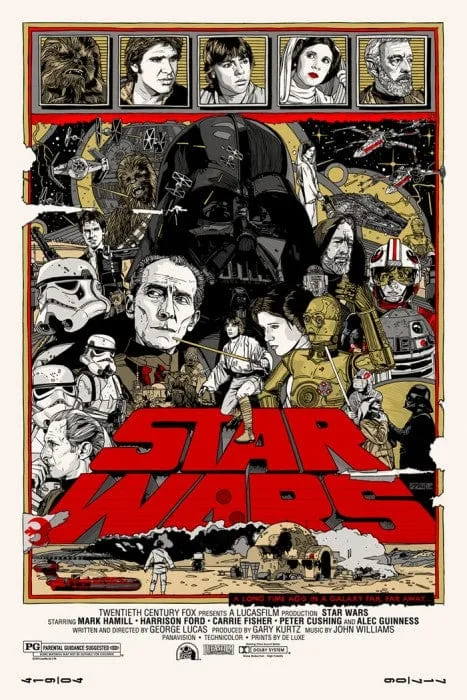
- C-3PO: C-3PO is a 2016 https://mondoghc.com/products/star-wars-407501Star Wars archive poster by Kevin Tong, limited to 325 prints, sized 36 by 24 inches, with a standard title option. A named artist, a fixed edition of 325, and a large 24 by 36 inch format make this a screenprint-style collectible that rewards proper framing and careful handling.
- Bill & Ted's Excellent Adventure Poster: Bill & Ted's Excellent Adventure Poster is a 6-color screenprint on French Pop-Tone Lemon Drop paper, 18 by 24 inches, edition size 175, printed by Lady Lazarus. The colored lemon drop stock and six ink passes show why screen prints look different from digital output, and the smaller 18 by 24 inch size fits standard ready-made frames.
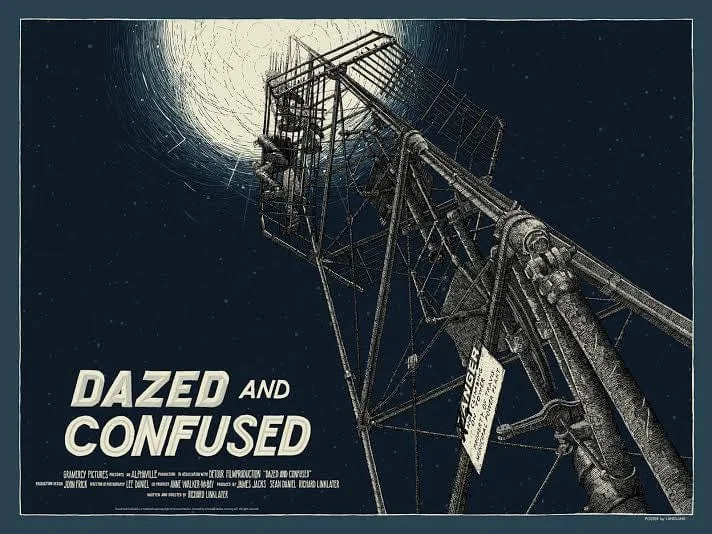
- Dazed and Confused: Dazed and Confused is a hand-numbered screenprint, edition size 325, 36 by 24 inches, printed by DL Screenprinting for the Richard Linklater tribute show. Hand numbering and a documented gallery context give you verifiable edition information to check against the physical print when it arrives.
- 13 Assassins – Gold Colorway: 13 Assassins – Gold Colorway is a 16.75 by 36 inch hand-numbered screenprint, edition of 120, printed by DL Screenprinting. The narrow 16.75 inch width is an unusual format, so measure your wall and frame options before buying rather than assuming a standard 24 by 36 inch fit.
Who should buy which
Best for
- Collectors who want a finite, hand-numbered edition with visible ink texture
- Buyers decorating a home theater or gallery wall who will frame and protect the print
- Anyone who values artist attribution and documented print details
Not for
- Shoppers who need the lowest possible price and may replace the poster within a year
- Renters who cannot hang framed art or control sunlight in the room
- Buyers who want a specific image in any size without waiting for an edition to appear