Screenprinted movie posters have become the crown jewels of modern film poster collecting. Unlike mass-produced theatrical posters, these limited-edition prints are hand-pulled, often by celebrated artists, and they transform a simple wall hanging into a piece of art. Whether you're drawn to the bold lines of a Mondo-style print or the nostalgic charm of a classic film, understanding how to buy screenprinted movie posters is essential for building a collection you'll love.
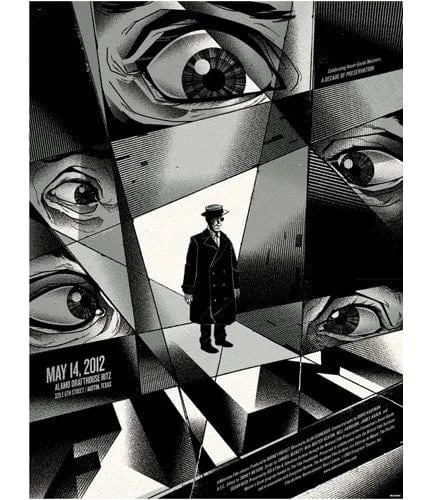
film
This guide walks you through everything from paper types and edition sizes to condition grading and where to find these treasures. By the end, you'll know exactly what to look for when you're ready to buy movie posters that are both beautiful and valuable.
Why Screenprinted Movie Posters Are Worth Collecting
Screenprinted movie posters are more than just merchandise; they are limited-edition art prints. Each poster is printed by hand, layer by layer, using a silkscreen process that gives the final product a rich, tactile quality. Artists often create exclusive designs that reinterpret a film's iconic imagery, making each piece unique. Because they are produced in small quantities, these posters become collectible movie posters that can appreciate in value over time.
For fans, owning a screenprint is a way to celebrate a beloved film in a visually striking form. For collectors, it's a chance to own a piece of art that reflects both the film and the artist's vision. The community around film poster art is passionate, and the thrill of scoring a rare drop is unmatched.
- Limited edition sizes increase rarity and value.
- Hand-pulled prints offer superior quality and texture.
- Artist-driven designs often become iconic in their own right.
Key Factors to Consider When Buying Screenprinted Movie Posters
Before you hit 'add to cart,' there are several factors that determine the quality and value of a screenprinted movie poster. The first is the paper. Most high-end prints use archival, cotton-rag paper that resists yellowing and damage. Look for terms like '100% cotton' or 'archival' in the product description. The thickness and texture also affect how the ink sits on the surface, so don't be afraid to ask about the paper stock.
Another crucial factor is the edition size. The smaller the edition, the more exclusive the print. Many artists also release variant editions with different colorways, which can be even rarer. Check the edition number and whether the print is signed or numbered by the artist. A signature and number add provenance and value.

release
Finally, consider the condition. Even a minor crease or scuff can significantly reduce a poster's value. Always buy from trusted sources that grade their prints accurately, and if you're buying online, ask for detailed photos of the actual item, not just a stock image.
- Paper: Look for archival, cotton-rag paper.
- Edition: Smaller editions are more collectible.
- Condition: Mint condition is key for value.
Understanding Edition Types and Variants
Screenprinted movie posters often come in multiple editions. The standard edition is the main release, but artists may also produce variants with different color schemes, metallic inks, or glow-in-the-dark effects. Variants are typically produced in smaller numbers and can be highly sought after. For example, a 'Midnight Variant' of a monster movie poster might feature a darker, more atmospheric palette that appeals to collectors.
When you're browsing, you'll also see terms like 'artist proof' (AP) or 'printer's proof' (PP). These are prints pulled before the main edition and are usually limited to a small number. They are often more valuable because of their scarcity. If you have the chance to own an AP, it's a worthy investment.
Always read the product details carefully. Some posters are sold as 'open edition,' meaning they are not limited and can be reprinted. While these are still nice to own, they don't hold the same value as limited editions. For serious collecting, focus on numbered, limited runs.
Where to Buy Screenprinted Movie Posters
The best place to find screenprinted movie posters is directly from the studios or artists who release them. Many independent art studios like Mondo have regular drops that sell out quickly. Sign up for newsletters and follow them on social media to stay ahead of the game. When a new print is announced, be ready to act fast—popular prints can sell out in minutes.
Secondary markets like eBay and dedicated collector forums are also valuable resources. However, you need to be cautious about fakes and overpriced listings. Always check the seller's reputation and compare prices with recent sales. For rare prints, consider using a reputable auction house or a trusted online marketplace that authenticates items.
If you're new to collecting, starting with a well-known title is a smart move. Look for posters from films you love, and don't be afraid to branch out into lesser-known titles that might be more affordable. The joy of collecting is finding pieces that speak to you personally.
- Subscribe to studio newsletters for drop alerts.
- Use secondary markets with buyer protection.
- Start with films you love to build a meaningful collection.
Caring for Your Screenprinted Movie Posters
Once you've acquired a beautiful screenprint, proper care is essential to preserve its condition and value. Always handle posters with clean, dry hands or wear cotton gloves to avoid transferring oils. Store them flat in a portfolio or rolled in a sturdy tube with acid-free tissue paper. Never fold a poster, as creases are permanent and decrease value.
When framing, use UV-protective glass to prevent fading, and ensure the poster is mounted on acid-free matting. Avoid hanging in direct sunlight or humid areas like bathrooms. With the right care, your screenprinted movie posters can last for generations and remain a stunning centerpiece in your home.
If you ever need to transport a poster, invest in a rigid mailer or tube. Always keep the original packaging if possible, as it adds to the provenance and resale value.
- Use acid-free materials for storage and framing.
- Keep away from direct sunlight and moisture.
- Handle with gloves to avoid oils and smudges.
Building a Screenprint Poster Collection
Building a collection is a personal journey. Some collectors focus on a single artist, while others chase posters from their favorite films. A great way to start is by identifying a theme—like sci-fi classics, horror, or animated films. This gives your collection a cohesive story and makes it more visually appealing when displayed together.
Don't be afraid to mix styles and artists. A well-curated wall can feature a bold graphic print next to a subtle, minimalist design. The key is to buy what you love, not just what you think will increase in value. That way, every piece brings you joy.
As you grow, you'll learn to spot quality and understand the market. You might even start attending conventions or gallery shows where artists sell prints in person. The community is welcoming, and sharing your collection online can connect you with fellow enthusiasts.
Common Mistakes to Avoid When Buying Movie Posters
One of the biggest mistakes new collectors make is buying without research. It's easy to overpay for a print that isn't as rare as it seems. Always check recent sales data and understand the edition size. Another pitfall is neglecting condition. A poster with a tear or discoloration is worth significantly less, even if it's a rare design.
Also, be wary of reproductions. Some sellers pass off digital prints as screenprints. Look for the telltale signs of silkscreening, like slight ink texture and color layering. If the price seems too good to be true, it probably is.
Finally, don't impulse buy. Take your time to compare options and wait for the right piece. Patience often pays off in the form of a better price or a more desirable variant.
- Research recent sales before making an offer.
- Inspect photos for condition issues.
- Verify authenticity—know the difference between screenprint and digital.
Screenprinted movie posters are a rewarding investment for any film lover. By understanding paper, editions, and condition, you'll be equipped to buy movie posters that are both beautiful and valuable. Start your collection today with a piece that speaks to you—explore the latest releases and find your next favorite print.