Quick Answer
Sea moss gel offers broader nutritional benefits because it retains the natural fiber and water-soluble nutrients, but capsules win on convenience and precise dosing. If you value whole-food nutrition and don't mind a few minutes of prep, gel is more effective. If you travel often or need consistent dosing without the taste, capsules are the practical choice.
Sea moss has become a staple in wellness routines, but the form you choose can change how you experience its benefits. Gel and capsules both deliver the nutrients found in sea moss, yet they differ in processing, absorption, and convenience. Understanding those differences helps you pick the form that actually fits your lifestyle.
This comparison looks at nutrition, convenience, cost, and dosing so you can decide without guesswork. We'll also point out where each form falls short, because no single option is perfect for everyone.
Nutritional Differences: Gel vs. Capsules
Sea moss gel is made by soaking and blending raw sea moss with water, which keeps the natural fiber and water-soluble nutrients intact. This means you get the full spectrum of minerals and the hydrating benefits of the gel itself. Capsules, on the other hand, are typically made from dried and powdered sea moss, which may lose some heat-sensitive nutrients during processing.
The fiber in gel also supports digestion and helps you feel fuller longer, which capsules can't replicate. If you're after the complete nutritional profile, gel is the closer-to-whole-food option. Capsules offer a concentrated dose but miss the fiber and water content that make gel unique.
- Gel retains natural fiber and water-soluble nutrients.
- Capsules are convenient but may lose some nutrients during drying.
- Gel supports digestion with fiber; capsules don't provide that benefit.
Convenience and Dosing: Which Fits Your Routine?
Capsules win on convenience. You can toss a bottle in your bag and take a precise dose anywhere, no fridge or spoon required. Gel needs refrigeration and a spoonful or blender addition, which can be messy and less portable. If you travel often or have a busy schedule, capsules are the low-effort option.
But gel gives you flexibility. You can mix it into smoothies, teas, or sauces, and you control the amount you consume. Capsules come in fixed doses, so you need to follow the label or adjust by taking more or fewer pills. For precise dosing, capsules are easier; for customizable intake, gel wins.
- Capsules: portable, precise, no prep.
- Gel: flexible, mixable, but needs refrigeration.
- Choose gel if you enjoy smoothies; choose capsules if you're always on the go.
Cost and Value: What Are You Paying For?
Sea moss gel often costs less per serving than capsules, especially if you buy raw sea moss and make gel at home. A pound of raw sea moss can yield multiple jars of gel, stretching your dollar further. Capsules are more processed, which typically raises the price per serving.
The trade-off is time. Making your own gel takes effort, while capsules are ready to swallow. If you value your time more than your money, capsules are worth the extra cost. If you're budget-conscious and don't mind a weekly prep session, gel gives you more value.
- Raw sea moss is the most cost-effective way to make gel.
- Capsules cost more per serving due to processing.
- Time vs. money: gel requires prep, capsules don't.
The Trade-Offs at a Glance
- Gel: Nutrition vs. Convenience: Gel delivers more fiber and water-soluble nutrients but requires refrigeration and a spoon. It's less portable and has a shorter shelf life. Choose gel if whole-food nutrition is your priority and you don't mind the prep.
- Capsules: Convenience vs. Processing: Capsules are easy to take anywhere and offer precise dosing, but the drying process may reduce some nutrients and fiber is absent. Choose capsules if you value portability and consistent dosing over maximum nutrition.
- Cost: Time vs. Money: Making gel from raw sea moss is more affordable per serving but takes time. Capsules cost more but save you minutes each day. Weigh your budget and schedule to decide which trade-off you can live with.
Products We Mention
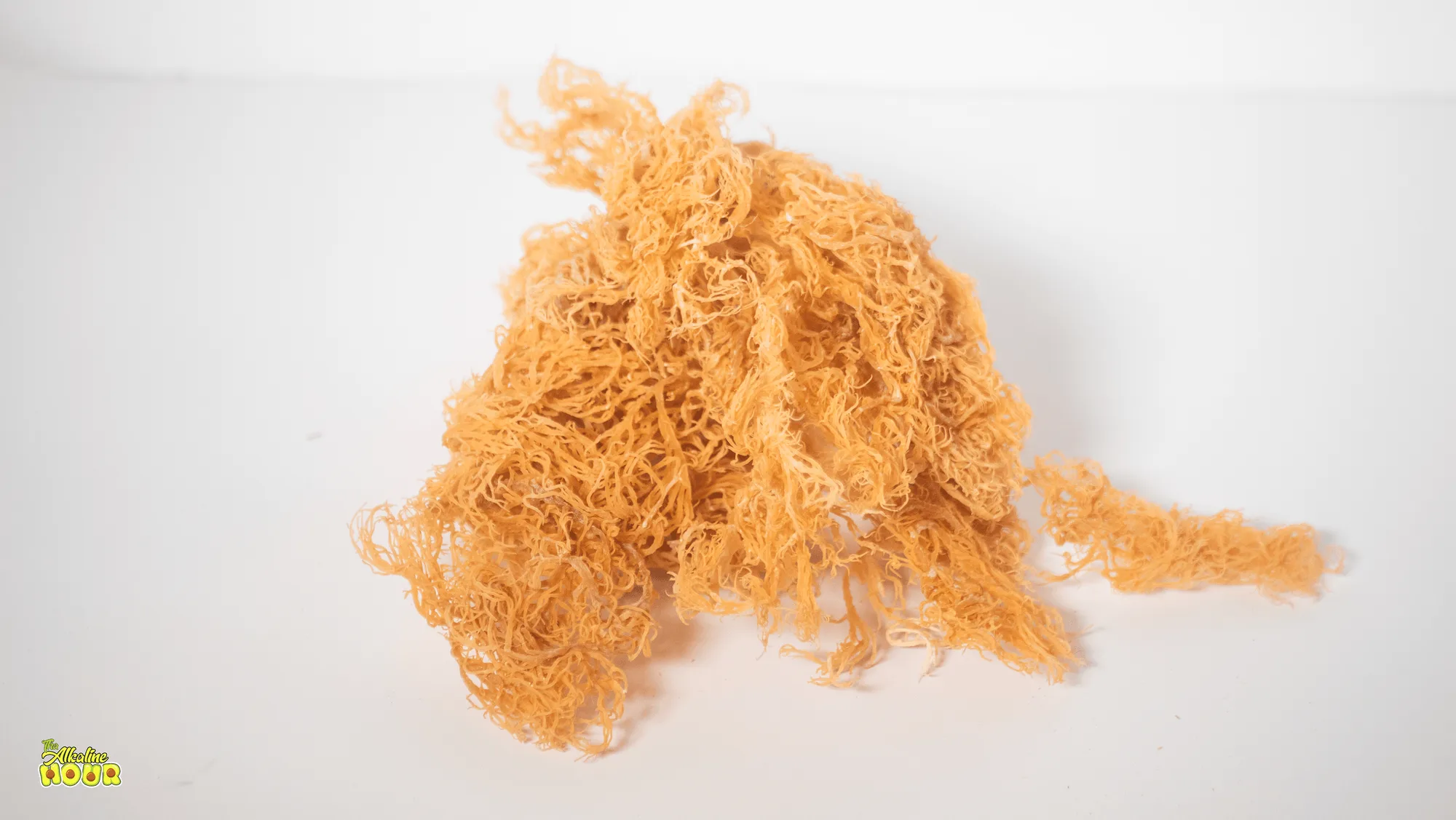
- Pound Of Sea moss: A full pound of authentic, wildcrafted Sea Moss — giving you the power to make your own fresh gel at home on your schedule, in your kitchen, with complete control over what goes in it. This is the purest way to consume Sea Moss — you know the source, you know the process, and you know exactly what you're putting in your body. Buying raw sea moss lets you make gel at home, saving money and ensuring freshness. You control the ingredients and avoid additives.
- Purple Sea Moss Gel (With Bladderwrack & Burdock Root): Bladderwrack — Fucus vesiculosus — is a brown seaweed that grows on the rocky Atlantic and Pacific coastlines of Europe and North America and has been used as a food and medicine by coastal communities for centuries. Rich in naturally occurring iodine, fucoidan, and a broad spectrum of minerals found only in seawater. This gel combines sea moss with bladderwrack and burdock root, adding extra minerals and traditional herbal support. It's a convenient way to get a broader nutrient profile without making gel yourself.
Which Form Fits You?
Best for
- People who want the full nutritional profile and enjoy adding sea moss to smoothies or recipes.
- Budget-conscious shoppers willing to spend a little time making gel at home.
Not for
- Frequent travelers or those who need a no-prep, grab-and-go option.
- People who dislike the taste or texture of gel and prefer a tasteless supplement.
Both sea moss gel and capsules can support your wellness routine, but they serve different needs. Gel offers broader nutrition and value, while capsules provide unmatched convenience and consistency. Think about your daily habits and priorities, then choose the form you'll actually stick with — that's the most effective one for you.