The myth: pins and seam rippers are interchangeable
A common misconception is that any sharp tool in your sewing kit can do the job of another. In reality, sewing pins and seam rippers serve opposite purposes: pins hold fabric together before stitching, while seam rippers undo stitches after they've been sewn. Using one in place of the other can damage fabric or waste time.
This article breaks down what each tool actually does, when to reach for which, and how to avoid the most common mistakes when pinning or unpicking.
What a seam ripper is designed to do
-
PRYM LOVE Large Seam Ripper with Protective Cap | Pink: PRYM LOVE Large Seam Ripper with Protective Cap | Pink: Features a sharp metal seam-ripping blade, ergonomic soft-grip handle, and a protective cap. The cap covers the sharp tip when not in use, helping protect the blade and keep your kit organized. The large handle offers comfort and control for frequent unpicking.
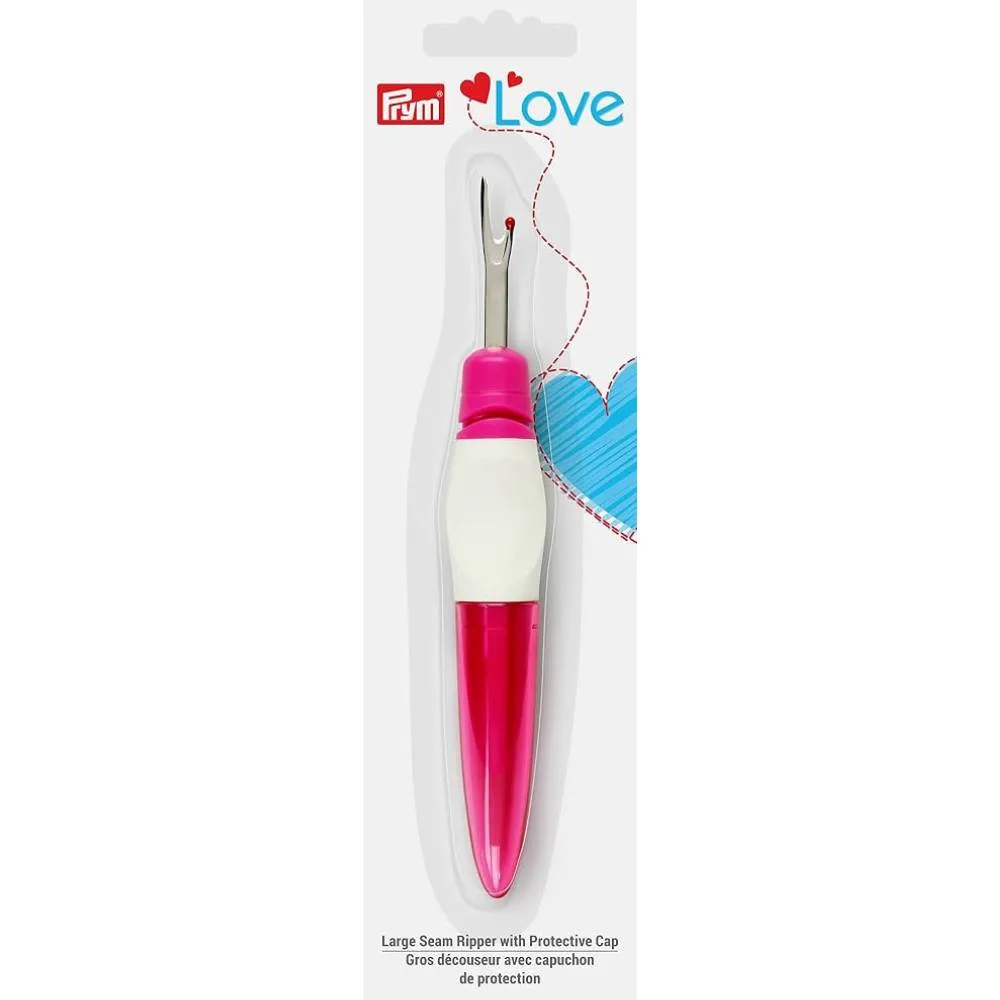
PRYM LOVE Large Seam Ripper with Protective Cap | Pink
When to use a seam ripper
Reach for a seam ripper when you need to remove stitches—whether you've made a mistake, are altering a garment, or are opening a seam for a new project. The PRYM LOVE Large Seam Ripper is particularly useful for garment sewing and alterations, thanks to its comfortable grip and sharp blade.
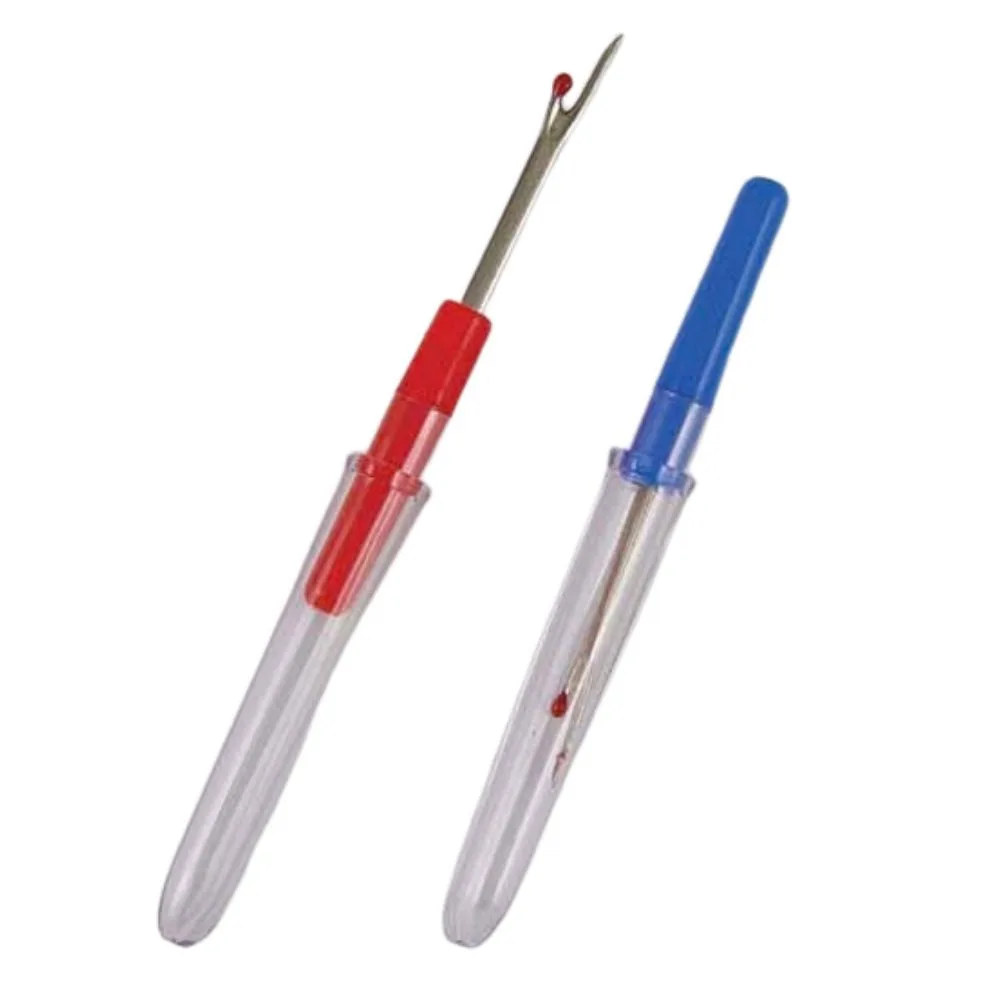
The rounded red safety ball on the opposite point helps the tool glide along the fabric when opening longer seams, reducing the risk of catching or tearing the fabric. Work slowly, keep the cutting edge directed toward the stitches, and avoid forcing the tool through the seam.
What sewing pins are designed to do
-
KLASSÉ Quilting Pins | Plastic Head Pins Yellow | 45 mm | 165 pcs: KLASSÉ Quilting Pins | Plastic Head Pins Yellow | 45 mm | 165 pcs: Extra-long 45 mm pins with bright yellow plastic heads, made from nickel-plated tempered steel. These pins are designed for precision and reliability when working with quilting cottons, multiple fabric layers, and detailed sewing projects. The length helps penetrate thick fabrics, and the bright heads make them easy to see.
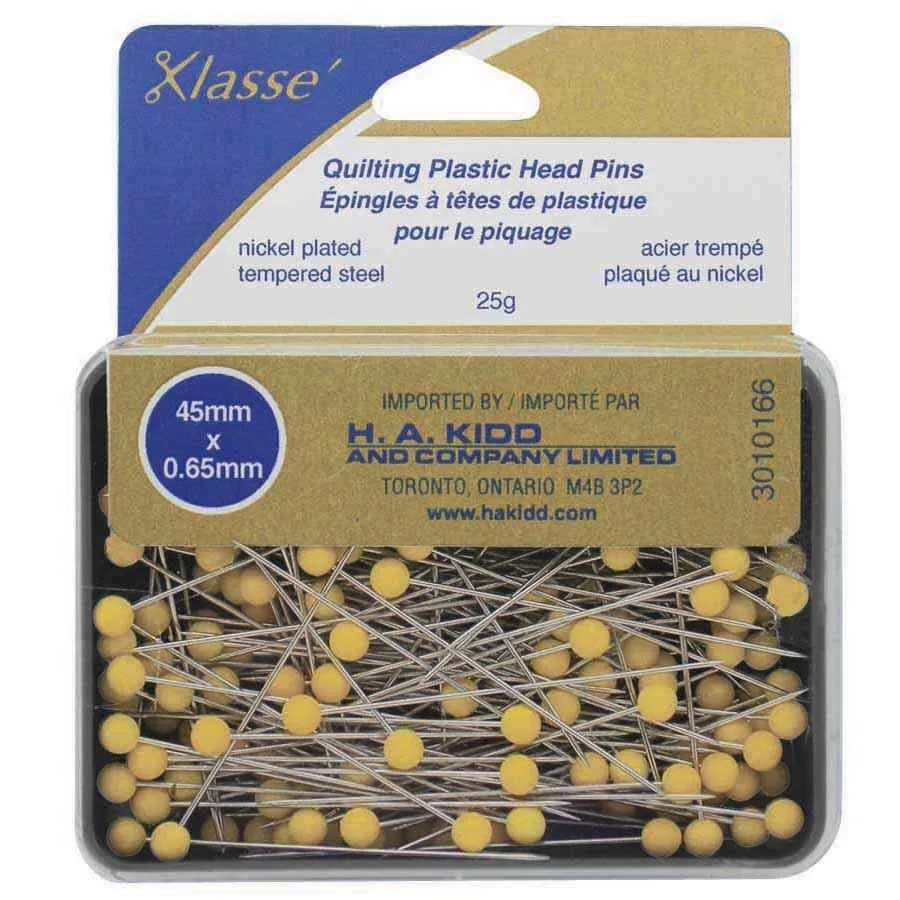
KLASSÉ Quilting Pins | Plastic Head Pins Yellow | 45 mm | 165 pcs
When to use sewing pins
Use sewing pins to hold fabric layers in place before and during stitching. They're essential for quilting, garment sewing, and any project where you need to keep pieces aligned. The KLASSÉ Quilting Pins are extra-long (45 mm) to easily penetrate thick fabrics and layered materials, and their bright yellow plastic heads are easy to spot while sewing.
Pins are not a substitute for a seam ripper: they cannot cut stitches, and trying to use a pin to unpick will likely distort the fabric or break the pin.
Common sewing pin mistakes to avoid
- Using the wrong pin for thick fabrics: Standard pins may bend or skip when sewing multiple layers. Extra-long pins like the KLASSÉ 45 mm are designed to penetrate thick fabrics and layered materials.
- Leaving pins in the fabric while sewing over them: Sewing over pins can damage your machine needle or the pin. Remove pins as you approach them, or use a slower speed.
- Not using pins where they're needed: Skipping pins on slippery or stretchy fabrics can lead to shifted layers and uneven seams. Pin generously before cutting and sewing.
How to unpick stitches safely with a seam ripper
- Protect the blade when not in use: The PRYM LOVE seam ripper includes a protective cap that covers the sharp tip, helping protect the blade and keep your sewing kit organized.
- Slip the pointed end under a stitch: Gently guide the thread toward the blade to cut it. Work slowly and avoid pulling or forcing the tool through the fabric.
- Cut a few stitches at a time: This reduces the risk of accidentally catching or damaging the fabric. The rounded red ball on the opposite point helps the tool glide along the fabric when opening longer seams.
The bottom line
Pins and seam rippers are not interchangeable—they solve different problems. Keep both in your sewing kit: pins for holding fabric together before stitching, and a seam ripper for undoing stitches when needed. Choose a seam ripper with a protective cap and comfortable handle for frequent use, and extra-long pins for thick fabrics and layered projects.