Your hair is a living reflection of the seasons. Just as you switch your wardrobe from light cottons to warm woolens, your hair care routine needs to shift with the weather. In Ayurveda, the ancient science of life, seasonal changes are known to disturb the doshas – Vata, Pitta, and Kapha – and this imbalance often shows up first in your scalp and strands. Dry winters can leave your hair brittle, humid monsoons can cause excessive oiliness and dandruff, and scorching summers can lead to sun damage and frizz.
The good news is that Ayurveda offers a wealth of natural remedies to keep your hair healthy all year round. By understanding the qualities of each season and choosing the right herbal formulations, you can maintain strong, lustrous locks no matter the weather. In this guide, we'll explore how to adapt your Ayurvedic hair care routine with two powerhouse products: Keshanta serum and Japapatti hair oil, along with other seasonal tips.
Understanding Seasonal Hair Changes in Ayurveda
Ayurveda teaches that each season is dominated by a particular dosha. Winter is Vata season, characterized by cold, dry, and windy qualities. These qualities aggravate Vata in the body, leading to dry scalp, brittle hair, and increased hair fall. The lack of moisture in the air can strip your hair of its natural oils, making it prone to breakage and split ends.
Summer, on the other hand, is Pitta season – hot, sharp, and intense. Excessive heat can cause inflammation of the scalp, leading to premature graying, thinning, and a burning sensation. The sun's UV rays can damage the hair cuticle, making it dull and frizzy. Monsoon, with its humidity and dampness, is Kapha season. This can lead to an overproduction of sebum, resulting in oily scalp, dandruff, and fungal infections. Understanding these seasonal dosha imbalances is the first step in tailoring your hair care routine.
- Winter: Vata – dry, brittle hair, dandruff, and hair fall
- Summer: Pitta – sun damage, frizz, premature graying
- Monsoon: Kapha – oily scalp, dandruff, and fungal issues
Winter Hair Care: Nourish with Keshanta Serum
During winter, your hair needs deep nourishment and moisture. The cold air and indoor heating can deplete your hair's natural lipid barrier, leaving it dry and lifeless. This is the perfect time to incorporate a potent serum like Keshanta serum, which is specifically formulated to combat hair fall and promote regrowth. Enriched with traditional Ayurvedic herbs, it penetrates the scalp to strengthen hair follicles and improve blood circulation.
To get the most out of Keshanta serum in winter, apply it to your scalp and massage gently with your fingertips for a few minutes. Leave it on overnight or for at least two hours before washing. The warming effect of the massage helps stimulate the hair roots, while the herbal infusion provides intense moisture. For best results, use it two to three times a week during the colder months. You can also pair it with a gentle shampoo and a hydrating conditioner to lock in moisture.
- Massage Keshanta serum into the scalp for 5-10 minutes to improve blood flow
- Use a warm towel wrap after applying the serum to enhance absorption
- Follow with a mild shampoo and a moisturizing conditioner
Monsoon Hair Care: Balance with Japapatti
Monsoon brings high humidity and dampness, which can make your scalp oily and prone to dandruff. The excess moisture creates an environment where fungi and bacteria thrive, leading to itching and hair fall. Japapatti, also known as hibiscus, is a cooling and balancing herb that helps control excess oil and soothes the scalp. Japapatti hair oil is an excellent choice for the rainy season as it keeps the scalp clean and prevents infections.
To use Japapatti oil effectively during monsoon, warm a small amount and massage it into your scalp in gentle circular motions. Leave it on for about 30 minutes before washing with a mild herbal shampoo. This routine helps regulate sebum production and keeps dandruff at bay. You can also mix a few drops of Japapatti oil with your regular shampoo for an added boost. Remember not to over-oil during this season, as it can attract more dirt and humidity.
- Use Japapatti oil twice a week to keep scalp balanced
- Avoid leaving oil on overnight during monsoon to prevent buildup
- Rinse with cool water to close the hair cuticles
Summer Hair Care: Protect and Cool
Summer heat can be harsh on your hair, causing dryness, frizz, and color fading. The sun's UV rays damage the hair protein, making it weak and brittle. To protect your hair in summer, focus on cooling and hydrating ingredients. Aloe vera, coconut milk, and rose are excellent choices. You can also use a lightweight leave-in conditioner or a spritz of rosewater to keep your hair refreshed.
Consider using a sulfate-free shampoo that gently cleanses without stripping natural oils. After washing, apply a small amount of a nourishing hair oil, like After Bath Oil Mogra, to the ends of your hair to seal in moisture and add shine. This lightweight oil is perfect for summer as it doesn't weigh hair down. Also, wear a hat or use a scarf when stepping out in the sun to minimize direct exposure.
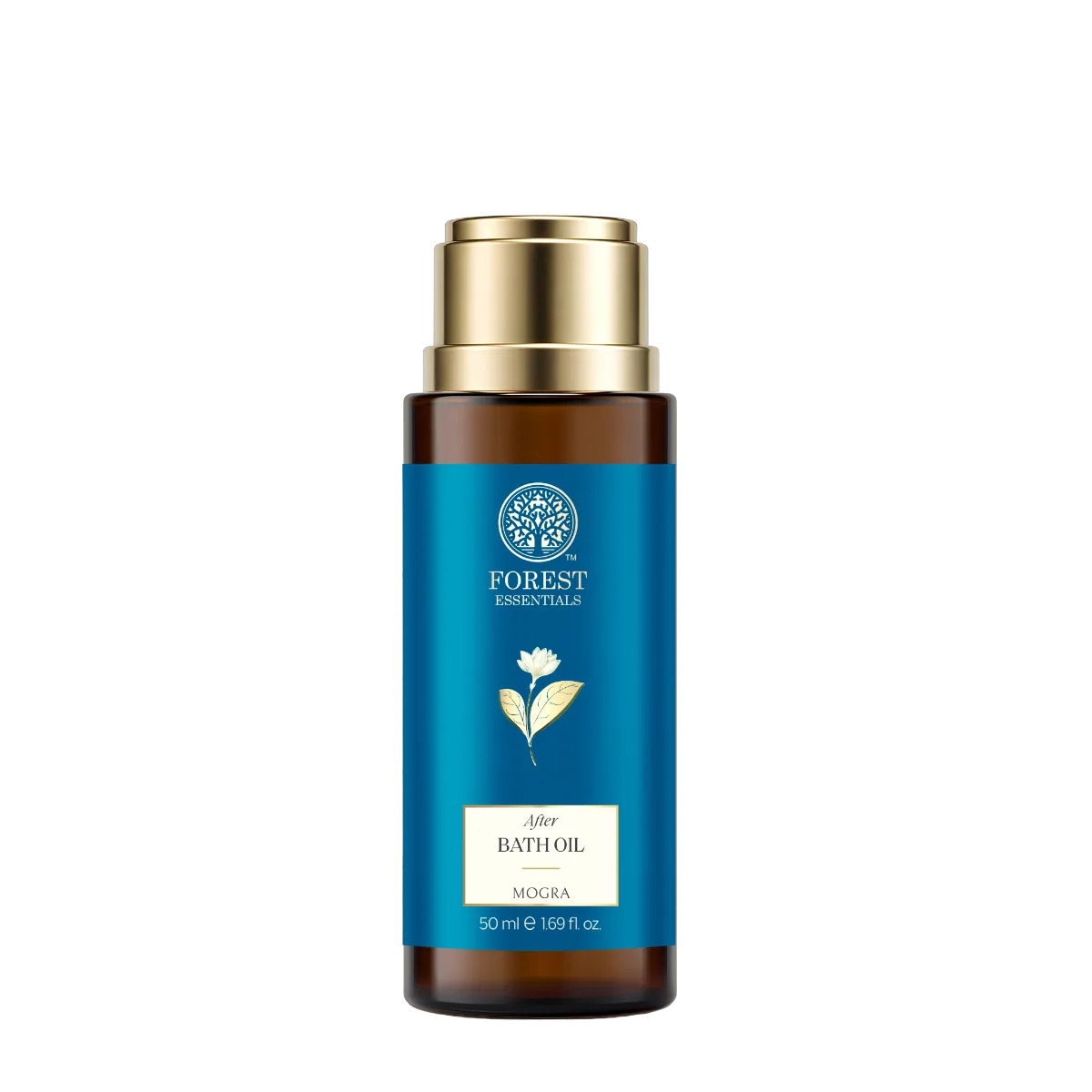
After Bath Oil Mogra
- Apply a leave-in conditioner with UV protection before sun exposure
- Use a wide-tooth comb to detangle wet hair gently
- Rinse hair with cool water to close cuticles and reduce frizz
Managing Seasonal Hair Fall with Ayurvedic Rituals
Seasonal hair fall is a common concern, especially during the transition from one season to another. This is when the body is adjusting to changes in temperature and humidity, and the hair cycle can be temporarily disrupted. Ayurveda recommends a holistic approach to combat this: a balanced diet, proper hydration, and regular scalp massages with herbal oils.
Incorporate a weekly hair mask using natural ingredients like amla, bhringraj, and shikakai. These herbs strengthen the roots and prevent breakage. Additionally, practice stress-reducing techniques like yoga and meditation, as stress is a major contributor to hair fall. Consistency is key – stick to your seasonal routine for at least three months to see visible results.
- Eat a diet rich in iron, protein, and omega-3 fatty acids
- Drink plenty of water to keep your scalp hydrated
- Avoid tight hairstyles that pull on the roots
Adapting your Ayurvedic hair care routine to the seasons is a beautiful way to honor nature's cycles and keep your hair healthy year-round. Whether you're nourishing with Keshanta serum in winter or balancing with Japapatti oil in monsoon, these natural remedies offer effective solutions for seasonal hair fall and damage. Explore our range of Ayurvedic hair care products to find the perfect fit for your seasonal needs.