Quick answer
For summer, choose lightweight, breathable microfiber with a minimalist cut so nothing bunches under light clothing. For winter, switch to soft cotton-rich briefs or tangas that stay smooth under layers and hold their shape through repeated washing. If you only want one fabric year-round, start with a cotton-microfiber blend and adjust the cut, not the brand.
Most people buy underwear once and wear it for everything, then wonder why July feels sticky and January feels drafty. The fix is not a bigger drawer; it is matching fabric weight and cut to the season. A breathable summer pair and a warm winter pair do different jobs, and both can come from the same brand if you know what to look for.
This seasonal underwear guide gives you concrete decision rules for summer, winter, and the in-between months, plus fit guidance so your choice actually works under the clothes you wear in each season. Prices below are catalog prices, and comparison prices are shown where the store lists them.
Summer: prioritize breathability and a low-profile cut
In heat and humidity, the enemy is trapped moisture. Look for microfiber or lightweight cotton with a thin waistband, because a wide elastic band plus a heavy fabric traps sweat and shows through linen or light chinos. A g-string or tanga cut reduces coverage and fabric against the skin, which is exactly what you want when the temperature climbs.
The trade-off is support. Minimalist cuts feel cooler but offer less hold, so if you are active or prefer a secure feel, choose a microfiber brief instead of a g-string. Microfiber is known for softness, lightness, and breathability, which is why it appears across summer-friendly styles.
- Choose light colors or prints under light summer clothing to avoid show-through.
- If you sweat heavily, rotate two or three pairs per day rather than one heavy pair.
Winter: choose soft cotton and a cut that stays put under layers
Winter underwear has two jobs: feel warm against the skin and stay in place under trousers, thermals, or pajama bottoms. Cotton-rich fabrics with a small amount of spandex give you softness plus recovery, so the waistband does not stretch out after a few wears. A brief or tanga cut works better than a g-string here because more coverage means less cold air against the skin.
Do not assume thicker equals warmer. A heavy, non-breathable fabric under winter layers can leave you damp when you move between cold streets and heated rooms. A soft supima cotton brief with a bit of stretch is usually the better winter pick than a bulky synthetic.
- Check the waistband width: a wider band distributes pressure and does not mark the skin under fitted trousers.
- Wash winter underwear inside out in cold water to keep the cotton soft and the elastic intact.
Spring and fall: the transition seasons reward versatility
In mild weather, you can wear either fabric, so let your outer clothing decide. Under lightweight trousers or shorts, pick the thinner microfiber option; under jeans or heavier chinos, a cotton brief feels better and stays put. This is also the season to test a new cut before committing to a full drawer change.
If you are unsure, buy one pair in each fabric and wear each for a full day. The pair you forget you are wearing is the one to buy in multiples.
- Keep one drawer section for warm-weather pairs and one for cold-weather pairs so you stop guessing.
- Replace any pair with a stretched waistband or thinning fabric before the next season starts.
Fit guidance: get the size right before you optimize the fabric
Seasonal fabric only helps if the fit is right. The waistband should sit flat without digging in, and the leg openings should not cut into the thigh. If you are between sizes, size up for cotton, which has less stretch, and stay true to size for microfiber, which moves with you. A g-string should feel secure but not tight; if it leaves deep marks after an hour, it is too small.
For winter, remember that you may wear underwear under another layer. A pair that fits perfectly under summer shorts can feel restrictive under thermal leggings, so consider one size up for the coldest months if you layer heavily.
- Measure your waist at the point where your trousers sit, not at your natural waist, and compare to the size chart.
- If a pair rides up, the cause is usually a too-large waistband or a too-small leg opening, not the fabric.
Seasonal decision rules
- Temperature above 25°C / 77°F: Choose microfiber or lightweight cotton with a thin waistband. A g-string or thong reduces fabric against the skin and dries faster. If you sweat through cotton by midday, switch to microfiber.
- Temperature below 10°C / 50°F: Choose a cotton-rich brief or tanga with a wider waistband that stays flat under trousers and thermals. Avoid g-strings in deep winter unless you run warm and layer lightly.
- Layering under thermal leggings: Size up one step if your winter underwear will sit under a second layer, especially in cotton, which has less stretch. A pair that fits under shorts may feel tight under thermals.
- Sensitive skin: Prioritize soft, breathable fabrics and avoid heavy prints or tight elastic. Cotton-rich blends with a small amount of spandex are the safest starting point. If a pair itches, the fabric or the waistband is the problem, not the cut.
Product facts that matter for seasonal choice
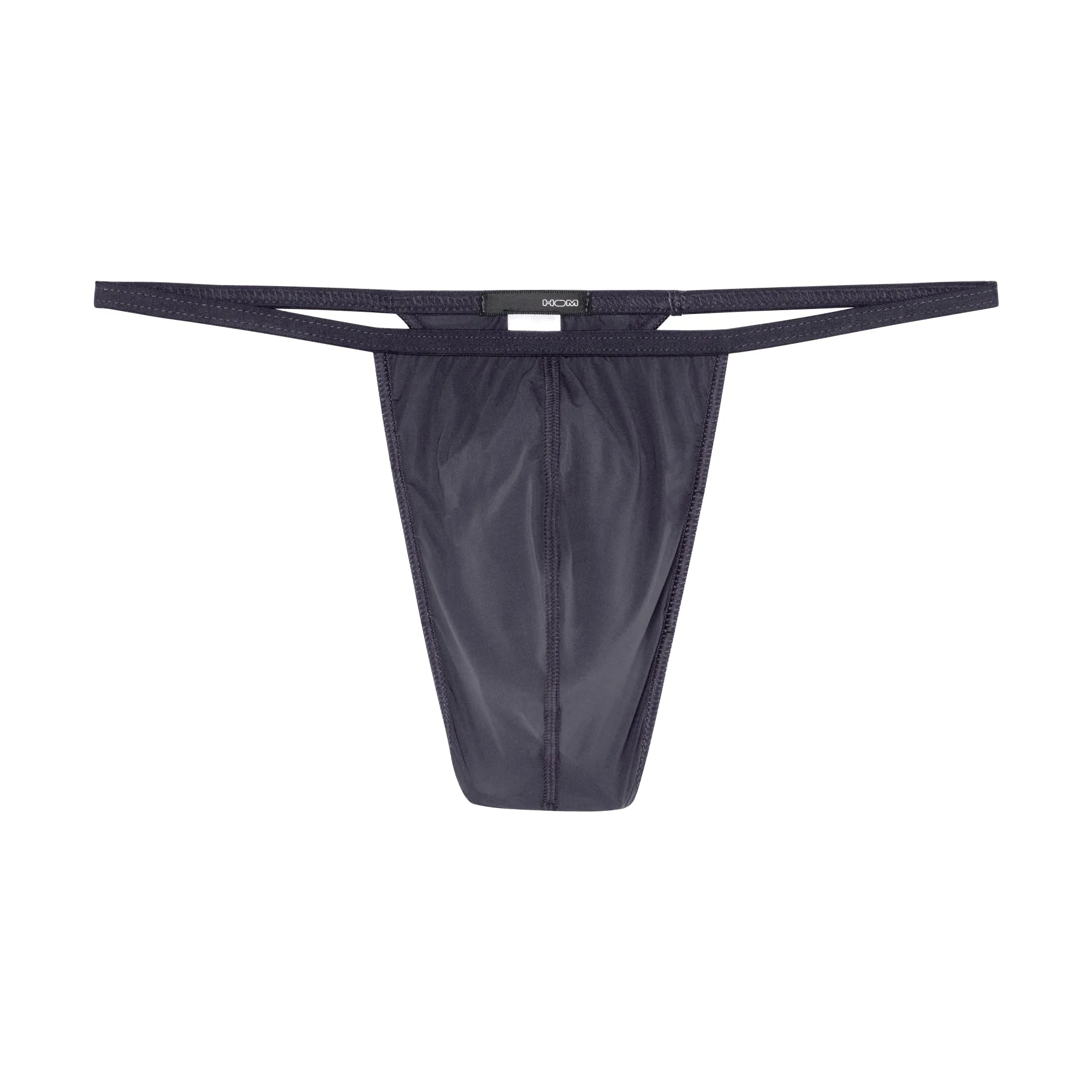
- Plumes G-String | Anthrazit 359931-Z098: Designed in ultra-fine microfiber, this g-string is forgotten under clothes thanks to its second skin effect, with a discreet 1 cm wide band. A 1 cm band and ultra-fine microfiber make this a strong summer pick when you want minimal show-through under light clothing.
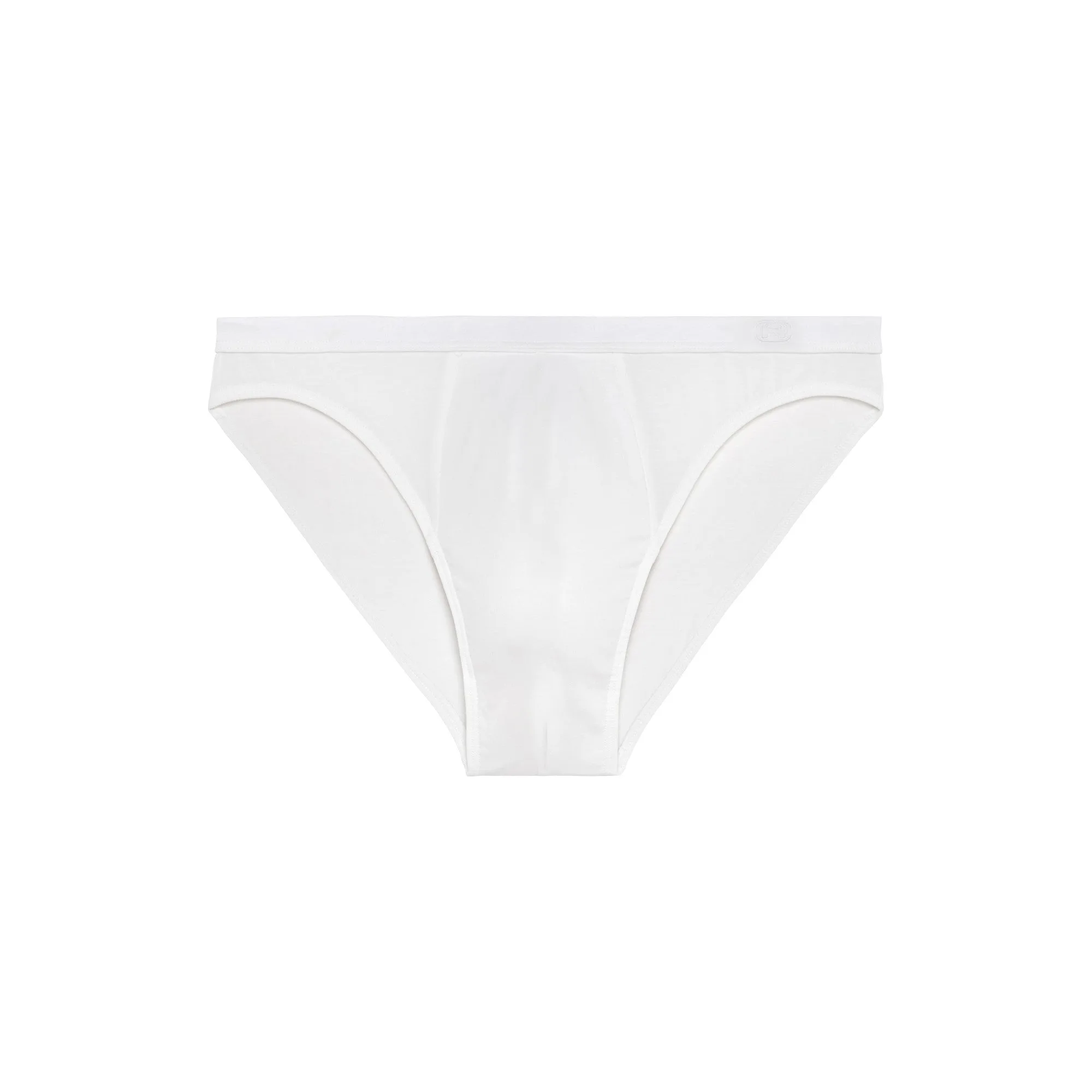
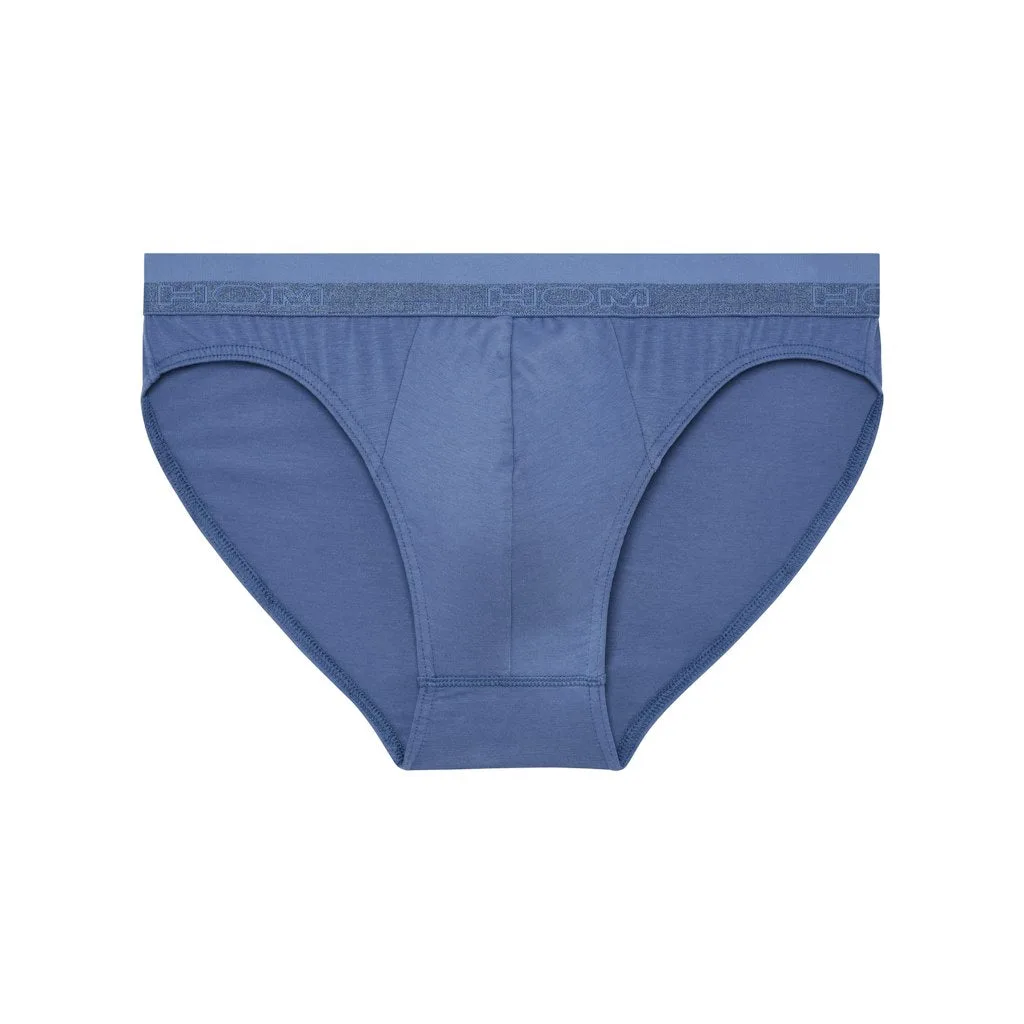
- Supreme Cotton Comfort Micro Briefs | White 402448-0003: Made of 92% supima cotton and 8% spandex yarn, this micro shaped brief provides excellent hold on the body and a feeling of freshness, even for sensitive skin. The cotton-rich blend gives warmth and softness for winter, while the spandex helps the brief keep its shape under layers.
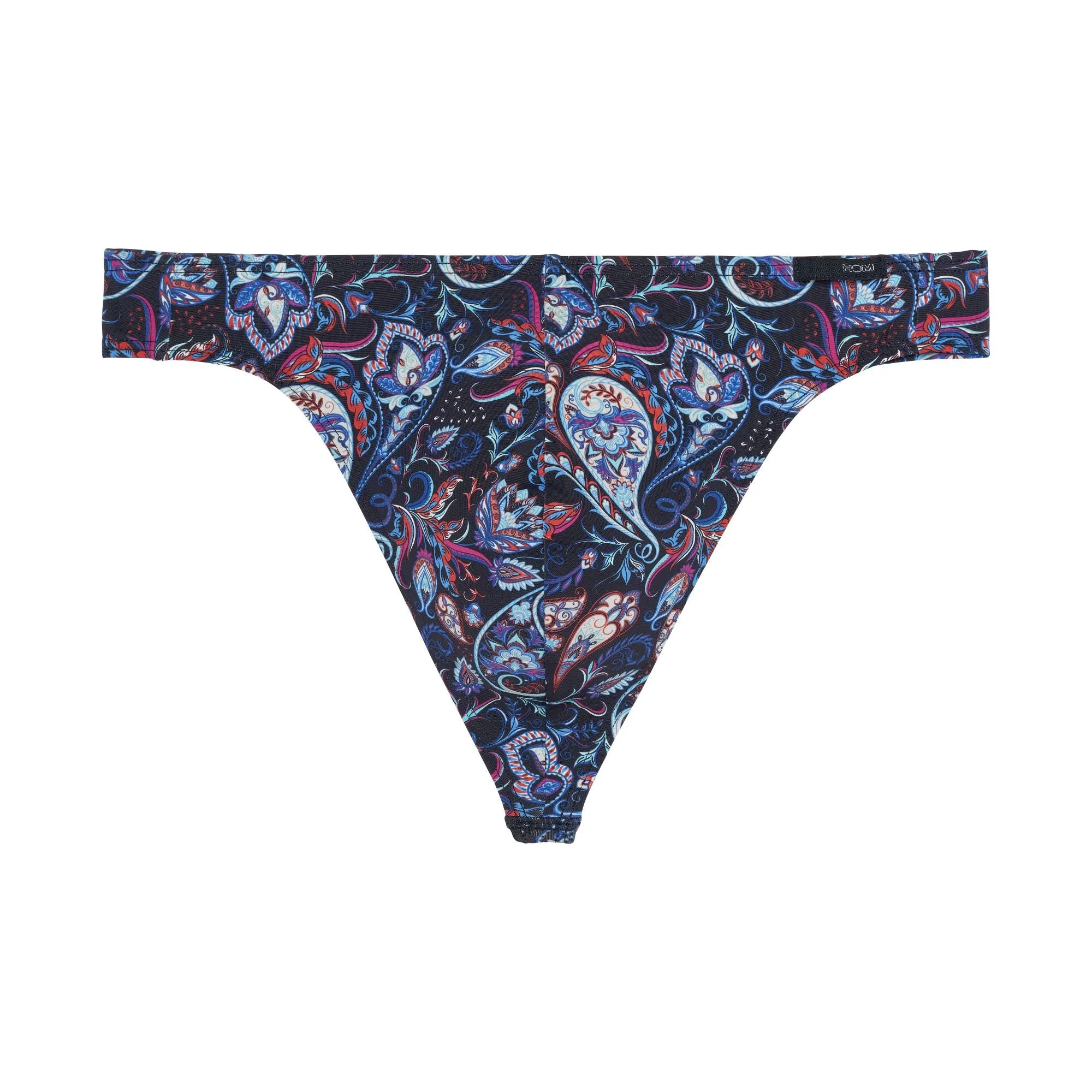
- Funky Styles Thong | Navy Blue Print 403042-P0NB: Made from high-quality microfiber, a fabric known for exceptional softness, lightness, and breathability, even on the hottest days. If summer heat is your main problem, this thong's breathable microfiber addresses moisture and comfort directly.
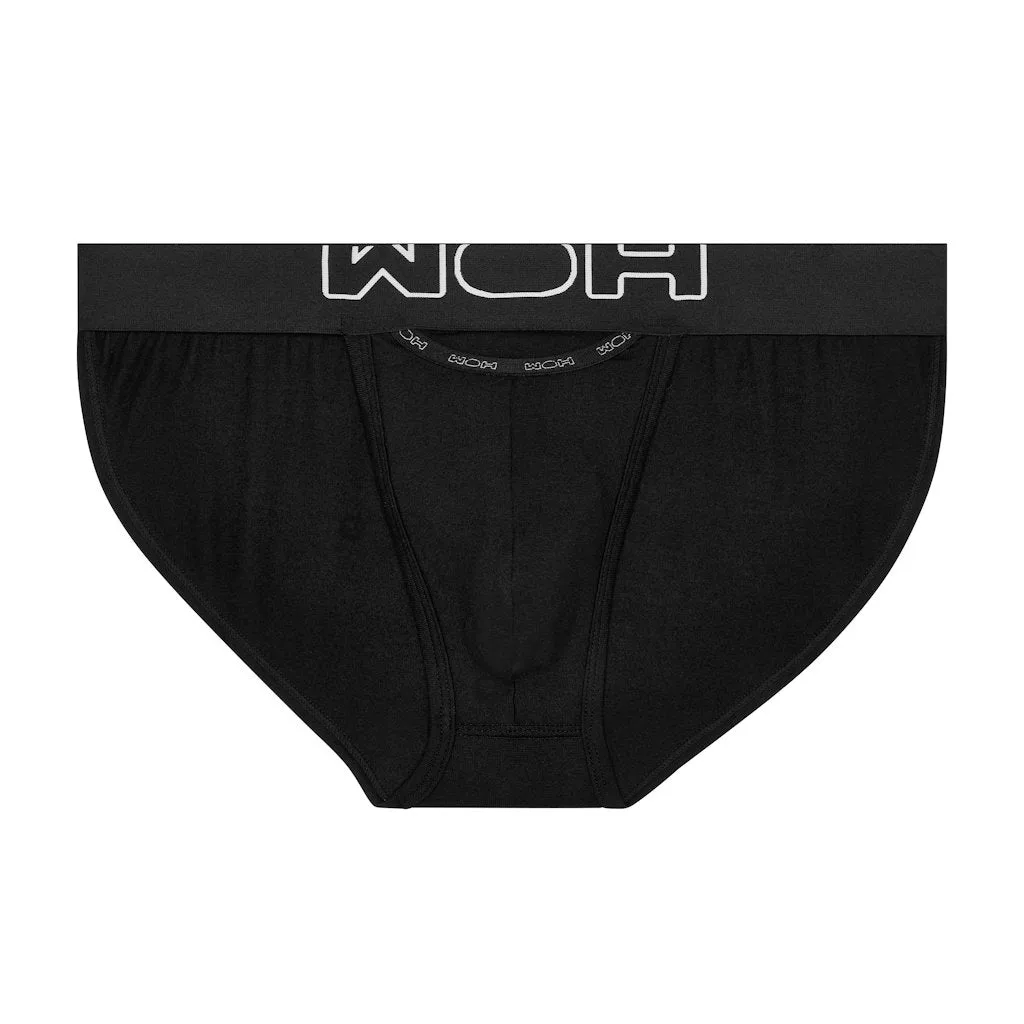
- Sexy Fun Tanga Briefs | Black 463010-0004: This stretch cotton tanga adds a sporty touch and has an ergonomic cut designed to flatter the figure. A stretch cotton tanga is a good transition-season choice: more coverage than a g-string, but still light enough for mild weather.
Who this seasonal approach is for
Best for
- Anyone who wants one clear rule for summer versus winter underwear
- People who layer heavily in winter and need underwear that stays put
- Shoppers comparing microfiber and cotton before buying multiple pairs
Not for
- Shoppers looking for compression or performance sportswear
- Anyone who wants a single pair to wear in every climate without adjustment
Seasonal underwear is less about buying more and more about matching fabric and cut to the weather. Start with one breathable microfiber pair for summer and one soft cotton brief for winter, wear each for a full day, and let comfort decide what you buy in multiples.