Quick answer
Choose a seat extender if your current carrier still fits you well and your child only needs a wider, deeper seat as they grow. Choose a toddler carrier if your child has outgrown the panel height, the waistband no longer feels secure, or you want a carrier designed for bigger bodies from the start. If you are buying new anyway, a toddler carrier or a Free-to-Grow style carrier usually solves the problem in one purchase instead of adding an accessory to a carrier that is already at its limit.
What each option actually changes
A seat extender is an accessory that widens or deepens the seat of a carrier you already own, so a taller or heavier child can sit with knees supported rather than dangling. It does not change the panel height, the shoulder strap geometry, or the waistband. If the carrier's back panel no longer reaches the base of your child's neck, an extender will not fix that.
A toddler carrier is a complete carrier sized for larger children. It typically has a taller panel, a wider seat, and a longer waistband range than a standard baby carrier. Because it is a full product rather than an add-on, it also resets the fit for the adult wearing it, which matters if your own body size has changed since you bought your first carrier.
When a seat extender is the smarter spend
Use a seat extender when the carrier still passes three checks: the waistband sits comfortably on your hips without riding up, the shoulder straps adjust to a position you can wear for 30 minutes without pressure points, and the panel still supports your child from knee to knee and up to the neck. If all three are true and only the seat width is short, an extender is the cheaper, lower-waste fix.
This is also the better path if you love the specific carrier you own and it is no longer sold, or if you switch between two caregivers who have already dialed in their fit on that carrier. Adding an extender keeps that fit intact.
When a toddler carrier is the honest answer
Move to a toddler carrier when the panel is too short, when the waistband is at its largest setting, or when your child leans back and the carrier feels like it is pulling away from your body. Those are structural limits, and an extender cannot correct them.
A toddler carrier also makes sense if you are still carrying a younger sibling in your old carrier and need a second, larger option for the older child. Two carriers in rotation is often more practical than one carrier plus an accessory that has to be removed and reinstalled.
How Free-to-Grow carriers fit into this decision
Some carriers are designed to adapt across sizes rather than being sized as a baby or toddler model. The Baby Tula Free-to-Grow collection is described as a Free-to-Grow design that adapts to your growing baby, which means the carrier itself is intended to change with your child instead of requiring a separate toddler purchase. If you are choosing between buying an extender for an older carrier and buying a new carrier, an adjustable design is the third option worth pricing out.
Fabric choice also affects how long a carrier stays comfortable in daily use. Mesh center panels and hoods are designed to keep you and baby comfortably cool, which matters more as children get heavier and carrying sessions get warmer.
Trade-offs to weigh before you spend
- Cost and waste: A seat extender costs less than a new carrier, but it only pays off if the rest of your carrier still fits. A toddler carrier or an adjustable Free-to-Grow carrier costs more up front and replaces the whole fit. If the panel height or waistband is already maxed out, the cheaper accessory is the more expensive mistake.
- Fit for the adult: An extender changes the child's seat, not your shoulder straps or waistband. A new carrier resets both. If you have had a change in body size or a different caregiver now does most of the carrying, that reset has real value. Check your own fit first, then your child's.
- Number of children in rotation: An extender works best when one carrier serves one growing child. If you are carrying two children of different sizes, a second full carrier is usually simpler than swapping an accessory back and forth. Count the children, then count the carriers you actually need.
- Climate and session length: Heavier children mean longer, warmer carries. Mesh panels and hoods are designed to keep you and baby comfortably cool, while a seat extender adds no ventilation at all. If overheating is already a problem, solve that with fabric, not with an extender.
Carriers worth comparing before you buy an accessory
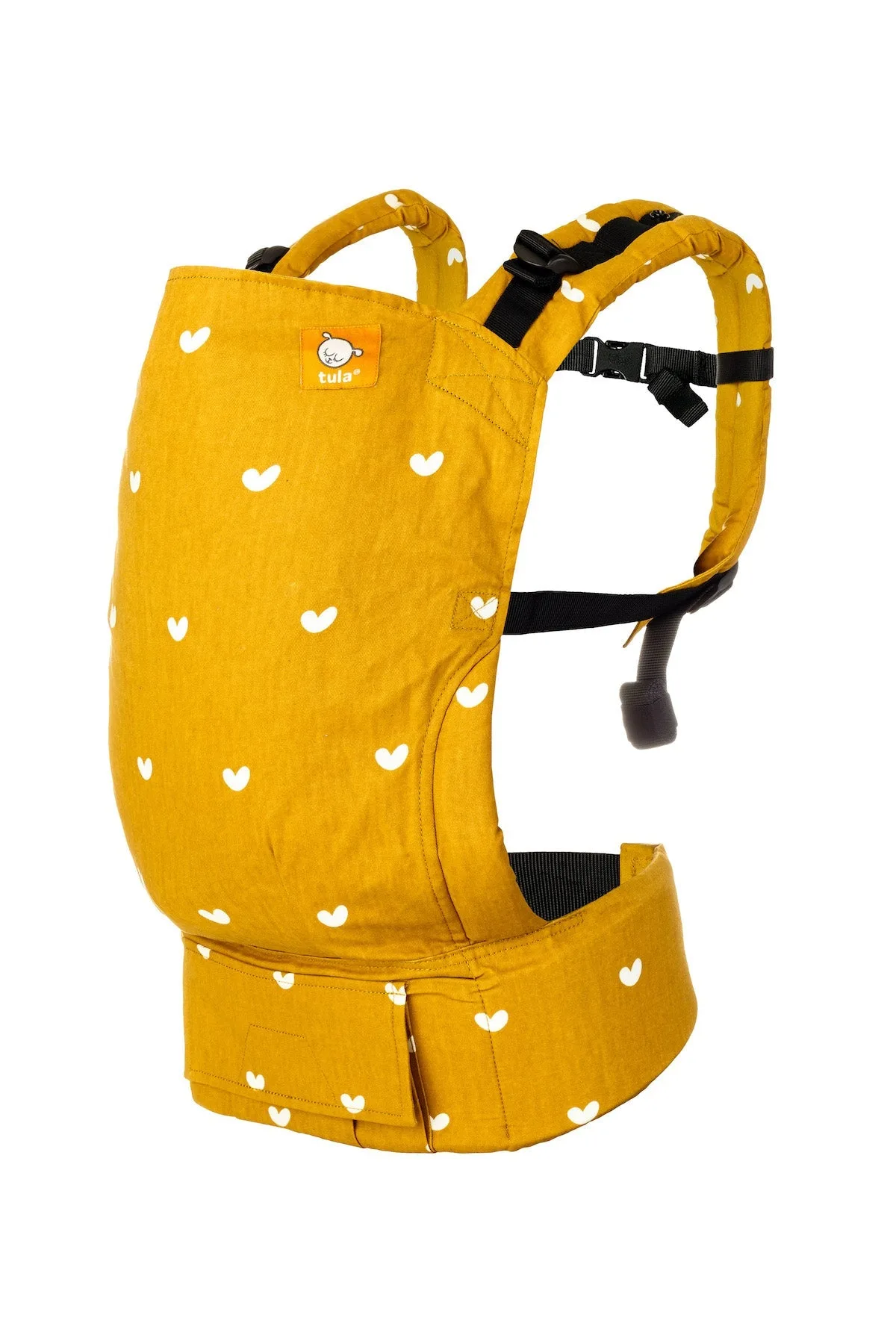
- Sand - Linen Free-to-Grow Baby Carrier: Sand - Linen Free-to-Grow Baby Carrier is part of the Free-to-Grow carrier collection, designed for ergonomic positioning, in a soft buttery tan color inspired by natural sand tones. A neutral, adjustable carrier can replace the need for an extender if your goal is simply to keep carrying one child as they grow.
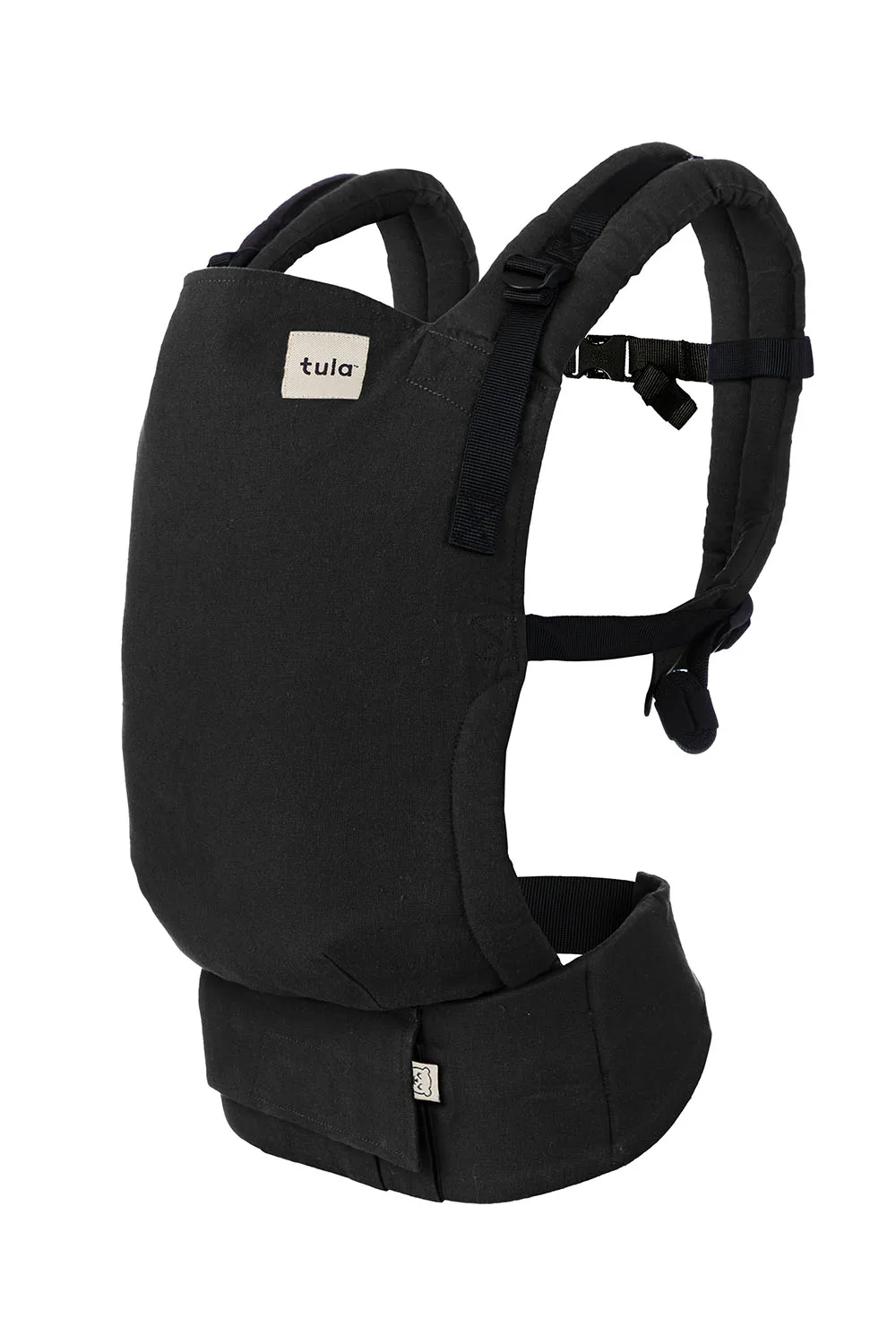
- Ash - Linen Free-to-Grow Baby Carrier: Ash - Linen Free-to-Grow Baby Carrier uses a smokey black linen-inspired colorway and a Free-to-Grow design that adapts to your growing baby. If you want one carrier to cover the stretch from baby to toddler, an adjustable design is the alternative to buying an extender plus a toddler carrier later.
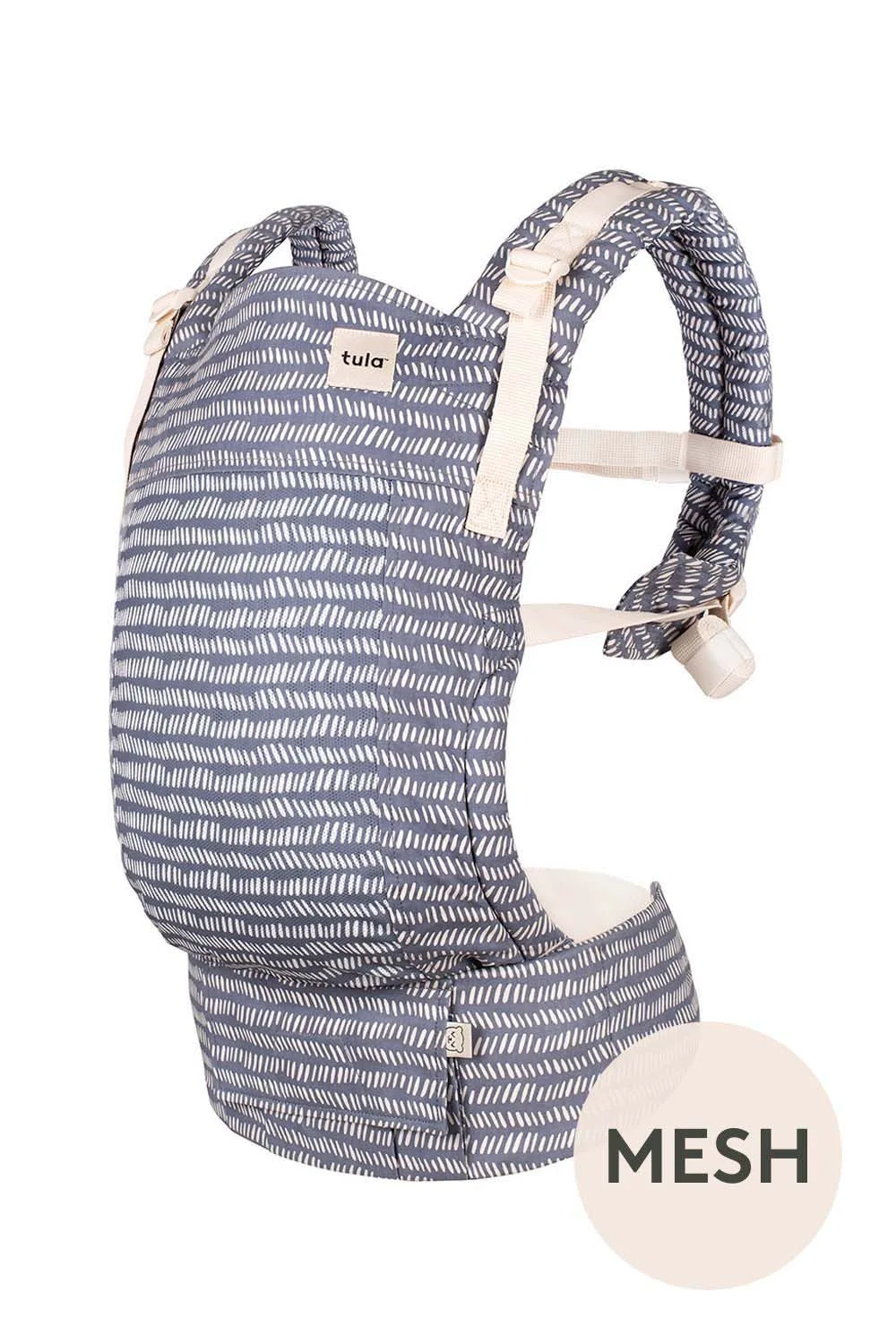
- Beyond - Mesh Free-to-Grow Baby Carrier: Beyond - Mesh Free-to-Grow Baby Carrier has a steel blue background with a light gray mesh center panel and hood that keep you and baby comfortably cool. Mesh ventilation becomes more valuable as your child gains weight and carrying sessions run longer, which is often the same stage when parents start shopping for extenders.
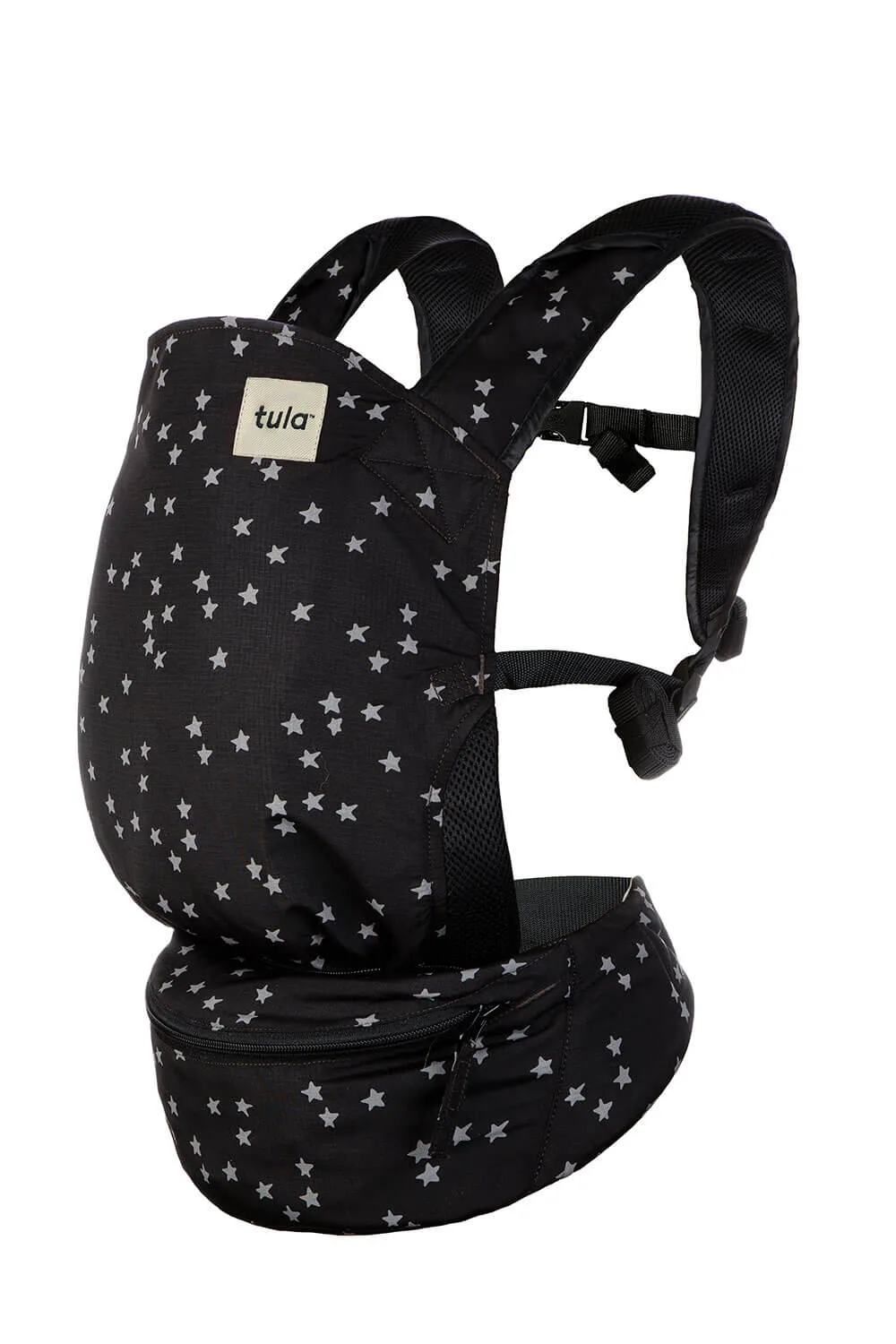
- Discover - Lite Baby Carrier: Discover - Lite Baby Carrier is a Compact Travel Carrier with gray star clusters on a jet black background, inspired by early moments of discovery. A compact carrier is a different tool from a toddler carrier: it suits travel and quick carries rather than long, heavy toddler sessions, so it should not be treated as a size upgrade.
Which one fits your situation
A seat extender is best for
- Parents whose carrier still fits well at the shoulders and waist and only needs a wider seat
- Families carrying one child who has outgrown seat width but not panel height
- Caregivers who have already dialed in a fit on a specific carrier and want to keep it
A toddler carrier or adjustable carrier is better for
- Children whose back panel no longer reaches the neck
- Adults whose waistband is at its largest setting
- Families carrying two children of different sizes at the same time