Quick Answer
If you prioritize plastic-free packaging and mineral-rich ingredients, a seaweed shampoo bar is a solid choice. Traditional liquid shampoos offer more lather and convenience, but often come in plastic bottles. For a balance of eco-friendliness and hair nourishment, try a bar like the Tea Tree & Spirulina Shampoo Bar.
The shampoo aisle has expanded beyond bottles. Solid shampoo bars, especially those infused with seaweed, are gaining fans for their concentrated formulas and minimal packaging. But are they truly better than the liquid shampoo you've used for years? The answer depends on your hair type, routine, and values.
This comparison looks at how seaweed shampoo bars and traditional liquid shampoos differ in ingredients, usage, and environmental impact. We'll also highlight a few seaweed-based options that bring ocean minerals to your shower.
Ingredients: What's Actually in Your Shampoo?
Traditional liquid shampoos often contain water as the first ingredient, along with synthetic surfactants for lather and preservatives to extend shelf life. They can be effective, but if you're seeking a more concentrated, plant-based clean, a shampoo bar is worth considering. Bars typically have a higher proportion of active ingredients like oils and botanicals because they lack the added water.
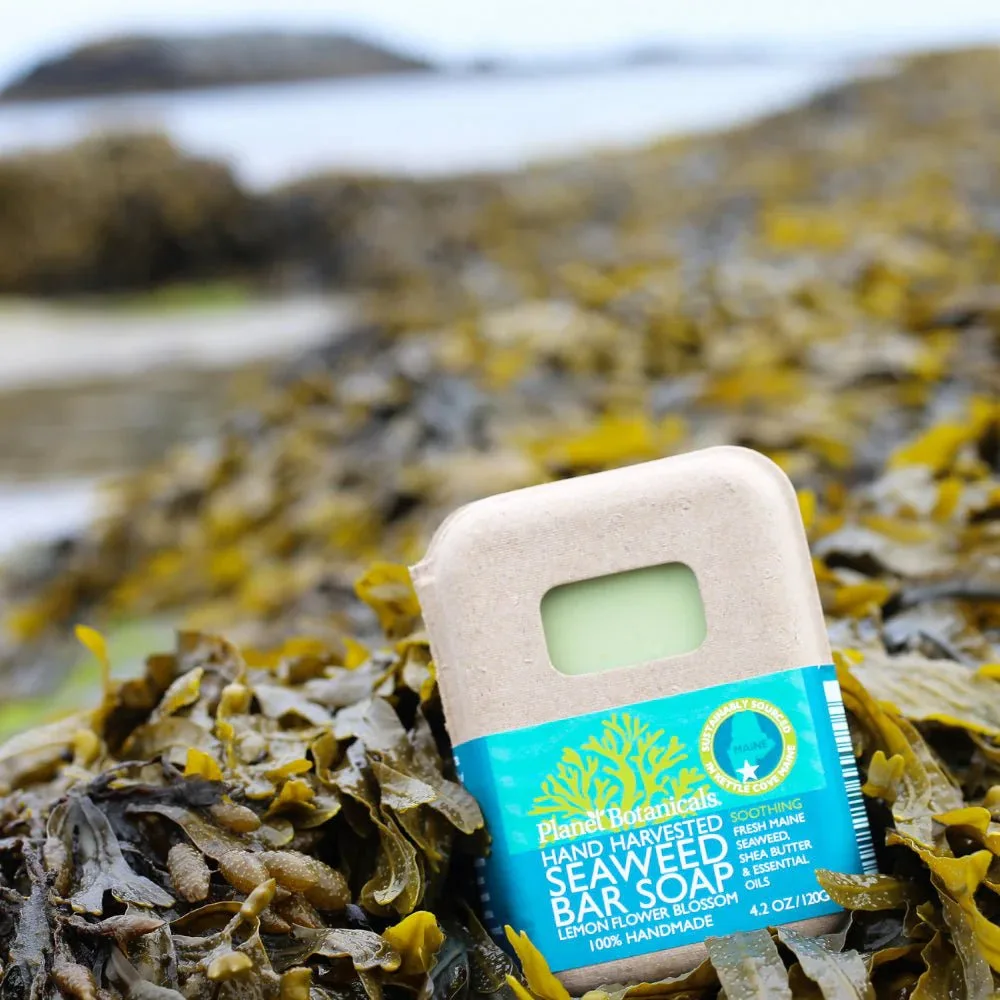
Seaweed brings trace minerals and vitamins to hair care. For example, the Tea Tree & Spirulina Shampoo Bar from Maine Sol Botanicals includes herbal infusions and Maine kelp to cleanse and nourish. Similarly, a bar soap like the Seaweed Bar Soap from Planet Botanicals uses freshly harvested Maine seaweed. These ingredients can support scalp health, though more research is needed to confirm specific hair-growth claims.
- Read ingredient lists: bars often have fewer preservatives but may contain essential oils that can irritate sensitive skin.
- If you have a known allergy to iodine or seaweed, consult a healthcare provider before using seaweed-based hair products.
Usage and Convenience: Lather, Storage, and Travel
Liquid shampoos are straightforward: pump, lather, rinse. Shampoo bars require a bit more technique—rub the bar between wet hands or directly on your scalp to build lather. Some people find bars take longer to lather, especially in hard water. However, bars are compact and TSA-friendly, making them great for travel.
Storage matters for bars. They need to dry between uses to last longer; a well-draining soap dish is essential. Liquid shampoos, on the other hand, are mess-free and familiar. If you have a complex hair care routine with multiple products, a bar might feel like an extra step, but many users adapt quickly and enjoy the ritual.
- Keep your shampoo bar dry between uses to extend its life.
- When traveling, use a tin or travel case to avoid mess in your bag.
Environmental Impact: Plastic-Free Options
One of the biggest advantages of shampoo bars is their minimal packaging. Many bars come in paper or cardboard, eliminating the plastic bottle that dominates the liquid shampoo market. If you're aiming to reduce plastic waste, switching to a bar is a tangible step.
Traditional liquid shampoos typically require plastic packaging, although some brands offer refill stations or recyclable bottles. Consider your local recycling capabilities and how often you purchase shampoo. A bar often lasts longer than a liquid bottle because it's concentrated, meaning fewer purchases over time.
- Look for bars with minimal or compostable packaging.
- If you stay with liquid, choose brands with refill options or recycled plastic.
Trade-offs at a Glance
- Eco-impact: Shampoo bars typically use less packaging and are often plastic-free. Liquid shampoos usually come in plastic bottles, though some brands offer refills. Choose a bar if reducing plastic waste is a priority.
- Convenience: Liquid shampoos lather easily and require no special storage. Bars need a drying dish and may take longer to lather, especially in hard water. Stick with liquid if you value a no-fuss routine.
- Ingredients: Bars are often more concentrated with botanicals and oils, like seaweed. Liquids may contain more water and preservatives, but some are sulfate-free. Read labels to find the formula that matches your hair needs.
Seaweed Shampoo and Hair Care Products to Consider
- Tea Tree & Spirulina Shampoo Bar - 5 oz - Maine Sol Botanicals: Made by Maine Sol Botanicals in Scarborough, Maine. This shampoo bar is packed with herbal infusions, including Maine Kelp, to cleanse and nourish hair. Its unique finger-massage shape helps stimulate the scalp. This bar combines cleansing with scalp massage, which can improve circulation and product distribution. The kelp adds minerals that may support hair health.
- Seaweed Bar Soap 4.5 oz - Planet Botanicals: Handmade cold-processed soap infused with pure flower essential oils and freshly harvested Maine seaweed. It's a luxurious moisturizing bar for skin and can be used on hair in a pinch. While marketed as a soap, its seaweed content and moisturizing properties make it a versatile option for those who want to try seaweed cleansing without committing to a dedicated shampoo bar.
- Rosehip and Kelp Facial Serum - 1 oz - Maine Sol Botanicals: This facial serum features wild rose hips and kelp infused in organic squalene and jojoba oils, with added evening primrose, calendula, and sea buckthorn. It provides vitamins A, B, C, and E and naturally occurring hyaluronic acid. Though not a shampoo, this serum shows how kelp can be incorporated into hair and scalp care. Applying a few drops to your scalp may complement your shampoo routine.
Which Should You Choose?
Best for
- Eco-conscious users who want to cut plastic waste and enjoy a concentrated, plant-based formula.
- Travelers who prefer compact, spill-proof hair care.
- Those with normal to oily hair who don't mind adjusting to a bar's lather.
Not for
- People with very dry or damaged hair who need rich, moisturizing liquid formulas.
- Those who dislike the learning curve or want immediate, familiar lather.
- Individuals with sensitive scalps who react to essential oils commonly used in bars.
Both seaweed shampoo bars and traditional liquid shampoos have their place. Bars offer an eco-friendly, concentrated option with ocean minerals, while liquids provide convenience and familiar performance. Consider your priorities—plastic-free, hair needs, and routine ease—to make the best choice. Trying a seaweed bar like the Tea Tree & Spirulina Shampoo Bar can be a rewarding experiment for your hair and the planet.