Quick answer
Buy secondhand sneakers when the listing gives you enough information to judge condition, size, and materials, and when the price reflects visible wear. Skip them when photos are missing, measurements are absent, or the seller cannot confirm the size. A good pre-owned pair should cost meaningfully less than retail while still having enough structure and tread left to wear comfortably.
Secondhand sneakers can be a smart way to get a designer or hard-to-find pair without paying full price, but the buying process is different from shopping new. You are evaluating a specific item, not a size run, so the details in the listing matter more than the brand name.
This guide gives you concrete rules for judging secondhand sneaker quality, checking fit when you cannot try shoes on, and deciding when a pre-owned pair is worth it. The same logic applies whether you are browsing low-top sneakers, high-tops, or a specific collaboration.
Start with condition, not the brand
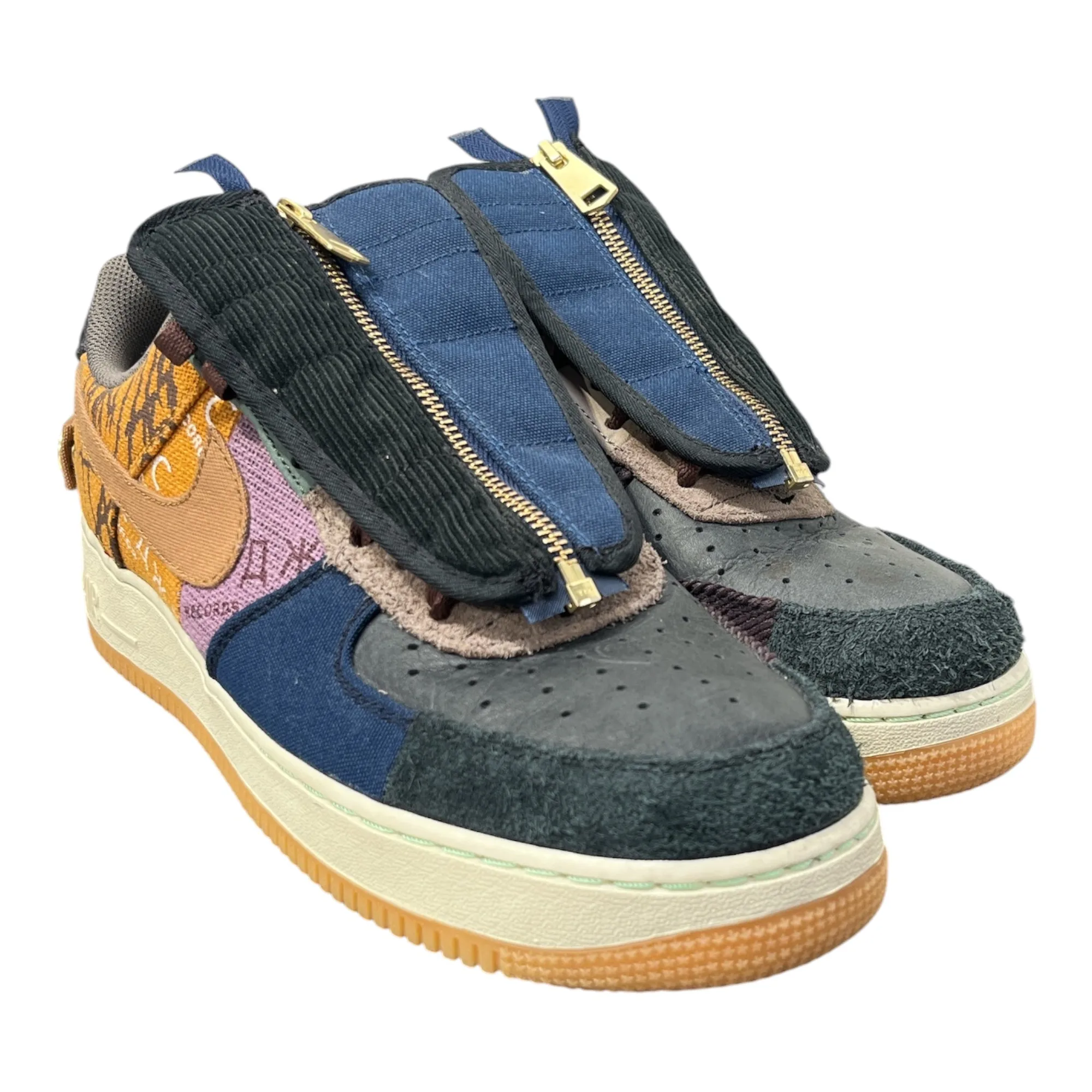
Condition is the single biggest factor in whether secondhand sneakers are a good buy. A well-known brand in rough shape is still a rough pair of shoes. Look for listings that state a condition grade or describe wear honestly, then match that description against the photos. If the listing says good condition but the photos show heavy creasing, yellowed soles, or separated stitching, trust the photos.
On 2nd STREET listings, condition is often given as a grade such as Good or Used Very Good, sometimes with a letter grade like A. Use that as a starting filter, not a final verdict. A grade tells you the seller's overall assessment; it does not tell you whether the tread is worn flat or the midsole is still supportive.
- Check the toe box for deep creases that can indicate a broken-down midsole.
- Look at the outsole tread pattern: if the edges are rounded or smooth, the shoes have significant mileage.
- Inspect the heel collar and tongue for fraying, which affects comfort more than looks.
- Ask about odors, especially if the listing does not mention them.
How to check fit when you cannot try them on
Fit is the hardest part of buying pre-owned sneakers online. Sizes vary between brands and even between models from the same brand, so a size 42 from one maker may not match a size 42 from another. When a listing includes measurements, use them. When it does not, treat the size as a starting point and expect some uncertainty.
For sneakers, focus on internal length and width rather than the labeled size alone. If you already own a pair from the same brand and model, compare against that. If you are trying a new brand, look for listings that include insole measurements or ask the seller for them. A used pair that is half a size off is often wearable; a pair that is a full size off usually is not.
- Measure your foot at the end of the day, when it is largest, and compare to any insole measurement provided.
- If the listing gives no measurements and no return option, consider it a higher-risk purchase.
- For narrow feet, low-profile sneakers tend to fit more predictably than chunky styles.
- For wide feet, look for listings that mention width or show the shoe from above.
Materials and construction: what lasts
Leather and suede sneakers generally hold up better over time than mesh or knit uppers, because they can be cleaned and conditioned. Mesh and knit are lighter and breathe better, but they show wear faster and are harder to restore once stretched or pilled. If you want a pair that will look good for years, prioritize leather or suede and check for cracking or flaking at the flex points.
Construction matters too. Stitched soles can often be repaired by a cobbler, while glued soles are harder to fix once they separate. For secondhand sneaker quality, a stitched or reinforced sole is a meaningful plus. If the listing does not mention construction, assume standard glued construction and price accordingly.
- Leather uppers: check for cracks at the toe crease and around the heel.
- Suede uppers: look for dark, matted patches that indicate water damage.
- Mesh uppers: check for snags and stretched eyelets.
- Rubber soles: look for separation at the toe and heel.
When the price makes sense
A used pair should cost less than a new pair of the same model, but how much less depends on condition and rarity. As a rule, if the shoes show visible wear, you want a discount that reflects the remaining life. If the price is close to retail, you are usually better off buying new unless the model is sold out or no longer produced.
Compare the listed price against the original retail price when it is shown. A pair at roughly half of retail in very good condition is a reasonable starting point for many brands. A pair at 80 percent of retail with worn tread is not. If the listing includes a comparison price, use it as a reference, not as proof of value.
- Set a maximum price before you browse, based on what you would pay for a new pair you like.
- Factor in cleaning or repair costs if the shoes need work.
- Rare or discontinued models can justify a higher price, but only if you actually want that specific pair.
- If two listings are close in price, choose the one with more photos and clearer condition notes.
Red flags in used sneaker listings
Some listings are worth skipping regardless of price. Missing photos of the soles, no size information, or a description that only repeats the brand name are all signs that you cannot judge what you are buying. Vague condition language like great shape without any detail is another warning sign.
Be cautious when a listing shows only one angle, uses heavily filtered photos, or avoids answering questions about wear. A seller who will not provide additional photos or measurements is a risk. On the other hand, a listing that openly notes flaws like scuffs or yellowing is usually more trustworthy, because the seller is not hiding anything.
- No photo of the outsole: skip unless the price is very low and you accept the risk.
- No stated size or measurements: ask before buying.
- Condition described only as good with no details: ask for specifics.
- Photos that look like stock images rather than the actual pair: verify before purchasing.
Decision rules for buying used sneakers
- If the listing has no outsole photo: Ask for one or skip the pair. Tread wear is the clearest signal of how much life is left, and you cannot judge it from the upper alone. No sole photo, no purchase.
- If the size is your usual size but the brand is new to you: Check for insole measurements or compare against a brand you already own. Sizing varies enough that the labeled number alone is not reliable. When in doubt, size up rather than down for sneakers.
- If the price is more than 60 percent of retail: Compare against a new pair of the same model. Unless the shoes are rare or discontinued, you are usually better off buying new at that price. Set a price ceiling before you start browsing.
- If the condition grade is Good but the photos show heavy creasing: Trust the photos over the grade. Creasing at the toe box often means the midsole is compressed and the shoe will feel less supportive. Photos beat grades every time.
- If the seller will not answer questions: Move on. A responsive seller is a good sign that the listing is accurate, and unanswered questions usually mean unresolved flaws. No answers, no sale.
Examples from the current catalog
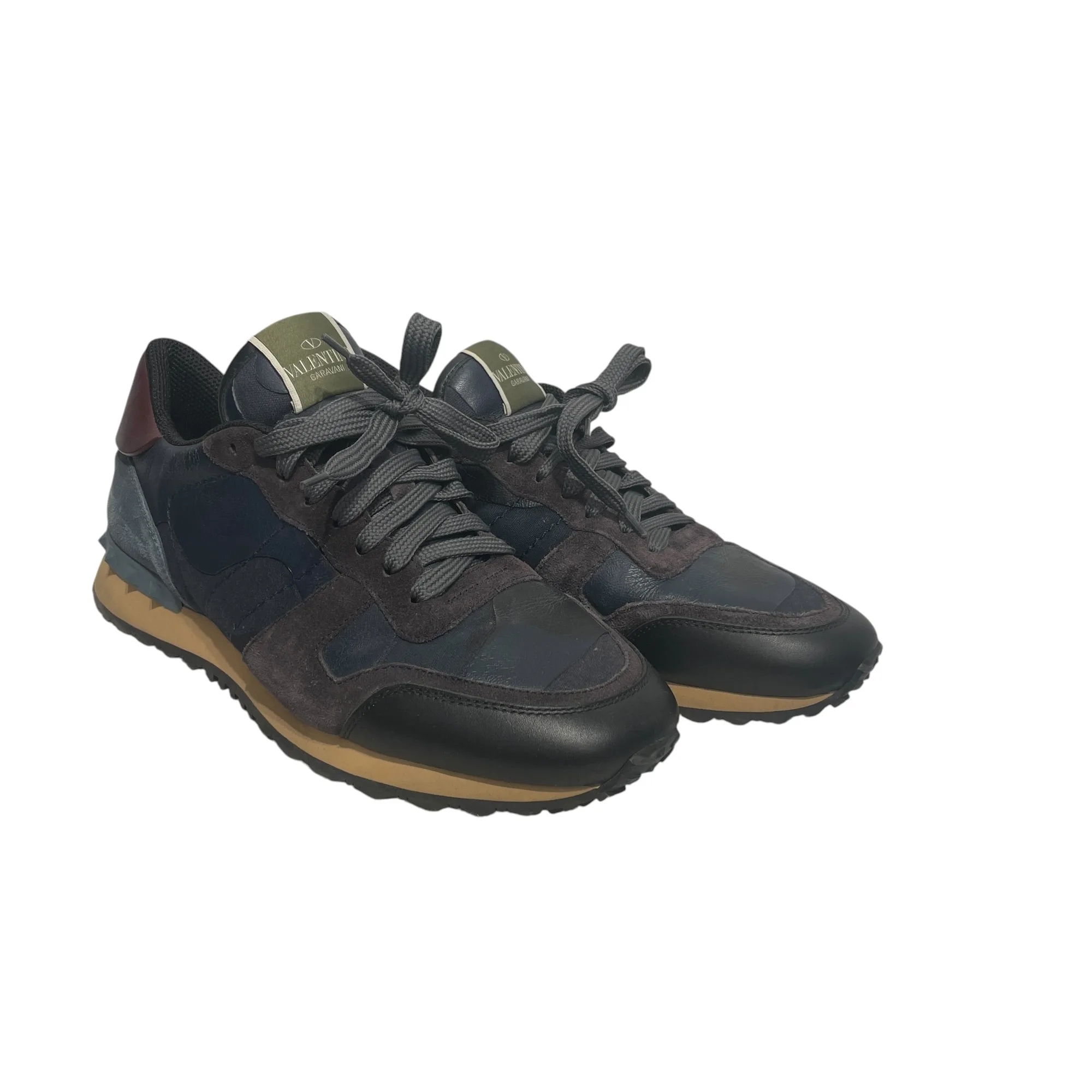
- VALENTINO/Low-Sneakers/Cotton/NVY/studs/suede/leather/burgandy: Size 42, blue, listed in Good condition, with studs and a mix of suede and leather. A low-top in a mixed-material build gives you a good look at how suede and leather age together; check the suede panels for matting and the leather for creasing.
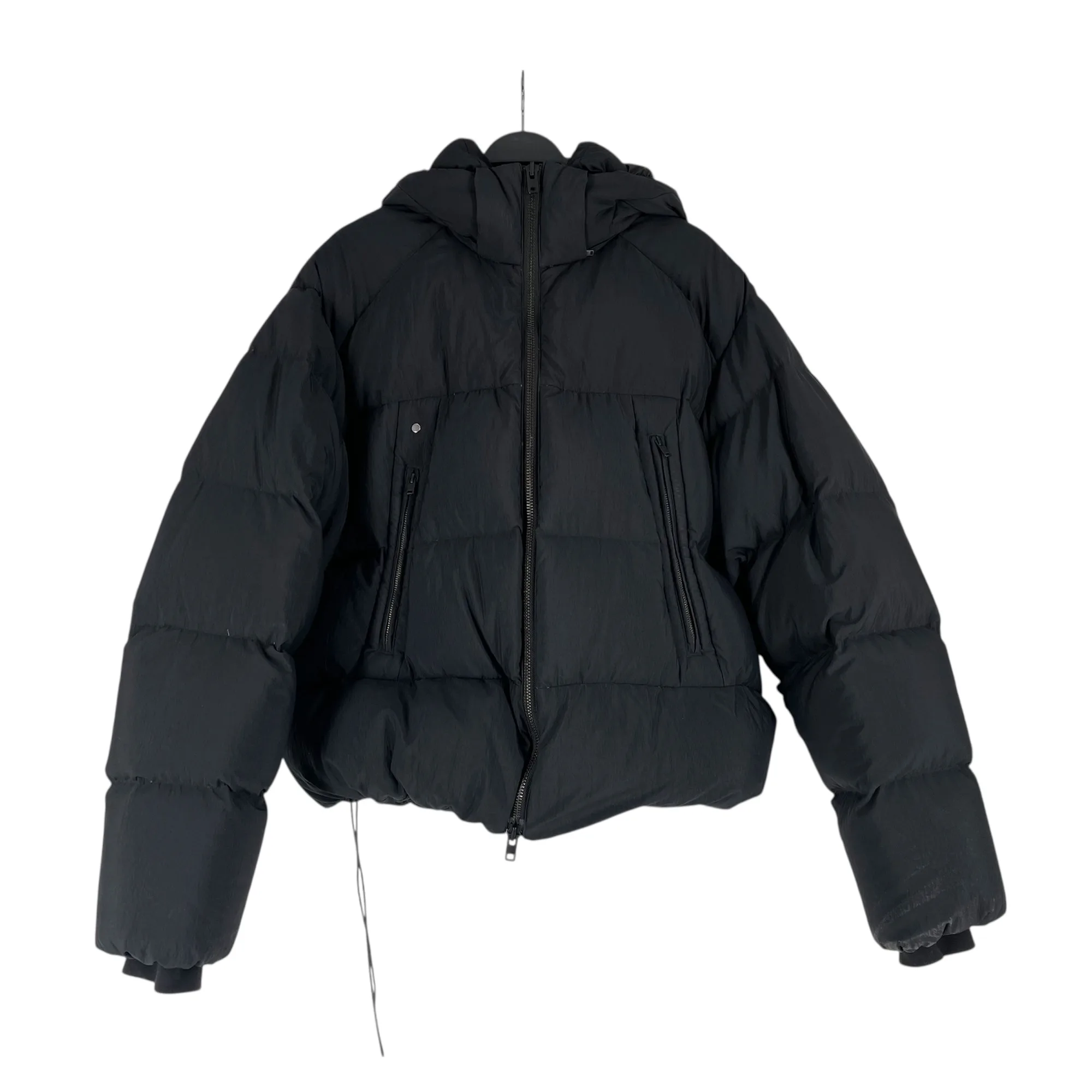
- Y-3/adidas/Puffer Jkt/M/BLK/RN #88387: Shoulders 25 inches, length 29 inches, black, listed in Used Good condition, cotton material. This is a jacket rather than a sneaker, but it shows how measurements are listed when provided; use the same habit of checking measurements for any pre-owned item you buy.
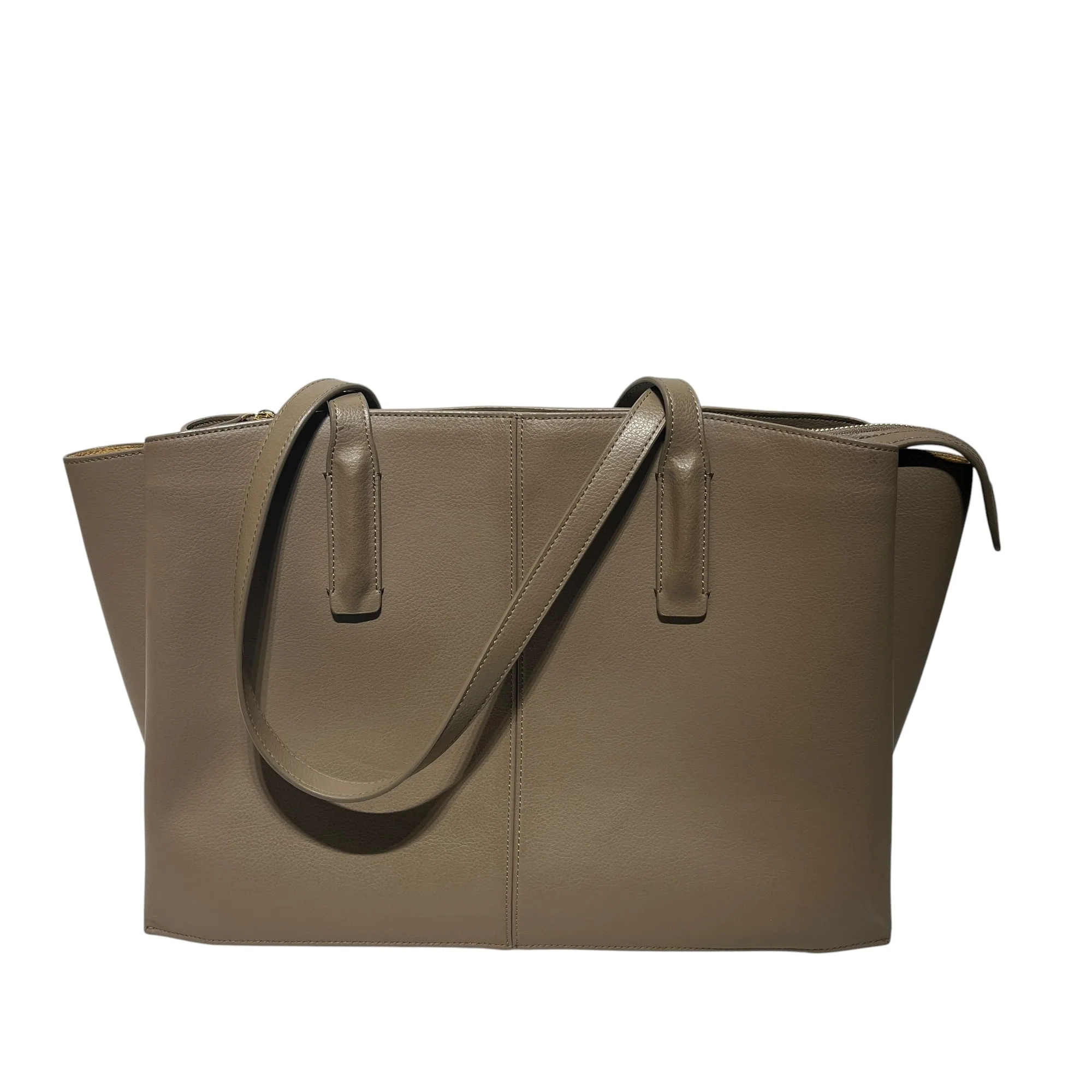
- Freja New York/Tote Bag/Leather/BRW/Paloma 3 Pocket Shoulder: Width 20 inches, height 13 inches, depth 12 inches, brown leather, condition A (Used Very Good). A condition grade of A with full measurements is the kind of listing detail that makes a pre-owned purchase easier to judge, whether you are buying a bag or a pair of sneakers.
Who should buy secondhand sneakers
Best for
- Shoppers who want a specific designer or discontinued model at a lower price
- Buyers comfortable asking sellers for extra photos and measurements
- People who already know their size in the brand they are buying
Not for
- Shoppers who need to try shoes on before buying
- Anyone unwilling to accept minor wear or clean shoes at home
- Buyers who want a full warranty or the ability to return for fit
Secondhand sneakers are worth buying when the listing gives you enough detail to judge condition, size, and materials, and when the price reflects the wear. Use the decision rules above, ask questions when something is missing, and treat photos as more reliable than grades. If a pair checks out, you get a good shoe at a better price; if it does not, you have lost nothing by walking away.