Quick answer
For most small living rooms, a standard sofa or loveseat against the longest wall is the safer buy because it leaves more floor open and keeps walking paths clear. Choose a sectional only when the room has one clear corner to anchor it, no competing doorways on the return side, and at least 30 inches of clearance around the seating. If you are furnishing a compact apartment, measure first and treat the sectional as a space-planning decision, not just a seating upgrade.
How each shape uses floor space
A sofa is a single rectangle. Its footprint is predictable, it can float or sit against a wall, and you can move it later without rethinking the whole room. A sectional adds a return leg, so it claims an L-shaped zone. That extra leg is what makes a sectional feel generous in an open plan and cramped in a narrow one. In a small living room, the return is often the difference between a clear path to the kitchen and a daily squeeze past the chaise.
- Sofa: one wall, flexible, easy to reposition.
- Loveseat: smallest footprint, best for two people or a reading corner.
- Sectional: needs a corner or open zone to justify the return leg.
Measure the room before you choose
Tape the footprint on the floor with painter's tape and live with it for a day. Mark door swings, heating vents, and the path from the entry to the kitchen. For a sectional, tape both legs of the L and check that the corner does not block a window, a floor lamp, or a side table you actually use. For any seat, plan roughly 30 inches of walkway and leave room to fully recline or pull out a sleeper if that feature matters to you. If the taped layout leaves less than 24 inches between the seating and a wall, size down.
- Tape the full footprint, including the chaise or return.
- Check door swings and the main walkway first.
- Leave 30 inches for traffic where possible.
Small living room seating ideas that work
A sofa paired with one accent chair gives you flexible seating without locking the room into an L. A loveseat plus a pair of ottomans can handle movie night and then tuck away. If you want the sectional look without the commitment, choose a reversible or modular piece so the chaise can switch sides when you rearrange. Keep the palette light and the legs visible; furniture that shows floor underneath reads as less heavy in a compact room.
- Sofa plus accent chair: flexible, easy to rearrange.
- Loveseat plus ottomans: low commitment, movable.
- Reversible chaise: lets you change the L later.
When a sectional is the better call
A sectional earns its space when the room has a genuine corner, when you host often, or when you want to define a living zone inside a larger open area. It also works when the return leg replaces a separate chair you would otherwise need. The trade-off is permanence: once the sectional is in place, the layout is largely set. If you rent, move often, or use the room for multiple purposes, a standard sofa keeps your options open.
- Good: defined corner, frequent hosting, open-plan zoning.
- Risky: rentals, frequent moves, rooms with two or more doorways.
Trade-offs to weigh before you buy
- Sofa: flexibility vs. seating capacity: A sofa fits almost any wall and is easy to move, but it seats fewer people than a comparable sectional and may need an extra chair. Choose the sofa if you rearrange often or the room has more than one doorway.
- Loveseat: smallest footprint vs. limited seating: A loveseat is the easiest fit for a studio or tight apartment, but it is not a main gathering seat for a family. Choose the loveseat if the room is under about 120 square feet or you live alone.
- Sectional: room definition vs. locked layout: A sectional creates a cozy, defined zone and can replace a chair, but the return leg commits you to one orientation and eats floor space. Choose the sectional only if you have a true corner and at least 30 inches of clearance around it.
Product facts that affect the decision
- Wilinruck 4-Piece Dining Package: Sized for small spaces, this stunningly simple dining package works effortlessly with contemporary decor, with a natural-looking mango wood finish contrasting matte black metal. If your small living room flows into a dining zone, a compact dining package keeps the whole open area from feeling crowded, which makes a full-size sectional harder to justify.
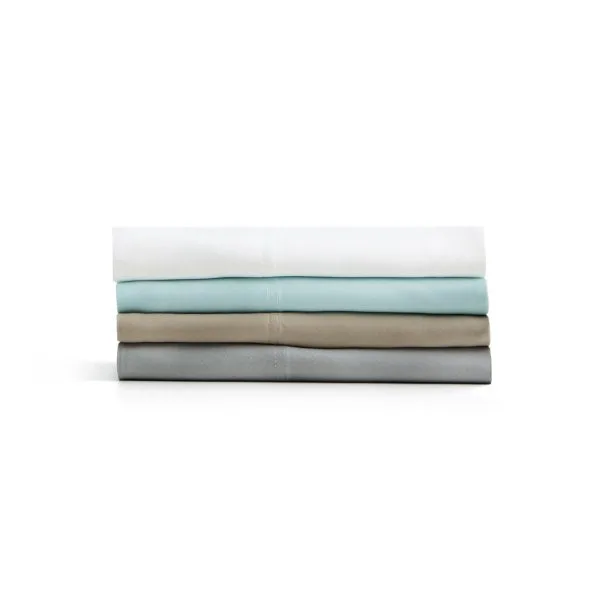
- Smooth Bamboo Rayon Sheet Set: Smooth, round rayon-from-bamboo fibers are gentle on skin and silky soft, and the porous fiber composition makes these sheets more breathable and temperature-regulating. Comfort in a small home is not only about the sofa. Breathable bedding helps if your living room doubles as a guest sleep space or you nap on the couch.
- Waldett Wall Art (Set of 2): Abstract shapes and neutral hues reflect modern taste, hand painting highlights craftsmanship, light brown frames complete the duo, and each piece hangs four ways. Wall art that can hang four ways lets you adjust the visual weight above a sofa or sectional without buying new pieces when you rearrange.
Which should you buy?
Best for
- Rooms with one clear corner and a single main walkway
- Households that host often and want maximum seating in one piece
- Open-plan apartments where you want to define a living zone
Not for
- Rentals or rooms you rearrange frequently
- Narrow living rooms with two or more doorways cutting through
- Spaces where a sofa plus an accent chair already covers your seating needs