Quick Answer
Self-warming pet beds reflect your dog's own body heat for gentle, cord-free warmth, while heated beds rely on electricity to generate heat. If you want a low-maintenance, safe option for everyday use, a self-warming bed like the Aspen Pet Self-Warming Oval Lounger is a smart choice. For extreme cold or dogs that need extra heat, a heated bed might be better, but it requires supervision and power access.
How Self-Warming Beds Work
Self-warming beds use a heat-reflecting layer, similar to the material in Mylar space blankets, to capture and bounce back your dog's body heat. This means they require no electricity, no cords, and no risk of overheating. The warmth is gentle and consistent, helping your dog stay cozy without any setup. This type of bed is especially useful for dogs that like to curl up and conserve heat, and it's a worry-free option for pet parents who want a simple, safe solution.
How Heated Beds Work
Heated pet beds plug into an outlet and use an internal heating element to warm the surface. They can provide a more intense and consistent heat, which can be beneficial for dogs with arthritis or those living in very cold climates. However, they come with considerations: you need a nearby power source, and you must supervise the bed to ensure the cord isn't chewed and the temperature doesn't get too high. Some heated beds have chew-resistant cords and auto-shutoff features, but they still require more attention than a self-warming bed.
Safety and Maintenance Differences
Safety is a major factor when choosing between the two. Self-warming beds have no electrical components, so there's no risk of electric shock or fire, and they are easy to clean—most have removable, washable covers. Heated beds, on the other hand, need careful handling: always follow the manufacturer's instructions, inspect the cord regularly, and never use them with puppies or elderly dogs that might have trouble moving away if they get too warm. Self-warming beds are also more portable, so you can move them from room to room or take them on trips without needing an outlet.
Trade-Offs at a Glance
- Heat Source: Self-warming beds reflect body heat; heated beds use electricity. Self-warming is passive and safe, while heated provides more intense warmth. Choose self-warming for gentle, constant comfort; heated for targeted heat in cold environments.
- Safety: Self-warming has no cords or electricity, reducing risk of chewing or overheating. Heated beds require supervision and careful placement. If you have a chewer or leave your dog alone, self-warming is the safer bet.
- Maintenance: Self-warming beds are typically machine-washable and easy to move. Heated beds have electrical parts that must be kept dry and inspected regularly. For low-maintenance and portability, self-warming wins.
Product Facts
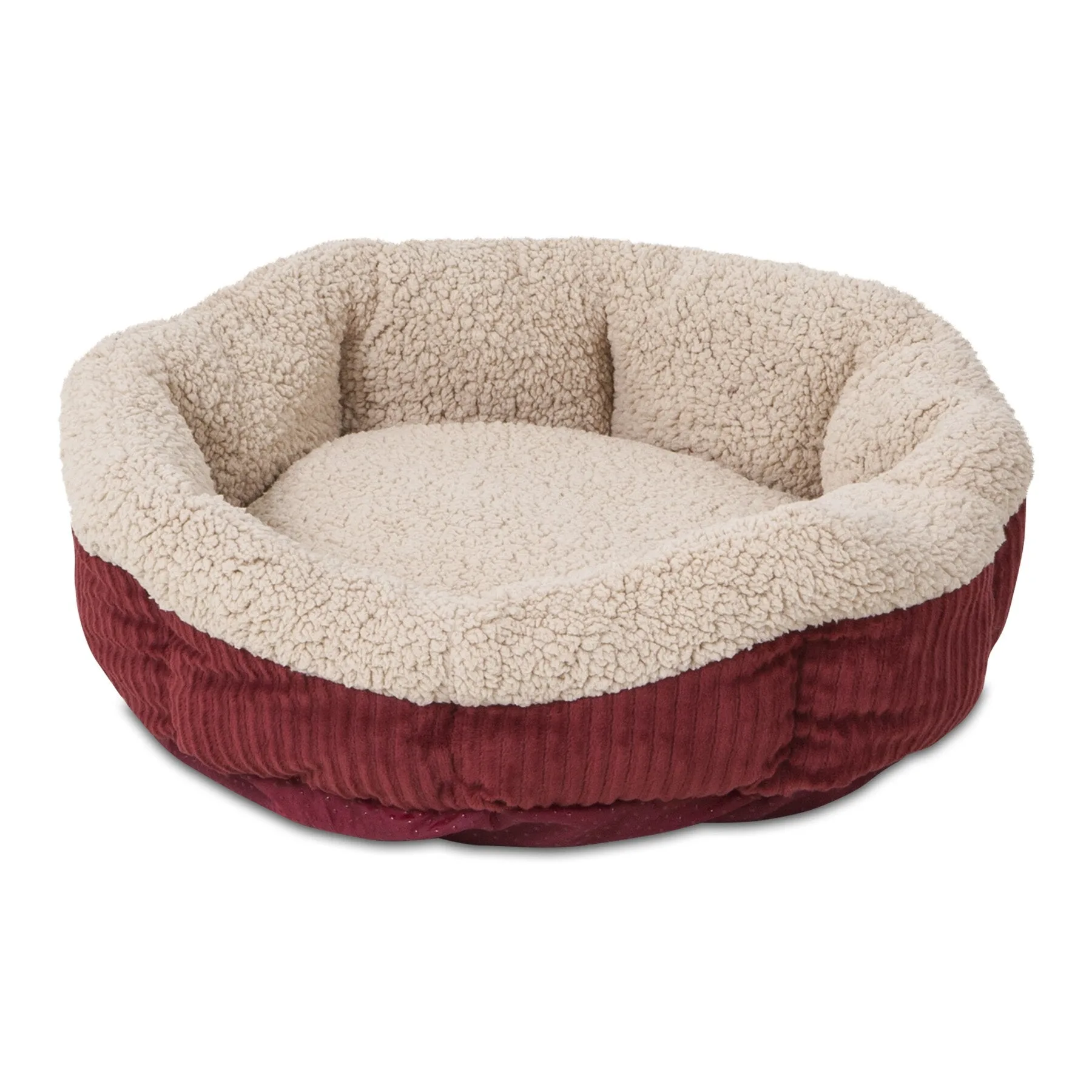
- Aspen Pet Self-Warming Oval Lounger Pet Bed: The Aspen Pet Self-Warming Oval Lounger is lined with a layer of material that generates warmth by reflecting the pet's body heat, similar to Mylar space blankets. It features faux lambs wool plush and wide wale corduroy fabrics, and has a non-skid bottom. This bed provides gentle, cord-free warmth that's safe for unsupervised use, and the plush fabrics add extra comfort. The non-skid bottom keeps it in place on smooth floors.
- Hyper Pet Squeaks! Tennis Balls With Squeakers: Hyper Pet Squeaks! Tennis Balls feature a Tuff Squeaker inside to encourage play. They are made from grade-A rubber and do not contain harmful coatings or gases, making them safe for your dog's teeth. While not a bed, these toys complement your dog's comfort zone by encouraging healthy play. They are safe for chewing and help keep your dog active, which is important for overall well-being.
Which Should You Choose?
Best For
- Dogs that need gentle warmth without the hassle of cords or electricity
- Pet parents who want a low-maintenance, portable, and safe sleeping solution
Not For
- Dogs living in extremely cold environments that require significant supplemental heat
- Pet parents who want adjustable temperature control and are comfortable managing an electrical device