Quick Answer
A self-watering raised garden bed uses a water reservoir at the base and a wicking zone to draw moisture upward into the soil, so plants get water from below. This design cuts watering frequency and helps keep soil consistently moist, but it requires a flat, level spot and regular reservoir checks.
Why the Wicking Zone Matters
The wicking zone is the layer of soil that sits above the water reservoir. Capillary action pulls water up through this zone, so the root area stays evenly moist without you having to water from the top. This can reduce surface evaporation and help prevent the dry-then-drenched cycle that stresses many garden plants.
Because the water comes from below, the top inch of soil often stays drier. That can discourage some weeds and reduce moisture-related fungal issues on leaves, but it also means you need to check the reservoir level regularly—especially during hot, windy weather.
Trade-Offs to Consider Before Buying
Self-watering beds are not a set-and-forget solution. The reservoir needs refilling, and the wicking performance depends on your soil mix and the height of the bed. Taller beds may need a deeper wicking zone to reach the top, and very sandy or very dense soils wick poorly.
You also need a level surface. If the bed tilts, the water in the reservoir will pool on one side, leaving the other side dry. Indoors or on a balcony, you must be comfortable with the weight of a water-filled base and plan for occasional overflow during heavy rain.
Decision Rules: Choosing a Self-Watering Raised Bed
- Check your space: Measure the area and confirm you have a flat, level surface. Self-watering beds need even contact with the ground to wick properly. If your spot is sloped, plan to level it first or consider a different watering method.
- Match the bed size to your plants: For shallow-rooted greens and herbs, a slim, compact bed works well. For deep-rooted vegetables like tomatoes or carrots, choose a taller bed with a deeper soil zone. Match the bed depth to the root depth of what you plan to grow.
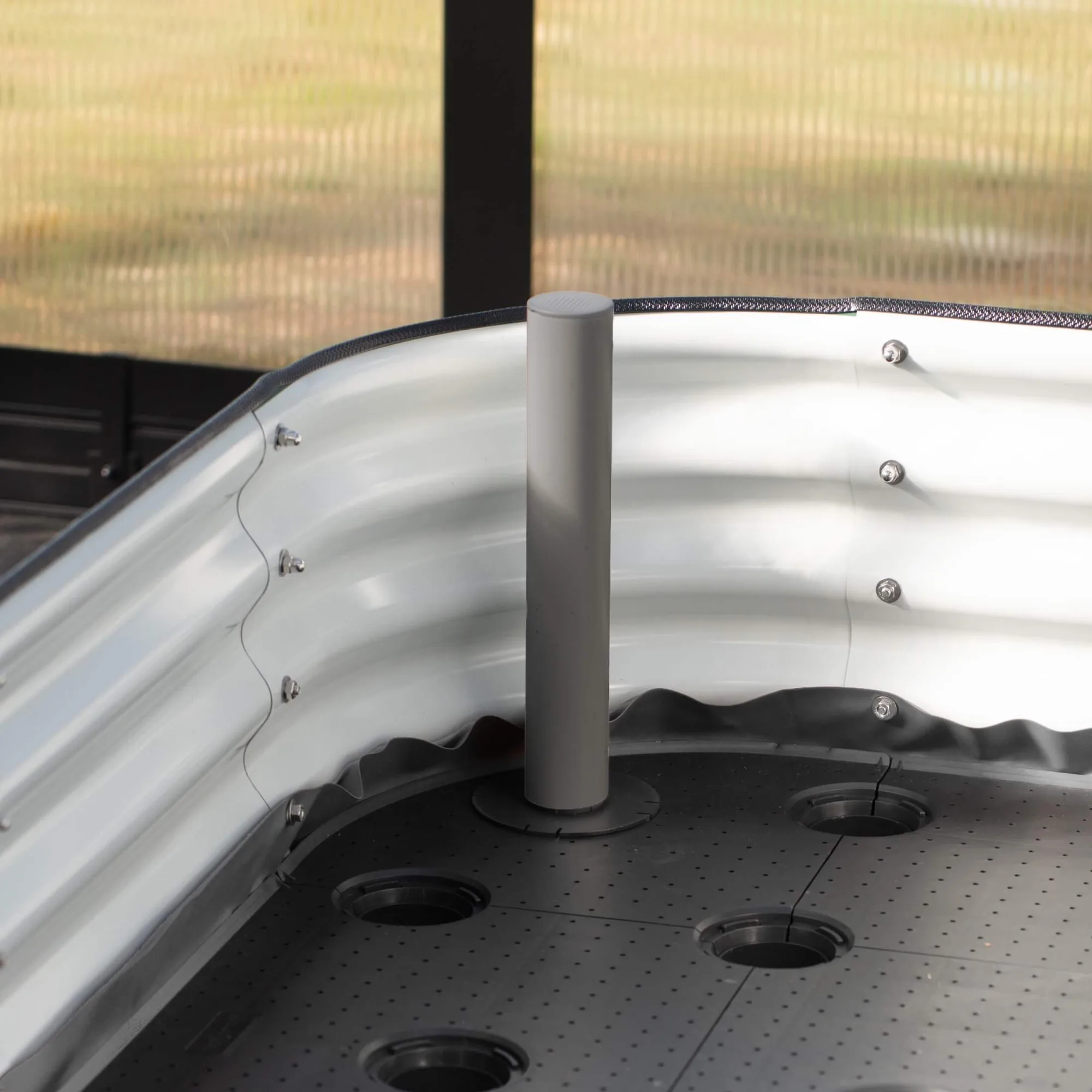
- Plan for reservoir access: Make sure you can easily reach the fill tube or opening. Some designs include a water-level indicator, which makes refilling simpler. If you travel often, consider adding a larger reservoir or an automatic top-up system.
A Compact Option to Consider
-
Foodcube™ Slim - The Next Generation of Self Watering Raised Garden: The Foodcube™ Slim is a self-watering raised garden bed from Vego Garden with a slim profile designed for smaller, more confined spaces. If you have limited space—like a narrow balcony or a small patio—the slim design lets you grow food without giving up the convenience of a self-watering system.
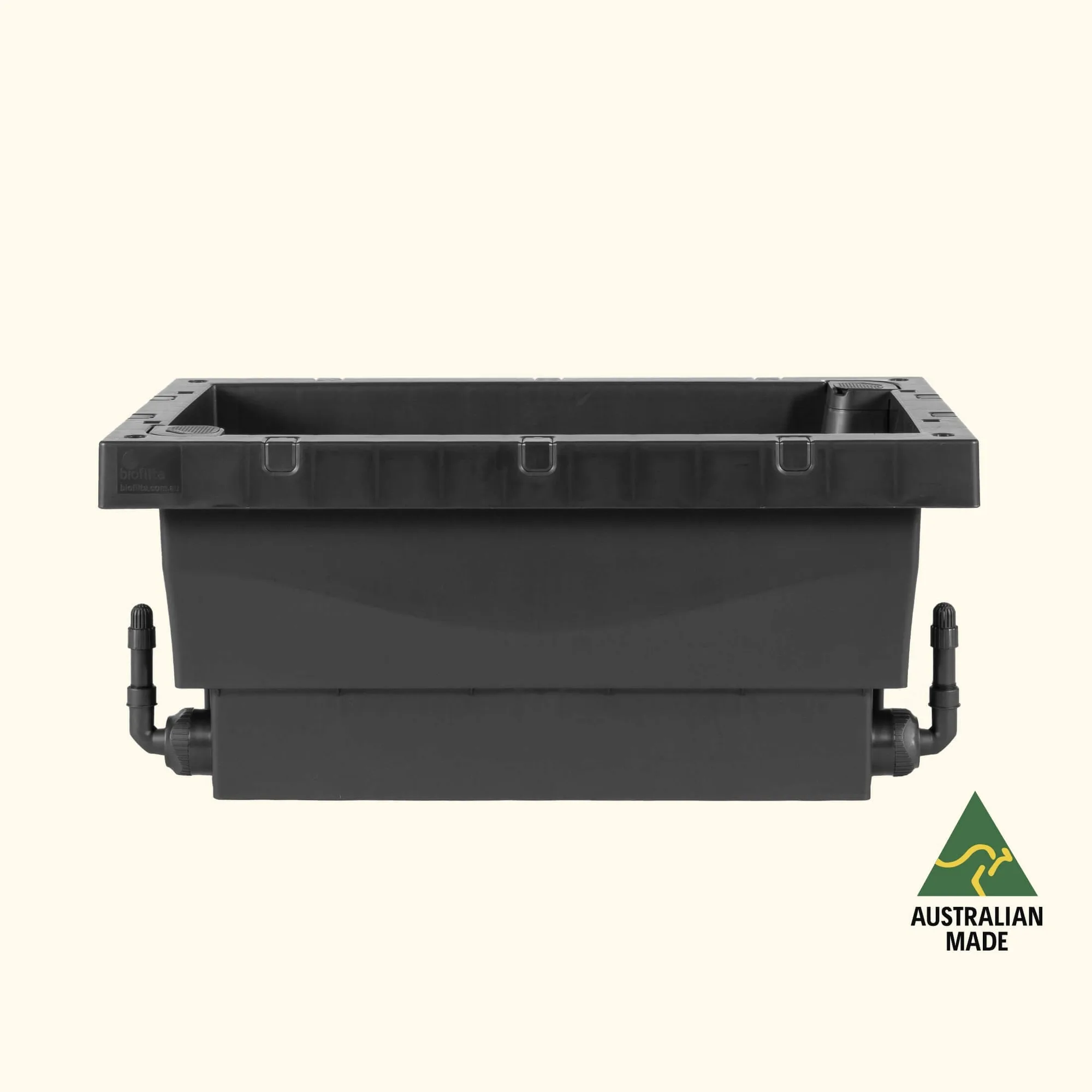
Foodcube™ Slim - The Next Generation of Self Watering Raised Garden
Who Should Choose a Self-Watering Bed?
Best for
- Gardeners who want to reduce watering frequency and avoid daily checks during hot spells
- People with limited space, such as balconies or small patios, who want a compact, self-contained growing system
Not for
- Gardeners who prefer a traditional in-ground garden with no reservoir to maintain
- Those who cannot provide a flat, level surface or who are not comfortable checking and refilling a water reservoir regularly