Two Green Teas, Two Very Different Leaves
Sencha and Bai Mao Hou White Monkey Picked are both single origin green teas, but they come from different countries and are made in different ways. Sencha is a popular Japanese tea known for its bright green color and fresh, grassy flavor. Bai Mao Hou is a Chinese green tea grown on mountain slopes in Fujian province, made from the most delicate young leaves and buds and exclusively hand gathered.
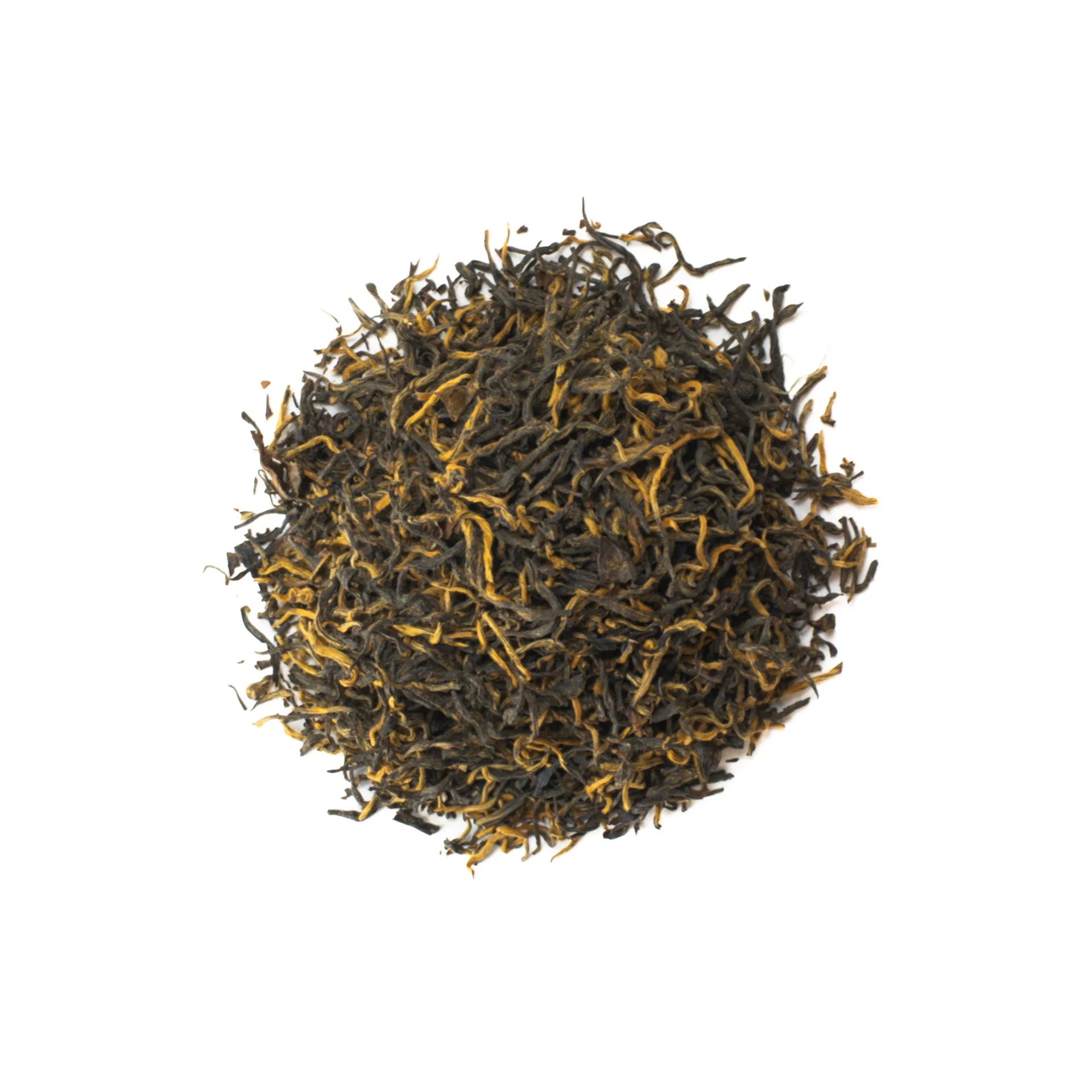
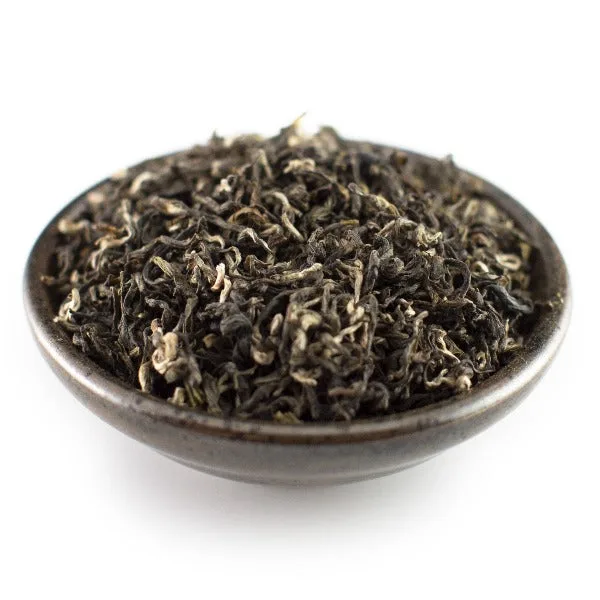
The most visible difference is the leaf itself. Sencha's unrolled green leaves resemble pine needles, while Bai Mao Hou has a lovely feathery appearance. Those shapes hint at how each tea is processed and how it will taste in the cup.
Sencha vs Bai Mao Hou at a Glance
- Origin and style: Sencha is Japanese and known for a bright green color and fresh, grassy flavor. Bai Mao Hou is Chinese, from Fujian province, and described as a gorgeous green tea for the green tea purist.
- Leaf appearance: Sencha leaves are unrolled and resemble pine needles. Bai Mao Hou leaves are delicate young leaves and buds with a feathery look.
- Flavor direction: Sencha is fresh and grassy. Bai Mao Hou steeps an amber-colored cup with an earthy aroma and nice sweetness.
- Caffeine: Sencha is listed as light caffeine. The supplied Bai Mao Hou information does not state a caffeine level, so compare with that in mind if caffeine matters to you.
- Brewing guidance: Bai Mao Hou: steep 1 tablespoon for 3-5 minutes at 175 degrees. Sencha: steep 3-5 minutes; the supplied information does not give a temperature or leaf quantity.
- Sizes: Bai Mao Hou comes in a 1 oz bag, 3 oz bag or filled tea tin. Sencha comes in a 1 oz bag, 3 oz bag, filled tea tin or 8 oz bag.
Bai Mao Hou White Monkey Picked: What the Label Tells You
-
Bai Mao Hou White Monkey Picked Green Tea: Bai Mao Hou is grown on mountain slopes in Fujian province, China, and is made from the most delicate young leaves and buds, exclusively hand gathered. The hand-gathered young leaves explain the feathery appearance and the delicate, sweet character described for this tea.
Bai Mao Hou White Monkey Picked Green Tea
-
Bai Mao Hou White Monkey Picked Green Tea: It steeps an amber-colored cup with an earthy aroma and nice sweetness. This is the clearest flavor guide for deciding whether Bai Mao Hou suits your taste better than a grassy Japanese green tea.
-
Bai Mao Hou White Monkey Picked Green Tea: Steep 1 tablespoon for 3-5 minutes at 175 degrees. This is the supplied brewing instruction, so you can start with the maker's guidance rather than guessing.
Sencha Green Tea: What the Label Tells You
-
Sencha Green Tea: Sencha is a popular Japanese tea known for its bright green color and fresh, grassy flavor, produced by steaming the leaves to prevent oxidation. Steaming is the key processing difference from Chinese green teas like Bai Mao Hou and helps explain Sencha's fresh, grassy profile.
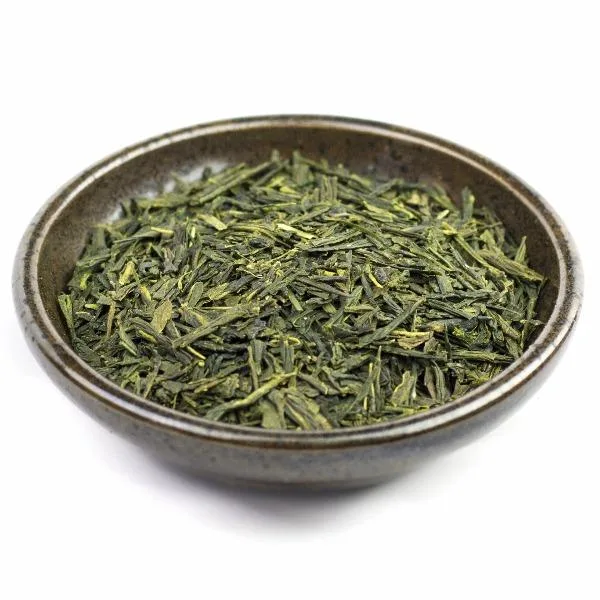
Sencha Green Tea
-
Sencha Green Tea: Sencha is listed as light caffeine and steeped for 3-5 minutes. These are the supplied preparation and caffeine details, useful for matching the tea to your daily routine.
-
Sencha Green Tea: The unrolled green leaves resemble pine needles and are good for multiple infusions. Multiple infusions mean a small amount of leaf can be resteeped, which is practical when choosing between the 1 oz and larger bags.
How to Brew Sencha vs Bai Mao Hou
Bai Mao Hou comes with clear brewing guidance: steep 1 tablespoon for 3-5 minutes at 175 degrees. That gives you a reliable starting point for a delicate, sweet cup.
For Sencha, the supplied information gives a 3-5 minute steep but does not specify a water temperature or leaf quantity. The catalog also notes that Sencha is typically brewed at a higher temperature than other green teas, resulting in a bolder flavor. If you are used to brewing green tea at a low temperature, treat that note as a cue to expect a bolder cup, and follow the maker's 3-5 minute steep as your baseline.
Neither product record supplies storage instructions, so keep both teas in a cool, dry place away from strong odors and light as a general pantry habit, and check the packaging when it arrives for any specific guidance.
Which Single Origin Green Tea Fits Your Taste?
- Choose Sencha if you like fresh, grassy flavors: Sencha's bright green color and fresh, grassy flavor suit drinkers who want a crisp, vegetal cup. It is also the better fit if you want a tea you can infuse multiple times.
- Choose Bai Mao Hou if you prefer earthy sweetness: Bai Mao Hou's amber cup, earthy aroma and nice sweetness appeal to anyone who finds grassy green teas too sharp. The catalog describes it as a tea the green tea purist will love.
- Choose based on caffeine information: Sencha is explicitly listed as light caffeine. Bai Mao Hou's caffeine level is not stated in the supplied information, so if caffeine is a deciding factor, Sencha gives you a documented answer.
- Choose based on brewing guidance: Bai Mao Hou has complete supplied brewing instructions (1 tablespoon, 3-5 minutes, 175 degrees). Sencha gives a steep time but no temperature or leaf quantity, so it leaves more room for your own experimentation.
- Choose based on bag size: Both come in 1 oz, 3 oz and filled tea tins. Sencha adds an 8 oz bag, which is useful if you already know you drink a lot of green tea.
What the Supplied Information Does Not Cover
The product records do not include allergen statements, storage instructions or health benefit claims for either tea beyond the general antioxidant note for Sencha. The Sencha description mentions potential health benefits, but this is not a reason on its own to choose one tea over the other. Treat both as everyday green teas and let flavor, caffeine information and brewing guidance guide your choice.