Quick answer
Science Diet Senior Vitality is worth considering if your cat is generally healthy, eats well, and just needs a senior-formula food with easy-to-chew kibble. It is not the right first choice if your cat has kidney disease, diabetes, food allergies, or significant dental pain. In those cases, ask your veterinarian for a targeted diet instead of switching on your own.
Senior cats do not all age the same way. A 12-year-old cat who still jumps onto the counter has different needs than a 12-year-old cat who sleeps most of the day and has lost muscle. That is why there is no single best food for senior cats, even though the shelves are full of senior cat food options.
This guide gives you decision rules for choosing senior cat nutrition, with Science Diet Senior Vitality as the main example. You will see which cats it fits, which cats should eat something else, and how to transition without stomach upset. We will also cover a few non-food senior needs that affect how well any diet works.
What Science Diet Senior Vitality is designed to do
Science Diet Senior Vitality is a Hill's senior cat food made for cats around age 7 and older. It focuses on three everyday senior concerns: maintaining lean muscle, supporting brain and heart health, and keeping digestion comfortable. It comes in dry and wet forms, so you can match the texture your cat actually eats.
The formula is not a prescription diet. That matters because it means you can buy it without a veterinary diagnosis, but it also means it is not built to treat kidney disease, diabetes, thyroid problems, or urinary conditions. If your cat has one of those diagnoses, the right senior cat food is whatever your veterinarian prescribes.
- Check the bag or can for the exact life stage and feeding directions, because they differ between the dry and wet versions.
- Ask your vet to confirm your cat's ideal weight before you free-feed a senior formula.
How to tell if your senior cat needs a diet change at all
Not every older cat needs a new food. If your cat is at a healthy weight, has a shiny coat, normal stools, and steady energy, changing the diet can create problems that were not there. The strongest reasons to switch are weight loss, muscle loss along the spine, reduced interest in food, or a veterinarian's recommendation.
Weigh your cat monthly on a baby scale or at the clinic. A slow drop of even a few ounces over two months is a real signal in cats. Sudden weight gain, vomiting, or litter box changes are medical issues, not food-preference issues, so book a vet visit before you shop.
- Track weight, appetite, water intake, and litter box habits for two weeks before deciding.
- If your cat is losing weight but eating normally, see a vet before changing the food.
Decision rules for choosing senior cat food
Use these rules to narrow the shelf quickly. If your cat is healthy and just slowing down, a senior maintenance formula like Science Diet Senior Vitality is a reasonable starting point. If your cat has a diagnosed condition, the prescription diet comes first and everything else is secondary.
If your cat is a picky eater, texture matters more than the label. Senior cats often have reduced smell and taste, so a wet food with a strong aroma can keep them eating when dry kibble no longer interests them. If your cat has dental pain, softer food is not optional.
- Rule 1: Diagnosed disease beats senior label. Follow the vet's diet first.
- Rule 2: Healthy but aging beats marketing. Choose a senior formula with a clear life stage.
- Rule 3: Picky or dental pain beats dry food convenience. Choose wet or softened food.
- Rule 4: Any sudden change beats a food switch. Call the vet before you buy.
How to transition without stomach upset
Senior cats handle food changes poorly compared with younger cats. A seven-day transition is the standard approach: mix 25 percent new food with 75 percent old for two days, then 50/50 for two days, then 75 percent new for two days, then all new. If stools loosen or your cat refuses the mix, slow down and hold at the last ratio that worked.
Warm wet food slightly to boost aroma, and never mix in a supplement or medication without checking with your vet first. If your cat stops eating for more than 24 hours, that is an emergency in cats, not a phase.
- Use the same bowl and feeding spot during the transition to reduce stress.
- Keep a written log of amounts eaten and stool quality for the first two weeks.
Non-food needs that affect senior cat nutrition
Food only works if your cat can eat comfortably and stay active. Senior cats often need raised bowls to reduce neck strain, easier access to the litter box, and gentle grooming help because they cannot reach their back as easily. These changes support weight maintenance and reduce the chance that a good diet gets blamed for a mechanical problem.
Hydration is another lever. Many senior cats drink too little, so a water fountain or extra water bowls in quiet spots can help. If your cat is on a dry senior food, adding a wet food meal is often the simplest way to raise water intake without forcing anything.
- Place food, water, and litter box on the same floor to reduce stair use.
- Add a night light near the litter box for cats with aging eyes.
Decision rules for Science Diet Senior Vitality
- Healthy cat, age 7+, no diagnosis: Science Diet Senior Vitality is a reasonable maintenance choice if your cat is at a healthy weight and has normal bloodwork. Start with a small bag or a few cans to test acceptance before buying a case. Best fit for the typical aging cat with no medical issues.
- Diagnosed kidney, thyroid, diabetes, or urinary disease: Skip Senior Vitality and use the prescription diet your veterinarian names. Senior maintenance formulas are not dosed or restricted for these conditions. Medical diet first, senior label second.
- Picky eater or dental pain: Choose the wet version of Senior Vitality or soften dry kibble with warm water. If your cat still refuses, the problem may be pain or nausea, not flavor. Texture and vet care beat brand loyalty.
- Weight loss without a diagnosis: Do not self-treat with a senior food. Weight loss in older cats is often the first sign of disease, so get bloodwork and a weight trend before changing the diet. Diagnose first, then choose the food.
Product facts to know before you buy
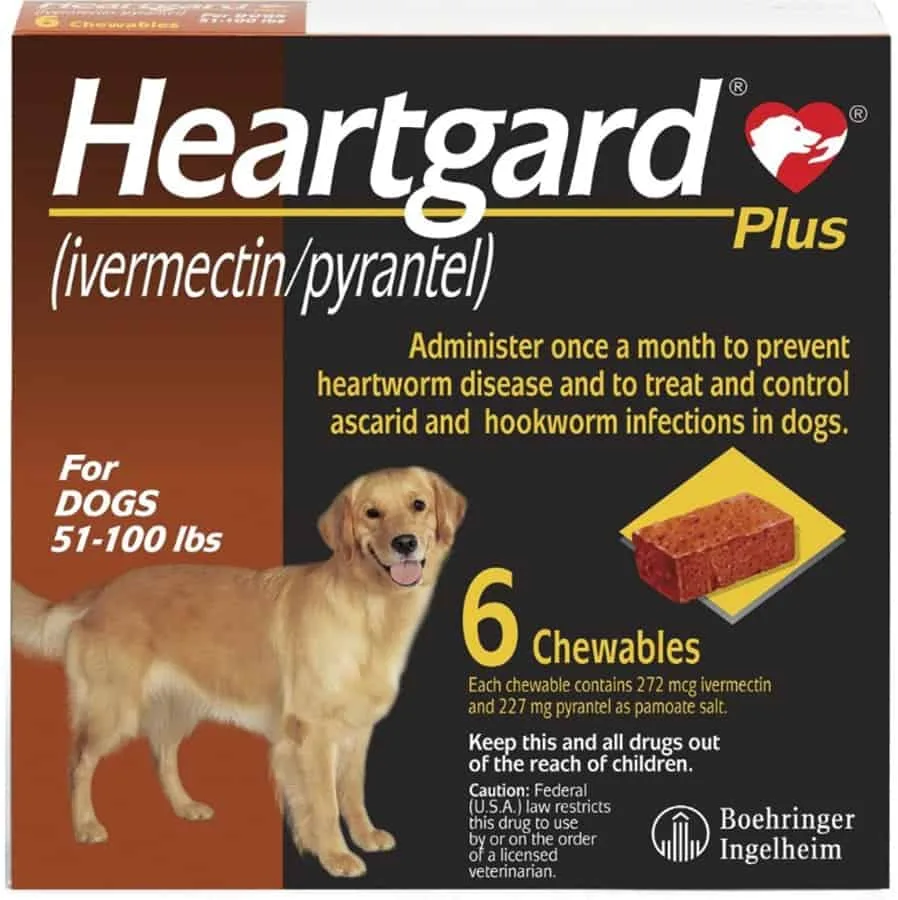
- Heartgard Plus Soft Chews for Dogs up to 51-100 lbs 6 Pack: Heartgard Plus is a real-beef soft-chew tablet for dogs that provides protection against heartworms and treats and controls roundworms and hookworms, given monthly with a prescription. This is a dog product, not a cat product. It is listed here to make the point that parasite prevention is species-specific, so never give a dog chew to a cat. Ask your vet for the cat-safe version.
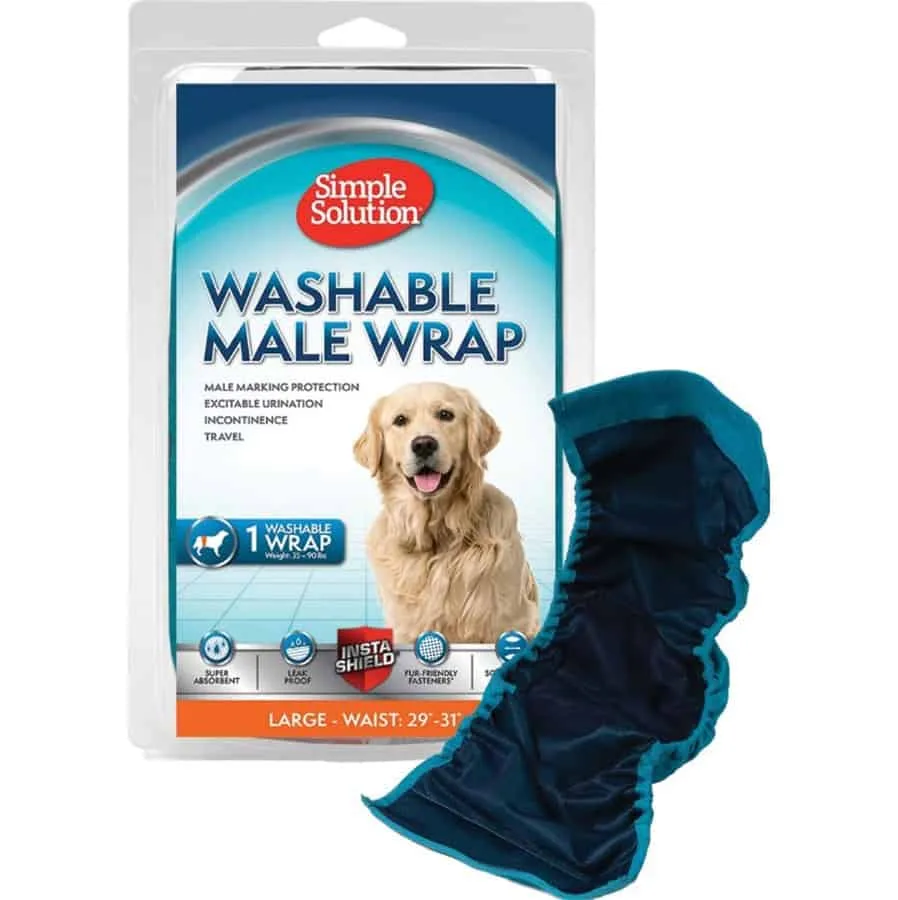
- Simple Solution® Washable Male Dog Wrap Large: This reusable belly band is designed for male dogs with a 29''-31'' waist and features leak-resistant protection, a moisture-wicking liner, and a comfortable stretch fit. Senior cats with incontinence need cat-specific management, not dog wraps. Use this as a reminder to match the product to the species and the measured size, and ask your vet about cat diapers or litter box changes if accidents start.
Who Science Diet Senior Vitality fits
Best for
- Healthy cats age 7 and older who are at a stable weight and have no diagnosed disease
- Owners who want a widely available senior cat food in both dry and wet textures
- Cats transitioning from adult food who need a gentle, staged switch
Not for
- Cats with kidney disease, diabetes, hyperthyroidism, or urinary conditions that require a prescription diet
- Cats with food allergies or sensitivities who need a limited-ingredient or hydrolyzed diet
- Cats who have stopped eating or are losing weight, which requires a veterinary exam first
Science Diet Senior Vitality can be a solid senior cat food for healthy older cats, but it is not a treatment. Use the decision rules above, confirm your cat's weight and bloodwork with your vet, and transition slowly. If your cat has a diagnosis, the prescription diet wins every time.