Quick answer
A sensory ball for babies is a simple, open-ended toy that encourages reaching, grasping, and tactile exploration. Choose one with varied textures and a securely enclosed sound maker, inspect it before each play session, and use it during supervised tummy time or floor play. For a first pick, the Lalo Sensory Ball offers six texture panels and a hidden bell without extra complexity.
What are the benefits of a textured ball for babies?
Textured ball benefits come from variety: different surfaces invite babies to pat, scratch, squeeze, and pass the ball from hand to hand. That repeated handling builds fine motor muscles and hand-eye coordination, while the bumpy or ribbed panels give sensory feedback that plain plastic toys don't. A lightweight ball also rolls unpredictably, which prompts babies to reach and crawl after it—gross motor practice disguised as play.
How do I check a sensory ball for safety?
Sensory ball safety starts with a squeeze test: press every seam and panel to confirm the ball is intact and the bell or rattle inside cannot work loose. Check that any plug or valve is firmly seated, and skip balls with cracks, sticky spots, or loose pieces. Always supervise play, especially with babies who mouth toys, and follow the manufacturer's age guidance on the packaging.
How can I use a sensory ball for tummy time?
Place the ball just beyond your baby's reach during tummy time and roll it slowly side to side. The movement encourages head lifting and weight shifting through the arms. For younger babies, hold the ball against your chest and let them bat at it; for older babies, sit them up and roll it back and forth to practice tracking and two-handed grasping.
What are simple baby sensory play ideas with a ball?
Try a texture hunt: gather the ball plus a soft cloth, a wooden spoon, and a crinkly wrapper, then let your baby compare how each feels. Roll the ball through a cardboard tube, drop it into a laundry basket, or play 'pass it back' to build turn-taking. These baby sensory play ideas need no setup and work with toys you already own.
Are sensory balls the best sensory toys for every baby?
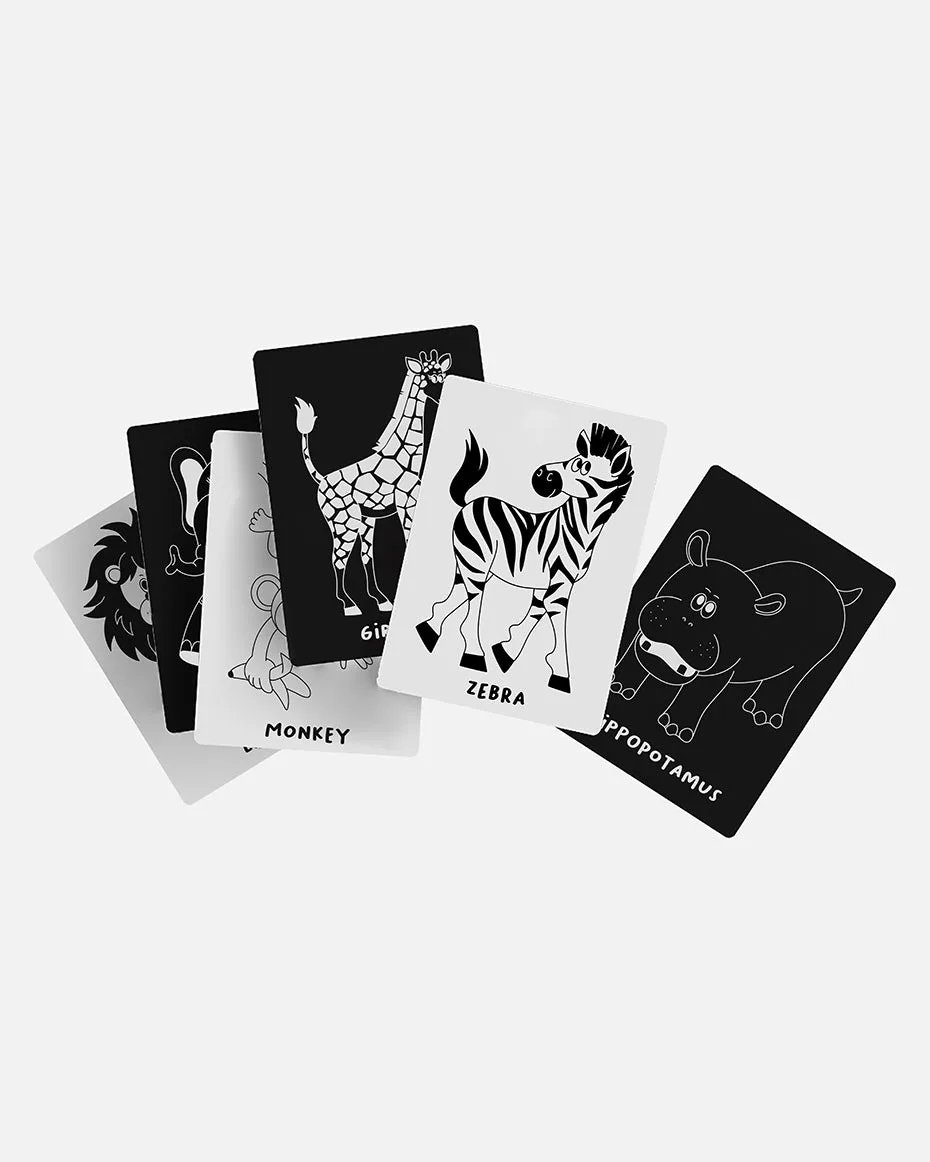
Not necessarily. The best sensory toys match your baby's current stage and your household routine. A ball suits babies who are starting to reach and grasp, but a baby who prefers high-contrast visuals may engage more with Art Cards during early tummy time. Offer one or two options at a time and rotate them to keep novelty high.
Sensory ball FAQ
When can my baby use a sensory ball?
Most babies show interest in batting or grasping a ball around 4 to 6 months, but readiness varies. Watch for your baby reaching toward toys and holding objects briefly; start with supervised floor play and follow any age guidance on the product. Introduce it when your baby swipes at toys, not by the calendar.
Is a hidden bell safe for mouthing babies?
A securely enclosed bell is generally safe, but check the ball's seams and panels before each use. If you can feel the bell through a gap or hear it shift loosely, stop using the ball and inspect or replace it. Squeeze and shake the ball before every play session.
How do I clean a sensory ball?
Wipe the surface with a damp cloth and mild soap, then dry it fully before storing. Avoid submerging a ball with a bell unless the manufacturer says it is watertight, since trapped moisture can damage the sound maker. Surface-clean only unless the label says otherwise.
Can a sensory ball replace tummy time cards?
No—they serve different purposes. High-contrast cards support visual tracking, while a ball builds grasping and movement skills. Use both during floor play: cards for looking, the ball for reaching. Rotate tools rather than relying on one.
Product facts
- Sensory Ball: Six panels of different textures and a hidden bell inside. Varied textures support tactile exploration, while the bell adds sound feedback that encourages repeated reaching and grasping.
- Art Cards: High-contrast themed packs of six cards designed to build baby's brain. A visual alternative for early tummy time when a baby is not yet reaching for a ball.