Quick answer
Start with Fidget Chair Bands on existing chairs for quiet foot movement, then add one shared active seating option such as a wobble cushion or balance chair for students who need whole-body movement. Buy one or two items first, test them in your actual room, and only scale up after you see which students use them independently.
Match the seating tool to the movement your student needs
Sensory-friendly seating is not one product. It is a small set of tools that give students a safe outlet for the movement their bodies are already seeking. The most useful first question is not which product is best, but where the movement happens. If a student's feet are the main source of restlessness, a chair-based tool keeps them seated while their feet move. If the restlessness is whole-body, a seat that allows gentle rocking or bouncing is more appropriate.
This distinction matters because a tool that does not match the need becomes a distraction. A student who only needs foot movement may find a full balance chair too unstable for written work. A student who needs whole-body movement may wear out a chair band without getting the input they need. Choose the smallest tool that solves the problem, then add another only if the first one is not enough.
Start with chair bands for quiet foot movement
Fidget Chair Bands are the lowest-disruption option because they attach to the front legs of an existing chair and give feet a quiet, stretchy outlet. They do not change the student's seat height or writing surface, so they are easy to introduce without rearranging the room. For teachers, this is often the best first purchase because it works with furniture you already have.
The trade-off is that chair bands only address foot fidgeting. They will not help a student who needs to rock, bounce, or change posture. They are also a shared-resource risk if students treat them as toys rather than tools. Introduce them with a clear expectation: the band is for quiet movement during work time, not for pulling or playing.
Add a wobble cushion or balance chair for whole-body movement
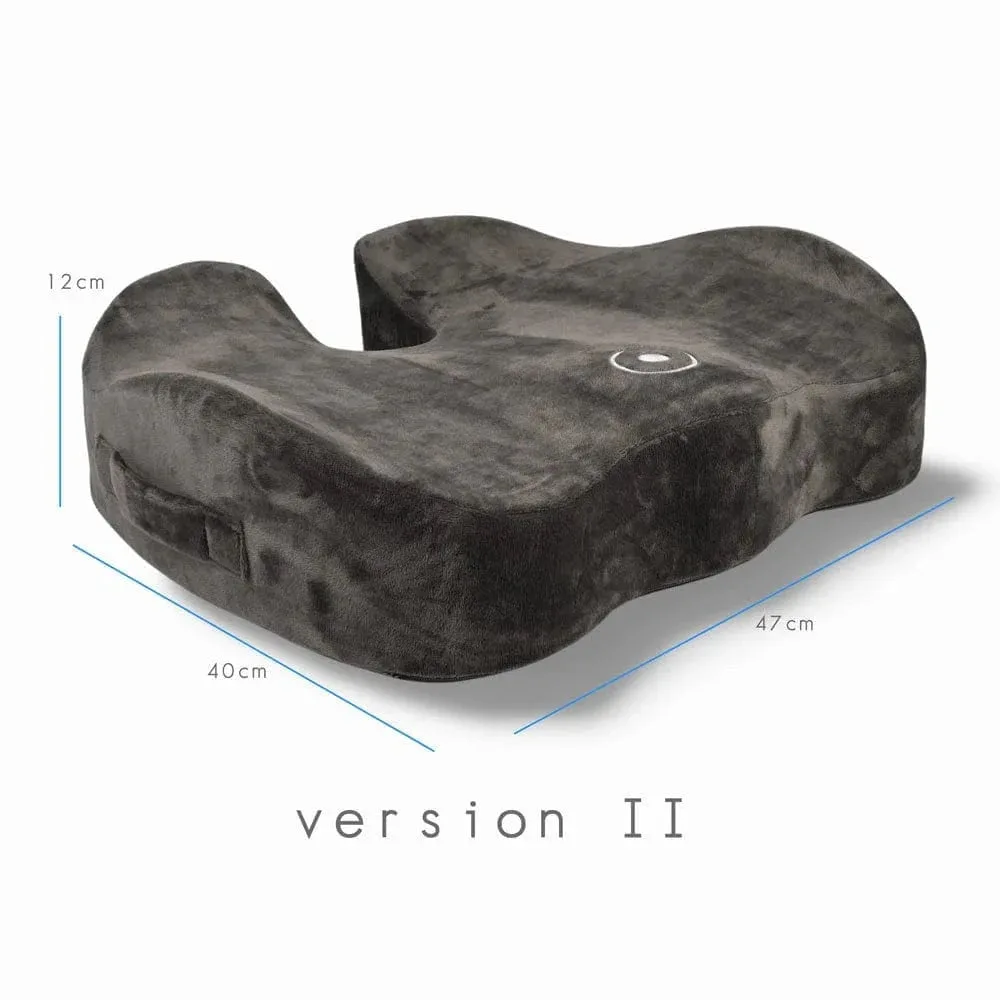
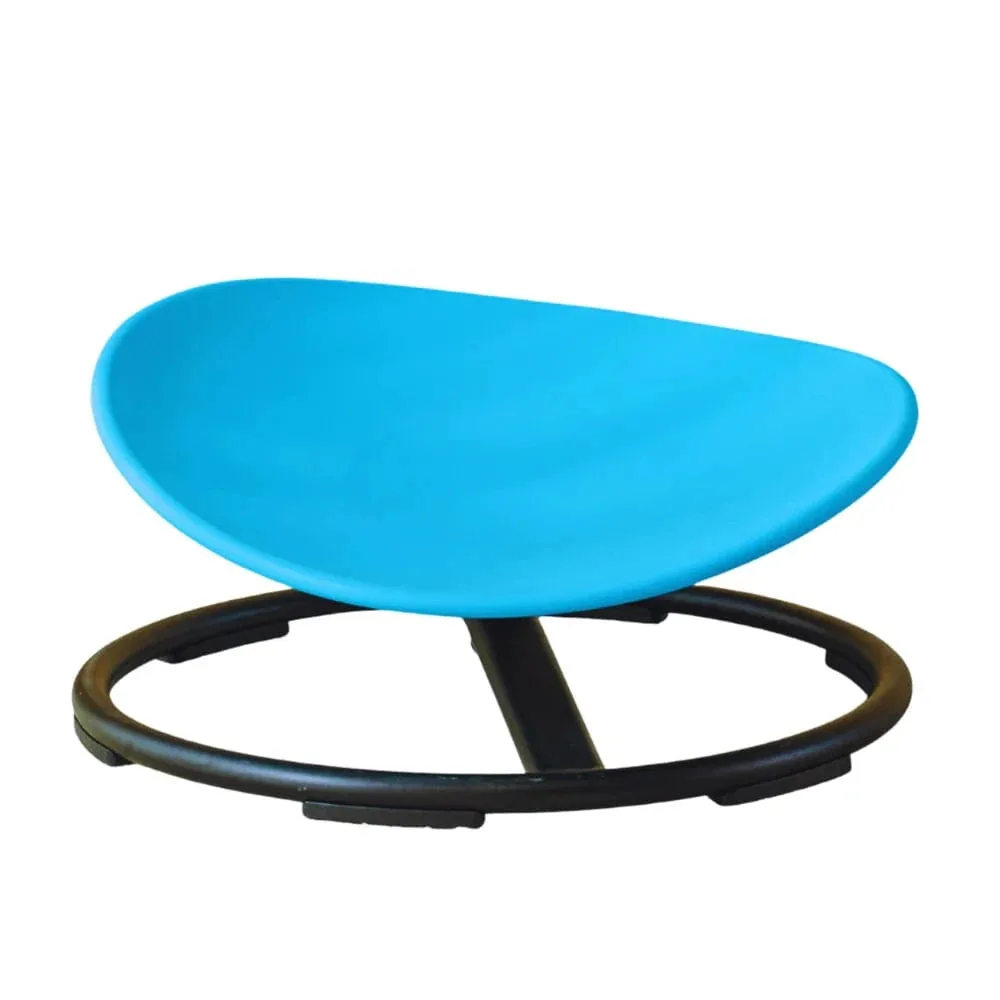
When foot movement is not enough, a wobble cushion or balance chair gives the whole body a controlled range of motion. These work best for students who can stay seated while moving and who understand how to use the tool without tipping or distracting neighbors. A wobble cushion is usually easier to store and move between desks, while a balance chair makes a more permanent statement about where that student sits.
The decision rule is simple: choose a wobble cushion if the student needs movement during focused work and you want something portable. Choose a balance chair if the student needs a dedicated seat and the room can accommodate a slightly larger footprint. If you are unsure, borrow or trial one before buying a full set.
Plan for storage, cleaning, and shared use
Classroom sensory equipment only works if it survives the school year. Before buying, decide where each item will live when not in use. Chair bands can stay on chairs, but cushions and beanbags need a defined spot so they do not become floor clutter. If items will be shared, choose materials and covers that are easy to wipe down or wash according to the manufacturer's instructions.
Shared use also raises the question of fairness. Some students will ask for a tool because a classmate has one, not because they need it. A simple rotation or a quiet sign-up system can reduce that pressure. The goal is to make sensory seating normal and available, not to create a reward or a status symbol.
Check fit and safety before you commit
Fit is the most common reason sensory seating fails in a classroom. A chair band must loop securely around the chair legs without slipping, and it should not be so tight that it is difficult for the student to use. A wobble cushion should sit flat on the chair and not slide when the student shifts weight. A balance chair should match the student's size and the desk height so they can still write comfortably.
Safety comes down to supervision and clear rules. No sensory seating tool replaces the need for a stable chair and a clear walkway. If a student cannot use the tool safely after a short trial, remove it and try a different option. A tool that causes falls or disruption is not helping anyone.
When to choose a sensory pod or beanbag instead
Some students need a retreat more than a seat. A plush-filled sensory pod or beanbag can provide a calming, enclosed space for reading, regulation breaks, or quiet time. This is a different purchase decision from active seating: it is about comfort and decompression, not movement during instruction. If your room has space for a corner retreat, a pod can reduce the need for students to leave the room when they are overwhelmed.
The trade-off is size and cost. A large beanbag takes up floor space and is not a replacement for a desk chair. Treat it as an addition to your sensory setup, not the first thing you buy.
Decision rules for your classroom setup
- If the student's feet are the main source of restlessness: Choose Fidget Chair Bands first. They attach to existing chair legs and provide quiet movement without changing the student's seat height or writing position. Lowest-cost, lowest-disruption first step.
- If the student needs whole-body movement during focused work: Choose a wobble cushion or balance chair. A wobble cushion is more portable; a balance chair is a dedicated seat with a larger footprint. Match the tool to the movement, not the other way around.
- If the student needs a calming retreat, not a work seat: Choose a plush-filled sensory pod or beanbag for a quiet corner. This is an addition to your seating plan, not a replacement for a desk chair. Separate movement tools from comfort tools in your budget.
- If you are unsure whether a tool will work: Buy one item, test it with one or two students in your actual room for a week, and observe whether the student uses it independently without reminders. Scale up only after a successful trial.
Product facts to inform your setup
- Fidget Chair Bands: Fidget Chair Bands are stretchy resistance bands that loop around the front legs of a chair, giving feet a quiet, satisfying outlet for movement. They are designed for children who need to fidget to stay focused in classrooms or structured settings where standing up is not always an option. This makes them the lowest-disruption starting point for teachers because they work with existing chairs and do not change the student's seat height or writing surface.
- Rainbow Parachute for Kids and Classrooms, Two Sizes: The Rainbow Parachute is a classic group play tool that brings movement, teamwork and laughter to classrooms, therapy rooms, halls and backyards, with bold rainbow panels and strong grip handles for group lifting and playing. It is not a seating product, but it is a useful movement break tool for the whole class, which can reduce the need for individual sensory seating during lessons.
Who this setup is for
Best for
- General education teachers who want a small, flexible sensory seating setup
- Support staff working with students who fidget to focus
- Classrooms where standing up during lessons is not always possible
Not for
- Teachers looking for a single product to solve every sensory need
- Rooms without space to store or supervise shared sensory equipment
- Students who need a clinical assessment before using movement-based seating