Quick Answer
Match the toy to the need, not the label. If your child seeks movement and pressure, choose flexible, textured, or squeezable toys; if your child is easily overwhelmed, choose one quiet, low-color item and offer it during a calm moment. Buy one toy at a time, watch how your child uses it for a week, and keep only what genuinely settles them.
Sensory toys are not a single category, and that is the first thing to understand before you buy. A chewy silicone tether, a finger puppet set, and a bag of tiny animal figures all count as sensory play, but they do very different jobs. Some add input, some reduce it, and some simply give hands something to do while a child listens, talks, or settles.
This guide gives you decision rules instead of a ranked list. You will learn how to read your child's behavior, match materials and textures to what they need, and avoid the common mistake of buying a toy that is calming for one child but overstimulating for another. Every recommendation below uses real products from our catalog so you can see how the rules apply.
Start With the Need, Not the Toy Aisle
Before you look at any product, watch your child for a few days and write down what they do when they are unsettled. Do they chew, squeeze, rock, or pace? Do they cover their ears and pull away? Children who seek input usually want more: firmer pressure, stronger textures, bigger movement. Children who avoid input usually want less: quieter sounds, softer materials, fewer colors in view.
This distinction decides almost everything else. A toy that gives deep pressure or texture can help a seeker regulate, but the same toy can push an avoider further into overload. That is why no single product works for every child, and why a sensory toy selection should start with observation rather than a shopping list.
- Note the time of day your child gets unsettled. Morning and after-school patterns often point to different needs.
- Ask whether the behavior is seeking (more input) or avoiding (less input). Write it down before you buy.
Match Materials to the Type of Input
Material is the most reliable guide you have. Soft, flexible silicone with raised textures is good for mouthing and hand fidgeting because it bends without breaking and can be wiped clean. Fabric and plush surfaces suit children who want comfort and quiet touch rather than resistance. Hard plastic or painted figures suit children who prefer to line up, sort, and narrate rather than squeeze.
Sound matters too. Crinkle, rattle, and squeak features add input, which helps a seeker but can overwhelm a sound-sensitive child. If your child is easily startled, choose toys with no electronic sound at all. A small figure set or a soft puppet can carry a whole play session without adding a single unexpected noise.
- Silicone and textured fabric for mouthing and hand fidgeting.
- Plush and fabric for quiet comfort and gentle touch.
- Hard figures for sorting, lining up, and storytelling play.
How to Tell If a Toy Is Actually Calming
A calming sensory toy does not need to be marketed as calming. What matters is what your child does with it. If they slow their breathing, settle into repeated motion, or return to the same toy on their own, it is working. If they use it for ten seconds and throw it, or get faster and louder, it is adding stimulation rather than reducing it.
Give any new toy a full week before you judge it. Novelty alone can make a toy exciting for a day or two, and that is not the same as regulation. Keep a simple note of which toys your child reaches for when they are already calm, because those are the ones most likely to help when they are not.
- Watch for slower breathing, repeated motion, and independent return to the toy.
- Judge after a week, not after the first excited day.
Fidget and Sensory Toys: What to Keep in the Rotation
More toys do not mean more regulation. A rotation of three to five items usually works better than a full bin, because too many choices create their own kind of overload. Keep one mouthing item, one hand fidget, one comfort item, and one open-ended play set, then swap them out when your child loses interest.
Portability is worth planning for. A small canvas case or a wristlet that holds a few essentials makes it easy to bring regulation tools to a car ride, a waiting room, or a relative's house. Toys that travel well get used far more often than toys that stay in a closet.
- Keep three to five items in active rotation and store the rest out of sight.
- Choose at least one item that fits in a bag so it can leave the house with you.
Trade-Offs to Accept Before You Buy
Every sensory toy involves a trade-off. Textured silicone is easy to clean and safe for mouthing, but it does not offer the deep pressure some children crave. Plush is comforting but collects dust and needs more washing. Tiny figure sets are wonderful for sorting and storytelling, but they are a choking hazard for children who still mouth objects, so they are not a fit for every age.
Cost is another honest factor. A multipurpose teether or a small figure can do a lot of work for a low price, while a larger kit may include craft activities your child never touches. Buy the smallest version of a toy that tests the idea first, and only size up once you know the material and format suit your child.
- Small parts are for children past the mouthing stage, always.
- Test a format with the smallest, cheapest version before buying a larger set.
Decision Rules for Choosing a Sensory Toy
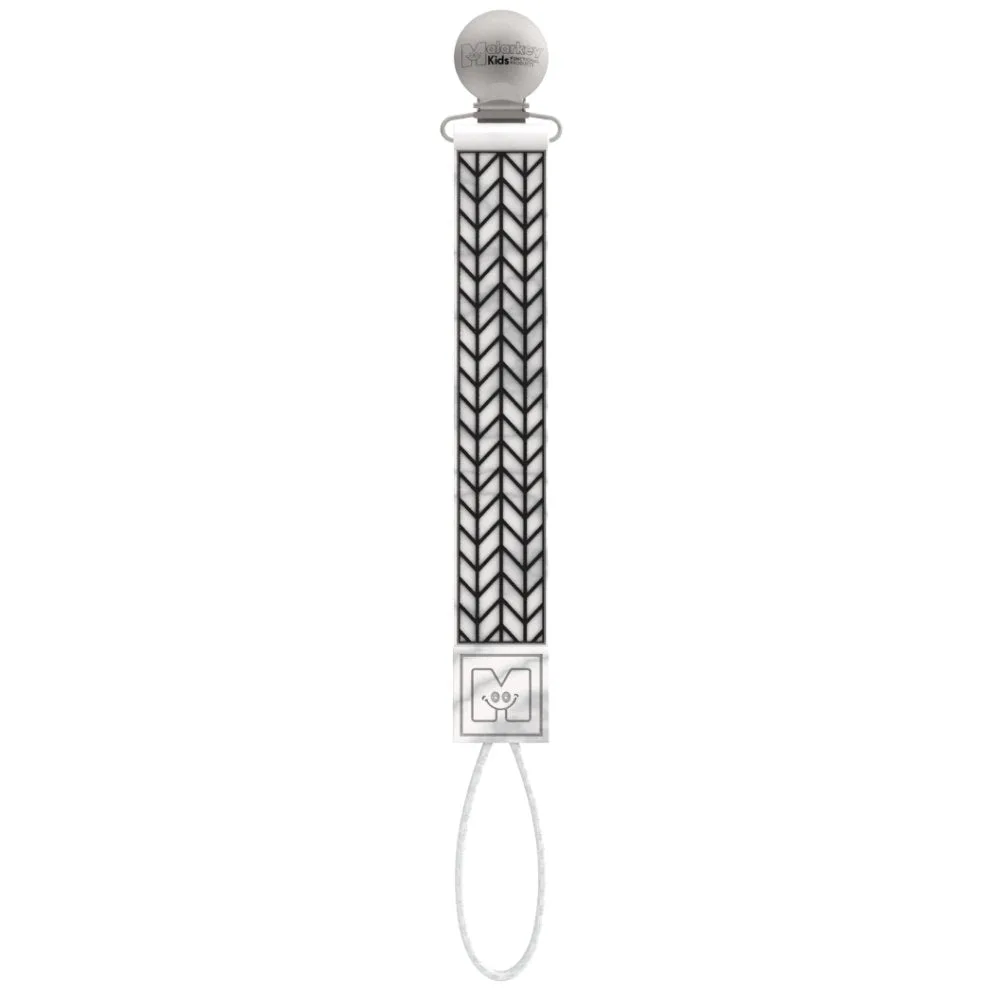
- If your child chews or mouths objects: Choose flexible, food-grade silicone with raised textures, such as the Teether Tether - Black and White Chevron, and skip any set with small loose parts. Mouthing stage: silicone only, no small figures.
- If your child is sound-sensitive or easily startled: Choose fabric, plush, or silent figure play with no electronic sound features, and introduce one item at a time in a quiet room. No batteries, no surprise noises.
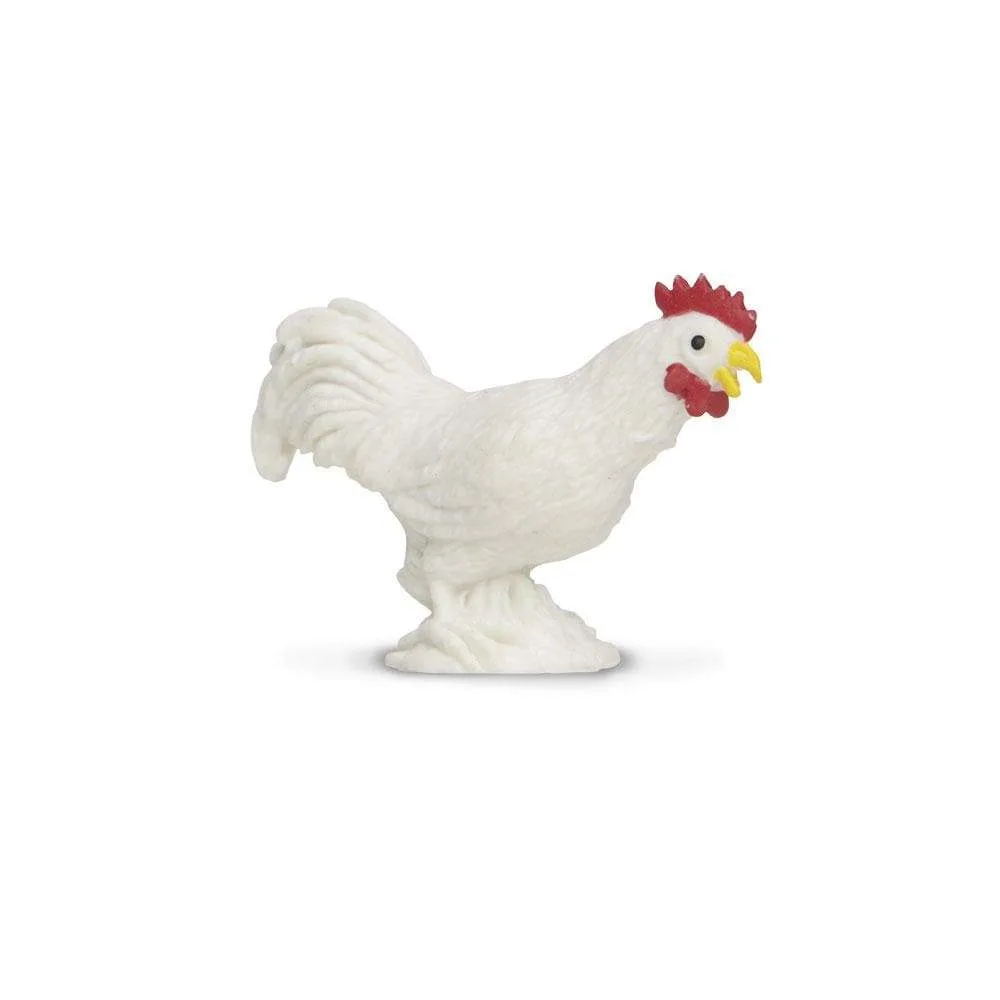
- If your child seeks sorting, counting, or lining up: Choose a larger set of small identical figures, such as Mini Roosters - 192 pcs - Good Luck Minis®, but only for children past the mouthing stage. Repetition is the point; small parts require age readiness.
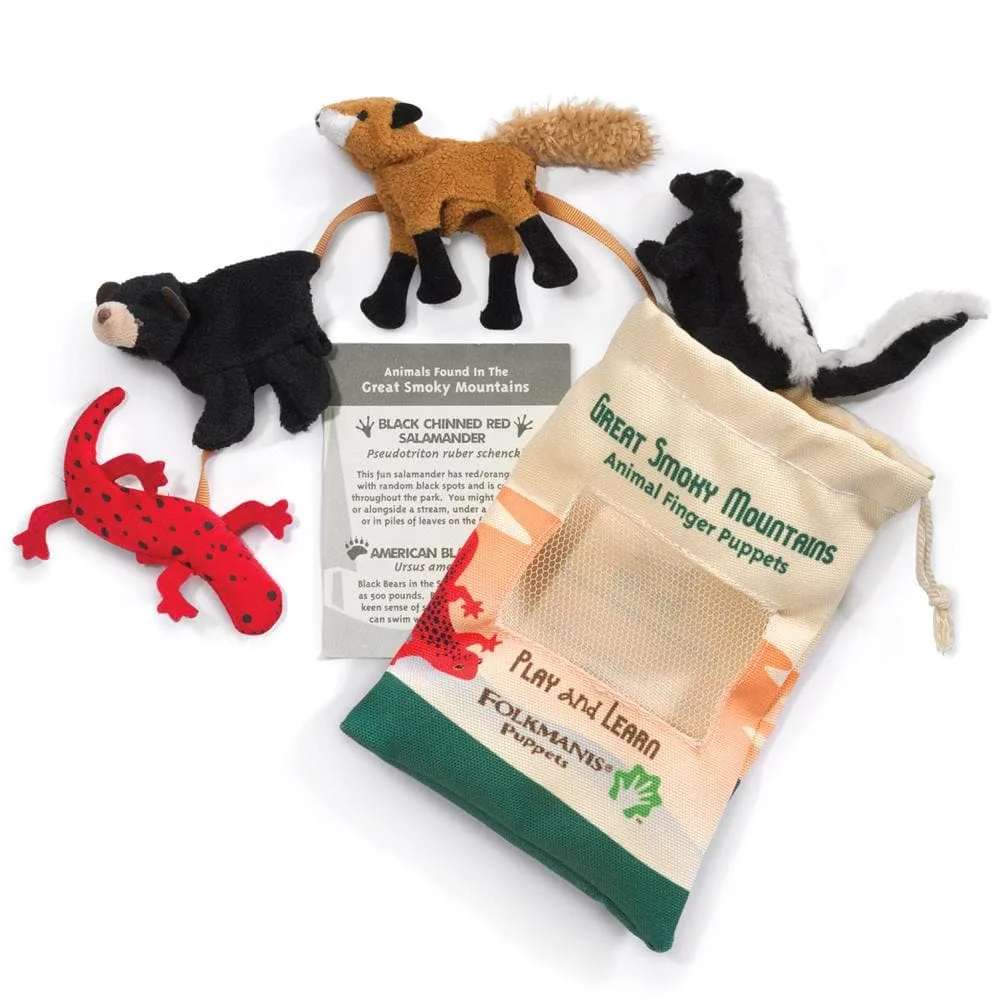
- If your child needs regulation on the go: Choose a toy with its own case or carrying method, such as the Great Smoky Mountain Animals Finger Stuffed Animal Puppet Set with its canvas case or the 7" Plush Wristlet - Cute But Crabby. If it cannot travel, it will not be there when you need it.
- If you are unsure whether a toy is helping: Track one week of use and keep only the items your child returns to when already calm. Independent return is the strongest sign a toy is regulating, not just novel.
How Real Products Fit These Rules
- Teether Tether - Black and White Chevron: A multi-purpose teething toy made from soft, flexible, food-grade silicone, with textured patterns that soothe and provide visual stimulation. It covers both mouthing and hand fidgeting in one item, and the food-grade silicone wipes clean, so it works as a first sensory purchase for a child who seeks oral input.
- Great Smoky Mountain Animals Finger Stuffed Animal Puppet Set: A set of four three-inch finger puppets, including a Red Salamander, Black Bear, Skunk, and Red Fox, with species information and a canvas carrying case. The puppets invite quiet storytelling and gentle hand movement rather than loud, fast play, and the canvas case makes the set easy to bring along for calming play away from home.
- Mini Roosters - 192 pcs - Good Luck Minis®: A bulk set of miniature rooster figures; a rooster is a male chicken with a longer tail and comb than a hen, and roosters may crow at any time of day. A large set of identical small figures suits sorting, counting, and lining up, which are repetitive sensory-friendly activities, but the small size means it is not appropriate for children who still put toys in their mouths.
- 7" Plush Wristlet - Cute But Crabby: A crab-patterned plush wristlet with two zippered pockets, a clear photo ID window, and a wrist strap that keeps it secure and at hand. It doubles as a comfort object and a way to carry a few small fidget items, which helps children who regulate better when their tools stay physically with them.
Who This Approach Fits
Best for
- Parents who want to choose sensory toys for kids based on observed behavior rather than marketing labels
- Families building a small, rotating set of calming sensory toys for home and travel
- Caregivers looking for fidget and sensory toys that are easy to clean and easy to carry
Not for
- Buyers looking for a single toy guaranteed to work for every child, since sensory needs differ widely
- Families who need a clinical assessment or therapy plan, which a toy purchase cannot replace
- Households with children still in the mouthing stage who want small figure sets, which are a choking risk at that age
Pick one need, one material, and one toy to test this week. Watch how your child uses it when they are calm, keep what they return to, and let the rest go. A small, well-matched rotation of sensory toys will do more for calming play than a full shelf of options.