Quick Answer
Sensory toys help children with ADHD by providing calming proprioceptive and tactile input that improves focus and reduces restlessness. For best results, choose tools that match your child's sensory preferences and use them during homework, transitions, or meltdowns.
If your child with ADHD fidgets constantly, struggles to sit still, or becomes overwhelmed by everyday sounds and textures, you know the challenge of finding tools that actually help. Sensory toys aren't just fun fidgets—they're practical supports that address the underlying sensory processing differences common in ADHD.
This guide explains how sensory toys work, what to look for, and which types are worth trying. We'll also highlight a few specific products from ChildTherapyToys that can make a real difference at home or in therapy sessions.
Why Sensory Toys Help Children with ADHD
Children with ADHD often have difficulty regulating their attention and energy levels. Sensory toys provide the right kind of stimulation to help their nervous system find a balanced state. For example, deep pressure from a weighted item can trigger a calming response, while tactile fidgets give restless hands a job so the brain can focus on a task.
Research in occupational therapy supports the idea that sensory input can improve self-regulation. However, every child is unique: some need more movement, others need calming pressure, and some benefit from visual or auditory input. Observing your child's reactions is key.
- Watch for signs like chewing, crashing, or constant movement to identify sensory needs.
- Start with one type of sensory tool at a time to see what works.
- Use sensory toys during homework, car rides, or times of transition.
Types of Sensory Toys: From Fidgets to Weighted Tools
Sensory toys range from small handheld fidgets to larger items like weighted blankets and shawls. Fidget spinners, putty, and textured balls provide tactile and proprioceptive input. Weighted items offer deep pressure that mimics a hug, which can be especially calming for anxious or hyperactive children.
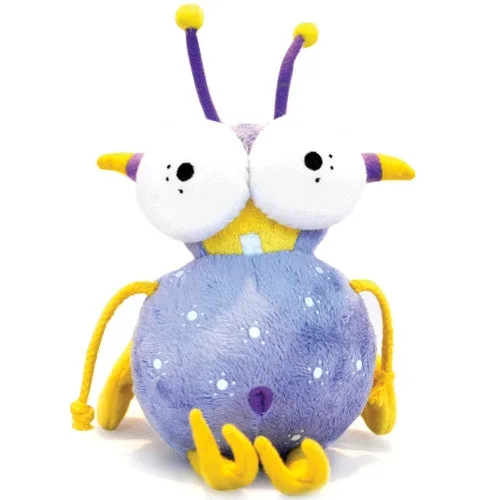
Another category includes emotional regulation tools like worry monsters or feeling cards, which help children identify and express emotions. These are not traditional sensory toys but they complement sensory strategies by addressing the emotional component of ADHD.
- Match the tool to the need: fidgets for focus, weighted for calm, emotional tools for feelings.
Choosing the Right Sensory Toy for Your Child
Start by identifying the sensory input your child seeks or avoids. A child who craves deep pressure may love a weighted shawl, while one who needs oral input might prefer chewable jewelry. Consider the context: school, home, or therapy. Durability and washability matter too.
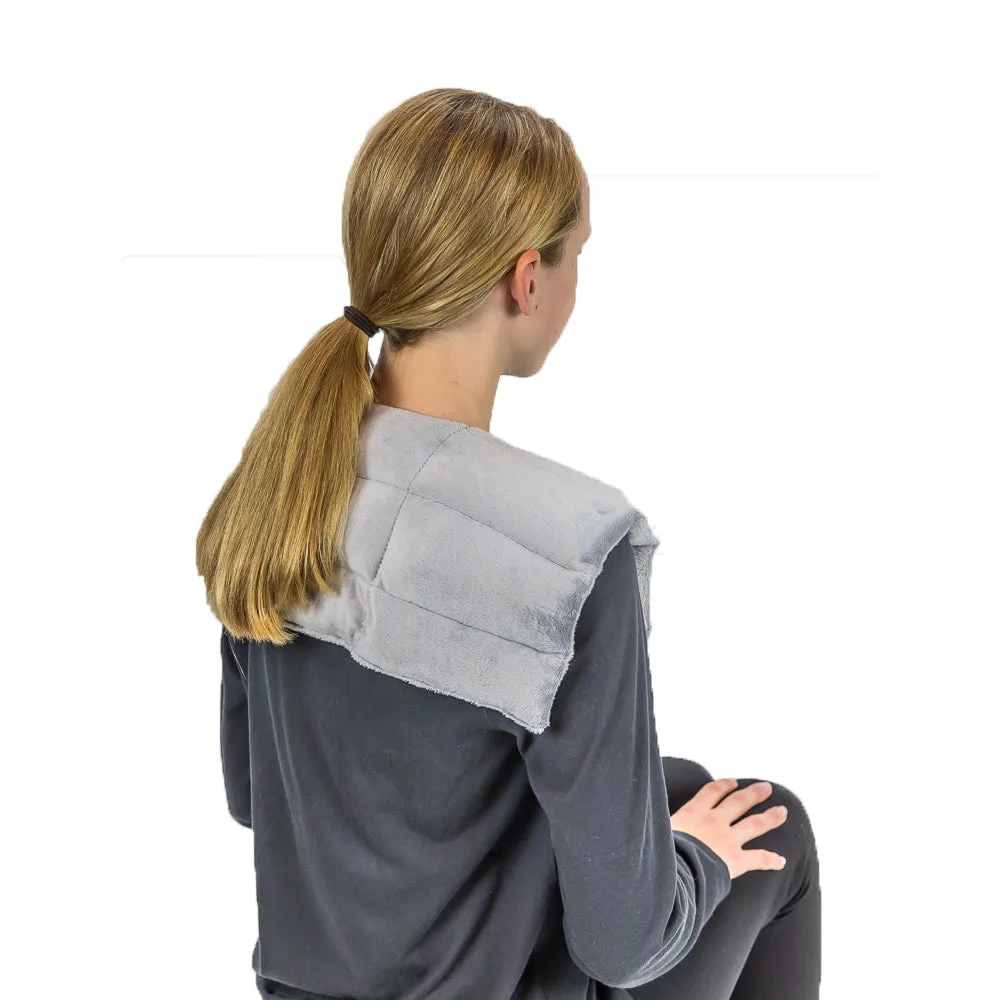
weighted shawl
Also consider your child's age and interests. A preschooler might respond to a plush monster, while a school-age child may appreciate a board game that teaches coping skills. The right toy is one your child will actually use.
- Involve your child in the selection to increase buy-in.
- Check safety and cleaning instructions before purchasing.
Diagnosis: Is a Sensory Toy the Right Solution?
- Symptom: Child is restless, fidgety, easily distracted, or has frequent meltdowns, especially during tasks requiring focus. Observe the specific situations where these behaviors occur.
- Likely Cause: Under- or over-arousal of the nervous system due to ADHD-related sensory processing differences. The child may be seeking or avoiding certain sensations. Identify whether your child craves movement, pressure, or quiet.
- Corrective Action: Introduce a sensory toy that matches your child's needs: a weighted shawl for deep pressure, a fidget for tactile input, or an emotional plush for worry. Use it during target activities and observe for changes. Try one tool for a week and note improvements in focus or calm.
- When to Stop or Choose Another Option: If the toy becomes a distraction, causes discomfort, or shows no benefit after consistent use, discontinue. Consult an occupational therapist if sensory issues significantly impact daily life. Sensory tools are supports, not replacements for professional guidance.
Sensory Products That Make a Difference
- Weighted Shawl: Provides comfort and reduces anxiety! 100% Polyester shell, Plastic pellet filled. Machine wash cold and cool dry. Weight 3lb, Size 19" x 19". Made of soft minky fabric, suitable for children and adults. Provides the feeling of being hugged, sits on shoulders, back, and upper chest, providing soothing and calming sensations. The deep pressure from this shawl can help a child with ADHD feel grounded and calm during homework or meltdowns. Its washable design is practical for daily use.
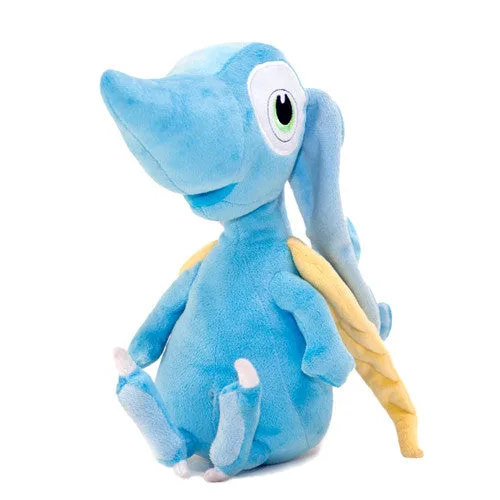
- Wince, The Monster of Worry & Book: Don't Feed The WorryBug: Wince, The Monster of Worry can't stop worrying! His worries are with him wherever he goes. If you have ever worried about anything, then maybe you can help. His big floppy ears are waiting for someone to share their feelings. No experience needed just a willingness to encourage Wince with lots of hugs. WorryWoos have set themselves apart by creating a unique series that bring human emotions to life. For children with ADHD who also experience anxiety, this plush gives a tangible way to externalize worries. The accompanying book reinforces emotional vocabulary and coping strategies.
Sensory toys can be powerful allies in helping children with ADHD find calm and focus. By understanding your child's sensory needs and choosing the right tools—like a weighted shawl or a worry monster—you can create a more supportive environment at home and in therapy. Start small, observe, and adjust as needed.