Quick answer
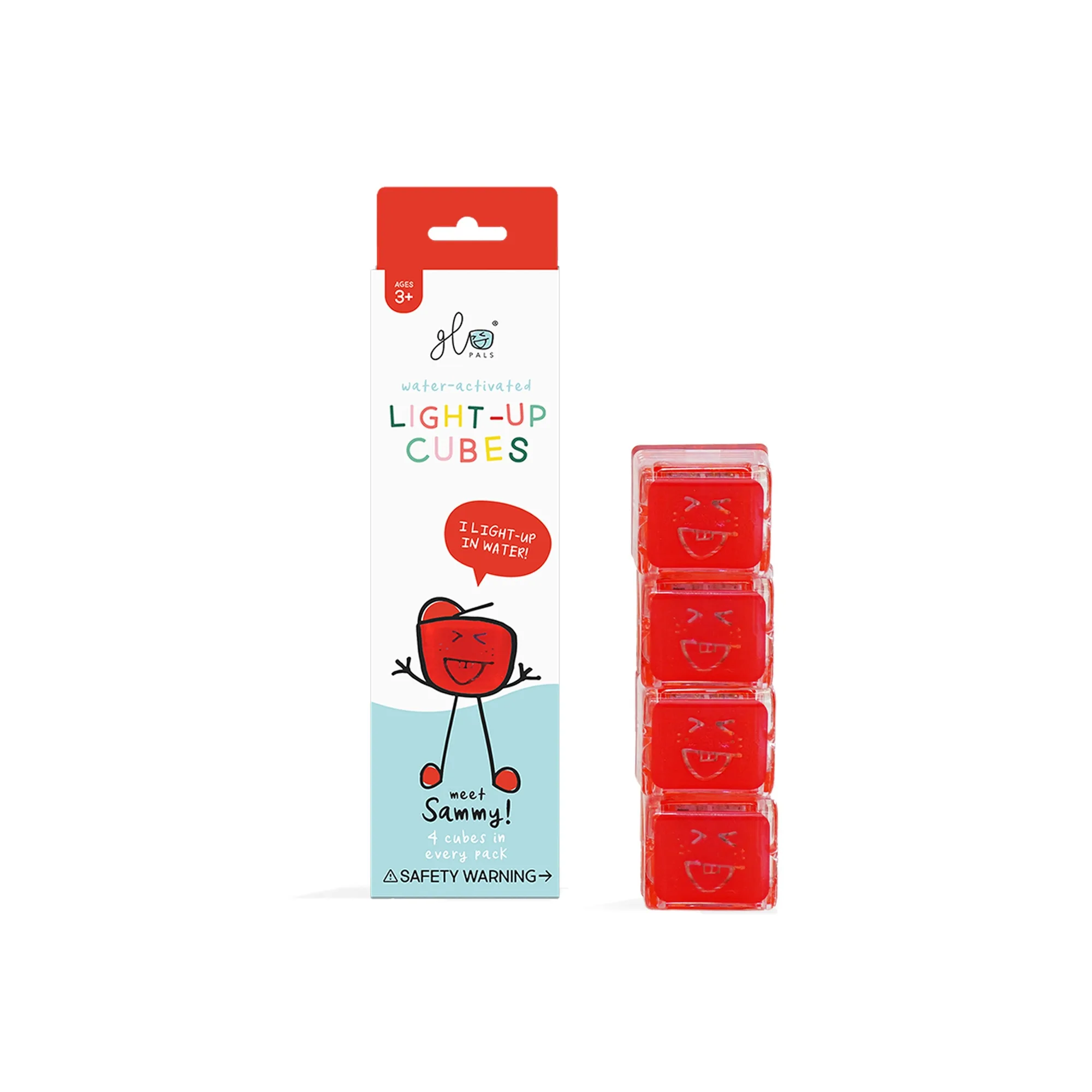
Choose a sensory toy by matching it to the sense your child seeks or avoids, not by age alone. For bath-time calming and cause-and-effect play, the Sammy- Glo Pals 4-Pack Red Light Up Cubes are a strong, low-cost starting point. For children who need quiet, tactile focus, a small figurine set such as the In the Sky TOOB® gives you many pieces to sort, hold, and talk about without noise or batteries.
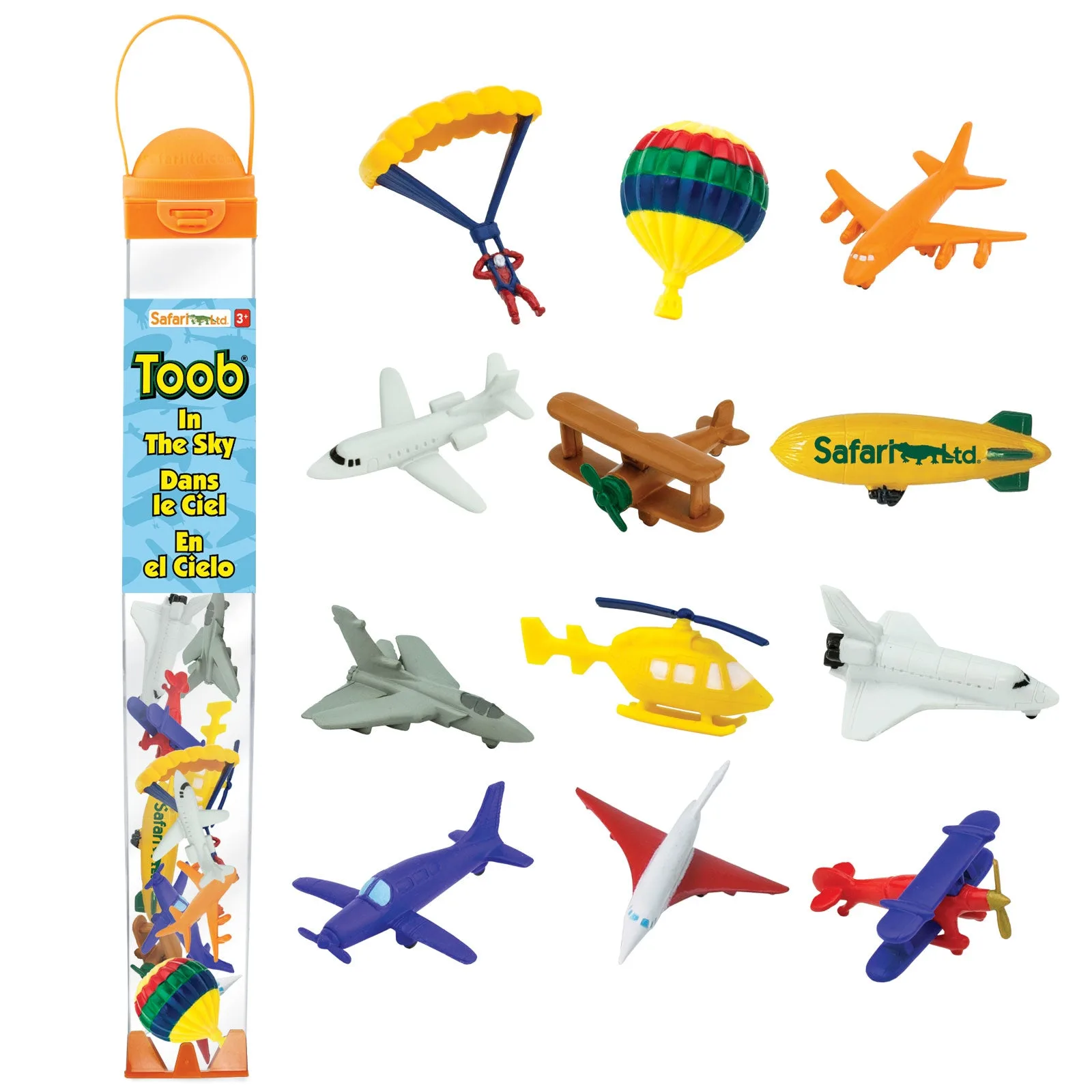
In the Sky TOOB®
Sensory toys are objects chosen for how they feel, sound, look, or move rather than for a single finished outcome. That difference matters when you are buying: a puzzle has a correct answer, but a sensory toy is doing its job when a child squeezes, sorts, watches, or calms down while using it.
This guide walks through the decisions that actually change what you buy: which sense you are targeting, how much mess and noise you can tolerate, and whether the toy is for solo regulation or shared play. It also flags where a sensory toy is the wrong purchase entirely.
Start with the sense, not the label
Most sensory toy buying mistakes come from shopping by category instead of by need. A child who seeks deep pressure and heavy work will not get much from a light-up cube, and a child who is overwhelmed by noise will not benefit from a loud electronic toy no matter how many sensory features it lists. Before you compare products, name the input you are targeting: touch, sight, sound, movement, or smell.
Once you know the target sense, the shortlist gets much smaller. Tactile seekers usually do best with textured figures, squishy plush, or dough. Visual seekers gravitate to color change, light, and motion. Movement seekers need something they can push, spin, or carry. Write the sense down before you shop and you will skip half the catalog.
- If your child seeks touch, prioritize varied textures over electronics.
- If your child seeks sight, look for color change, reflection, or light response.
- If your child avoids a sense, buy a toy that lets them control the intensity.
Match the toy to the routine, not just the child
A sensory toy that works at the kitchen table may fail at bath time, and one that works in the car may be a hazard in the bath. Think about the routine first: bath, bedtime, car rides, waiting rooms, or after-school wind-down. Each setting has different limits on water, noise, small parts, and cleanup.
Bath time is the clearest example. Toys that respond to water give immediate cause-and-effect feedback, which is why light-up cubes are so effective there. A dry figurine set is better for table play, sorting, and language work. Buying one toy for every routine usually means it is mediocre in all of them.
- Choose water-reactive toys only for water routines.
- Keep small figurines for table or tray play where pieces stay contained.
- Buy one toy per routine instead of one toy for everything.
Decide how much mess, noise, and setup you will accept
Every sensory toy carries a hidden cost: cleanup, volume, or setup time. Dough and foam are excellent tactile tools but they dry out and leave crumbs. Light-up toys need drying and battery care. Large sets need a tray or bag or they scatter. None of these are dealbreakers, but they are the reasons sensory toys get abandoned in a closet.
Be honest about your tolerance before you buy. If you will not wipe down a toy nightly, skip the water-reactive option. If you cannot stand repetitive sound, avoid electronic sensory toys and lean toward quiet tactile sets. The best sensory toy is the one you will actually keep in rotation.
- Water toys need drying space and a rinse routine.
- Dough and foam need a sealed container and a crumb-tolerant surface.
- Multi-piece sets need a tray, bag, or bin from day one.
How many pieces and how much variety
Piece count changes the type of play. A single figure supports holding, mouthing, and one-on-one language work. A multi-piece set supports sorting, matching, sequencing, and shared play, which is why mini sets are so flexible. More pieces also mean more chances to lose them, so storage has to be part of the decision.
Variety matters more than volume for most families. Twelve different small figures give you more to name, compare, and group than twelve identical pieces. If your goal is language or categorization, choose variety. If your goal is repetition and comfort, choose a small number of identical or familiar items.
- One or two pieces: comfort, mouthing, and simple holding.
- Six to twelve varied pieces: sorting, naming, and shared play.
- Always pair a multi-piece set with a labeled container.
Safety checks that apply to every sensory toy
Sensory toys get chewed, thrown, and dropped, so check construction before price. Look for firmly attached parts, sealed seams, and no loose small components for children who still mouth objects. If a toy has a light or battery compartment, confirm it is screwed shut and that the toy is dried before storage.
Age labels are a starting point, not a guarantee. A toy rated for older children can still be right for a younger child under supervision, and a toy rated for a younger child can be wrong for a strong chewer. When a specification such as exact dimensions or material is not listed, treat that as a reason to check the packaging or ask before buying rather than assuming.
- Check seams, paint edges, and battery compartments first.
- Supervise any toy with small parts for children who mouth objects.
- If a spec is missing, ask before you buy instead of guessing.
Calming versus alerting: know which one you need
Sensory toys sit on a spectrum from calming to alerting. Slow, repetitive, low-contrast input tends to calm: soft texture, gentle weight, quiet sorting. Bright, fast, unpredictable input tends to alert: flashing lights, loud sounds, rapid motion. Both are useful, but they are used at different times of day.
Buy for the moment you actually need. If bedtime is the hard part, choose a quiet tactile toy. If you need to wake up a sluggish afternoon or encourage engagement in the bath, choose a reactive, colorful toy. Mixing these up is the most common reason a sensory toy gets rejected.
- Bedtime and wind-down: quiet, soft, repetitive.
- Bath and active play: colorful, reactive, cause-and-effect.
- Keep one of each so you are not improvising at the wrong moment.
Decision rules for choosing a sensory toy
- If the goal is bath-time calming: Choose a water-reactive toy with immediate visual feedback, such as the Sammy- Glo Pals 4-Pack Red Light Up Cubes, and plan a drying spot. Bath toys stay in the bath; do not expect them to work as table toys.
- If the goal is quiet tactile focus: Choose a small multi-piece set or a single detailed figure rather than anything electronic, and pair it with a tray or bin. Fewer, varied pieces beat a large pile for attention and language work.
- If the goal is shared play: Choose a set with enough pieces for two children to sort and trade, and agree on a storage container before it comes home. Shared sensory play fails when pieces scatter; containment is part of the purchase.
- If your child mouths objects: Prioritize firmly attached parts and sealed construction, supervise use, and avoid anything with a loose small component. Safety check first, sensory benefit second.
- If you cannot tolerate mess or noise: Skip dough, foam, and electronic sensory toys and choose quiet, wipe-clean figures instead. The toy you will maintain is the toy that gets used.
Product facts worth knowing
- Sammy- Glo Pals 4-Pack Red Light Up Cubes: The Glo Pals were inspired by a child with autism whose mother used the technology behind Glo Pals to help him overcome his fear of water, and the cubes illuminate when exposed to water. This is a water-reactive, cause-and-effect sensory toy, so it belongs in the bath routine rather than at the table, and it needs drying afterward.
- In the Sky TOOB®: The set contains twelve mini aviation figurines, including an executive jet, a biplane, a parachutist, a blimp, a Concorde, a shunt plane, a jet plane, a helicopter, a space shuttle, a hot air balloon, a small aircraft, and a jumbo jet. Twelve varied pieces give you sorting, naming, and matching activities in one container, which suits quiet table play and language work.
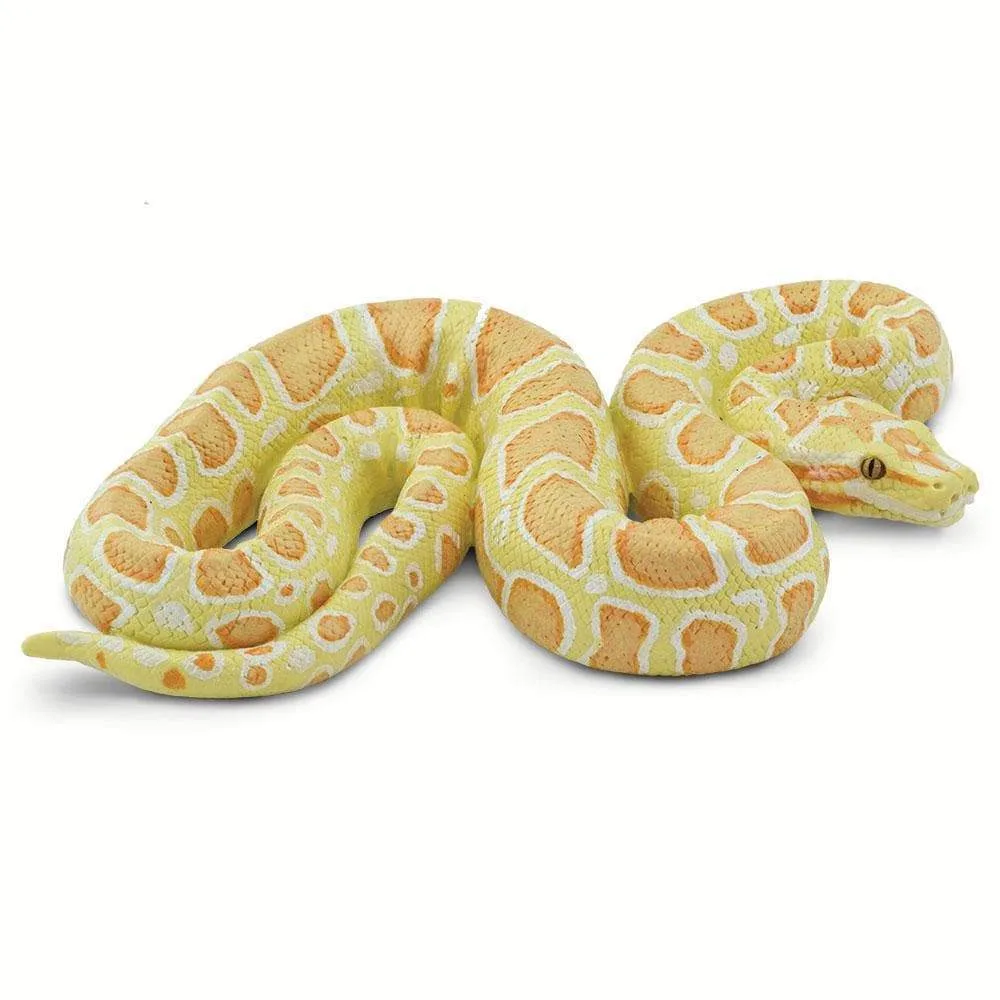
- Albino Burmese Python Toy Snake: The Burmese Python is the third largest snake in the world, the largest examples can measure nearly 20 feet long, and the albino morph is one of the most popular selectively bred color patterns. A single realistic figure supports holding, texture exploration, and factual conversation, making it a good one-piece option for children who do better with fewer objects.
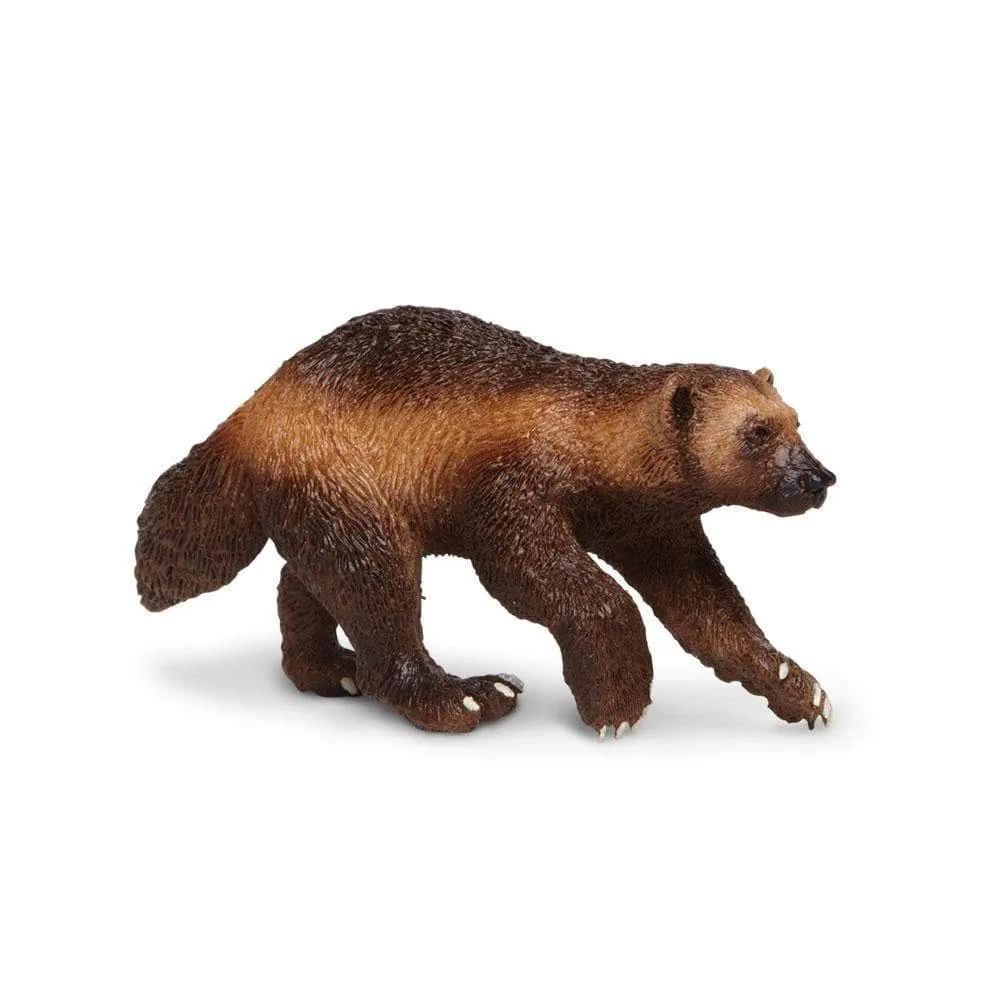
- Wolverine Toy: The wolverine is the largest member of the weasel family and is found primarily in the northern United States, Canada, Alaska, Russia, Siberia, and the Nordic European countries. Small, durable animal figures work as low-cost tactile and sorting pieces, and they double as a factual talking point during play.
Who this approach fits
Best for
- Parents choosing a first sensory toy for a toddler and unsure which sense to target
- Families supporting a child with autism who needs predictable, controllable sensory input
- Caregivers who want one calm option and one active option rather than a large collection
Not for
- Buyers looking for a single toy that covers every routine and every sensory need
- Families who want a screen-based or app-connected experience instead of a physical toy
- Anyone shopping purely by age label without considering the child's specific sensory seeking or avoidance
Pick the sense first, then the routine, then the toy. A water-reactive cube for bath time and a varied mini set for quiet table play cover most families' needs without turning your home into a sensory toy warehouse.