Quick answer
Seresto collars are designed to provide up to 8 months of flea and tick protection, while most traditional flea collars last only 1 to 3 months. For large dogs, Seresto's longer duration means fewer replacements and more consistent coverage, but traditional collars cost less upfront and may suit dogs with sensitive skin or those needing only short-term flea control.
If you have a large dog, you know that flea and tick prevention can feel like a constant battle. Between monthly topicals, oral medications, and collars, choosing the right option often comes down to how long each product actually lasts and how well it fits your dog's daily routine.
This comparison focuses on Seresto collars versus traditional flea collars, specifically for large dogs. We'll look at duration, coverage, cost per month, and practical trade-offs so you can decide which approach makes sense for your household.
How long does each collar actually last?
Seresto collars are formulated to release their active ingredients slowly over time, providing up to 8 months of flea and tick protection. That means for a large dog, you replace the collar roughly every 8 months, assuming it stays on and isn't removed for swimming or bathing. Traditional flea collars typically last between 1 and 3 months, depending on the brand and formulation. Some may offer slightly longer, but most require monthly or quarterly replacement.
The practical difference for large dog owners is significant. With Seresto, you're looking at about two collars per year. With a traditional collar that lasts 1 month, you'd need 12 collars per year. That's more frequent purchases, more chances to forget a replacement, and more gaps in protection if you're not diligent about scheduling.
- Seresto: up to 8 months per collar
- Traditional flea collars: typically 1 to 3 months per collar
- Large dogs may need a larger size or adjusted fit for either option
Coverage: fleas only or fleas and ticks?
Seresto collars are labeled for both fleas and ticks, which is a key advantage if your large dog spends time in wooded areas, tall grass, or regions where tick-borne diseases are common. Traditional flea collars vary widely: some target only fleas, while others may also repel ticks. Always check the label for the specific pests covered.
If tick protection is a priority, Seresto's dual-action formula is a strong point in its favor. For dogs that rarely encounter ticks, a traditional flea-only collar might be sufficient and less expensive. However, if you live in a tick-heavy area, the cost of treating a tick-borne illness can far outweigh the savings on a cheaper collar.
- Seresto: fleas and ticks
- Traditional collars: check label for flea-only or flea-and-tick
- Consider your dog's environment and local pest pressure
Cost per month of protection
Seresto collars generally cost more upfront than traditional flea collars, but when you divide the price by 8 months of protection, the monthly cost can be competitive. Traditional collars may seem cheaper at the register, but if you're buying one every month, the cost adds up quickly. For large dogs, the price difference between sizes can also affect the math.
It's worth calculating the cost per month for each option based on your dog's size and the collar's duration. Also factor in whether you need tick coverage, as that may require a more expensive traditional collar or an additional product. For many large dog owners, Seresto's longer duration provides a predictable, budget-friendly routine.
- Divide total price by months of protection for true cost
- Large dog sizes may cost more for either option
- Factor in additional products if tick coverage is needed
Fit and comfort for large dogs
Both Seresto and traditional collars come in sizes, and large dogs typically need the largest size available. Fit is crucial: a collar that's too tight can cause discomfort or skin irritation, while one that's too loose may snag or fall off. Seresto collars have a breakaway feature for safety, which is a plus for active dogs.
Traditional flea collars vary in material and design. Some are made of plastic or rubber, which may cause irritation for dogs with sensitive skin. If your large dog has a history of skin reactions, consider a collar with a softer material or consult your veterinarian before use. Always monitor your dog for signs of irritation after putting on any new collar.
- Ensure the collar fits snugly but allows two fingers underneath
- Check for breakaway safety features
- Monitor for skin irritation, especially with traditional collars
Water resistance and lifestyle
Seresto collars are designed to remain effective after bathing or swimming, though prolonged exposure to water may reduce their lifespan. Traditional flea collars vary: some are water-resistant, while others lose effectiveness when wet. If your large dog swims frequently or gets bathed often, check the label for water resistance.
For dogs that spend a lot of time outdoors or in water, a collar that maintains efficacy after getting wet is important. Seresto's water resistance is a practical advantage, but if your dog is constantly in water, you may need to replace the collar sooner than 8 months. Traditional collars may need to be removed before swimming or bathing, which can be inconvenient.
- Seresto: water-resistant but may need earlier replacement with frequent water exposure
- Traditional: check if water-resistant or must be removed
- Consider your dog's bathing and swimming habits
Trade-offs at a glance
- Duration vs. upfront cost: Seresto lasts up to 8 months but costs more initially. Traditional collars are cheaper per purchase but need frequent replacement. Calculate cost per month to see which fits your budget.
- Flea and tick coverage vs. flea-only: Seresto targets both fleas and ticks. Many traditional collars only kill fleas, so you may need an additional tick product. If ticks are a concern, Seresto simplifies protection.
- Convenience vs. flexibility: Seresto's long duration means fewer purchases and less remembering. Traditional collars let you switch products or stop treatment sooner if needed. Choose based on how much routine maintenance you prefer.
Products that support your flea and tick routine
- Greenies Pill Pockets for Dogs (Capsule Size) Peanut Butter 30 Ct: These soft, peanut butter flavored treats are specially designed to wrap around pills, making medication time quick, easy, and stress-free for both you and your pup. If your large dog needs medication for flea-related skin issues or other health concerns, Pill Pockets can make giving pills easier and less stressful.
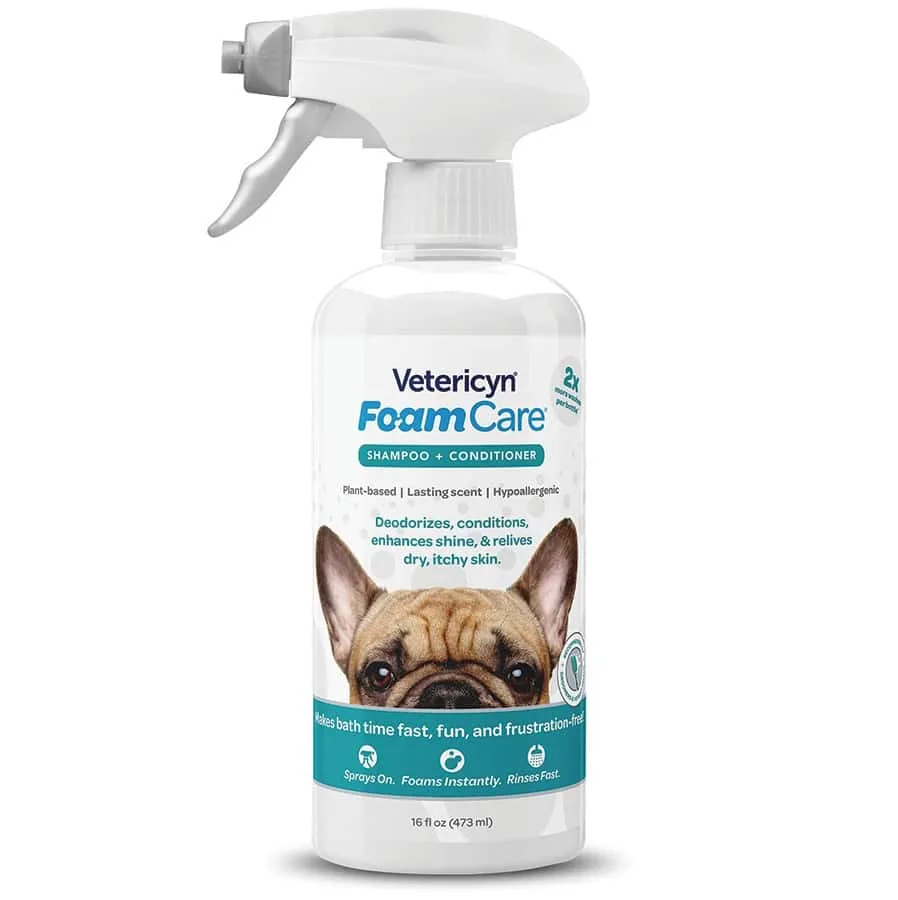
- Vetericyn FoamCare Pet Shampoo + Conditioner Spray 16 oz: This spray-on shampoo foams up instantly, conditions skin as it cleans, and rinses easily. It is safe, non-toxic, paraben-free, and enhances the animal's natural immune system. Flea infestations can irritate your dog's skin. A gentle, soothing shampoo can help relieve itching and maintain healthy skin while you address the pests.
Which collar is right for your large dog?
Seresto is best for
- Large dogs that need year-round flea and tick protection
- Owners who prefer a set-it-and-forget-it option with fewer replacements
- Dogs that swim or bathe regularly, thanks to water resistance
Traditional flea collars are best for
- Dogs with sensitive skin that may react to Seresto's active ingredients
- Owners who only need short-term flea control, such as during a specific season
- Budget-conscious buyers who don't mind monthly replacements
For large dogs, Seresto's up-to-8-month duration and dual flea and tick coverage offer a convenient, cost-effective solution for many owners. Traditional flea collars remain a viable choice for short-term needs or dogs with sensitivities. Whichever you choose, consistent use and proper fit are key to keeping your dog protected.