Quick Answer
For mature skin, you don't have to choose between a serum and a cream—they work best together. Serums deliver concentrated active ingredients like retinol and niacinamide, while creams provide the occlusive moisture barrier that locks everything in. If you prefer a single step, choose a hydrating cream with anti-aging ingredients, but for optimal results, layer a serum under your moisturizer.
As skin matures, it naturally becomes drier and loses elasticity, making the choice of moisturizer more critical than ever. You might wonder: should you invest in a potent serum or a rich cream? The truth is both serve different purposes, and understanding the difference can transform your skincare routine.
In this comparison, we'll break down the roles of serums and creams, highlight key ingredients to look for, and offer practical layering advice. We'll also spotlight some effective options from Gin Amber Beauty that fit into a clean, toxic-free routine for mature skin.
Understanding Serums and Creams
Serums are lightweight, fast-absorbing liquids or gels packed with high concentrations of active ingredients. Their small molecules penetrate deeply to deliver targeted benefits like collagen stimulation, brightening, or hydration. Because they are water-based, they need a moisturizer on top to seal in the goodness and prevent water loss.
Creams, on the other hand, are thicker and contain oils and emollients that create a protective barrier on the skin's surface. They lock in moisture, prevent transepidermal water loss, and keep the skin supple. For mature skin, creams provide essential lipids that diminish with age, helping to restore the skin's natural barrier.
- Use a serum to target specific concerns like wrinkles, dark spots, or dullness.
- Apply a cream to hydrate, nourish, and seal in the serum's benefits.
Key Ingredients for Mature Skin
When choosing products, look for ingredients backed by science. Retinol is a gold standard for anti-aging because it stimulates collagen production and accelerates cell turnover, reducing fine lines and improving texture. Niacinamide (Vitamin B3) strengthens the skin barrier, evens tone, and minimizes the appearance of pores. Hyaluronic acid is a humectant that attracts moisture, plumping the skin and reducing the look of dehydration lines.
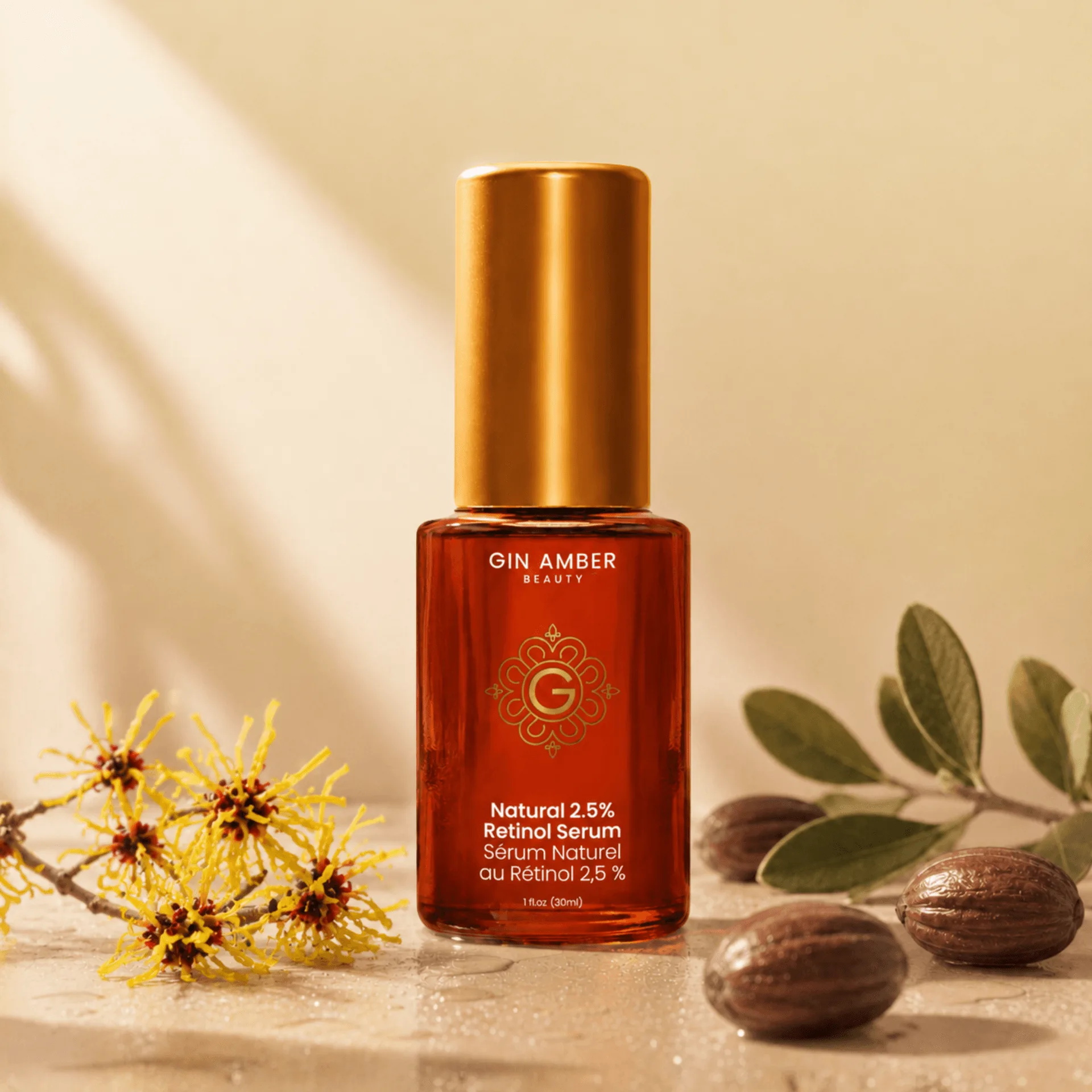
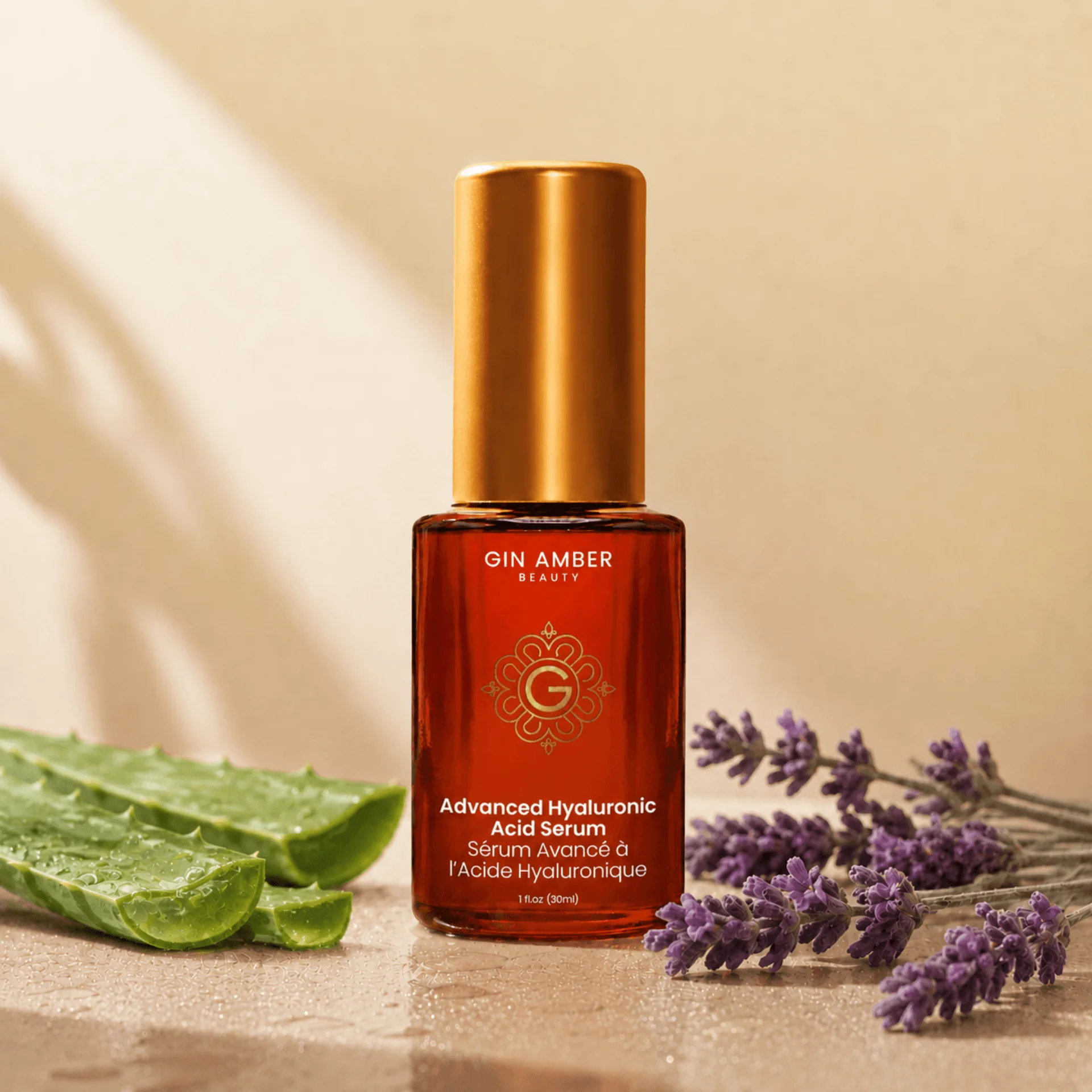
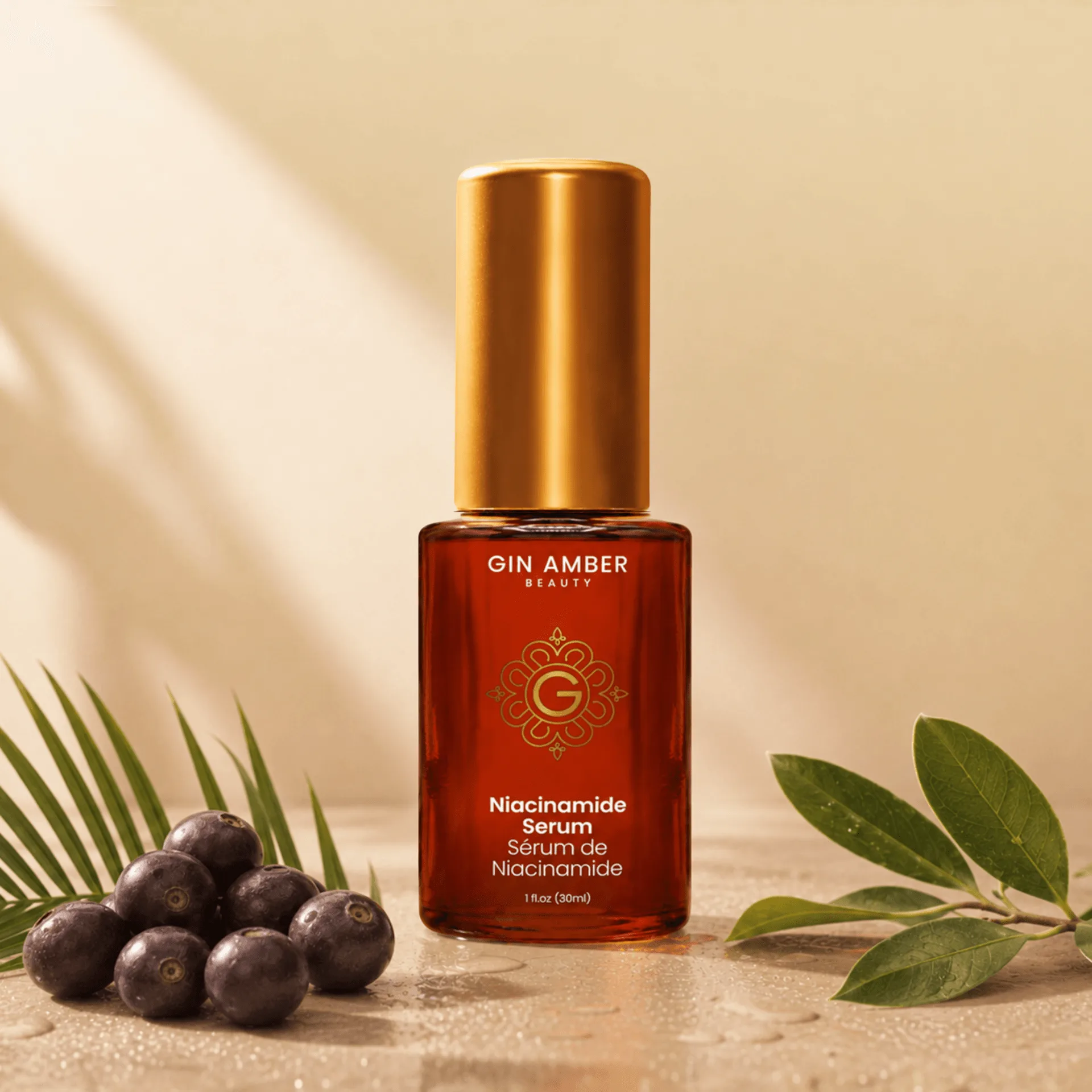
Gin Amber Beauty offers serums that feature these actives. The Natural 2.5% Retinol Serum uses plant-based retinol to promote collagen and cell turnover, while the Niacinamide Serum refines texture and supports a healthy barrier. For deep hydration, the Advanced Hyaluronic Acid Serum draws moisture into the skin, leaving it plump and supple.
Layering Order: Serum First, Cream Second
The general rule is to apply products from thinnest to thickest. After cleansing, apply your serum to clean skin, allowing it to absorb for a minute or two. Then follow with a moisturizer or cream to lock in the serum and provide lasting hydration. This layering maximizes the effectiveness of both products.
For example, after applying a retinol serum at night, a rich cream can help mitigate potential dryness. In the morning, a hydrating serum under a lightweight moisturizer prepares the skin for makeup and sun protection. This method ensures your skin receives both active ingredients and emollients for balanced, healthy-looking skin.
- Wait 1-2 minutes between serum and cream to allow absorption.
- Always apply sunscreen in the morning, especially when using retinol.
Trade-offs to Consider
- Potency vs. Gentleness: Serums like retinol are potent but may cause irritation if introduced too quickly. Creams are gentler but deliver actives in lower concentrations. Start with a retinol serum every other night and buffer with a moisturizer.
- Hydration vs. Occlusion: Hyaluronic acid serums draw water into the skin, but without a cream, that moisture evaporates. Creams seal it in but don't add as much water. Layer a hydrating serum under a cream for a hydrating boost that lasts.
- Layering effort vs. Simplicity: Using both serum and cream gives optimal results but adds steps and cost. A single cream might not deliver the same targeted benefits. If you prefer minimalism, choose a cream with peptides or niacinamide, but know you may miss out on higher concentrations.
Spotlight on Gin Amber Beauty Serums
- Natural 2.5% Retinol Serum (Anti-Aging): Infused with plant-based retinol, it helps to stimulate collagen production and promote cell turnover for a brighter, more youthful-looking complexion with consistent use. This serum targets fine lines and uneven texture, making it a powerful anti-aging addition to your routine. Use it every other day initially to test sensitivity.
- Niacinamide Serum (Nourishing): Powered by Vitamin B3 (niacinamide) to refine texture and support a healthy skin barrier, it pairs antioxidant-rich superfruits to defend against dullness and daily stressors. Niacinamide helps strengthen the skin barrier, which is crucial for mature skin, and reduces the appearance of pores and discoloration.
- Advanced Hyaluronic Acid Serum (Hydrating): A highly concentrated formula that attracts and retains moisture from the environment, leaving your skin feeling plump and supple. Hydration is key for mature skin; this serum plumps fine lines and improves elasticity, making it an excellent base under a cream.
How to Choose
Best for
- Mature skin with multiple concerns like wrinkles, dullness, and dryness—layer a retinol or niacinamide serum under a rich cream.
- Skin that needs intense hydration—use a hyaluronic acid serum followed by a moisturizer to lock in moisture.
Not for
- If you have very oily or acne-prone mature skin, heavy creams may clog pores; opt for a lightweight gel moisturizer instead.
- If you are new to active ingredients, high-strength serums might be too irritating; start with a lower concentration or use a cream with gentle actives.
Choosing between a serum and a cream isn't an either/or decision for mature skin. Serums deliver powerful actives, while creams provide essential moisture and barrier support. By layering them correctly, you can address specific concerns and keep your skin hydrated and healthy. For a clean, effective routine, consider incorporating serums like the Natural 2.5% Retinol Serum or the Advanced Hyaluronic Acid Serum, and pair them with a nourishing cream that suits your skin's needs.