Walking down the skincare aisle, you’ll see shelves lined with serums and moisturizers, each promising glowing skin. But what’s the real difference, and do you need both? The short answer: yes, but the long answer depends on your skin type and concerns. Understanding how serums and moisturizers work can transform your routine from guesswork to a targeted, effective regimen.
In this guide, we’ll break down the roles of serums and moisturizers, how to choose based on your skin type, and the correct order to apply them. By the end, you’ll know exactly what your skin needs—and what to skip.
What’s the Difference Between a Serum and a Moisturizer?
Serums are lightweight, fast-absorbing liquids or gels packed with high concentrations of active ingredients like vitamin C, peptides, or hyaluronic acid. Their small molecules penetrate deep into the skin to target specific issues—fine lines, dullness, dark spots, or dehydration. Moisturizers, on the other hand, are richer and heavier. They work on the skin’s surface to lock in hydration, strengthen the barrier, and prevent water loss.
Think of serums as the treatment step and moisturizers as the protective step. A serum delivers the ‘medicine’ your skin needs, while a moisturizer seals it in and keeps your skin comfortable. Both are essential, but the type and texture you choose should match your skin’s needs.
- Serums: high concentration, low molecular weight, targeted benefits
- Moisturizers: barrier support, hydration lock, surface protection
- Use both for best results—serum first, then moisturizer
Serum vs Moisturizer: Which One Do You Need?
Not every skin type requires both, but most benefit from layering. If you have oily skin, you might skip a heavy moisturizer and rely on a hydrating serum. For dry skin, a rich moisturizer is non-negotiable, but a serum can boost hydration and address dullness. Sensitive skin? Both can be used, but choose formulas with minimal ingredients and soothing actives.
The key is to listen to your skin. If it feels tight after cleansing, you need more hydration. If it looks greasy by midday, you might be over-moisturizing. Start with one product and adjust as needed.
- Oily skin: lightweight gel serum, optional water-based moisturizer
- Dry skin: hydrating serum + rich cream moisturizer
- Combination skin: use a serum all over, moisturizer only on dry areas
How to Choose a Serum for Your Skin Type
Choosing the right serum depends on your primary concern. For anti-aging and brightening, look for vitamin C or retinol. For hydration, hyaluronic acid is a hero. For dark spots, niacinamide or vitamin C works well. Always patch-test new serums, especially if you have sensitive skin.
If you’re new to serums, start with a gentle formula that targets your main issue. For example, a vitamin C serum like C+ Correcting Complex 30%® can brighten and even out tone, while a hydrating serum with hyaluronic acid plumps and soothes. For dry skin, a serum with ceramides or squalane can restore the barrier.
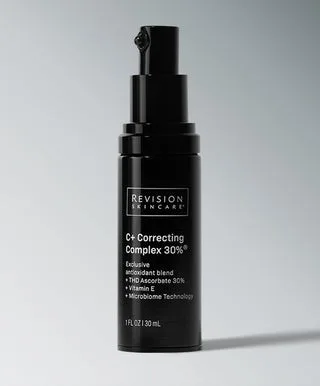
C+ Correcting Complex 30%®
- Identify your primary concern: dryness, aging, pigmentation, or acne
- Check the active ingredients and their concentrations
- Introduce one serum at a time to avoid irritation
How to Choose a Moisturizer for Your Skin Type
Moisturizers come in lotions, creams, and gels. Gel-based ones are best for oily skin as they hydrate without clogging pores. Creams are richer and suit dry or mature skin. Lotions fall in between, ideal for combination skin. If you have sensitive skin, look for fragrance-free, hypoallergenic formulas with soothing ingredients like aloe or oat.
For a truly tailored approach, consider a moisturizer that matches your skin’s needs. For example, a lightweight gel moisturizer can hydrate oily skin without feeling heavy, while a rich night cream like D·E·J Night Face Cream® can replenish dry skin overnight. Always apply moisturizer to damp skin to lock in extra hydration.
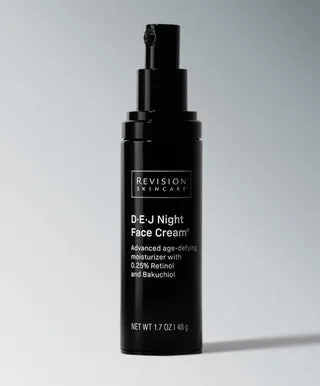
D·E·J Night Face Cream®
- Oily skin: choose oil-free, non-comedogenic gels or lotions
- Dry skin: opt for cream-based moisturizers with ceramides or shea butter
- Sensitive skin: avoid alcohol, fragrance, and essential oils
Layering Basics: Serum Before Moisturizer
The general rule is to apply products from thinnest to thickest. After cleansing and toning, apply your serum while your skin is slightly damp. Wait a minute for it to absorb, then follow with moisturizer to seal everything in. This order ensures the serum’s active ingredients penetrate deeply and the moisturizer traps them.
For an extra boost, you can layer a hydrating serum under a treatment serum, but avoid overloading your skin. If you use multiple serums, apply them in order of consistency—water-based before oil-based. And don’t forget SPF in the morning, even if your moisturizer has sun protection.
- Cleanse → tone → serum → moisturizer → SPF (morning)
- Wait 1-2 minutes between serum and moisturizer
- Use a pea-sized amount of serum and a dime-sized amount of moisturizer
Common Mistakes to Avoid
One of the biggest mistakes is skipping moisturizer because you think your skin is oily. Even oily skin needs hydration—if it’s dehydrated, it produces more oil. Another mistake is applying serum on dry skin; it absorbs better on damp skin. Also, don’t use too many active ingredients at once, as that can irritate your skin.
Finally, remember that skincare is not one-size-fits-all. Your skin changes with seasons, age, and environment. Re-evaluate your routine every few months and adjust your products accordingly.
- Don’t skip moisturizer, even if you have oily skin
- Apply serum on damp skin for better absorption
- Avoid mixing too many actives (e.g., retinol and vitamin C together)
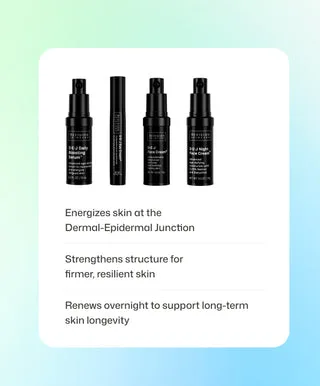
Choosing between a serum and a moisturizer doesn’t have to be confusing. Start with your skin type and concerns, then select products that address them. Remember, both steps are crucial for a balanced routine. If you’re looking for a comprehensive solution, consider the D·E·J® Age-Defying Power Full-Size Regimen, which includes both a serum and a moisturizer tailored to anti-aging needs. Explore it to simplify your skincare journey.