Quick answer
Upgraded components can enhance your game experience, but they're not always necessary. If you value tactile immersion and play frequently, they're worth it; if you're budget-conscious or prefer portability, stick with the standard edition.
When a game like SETI offers upgraded components, it's tempting to jump in. But are those metal coins and neoprene mats truly game-changers, or just nice-to-haves? This guide helps you weigh the investment against your actual needs.
We'll look at what upgrades typically include, how they affect gameplay, and provide concrete decision rules to help you choose wisely.
What Do Upgraded Components Actually Change?
Upgraded components usually replace cardboard tokens with metal or resin pieces, offer thicker player boards, or include neoprene playmats. These changes aim to improve tactile satisfaction and durability, but they don't alter game mechanics. For a game like SETI, where exploration and discovery are key, nicer components can heighten the theme.
However, consider the practical side: upgraded components often cost more and can be heavier to transport. If you play at home with a dedicated group, the investment might pay off. If you travel with games or have limited shelf space, standard components are more practical.
- Check if the upgrade includes functional improvements, like better card holders or clearer iconography, which can actually ease gameplay.
Evaluating the Cost-Benefit
Compare the price difference between standard and deluxe editions. For example, a game like Sanctum offers a deep dice-throwing mechanic where gear is crucial; upgraded tokens might make gear management more satisfying. But if the price difference is steep, consider whether the visual upgrade is worth it for you.
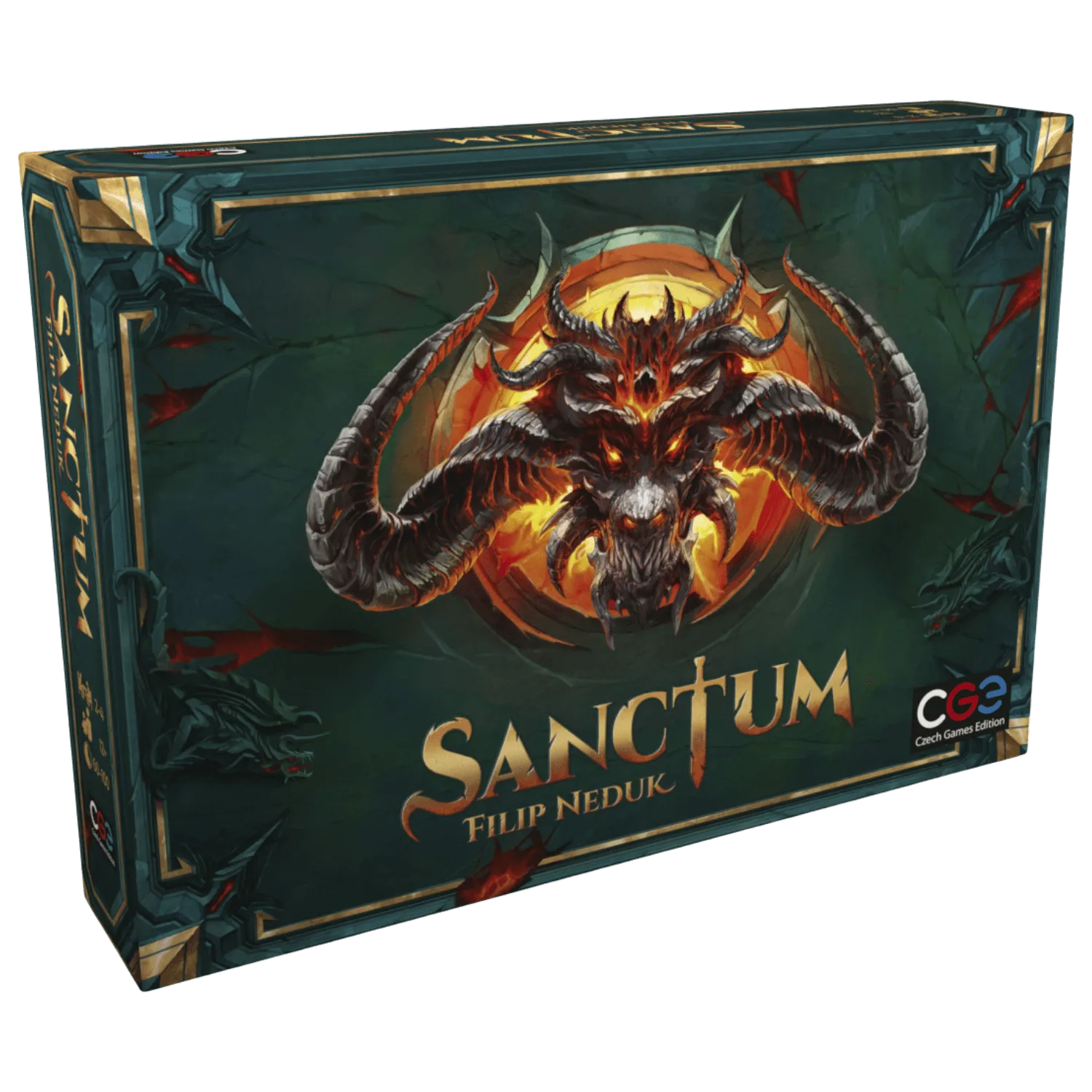
Sanctum
Also, think about longevity. Upgraded components often last longer, resisting wear from frequent shuffling and handling. If you plan to play the game dozens of times, durability can justify a higher upfront cost.
- Calculate cost per play: if you play a game 20 times, a $30 upgrade adds $1.50 per session—often worth it for enthusiasts.
Decision Rules for Component Upgrades
- Frequency of Play: If you play the game more than once a month, upgraded components enhance the experience and reduce wear. If it's a rare play, standard is fine. High frequency → upgrade; low frequency → skip.
- Budget Priority: If funds are limited, prioritize new games or expansions that add mechanics over cosmetic upgrades. Upgrades don't change gameplay, so they're a luxury, not a necessity. Limited budget → skip; comfortable budget → consider.
- Portability Needs: If you carry games to meetups or travel, heavier deluxe components become a burden. Standard components are lighter and easier to transport. Travel often → stick with standard; home use → upgrade.
Related Products to Consider
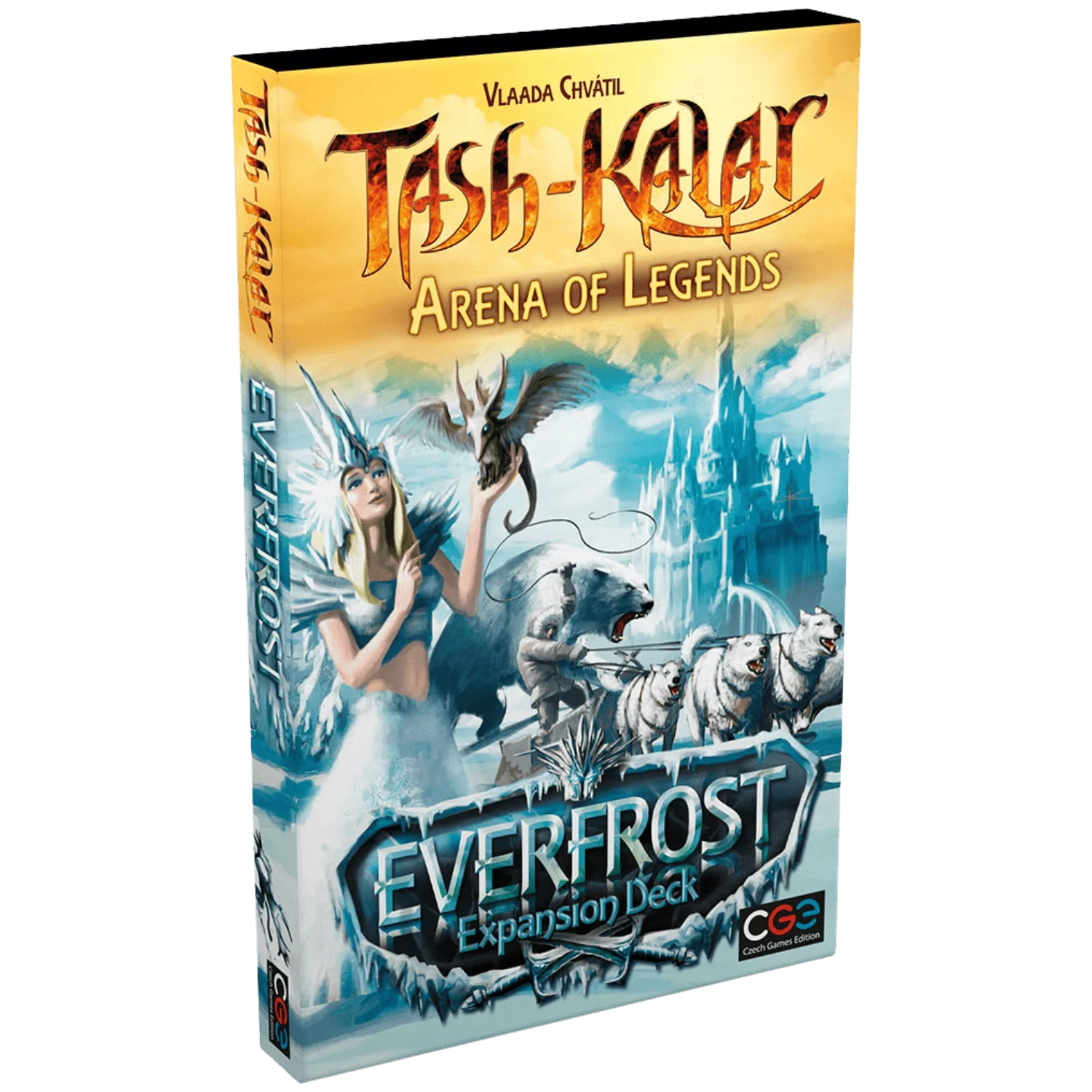
- https://czechgamesesn.com/products/tash-kalar-everfrost-expansion-7f89d69613e7c50e61e01f20-1019401Tash-Kalar: Arena of Legends – Everfrost: This expansion brings new tactics to the arena of Tash-Kalar. Some beings have frozen effects that can be saved and used long after the being was summoned. If you enjoy games with strategic depth, expansions like this offer new mechanics without needing component upgrades, providing value at a lower cost.
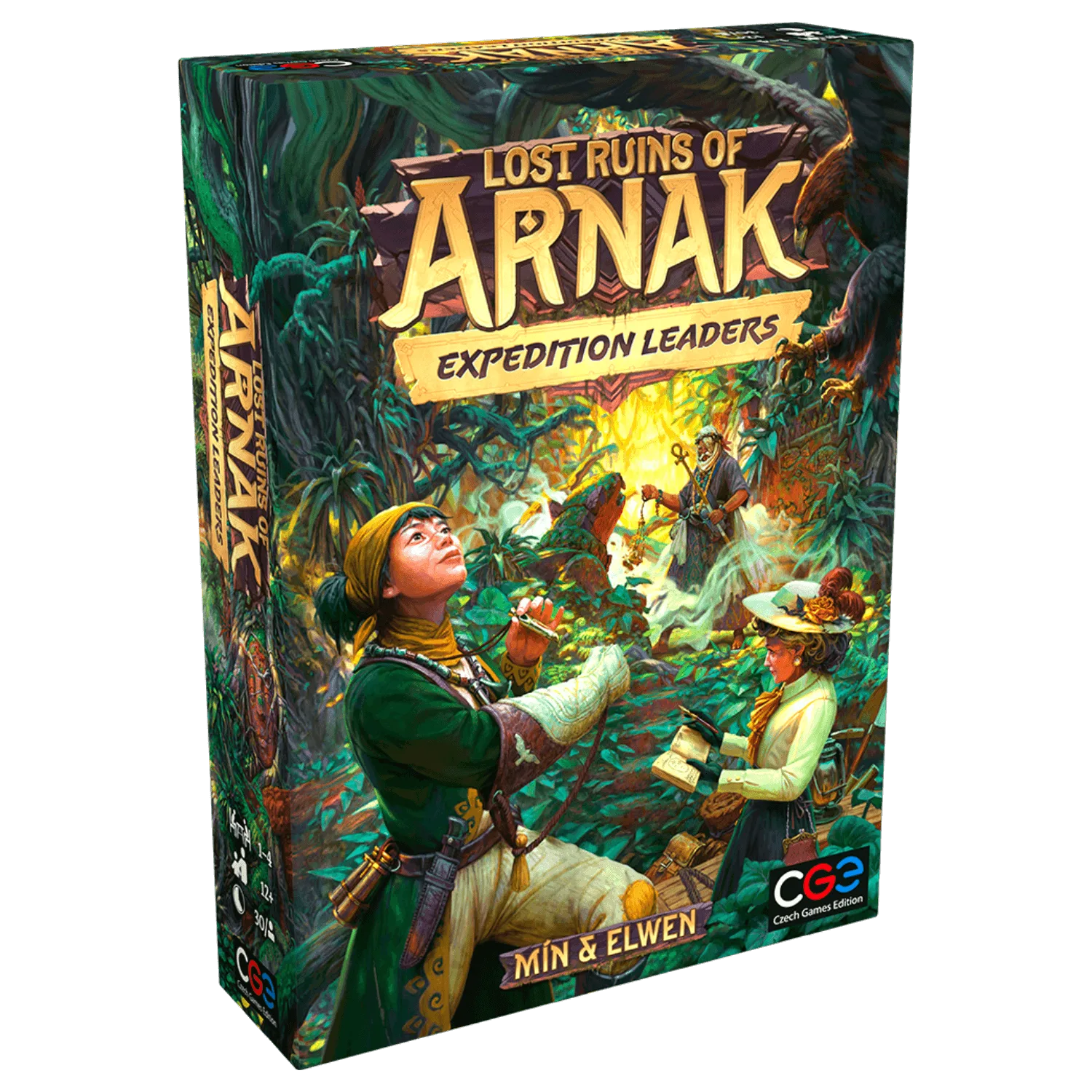
- https://czechgamesesn.com/products/lost-ruins-of-arnak-expedition-leaders-1e5b9883b59455e2e8af0823-1019367Lost Ruins of Arnak: Expedition Leaders: Return to the mysterious island of Arnak in this new expansion – Expedition Leaders! Give your expedition an edge by choosing one of six unique leaders, each equipped with different abilities, skills, and starting decks. Adding expansions can refresh a game's replayability, sometimes offering more gameplay value than cosmetic component upgrades.
Is an Upgrade Right for You?
Best for
- Enthusiasts who play the game regularly and value tactile immersion.
- Collectors who appreciate premium aesthetics and durability.
Not for
- Budget-conscious players who prefer more games over premium versions.
- Those who prioritize portability and easy setup.
Ultimately, upgraded components are a personal choice. Weigh your play habits, budget, and storage constraints. If you're unsure, try the standard edition first—you can always upgrade later if the game becomes a favorite.