Quick Answer
For a smooth start, choose a small plastic tank like the Capri Junior 21 L, set it up in a stable location, and cycle the water before adding fish.
Why Start with a Plastic Tank?
Plastic aquariums are lightweight, durable, and often more affordable than glass tanks. They are ideal for beginners because they resist chips and cracks, and many come with integrated filtration and lighting, reducing the number of separate purchases you need to make.
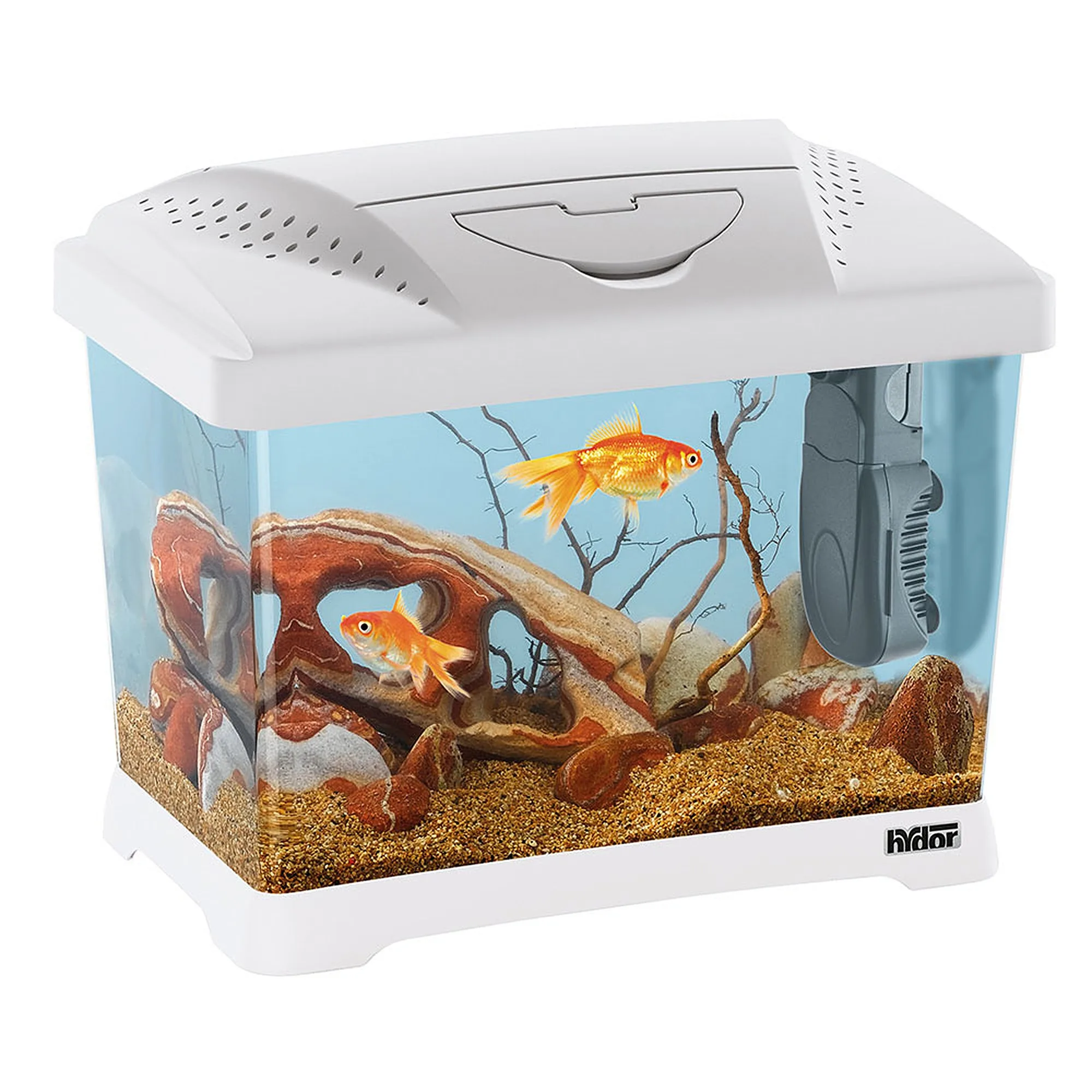
The Capri Junior range, for example, includes a small plastic tank with an internal filter and a compact fluorescent lamp. This all-in-one design simplifies the initial setup, letting you focus on learning the basics of fishkeeping.
Size Matters: The 21-Liter Option
A 21-liter tank is a common starting size. It is small enough to fit on a desk or shelf without overwhelming your space, but large enough to support a small community of fish. Smaller tanks are easier to maintain in terms of water changes, but they also require more careful monitoring because water parameters can change quickly.
If you are completely new to the hobby, a 21-liter tank offers a manageable learning curve. You can keep a few small fish or shrimp, and the smaller volume means less initial investment in equipment and decorations.
Step-by-Step Setup Process
- Choose the Right Location: Place your plastic aquarium on a stable, level surface away from direct sunlight and heat sources. Ensure it can support the weight of the tank when full. Avoid placing near windows to prevent algae growth. Check that the surface is level and can hold the weight of the filled tank.
- Rinse and Prepare the Tank: Rinse the tank, substrate, and decorations with clean water. Do not use soap or detergents, as they can harm fish. Place the substrate at the bottom and arrange decorations. Never use soap; a simple rinse is enough.
- Install Equipment: Install the internal filter and lighting according to the manufacturer's instructions. For the Capri Junior, attach the Pico filter and compact lamp. Ensure the filter is submerged and the light is securely placed. Double-check that all equipment is properly connected and functional before adding water.
- Fill the Tank with Water: Fill the tank with dechlorinated water. Use a water conditioner to remove chlorine and chloramine. Add water slowly to avoid disturbing the substrate. Always treat tap water with a conditioner to make it safe for fish.
- Cycle the Tank: Run the filter and heater (if needed) for at least 24-48 hours, and ideally complete a full nitrogen cycle (4-6 weeks) before adding fish. Test the water for ammonia, nitrite, and nitrate to ensure safe levels. Patience is key; don't add fish until the cycle is complete.
- Add Fish Gradually: Introduce a few hardy fish at a time, acclimatizing them to the tank water by floating the bag for 15 minutes and then slowly adding tank water. Avoid overstocking; for a 21-liter tank, start with a small number of small fish. Add only a few fish at a time and monitor water quality after each addition.
Product Facts
-
CAPRI JUNIOR - 21 L: The Capri Junior 21 L is a small plastic tank with an internal filter Pico and compact fluorescent lamp 15 W, featuring an opening hatch and solid base with plastic feet. The integrated filter and light mean you don't need to buy separate equipment, and the opening hatch makes feeding and maintenance easier.
CAPRI JUNIOR - 21 L